

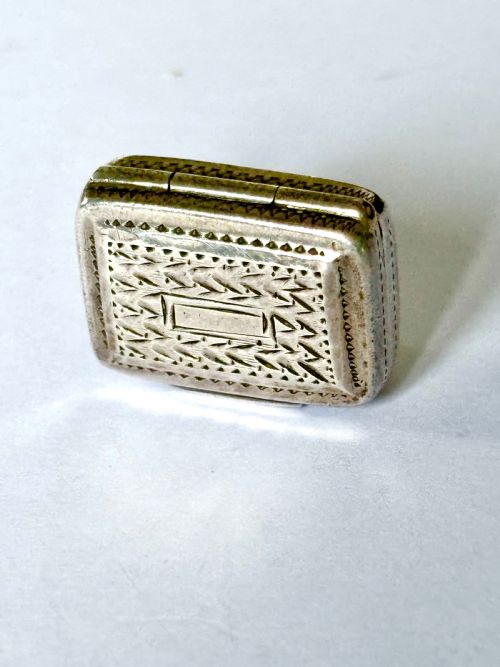


Birmingham Silver Pill Box
When you handle a birmingham silver pill box, you hold a tangible piece of silversmithing history forged in the Midlands.
Birmingham Silver Pill Box
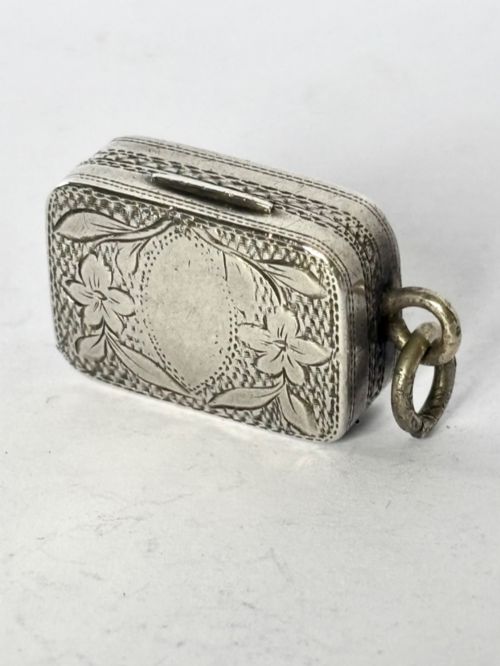
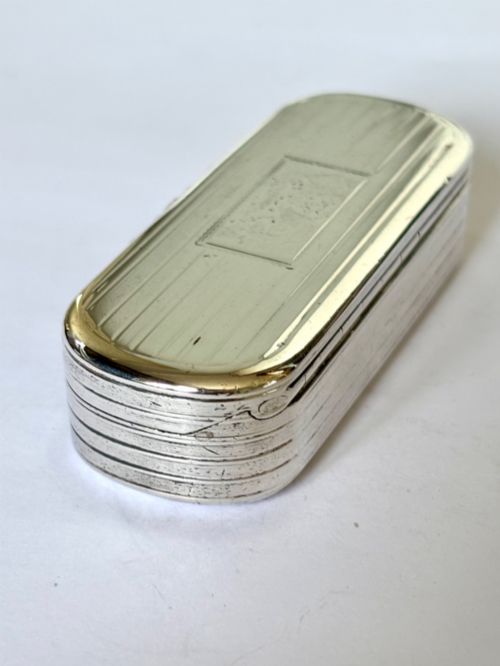
A birmingham silver pill box is a small, portable container designed for carrying medications, patches, or trinkets, originating from the Midlands assay hub. The selection spans Georgian, Victorian, Edwardian, and later twentieth-century eras, reflecting changing domestic habits.
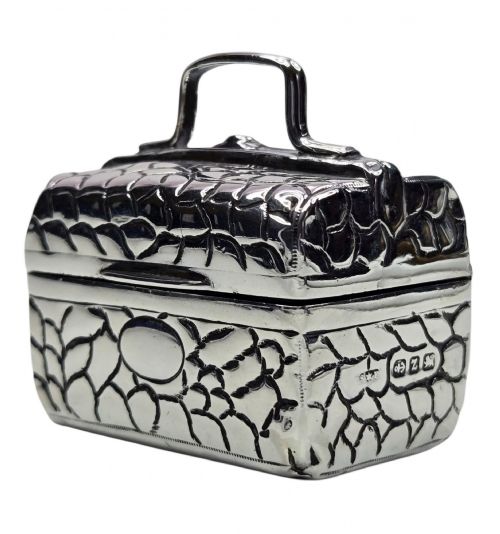
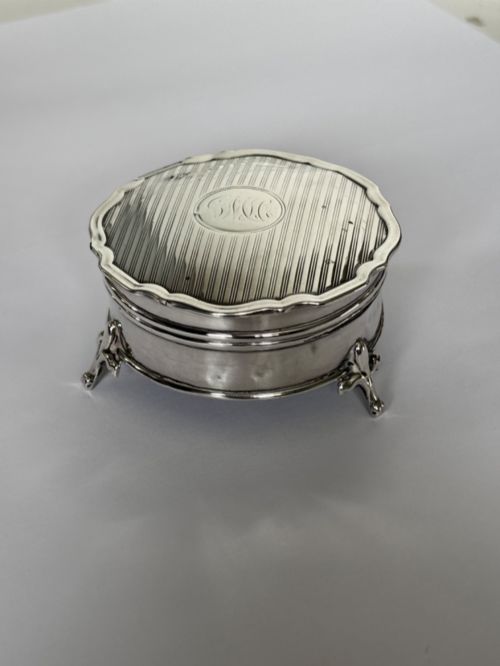
The forms vary widely from simple pocket containers to novelty shapes, heart outlines, and hinged vinaigrettes with internal pierced grilles. Many pieces integrate miniature proportions with functional compartments meant for daily personal use.
How they were made
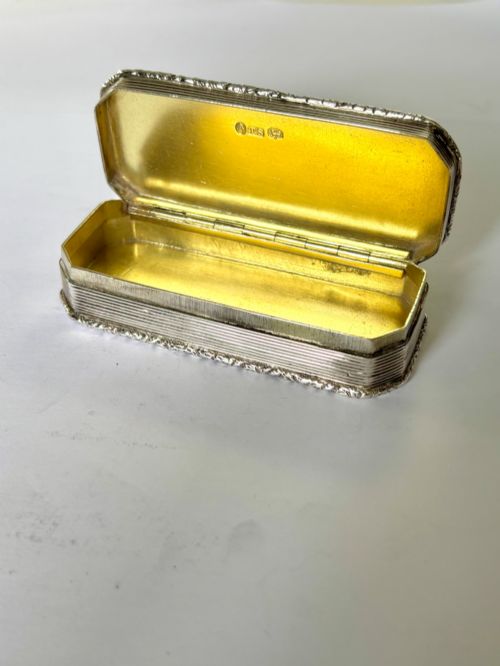
Silversmiths constructed these boxes primarily using sterling silver, frequently applying silver-gilt or gold vermeil finishes to the interior surfaces to prevent corrosion from contents. Enamel, porcelain, and guilloche decoration often appear on the lids, secured via bezel settings or applied directly to the metal base.
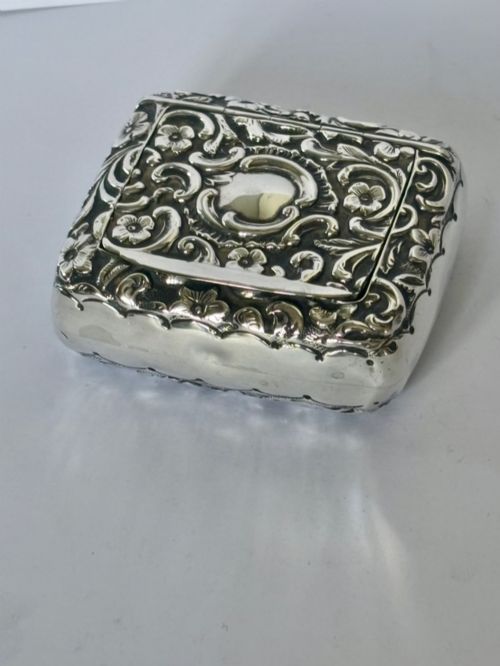
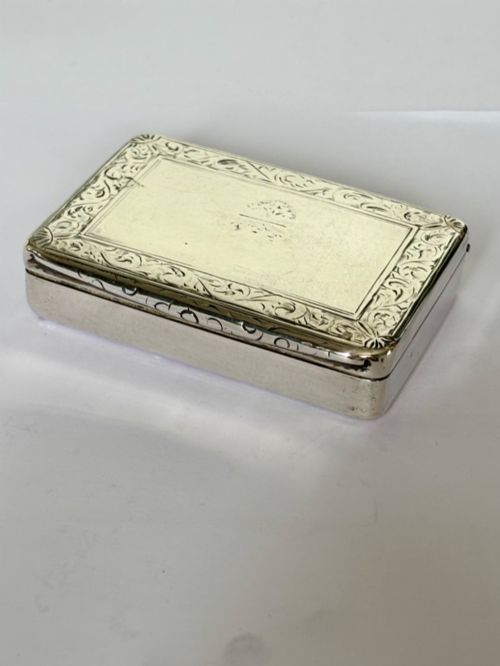
Embossing, chasing, and stamped detailing created the surface patterns seen across Victorian and Edwardian examples. Makers utilised precise hinges and snug-fitting lids to ensure secure closure for pocket transport.
Materials recorded in the inventory include sterling silver, silver-gilt, enamel, porcelain, and tortoiseshell.
What varies in quality
The crispness of the chased or embossed ornamentation dictates much of the visual distinction, with sharper, deeper relief indicating superior workshop execution. Finer examples display immaculate internal gilding and perfectly aligned hinges that close without lateral play.
The presence of complex materials like multi-coloured enamel or integrated porcelain plaques alters the tier of a piece. Maker attribution and legible assay marks further define the standing of individual boxes.
Samuel Pemberton·Henry Matthews·Joseph Taylor·Edward Smith·Levi & Salaman·Adie & Lovekin·James Fenton
The Birmingham Silver Pill Box Glossary
- Vinaigrette
- A small hinged box containing a perforated internal grill intended to hold a sponge soaked in aromatic vinegar. These pieces date predominantly from the Georgian and early Victorian periods.
- Silver-gilt
- Sterling silver that has been coated with a thin layer of gold, providing a rich yellow hue and protection against tarnishing. This finish frequently lines the interior of pill and snuff containers.
- Guilloche
- A decorative mechanical technique that etches precise, intricate geometric patterns into a metal surface beneath translucent enamel. It appears frequently on Edwardian and Art Deco lids.
- Pyx box
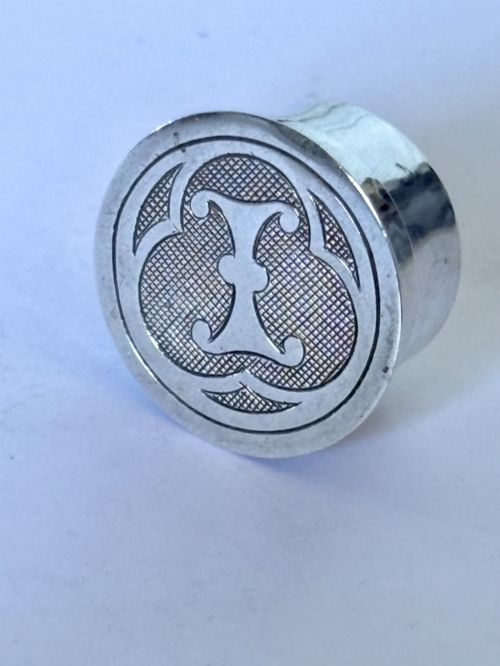
- A small round container historically utilised to carry sacramental bread, adapted in secular contexts for small valuables. Examples carry distinct ecclesiastical or domestic forms.
- Assay mark
- An official stamp indicating the purity of the metal, the town of testing, and the date of manufacture. Birmingham pieces bear the anchor symbol.
Birmingham Silver Pill Box: Frequently Asked Questions
What were birmingham silver pill boxes used for?
These small containers were carried in pockets or reticules to hold medicinal pills, lozenges, or adhesive patches. Wealthy owners utilised them for daily personal needs while on the move.
Over time, the function expanded to include the storage of stamps, trinkets, and keepsake locks of hair. Their portability made them essential personal accessories through the Georgian and Victorian eras.
How do I identify the date of a birmingham silver pill box?
Dating relies upon the set of hallmarks stamped into the metal, which typically include a maker's mark, a lion passant for sterling silver, an anchor for the Birmingham assay office, and a date letter.
Comparing the shape, style of decoration, and typography of the stamps helps narrow the period of manufacture when marks are rubbed. Georgian and Victorian pieces display distinct design shifts that assist attribution.
Are all birmingham silver pill boxes made of solid silver?
While the structural body usually consists of sterling silver, many examples incorporate other materials such as gold gilt, enamel, or tortoiseshell on the exterior surfaces. Some pieces feature interior gold vermeil washes over the silver base.
Assay marks confirm the metallic standard of the primary body, distinguishing solid silver constructions from plated or mixed metal novelty items.
How should I care for an antique silver pill box?
Maintenance requires gentle cleaning with a soft microfibre cloth to remove dust and tarnish without abrading the delicate chased details or enamel surfaces. Avoid harsh chemical dips, particularly on pieces with enamel or gilt interiors.
Store the items in a dry environment away from direct sunlight to preserve the integrity of both the silver and any organic decorative elements like tortoiseshell.