

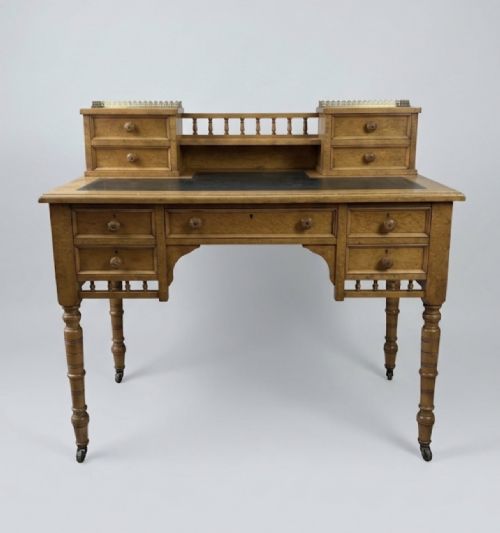


Birds Eye Maple Table
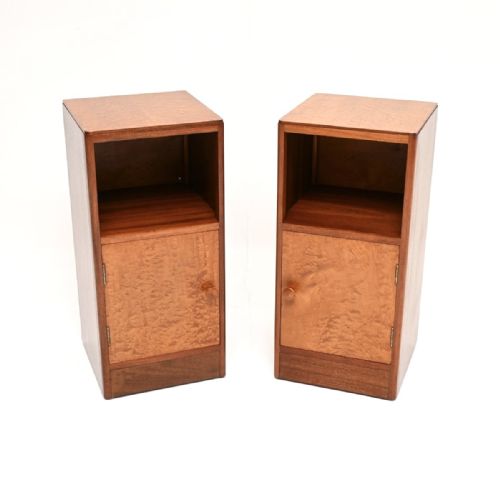
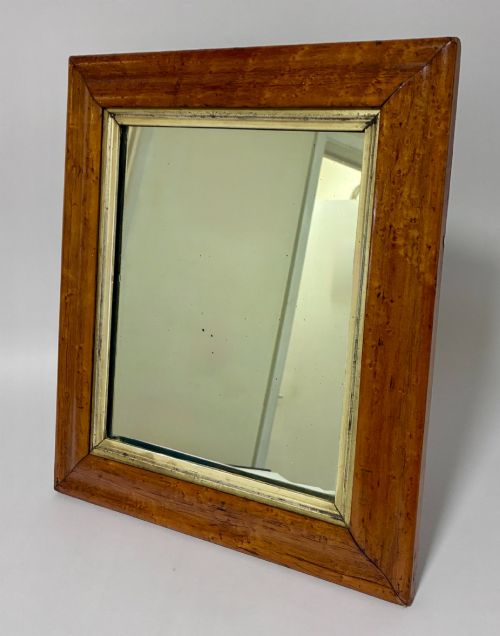
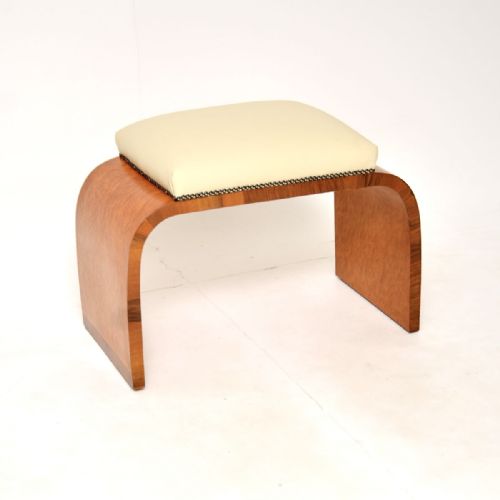
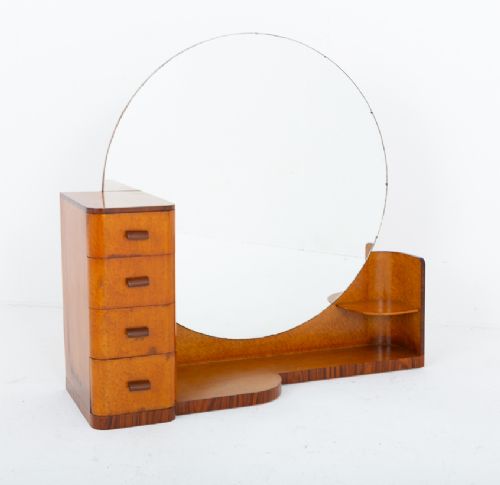
A birds eye maple table brings a distinctive spotted grain and warm blonde tone to any interior through forms ranging from Art Deco side tables to Victorian desks.
Birds Eye Maple Table
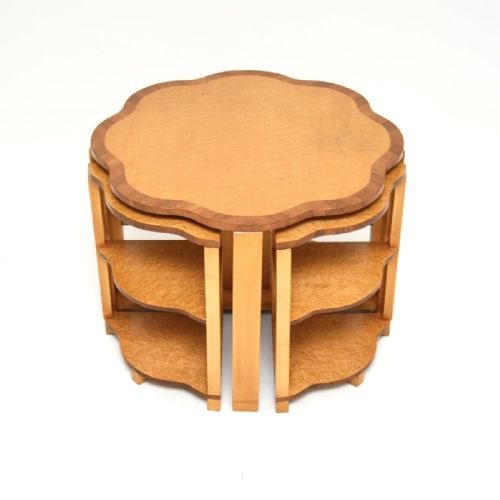
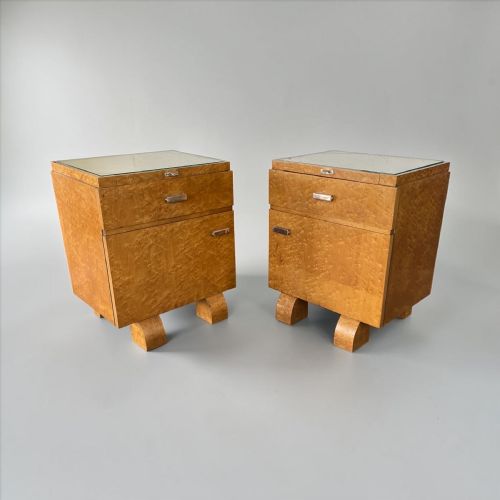
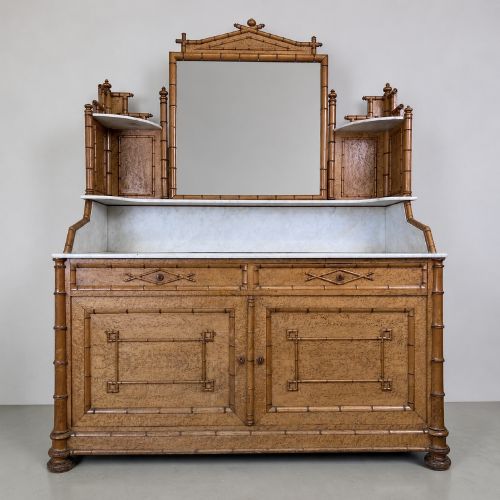
A birds eye maple table encompasses a diverse range of forms designed for writing, dining, bedside use, and occasional placement. The selection spans distinct eras, drawing heavily from the Art Deco period and the nineteenth century, including Regency, Victorian, and Biedermeier expressions.
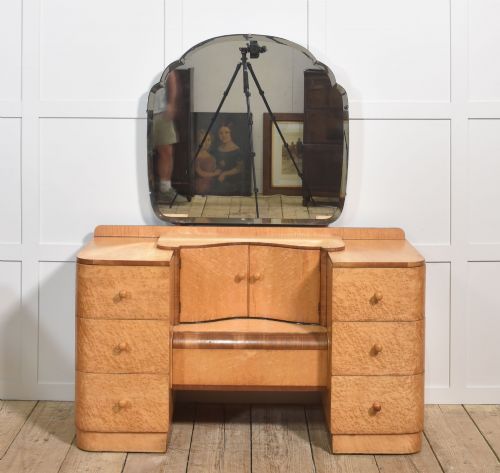
The most common formats met on this page are compact Art Deco occasional pieces, nesting tables, and dressing tables alongside nineteenth-century centre tables and writing desks. These functional items utilise the decorative figure of the timber to create striking visual focal points within domestic spaces.
How they were made
Cabinet makers constructed these pieces using solid timber or carefully applied veneers of birds eye maple over secondary woods such as walnut, mahogany, or ebonised frames. The distinctive dotted figure results from natural growth knots in the maple tree, which artisans sliced into thin sheets to display across tabletops and drawer fronts.
Construction techniques evolved from nineteenth-century joinery, featuring turned pillars, brass mounts, and inlaid banding of rosewood or ebony, to the streamlined curves and geometric layouts seen in twentieth-century modernist furniture.
Birds Eye Maple Table Retail Price Guide 2026
Typical asking prices for birds eye maple table among the pieces listed under this phrase on Sellingantiques today, from the lower quarter to the upper quarter. They describe what is for sale here now, not the wider market.
Some nineteenth-century tables served as multi-purpose pieces, hiding chess boards and writing desks inside compact boxes.
What varies in quality
Quality rests primarily in the density and uniform spread of the distinctive eye figure across the veneer surface, combined with the crispness of secondary timber inlays like rosewood or ebony. Superior examples display careful book-matching of the grain, where patterns mirror symmetrically down the centre of a top.
The integrity of the underlying construction and the presence of signed maker details, such as those from documented firms, elevate individual pieces. Less accomplished examples might show uneven grain distribution or simpler secondary woods without complementary banding.
The Hille Furniture Company·Harry and Lou Epstein·Howard and Sons London·Gillows
The Birds Eye Maple Table Glossary
- Birds Eye Maple
- A figure in sugar maple wood where the grain swirls around small knots to resemble tiny bird eyes. It requires expert veneer slicing to display effectively.
- Biedermeier
- A Central European style from the nineteenth century prioritising clean lines and utility over ornament. It often highlights the natural warmth of blonde woods like maple.
- Veneer
- A thin layer of choice wood glued to a base of less expensive timber. This technique allows cabinet makers to showcase highly figured patterns like birds eye maple across wide surfaces.
- Centre Table
- A freestanding table designed to be viewed from all sides rather than pushed against a wall. These frequently served as library or occasional tables in principal rooms.
Birds Eye Maple Table: Frequently Asked Questions
How do I care for a birds eye maple table?
Keep the wood away from direct sunlight and extreme temperature changes to protect the delicate veneer and finish. Dust gently with a dry cloth and avoid harsh chemical cleaners.
Apply a quality furniture wax occasionally if the surface appears dry, following the direction of the grain. This preserves the warm tone and natural lustre of the maple timber.
Are these tables suitable for daily dining?
Many period examples function well for regular use, provided you protect the polished top with mats or coasters. Dining suites from the twentieth century offer sturdy construction designed for daily gatherings.
Consider the specific finish and construction of an occasional or card table before committing it to heavy tasks. Antique surfaces respond best to careful everyday handling.
How do I distinguish Art Deco pieces from Victorian ones?
Art Deco pieces from the early twentieth century typically feature geometric silhouettes, blonde finishes, and streamlined surfaces with contrasting rosewood or ebonised details. They often prioritise horizontal balance and minimalist forms.
Victorian and nineteenth-century examples tend to display heavier turned pillars, intricate inlays, and richer traditional patination. These earlier tables lean towards classical proportions and ornate structural details.
What is a centre table used for?
A centre table stands independently in the middle of a room to hold lamps, books, or decorative objects. Nineteenth-century examples often anchored the layout of a parlour or library.
In modern spaces, these versatile pieces serve as substantial coffee tables or display surfaces. Their finished backs and detailed undersides allow complete 360-degree visibility.