



Bird Painted Plate
A bird painted plate brings avian art directly to the table or cabinet, capturing everything from game birds to exotic specimens in permanent ceramic.
Bird Painted Plate
When a buyer seeks a bird painted plate, they encounter an array of antique cabinet plates, dessert dishes, and chargers designed for display rather than heavy dining use. The versions met most frequently on this page originate from English factories and continental kilns, alongside Japanese export wares spanning the eighteenth, nineteenth, and early twentieth centuries.
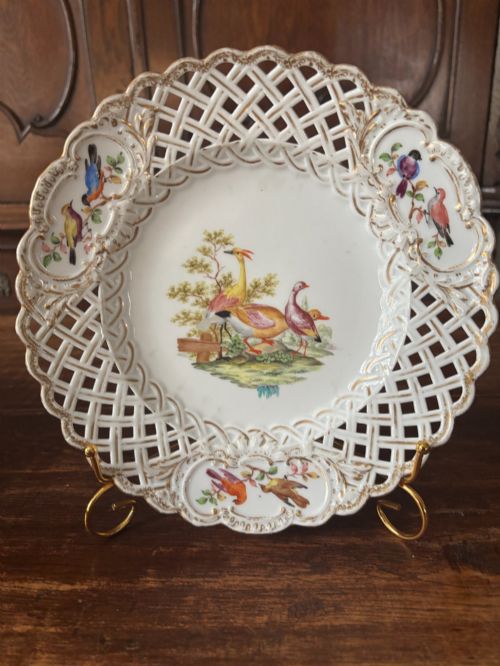
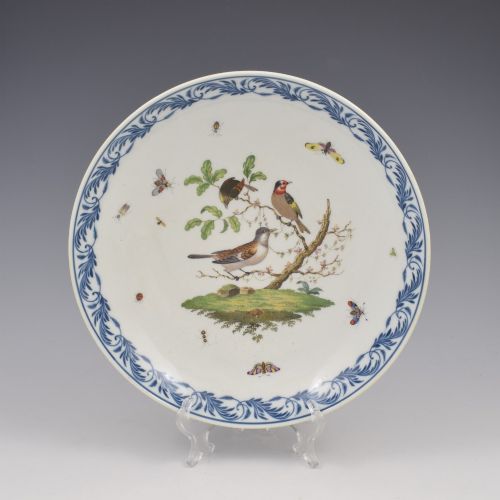
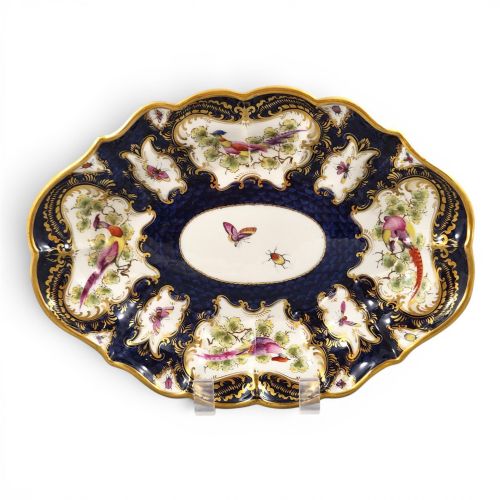
These items take various physical forms, including shallow bowls, reticulated plates, and large chargers with handpainted scenes of songbirds, lapwings, and exotic plumage. English porcelain and bone china examples sit alongside robust earthenware and delicate oriental ceramics, each shaped to showcase natural history illustration.
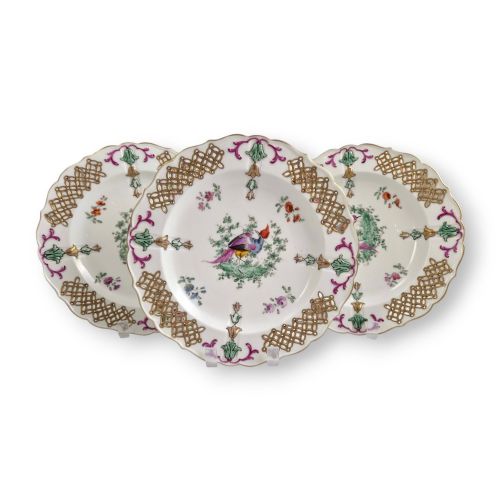
Originating from periods such as the Regency, Victorian, and Meiji eras, these pieces reflect a historical fascination with ornithology and decorative arts. The selection ranges from singular cabinet specimens to matched pairs and full sets housed in original storage boxes.
How they were made
Potters shaped these wares using bone china, standard porcelain, pearlware, and stone china, applying liquid glaze before firing the body in high-temperature kilns. Artisans then brushed fine pigments onto the hardened surface, often utilising polychrome enamel palettes or blue and white underglaze minerals to render detailed feathers and flora.
Gilding played a prominent role in finishing many European and Japanese plates, with craftsmen painting fine lines of gold leaf or gilt onto rims and borders. Subsequent low-temperature firings fixed these metallic accents and enamel colours permanently to the ceramic body.
Bird Painted Plate Retail Price Guide 2026
Typical asking prices for bird painted plate among the pieces listed under this phrase on Sellingantiques today, from the lower quarter to the upper quarter. They describe what is for sale here now, not the wider market.
House sparrows and lapwings find themselves rendered in permanent ceramic alongside imaginary exotic birds, proving that potters loved a cheeky tweet.
What varies in quality
The precision of the brushwork dictates the visual merit of the piece, separating standard transfer-printed or hurried factory output from meticulously hand-painted ornithological studies. Superior examples display anatomical accuracy in the bird's posture and feather patterns, executed by skilled ceramic artists.
The crispness of the porcelain paste and the preservation of applied gold leaf or enamel brilliance also establish distinction. Pieces retaining clear factory marks, such as Meissen crossed swords or early Worcester crescents, demonstrate greater historical integrity.
H & R Daniel·Wedgwood·Meissen·Royal Worcester·Grainger and Co·Flight Barr and Barr·Bassano pottery works·Crescent China·Shozo·Davenport
The Bird Painted Plate Glossary
- Cabinet plate
- A decorative ceramic plate intended primarily for display in a cabinet or on a wall rather than for everyday dining. These items frequently feature intricate painted scenes or gilded borders.
- Bone china
- A type of soft-paste porcelain composed of bone ash, feldspathic material, and kaolin, developed to offer high mechanical strength and chip resistance. It provides a bright white base that enhances painted bird motifs.
- Reticulated plate
- A ceramic dish featuring an openwork or pierced border design cut into the rim before glazing and firing. This technique adds delicate architectural detail to ornamental tableware.
- Imari
- A style of Japanese export porcelain characterised by a palette of underglaze blue, iron red, and supplementary gold leaf. The designs often incorporate floral and avian motifs.
- Pearlware
- A fine-grained earthenware developed in Staffordshire featuring a pale bluish-white glaze that pooled in recesses to mimic Chinese porcelain. It served as a popular base for early nineteenth-century painted domestic wares.
Bird Painted Plate: Frequently Asked Questions
How were bird painted plates used?
These items served various roles in historic households, functioning as dessert dishes for formal dining or as decorative cabinet plates mounted for visual appreciation. Many were commissioned as part of extensive service sets for display during social gatherings.
Over time, their decorative merit outweighed practical utility, leading owners to exhibit them on walls or inside glass-fronted furniture. Today, they continue to function as wall chargers and table centrepieces.
How do I identify a Meissen plate?
Meissen porcelain typically displays the crossed swords mark painted in blue under the glaze, a symbol utilised by the German manufactory for centuries. Examining the crispness of the porcelain body and the distinct Rococo painting style helps confirm origin.
Hand-painted bird subjects on these wares often exhibit fine German enamel work paired with intricate gilt border detailing. Comparing the mark and artistic execution against established factory periods aids verification.
What is Japanese Imari ware?
Japanese Imari ware encompasses porcelain produced in Arita and exported through the port of Imari, featuring distinct blue, red, and gold decoration. These pieces frequently combine floral elements with depictions of exotic birds.
Production spans the Edo period into the Meiji era, showing variations in paste density and glaze texture. The style heavily influenced European ceramic design during the eighteenth and nineteenth centuries.
How should I display antique plates?
Antique ceramic plates require secure wall brackets or dedicated plate stands designed to distribute weight evenly without putting pressure on the rim. Placing them away from direct sunlight prevents fading of delicate enamel colours and gold leaf.
Ensuring stable room humidity protects both the ceramic body and any historic glaze crazing from environmental stress. Routine dusting with a soft, dry cloth maintains the surface appearance safely.