

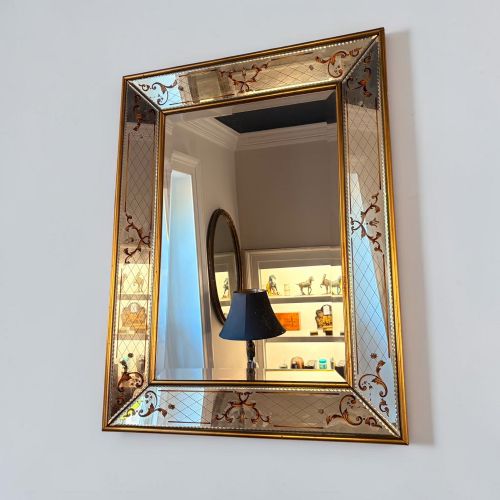
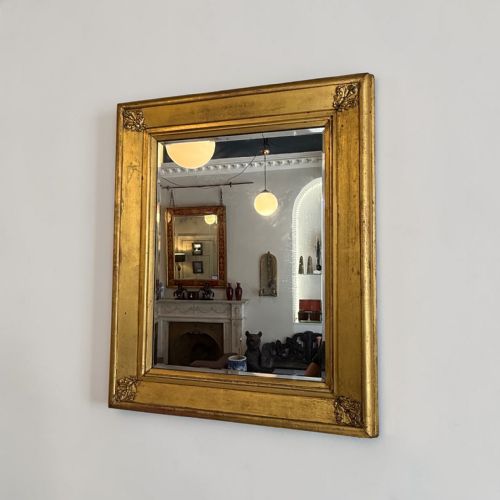
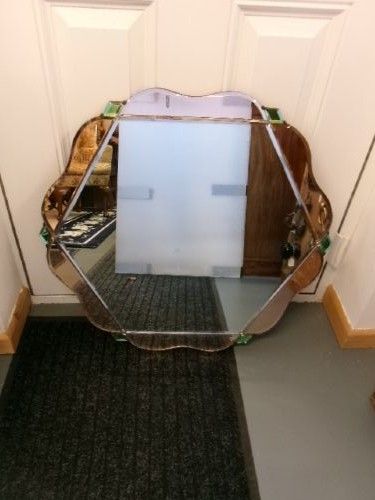
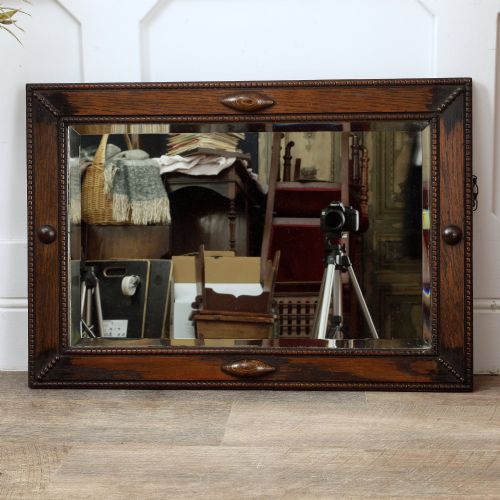
Beveled Glass Mirror
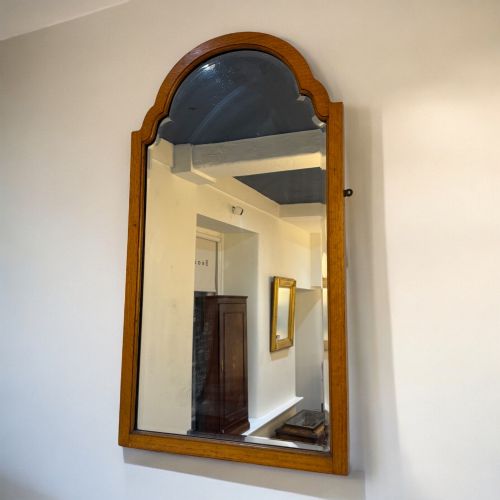
A beveled glass mirror brings depth and refracted light into a room, spanning periods from Victorian overmantles to sleek Art Deco wall pieces.
Beveled Glass Mirror
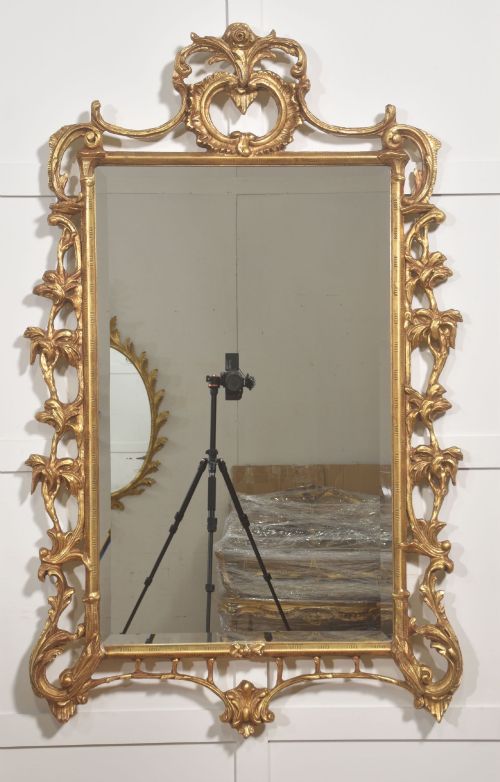
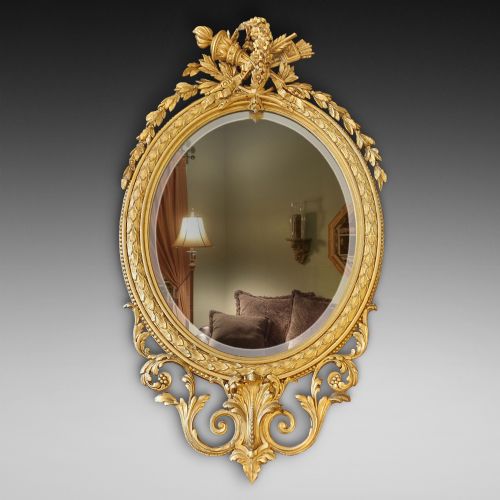
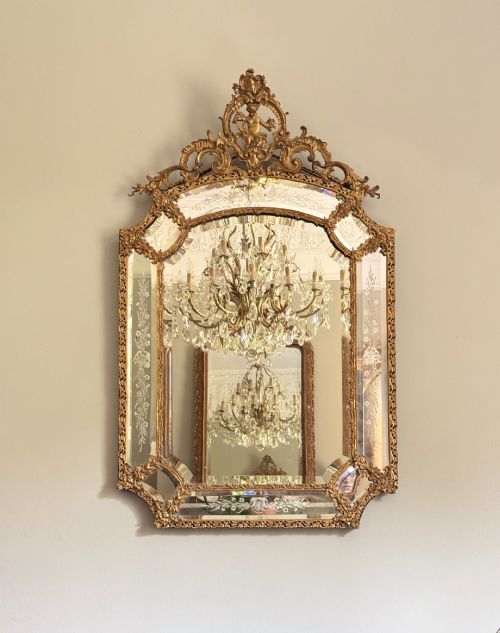
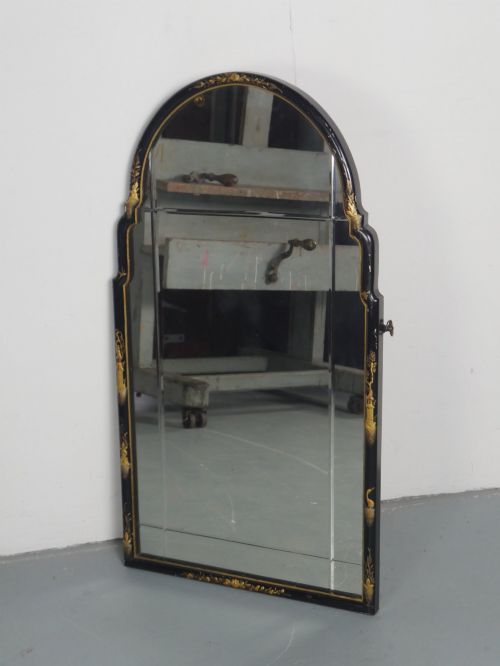
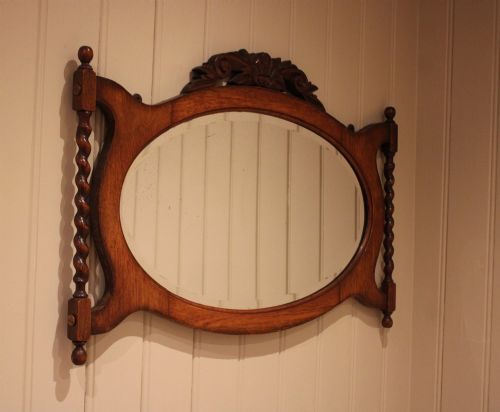
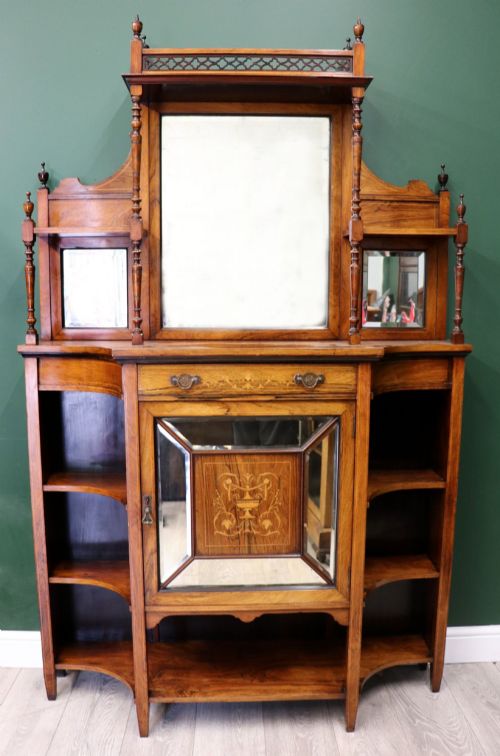
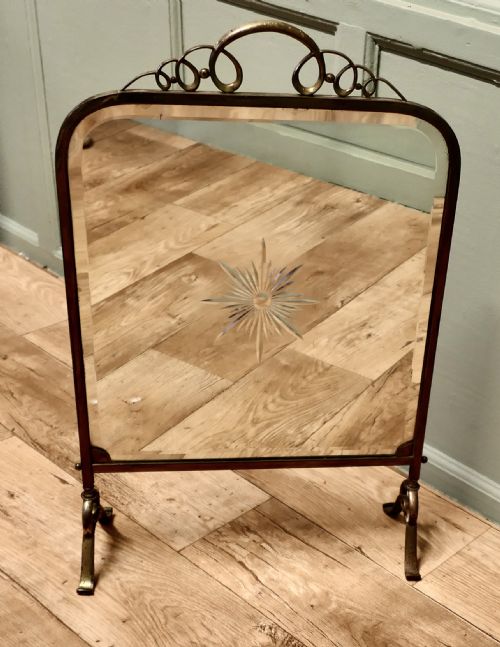
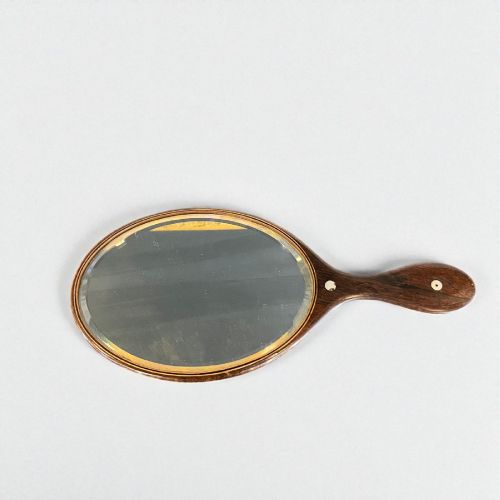
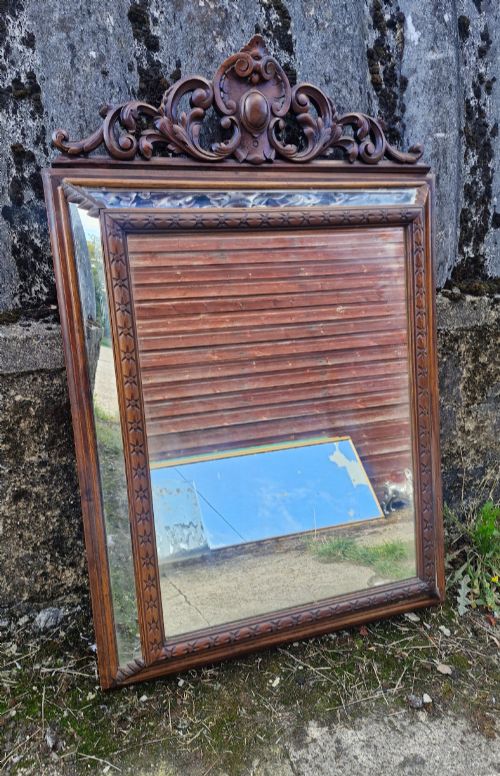
When searching for a beveled glass mirror, buyers encounter a diverse selection of wall-hanging pieces, overmantle designs, and dressing mirrors spanning the nineteenth and twentieth centuries. These objects combine functional reflective plates with decorative frames shaped by the aesthetic preferences of their respective decades.
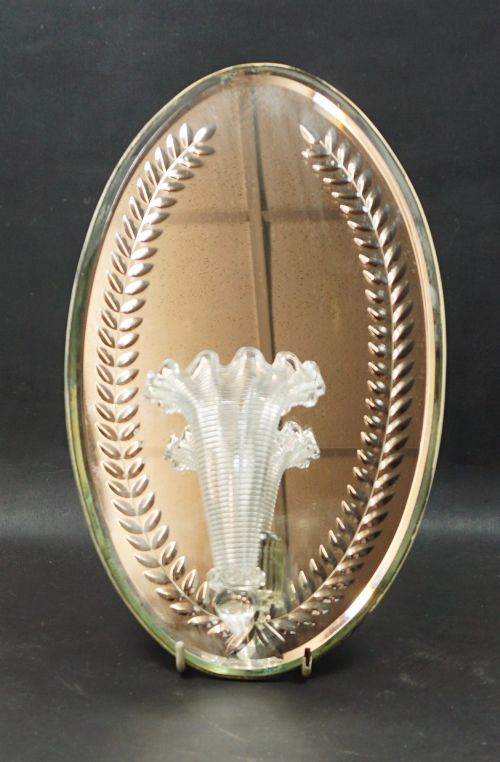
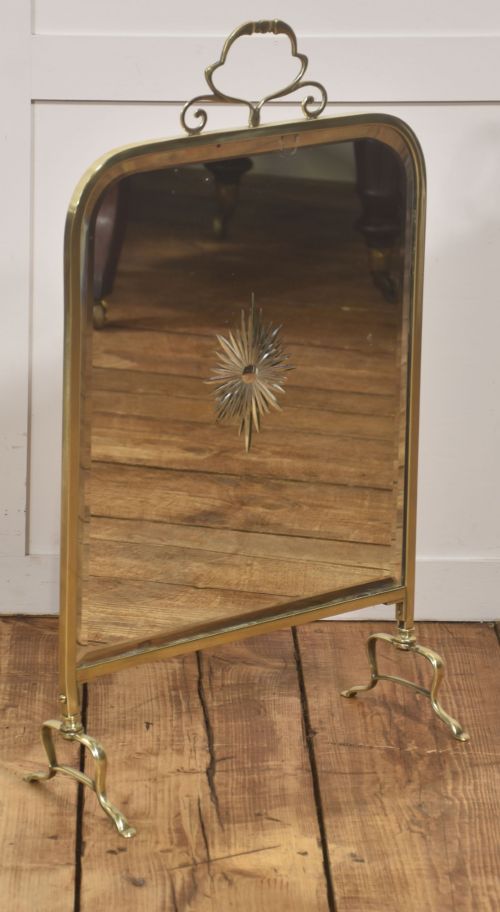
The most common examples on this page date from the Edwardian era and the 1920s, alongside robust Victorian oak and giltwood creations. Formats range from large rectangular architectural mirrors to small vanity trays and specialised fire screens incorporating polished glass.
Origin styles vary widely, encompassing English walnut hallway furniture, ornate French Rococo Revival carvings, and decorative Venetian glasswork. Each piece relies on the characteristic angled edge of the glass plate to catch and disperse ambient room light.
How they were made
Makers constructed the frames using solid timbers such as oak, walnut, and rosewood, frequently applying gesso and gold leaf to achieve decorative gilt finishes. Structural integrity relied on traditional joinery techniques suited to heavy wall-hung or standing furniture.
The characteristic angled edges of the mirror plates were achieved through manual grinding and polishing against abrasive wheels. Artisans then secured the heavy glass into its wooden or metal housing using traditional backing boards and protective fixings.
Beveled Glass Mirror Retail Price Guide 2026
Typical asking prices for beveled glass mirror among the pieces listed under this phrase on Sellingantiques today, from the lower quarter to the upper quarter. They describe what is for sale here now, not the wider market.
Listings feature items from the 1880s through the 1930s, utilising oak, walnut, brass, and giltwood.
What varies in quality
Quality rests upon the crispness of the frame's hand-carved details and the depth of the bevel cut along the glass edge. Superior examples exhibit precise mitring, high-grade gilding, and intact original mirror plates without excessive silver degradation.
The choice of framing materials dictates the overall calibre, with dense hardwoods and intricate gesso ornamentation representing higher standards of workshop production compared to simpler utilitarian alternatives.
Waring and Gillow
The Beveled Glass Mirror Glossary
- Bevel
- An angled edge ground along the perimeter of a mirror plate. This technique creates a prismatic light effect and adds dimensional depth to the glass.
- Gesso
- A plaster-like mixture applied to wooden frames as a smooth base for gilding. It allows craftsmen to model intricate relief ornamentation.
- Overmantle
- A large mirror designed specifically to hang above a fireplace mantelpiece. These pieces often feature wide horizontal proportions to anchor the room.
- Eglomise
- A decorative technique involving the application of gold or silver leaf to glass alongside painted details. It produces a reflective, multi-layered surface finish.
- Giltwood
- Timber that has been coated with a thin layer of gold leaf. It provides a bright, luxurious surface commonly found on period frames.
Beveled Glass Mirror: Frequently Asked Questions
How do I hang a heavy antique mirror?
Heavy period mirrors require robust wall fixings secured directly into structural studs or masonry rather than standard plasterboard plugs. Professional mirror hangers utilise heavy-duty steel wire or mirror plates screwed securely to the wooden frame.
Ensure the weight is distributed evenly across multiple points to prevent structural strain on the original frame joints. Checking the integrity of the original backing boards is essential before mounting.
What is an overmantle mirror?
An overmantle mirror is a large decorative glass piece traditionally hung directly above a fireplace opening. These items were designed to reflect candlelight and brighten dark Victorian and Edwardian rooms.
Their generous horizontal proportions make them suitable for anchoring large wall spaces in modern living areas as well. They often incorporate decorative crests and sturdy wooden framing.
How can I tell the age of a mirror?
Dating relies upon examining the frame style, construction techniques, and the characteristics of the glass plate itself. Older mirrors frequently display subtle distortions in the glass and handmade joinery in the timber frame.
Maker signatures, paper labels on the reverse, and characteristic period motifs like Edwardian marquetry or Art Deco geometry also help determine the era of manufacture.
Can antique mirrors be used in bathrooms?
Antique mirrors can be placed in bathrooms provided moisture levels are carefully managed and ventilation is adequate. High humidity can accelerate the degradation of the silver backing behind the glass plate.
Positioning the piece away from direct water splashes protects the original wooden frame and delicate gilt surfaces from permanent water staining.