
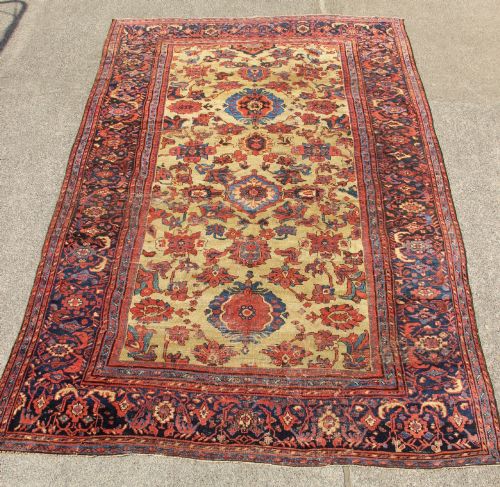
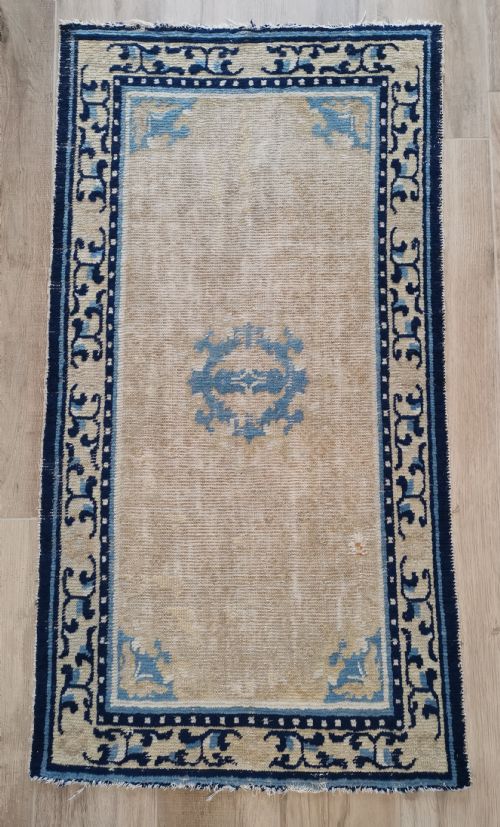
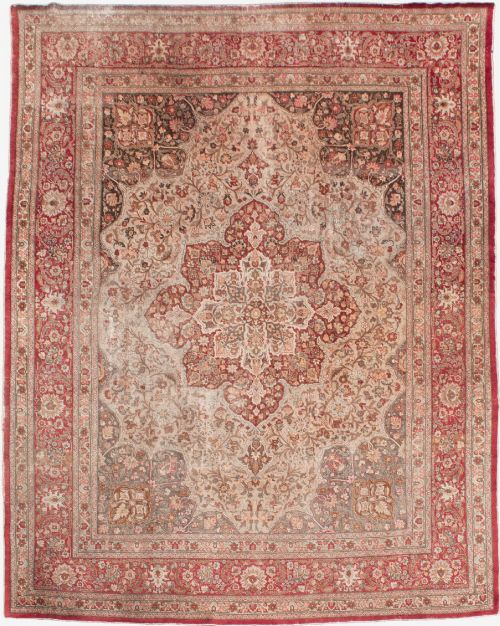
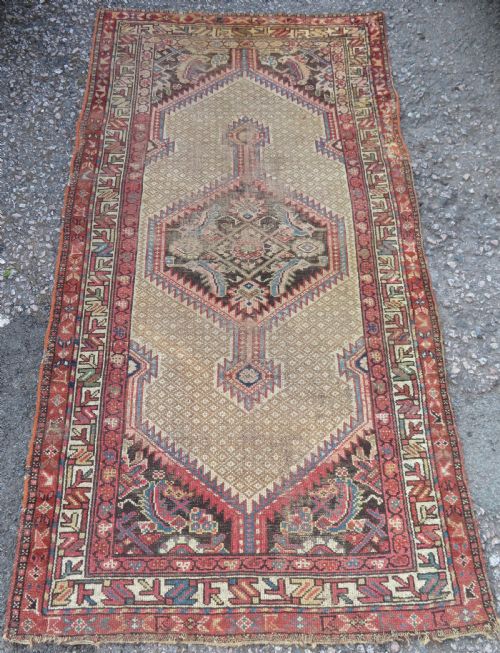
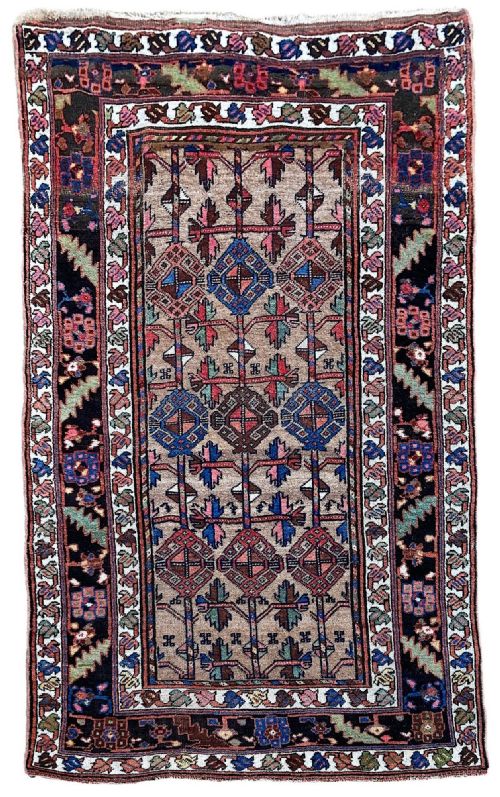


Beige Wool Carpet
When you search for a beige wool carpet, you uncover antique floor coverings woven from natural fibres in Persian, Turkish, Chinese, and European traditions.
Beige Wool Carpet
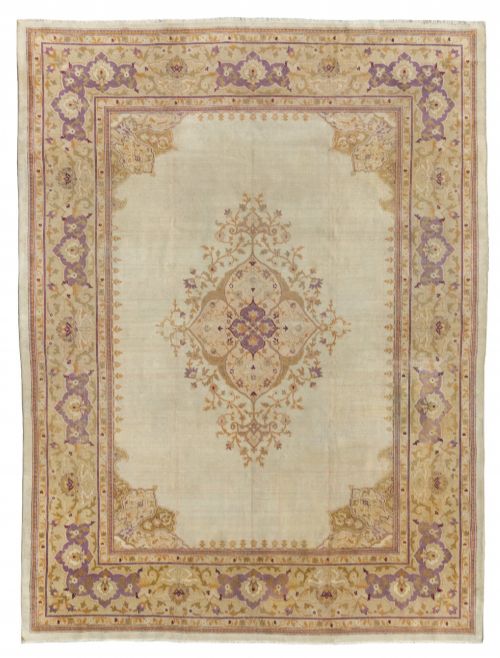
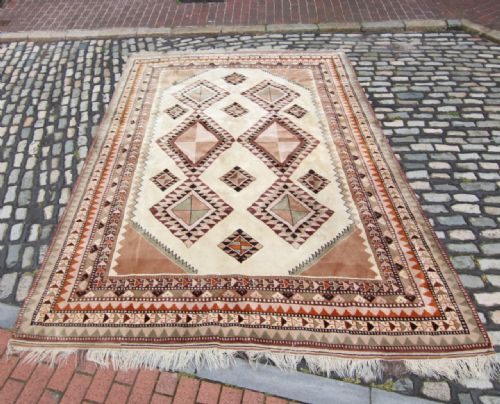
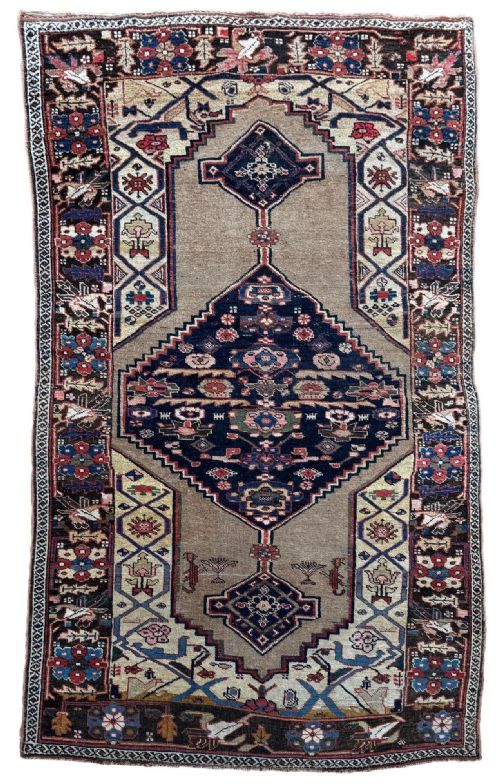
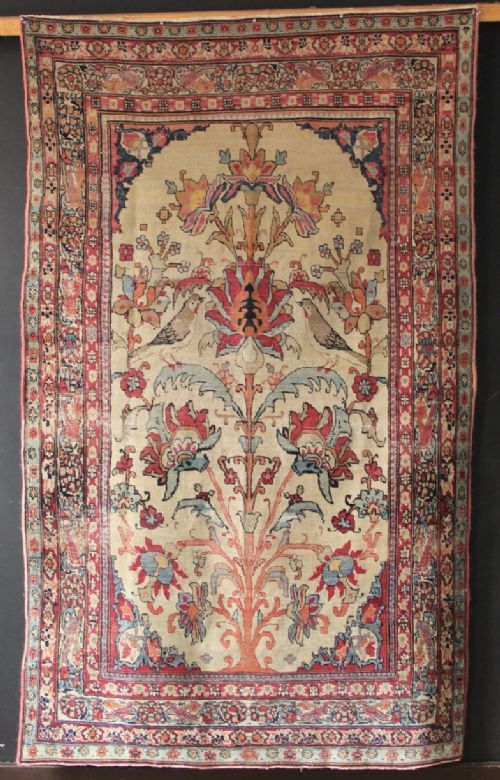
A beige wool carpet encompasses woven floor coverings and wall tapestries originating from diverse regional traditions such as Persian, Ottoman, Chinese Art Deco, and European workshops. These textiles span periods from the mid-nineteenth century through the 1930s, utilising neutral palettes that highlight organic tones.
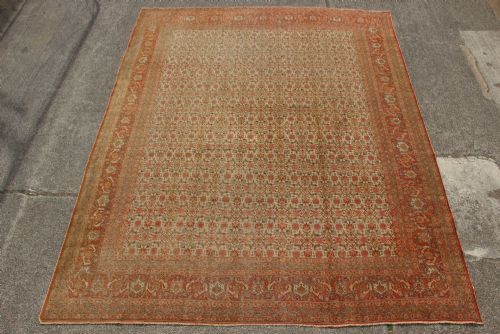
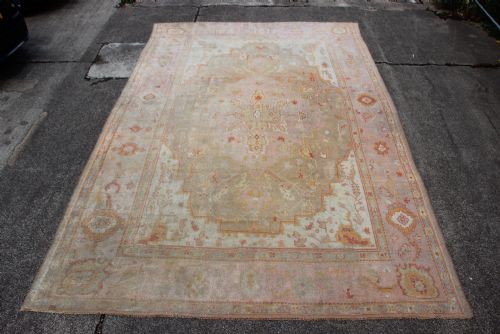
The version most commonly met on this page is the room-sized or runner-format carpet hailing from Persian and Turkish weaving centres, often woven with camel hair or hand-spun wool fields. Such pieces include antique Tabriz, Oushak, Sarab, and Kirman carpets that display muted, faded patinas developed over decades.
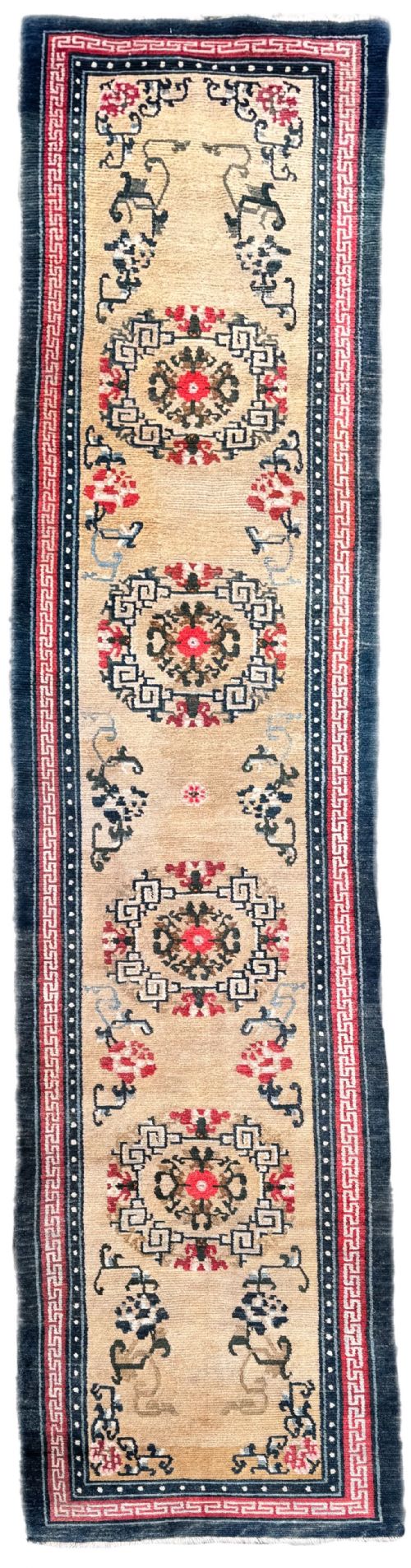
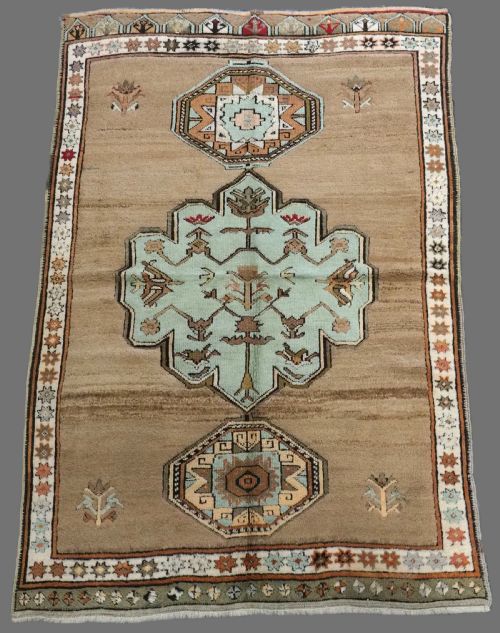
Buyers encounter everything from large country house carpets to narrow hallway runners and tribal prayer rugs. Each object type reflects the specific domestic or ceremonial function intended by its makers in the nineteenth and early twentieth centuries.
Materials and Techniques
The construction of these floor coverings relies primarily on natural wool, cotton foundations, and occasionally camel hair or hand-spun wool. Artisans tied pile knots by hand onto cotton or wool warp and weft threads, creating dense structures designed for durability.
Weavers utilised natural dyestuffs derived from plants and minerals to achieve soft, faded colours across the fields. Traditional upright looms and hand-knotting techniques governed the creation of both room-sized carpets and narrow tribal runners.
Beige Wool Carpet Retail Price Guide 2026
Typical asking prices for beige wool carpet among the pieces listed under this phrase on Sellingantiques today, from the lower quarter to the upper quarter. They describe what is for sale here now, not the wider market.
Several nomadic weavers thoughtfully incorporated stray camel hairs right into the wool field for lifelong texture.
Assessing Quality and Character
The standard of a woven textile depends on the density of the hand-knotting and the fineness of the spun wool or camel hair used in the pile. Tightly knotted pieces maintain structural integrity and detail more effectively over centuries of domestic use.
Distinction also arises from the sophistication of regional design, such as the balanced medallions of Tabriz or the painterly palettes of Oushak and Kirman rugs. Patina and even wear contribute to the visual depth of pieces that have aged organically.
Benlian
The Beige Wool Carpet Glossary
- Wool
- A natural textile fibre obtained from sheep and other animals, utilised extensively for the pile of traditional carpets.
- Runner
- A long, narrow carpet format traditionally suited for hallways, corridors, and narrow spaces.
- Camel Hair
- A natural fibre gathered from camels, prized for its warmth and characteristic golden-beige hue in tribal rugs.
- Knot
- An individual loop of pile yarn tied around warp threads by hand, determining the density and resolution of a carpet design.
- Patina
- The surface sheen and softening of colour developed by a textile through age, light exposure, and gentle wear.
Beige Wool Carpet: Frequently Asked Questions
What is a beige wool carpet?
A beige wool carpet is an antique hand-knotted floor covering featuring natural neutral wool or camel hair fields.
These textiles originate from nineteenth and early twentieth-century weaving regions including Persia, Turkey, China, and Europe.
How were these carpets used?
These carpets served as heavy floor coverings in country houses, drawing rooms, and hallways to provide warmth and decoration.
Narrow formats acted as runners for corridors, while smaller tribal pieces functioned as village rugs or prayer mats.
How do I live with an antique carpet?
Living with an antique wool carpet involves placing it in low-to-medium traffic areas to preserve the hand-knotted pile.
Using a breathable underlay helps secure the textile on hard floors and reduces friction against the cotton foundation.
How do I tell regional styles apart?
Regional styles differ through distinct knotting densities, border motifs, and structural materials typical of specific workshops or nomadic tribes.
For instance, Oushak and Kirman rugs display softer palettes and looser weaves compared to tightly structured Tabriz or Bidjar carpets.