






Beige Embroidered Textile
These beige embroidered textile pieces bring centuries of needlework, folk art and traditional stitchery into your home.
Beige Embroidered Textile
A beige embroidered textile is a needlework creation worked in various threads upon a neutral ground, spanning centuries of global handcraft. You will encounter framed samplers, wall panels, folding screens and traditional Suzanis originating from England, Greece, Central Asia and beyond.
The selections range from intimate schoolgirl samplers dated to the Georgian era up to large scale Suzani embroideries and Japanese silk textile art. Each piece carries the distinct regional styles of its maker, whether that is Victorian folk art or Persian revival taste.
How they were made
Makers utilised natural base grounds such as linen, cotton and wool, upon which they worked intricate designs using silk thread and wool work. These textiles rely entirely on hand stitching, ranging from precise needlepoint panels to dense folk embroidery.
Framed works often incorporate wood and glass to protect the delicate fibres, while larger room screens and panels integrate the textile directly into functional household objects.
The listings span multiple periods from the 18th century through to the 1930s, incorporating linen, cotton, wool and silk thread.
What varies in quality
The distinction lies in the precision of the needlework, the complexity of the design and the preservation of the fibres across the linen or cotton ground. Finer examples show exceptional control in silk thread execution and well-balanced pictorial composition.
Age and provenance further elevate a piece, particularly when makers sign and date their samplers or when regional Suzanis retain their original scale and vibrant thread saturation.
The Beige Embroidered Textile Glossary
- Sampler
- A piece of needlework produced by a beginner or embroiderer to demonstrate skill in various stitches. These often include alphabets, dates and names.
- Suzani
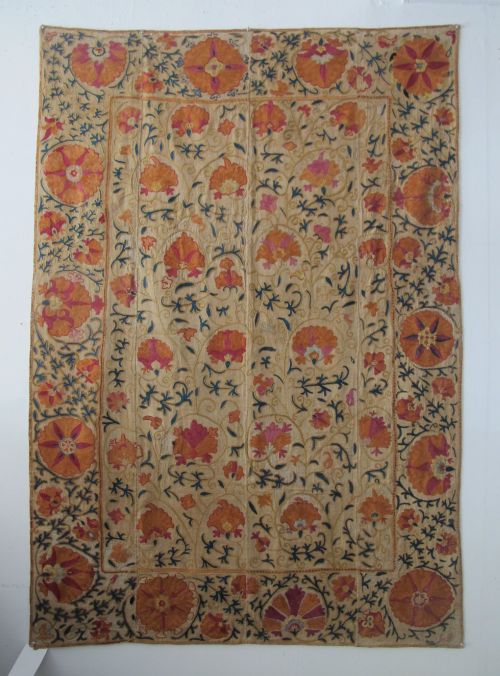
- A type of embroidered tribal textile originating from Central Asia, typically featuring bold floral motifs on a neutral ground.
- Wool work
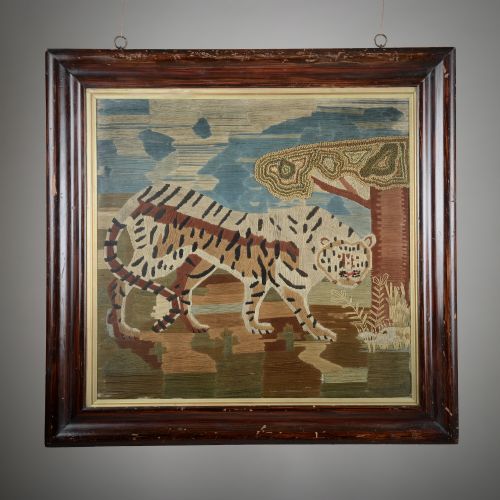
- Needlework executed primarily with wool threads, often creating textured pictorial scenes such as animals or landscapes.
- Needlepoint
- A form of counted thread embroidery stitched through a stiff open-weave canvas ground.
Beige Embroidered Textile: Frequently Asked Questions
How do I care for an antique textile?
Keep textiles away from direct sunlight to prevent the silk and wool threads from fading. Display them behind glass where possible to protect the delicate fibres from dust and atmospheric moisture.
Avoid hanging heavy framed panels in areas prone to dampness or significant temperature fluctuations. Gentle dusting with a soft brush is usually sufficient for maintenance.
Where were these embroideries made?
The pieces originate from diverse global regions, including England, Greece, Pakistan, Japan and Uzbekistan. Each geographic area utilised distinct local motifs and materials.
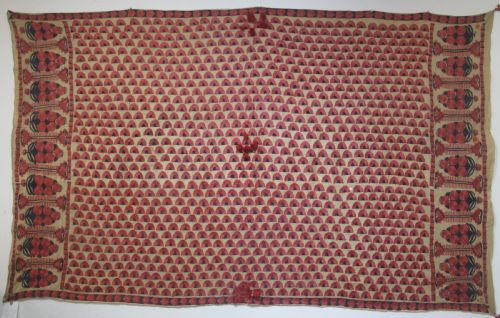
English works are frequently schoolgirl samplers, while Central Asian examples include large Suzanis and tribal textile panels.
How can I tell the age of a sampler?
Many samplers include embroidered dates and the maker's name or age directly worked into the linen ground. Stylistic indicators, such as alphabet scripts and specific floral borders, also help attribute pieces to periods like the Georgian or Victorian eras.
Examining the type of thread and the weave of the backing fabric provides further clues to the date of manufacture.
What is the difference between a sampler and a panel?
A sampler was traditionally created to practise and display a variety of stitches, often featuring alphabets, numbers and moral verses. An embroidered panel or textile art piece is designed primarily for decorative display, featuring pictorial scenes or repeating motifs.
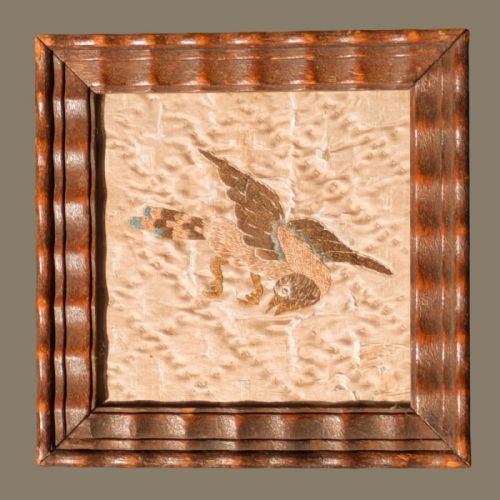
Panels often depict animals, figures or elaborate botanical patterns rather than stitching exercises.