

Beech Coat Rack
A beech coat rack brings practical warmth and sinuous nineteenth-century curves to any entrance hall.
Beech Coat Rack
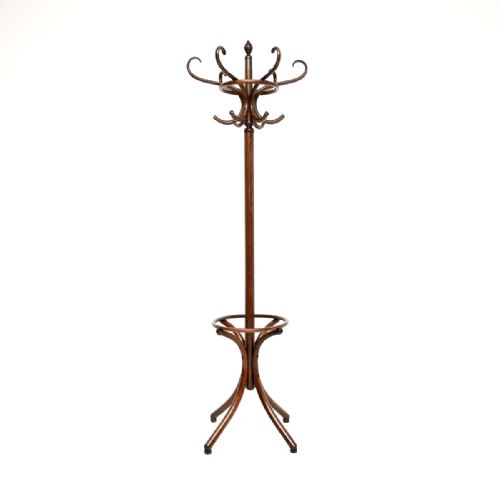
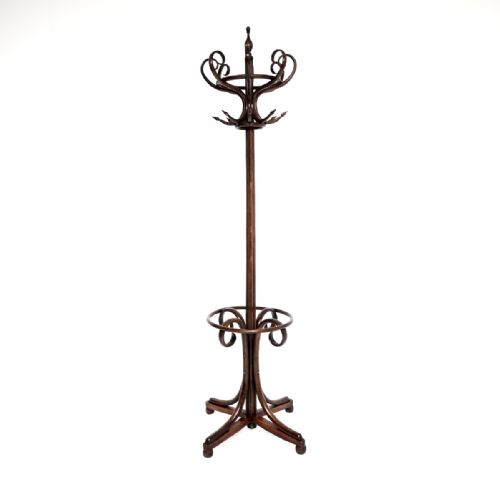
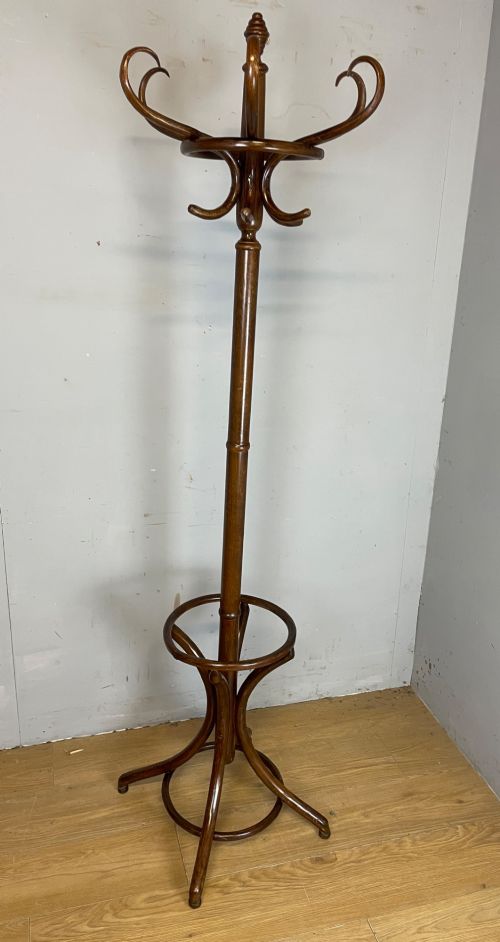
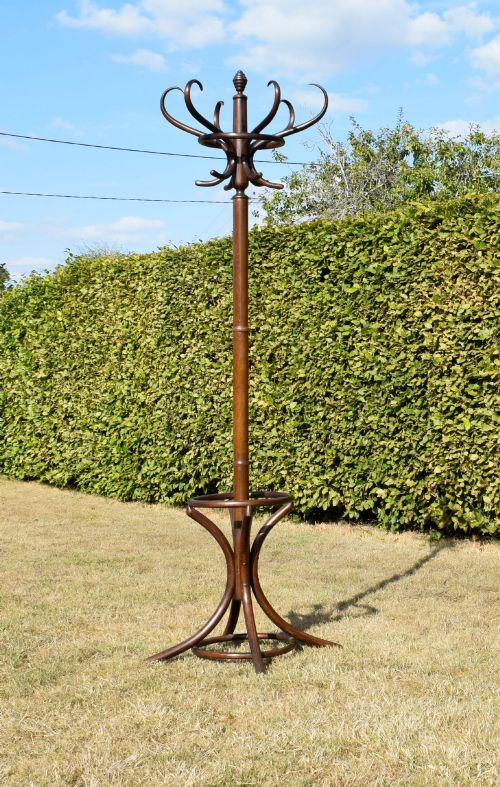
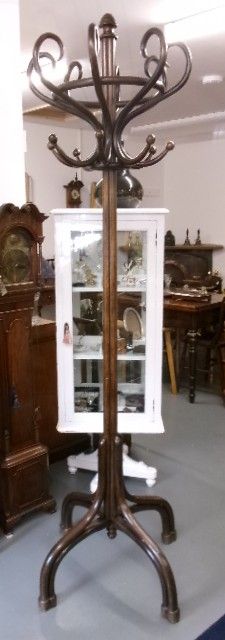
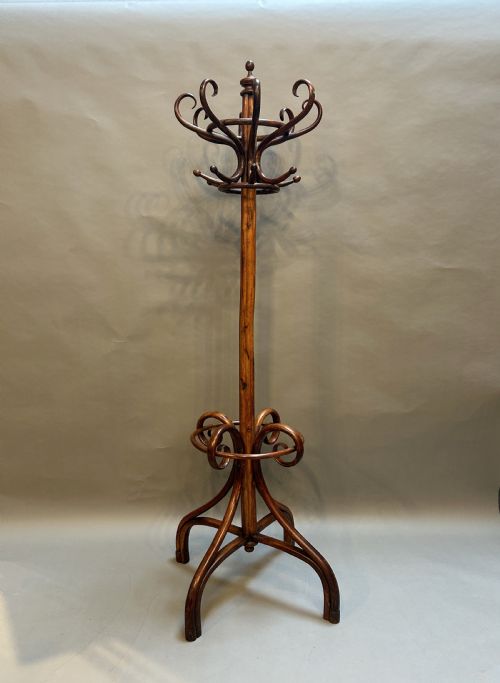
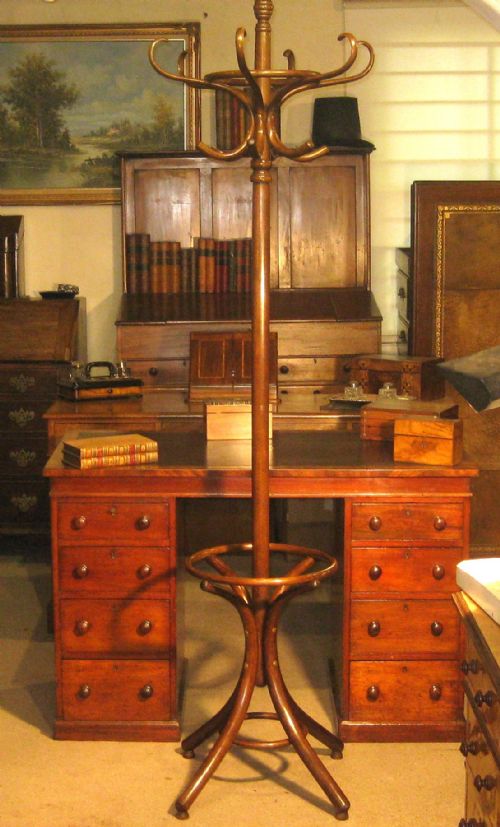
A beech coat rack serves as a functional piece of hallway furniture designed to organise hats, coats, and umbrellas. When searching for a beech coat rack, buyers encounter a variety of tall floor-standing hat stands, hall stands, and wall-mounted pieces. These items appear across multiple periods including the Victorian era, the Edwardian period, and the early twentieth century.
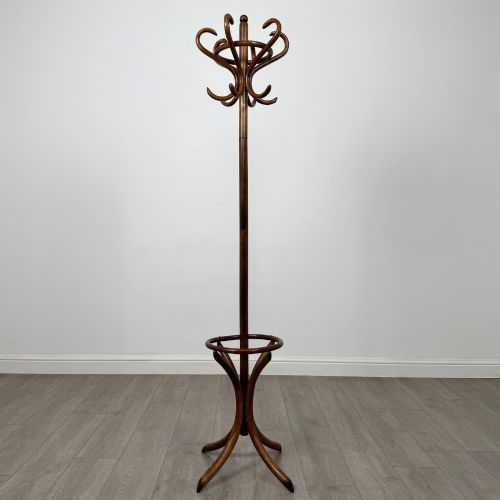
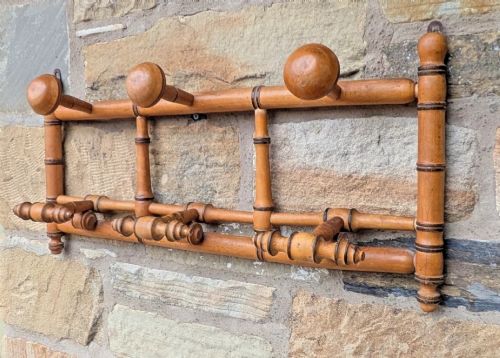
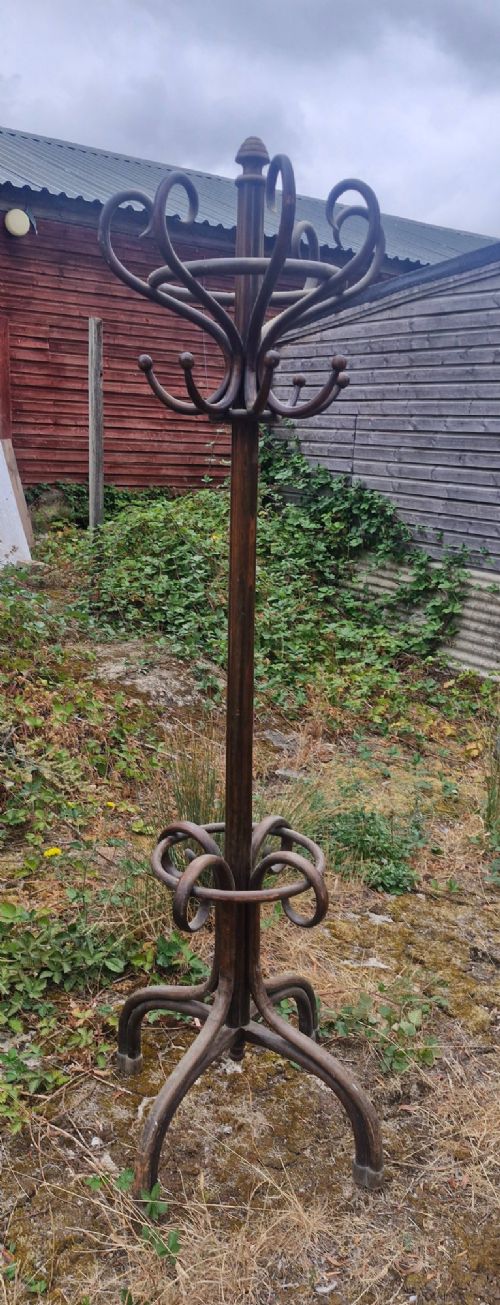
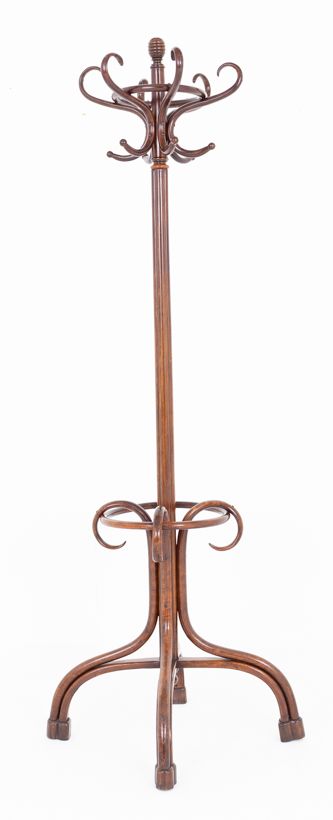
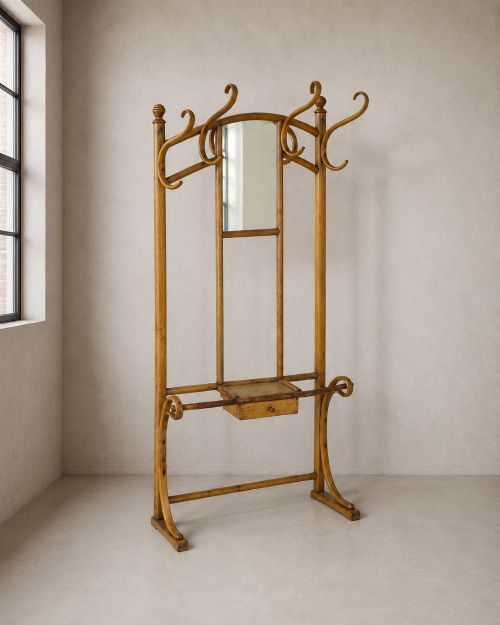
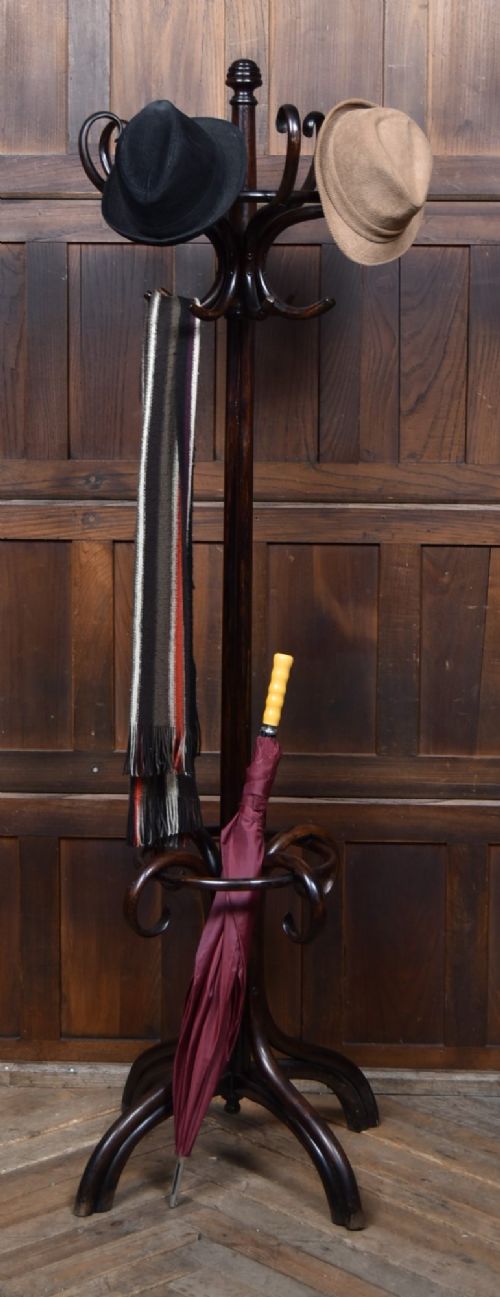
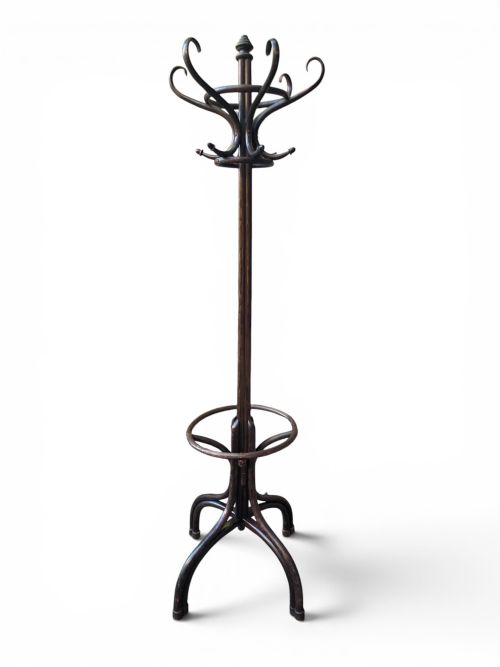
Floor-standing bentwood designs dominate the selection available on this page. These vertical structures often feature multiple curved hooks at the top and ring attachments below for walking sticks or umbrellas. Wall-mounted racks and folding hallway versions also emerge from the archive and current listings.
Construction and Materials
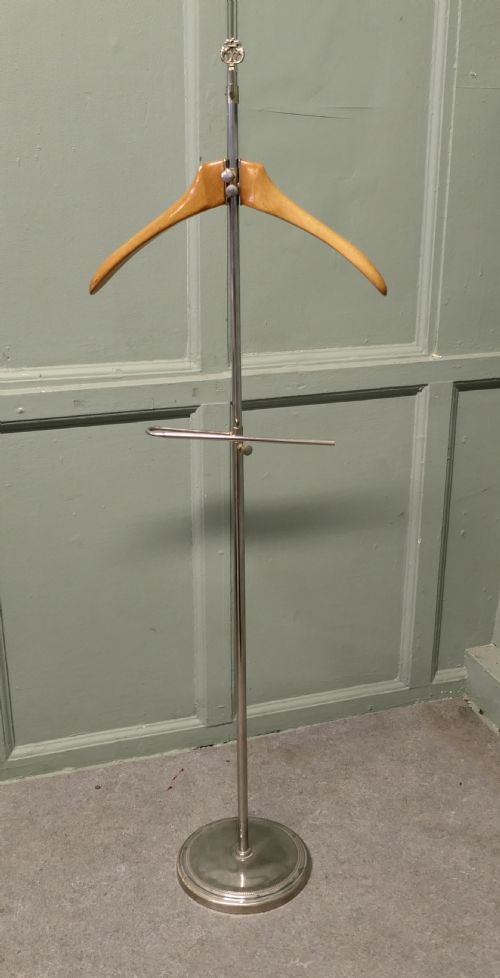
Makers utilised solid beech and beechwood for its sturdy grain and receptiveness to steam-bending techniques. The bentwood method involved applying moisture and heat to shape lengths of wood into flowing circular crowns and graceful arches. Metal components and chrome elements occasionally supplement the wooden structures on valet stands and specific hanging fixtures.
Listings feature beech coat racks spanning the Victorian era, the Edwardian period, and the early twentieth century up to the 1930s.
Assessing Quality and Design
Quality rests upon the integrity of the steam-bent wooden components and the firmness of the upright frame. Pieces with robust double tops or revolving sections demonstrate superior structural ambition during construction. Heavier builds indicate denser timber selection and sturdier joinery at the base.
The finish of the wood alters the overall visual weight, ranging from honey-coloured tones to deeper patinas developed over decades of use. The presence of original hardware and intact umbrella rings distinguishes better preserved examples.
Thonet
The Beech Coat Rack Glossary
- Bentwood
- Wood shaped by applying steam and pressure to create curves. This technique defines the majority of nineteenth and twentieth-century coat stands.
- Hall Stand
- A piece of hallway furniture combining coat hooks, a hat rack, and umbrella storage. Many variations incorporate mirror panels or glove boxes.
- Valet Stand
- A freestanding piece designed to hold a gentleman's suit, trousers, and accessories. These frequently combine beech frames with chrome or metal fixtures.
- Turned Wood
- Wood shaped on a lathe to create symmetrical decorative profiles along upright columns or pegs. This method adds traditional detail to the structural frame.
Beech Coat Rack: Frequently Asked Questions
How do I date a bentwood coat stand?
Dating relies on stylistic markers, construction methods, and maker stamps where present. Victorian and Edwardian examples often display specific joining techniques and hardware associated with early production.
Later pieces from the 1920s and 1930s exhibit slight shifts in proportions and crown designs. Comparing the curvature and the base construction helps narrow down the decade of manufacture.
Are these coat racks sturdy enough for heavy winter coats?
Solid beech possesses natural strength capable of supporting heavy garments and wet coats. Floor-standing designs distribute weight evenly across wide circular bases.
Heavier quality models remain particularly stable when loaded with multiple hats and coats. Wall-standing versions require secure fixing to appropriate wall surfaces for optimal load-bearing.
What is the difference between a coat stand and a hall stand?
A coat stand focuses primarily on vertical hanging space for hats, coats, and umbrellas using a central pillar. These pieces have a smaller footprint and an open framework.
A hall stand often includes a wider backboard, umbrella wells, and sometimes a small shelf or mirror. They offer a more substantial presence in an entrance hall.
How should I care for vintage beech furniture?
Maintain the wood by dusting regularly with a soft, dry cloth. Avoid placing the piece in direct sunlight or near extreme heat sources to prevent the beech from drying out.
Periodically applying appropriate wax polish preserves the honey-coloured tones and lustre of the timber. Check base fixings occasionally to ensure stability remains firm.