


Beaded Gilt Framed Mirror
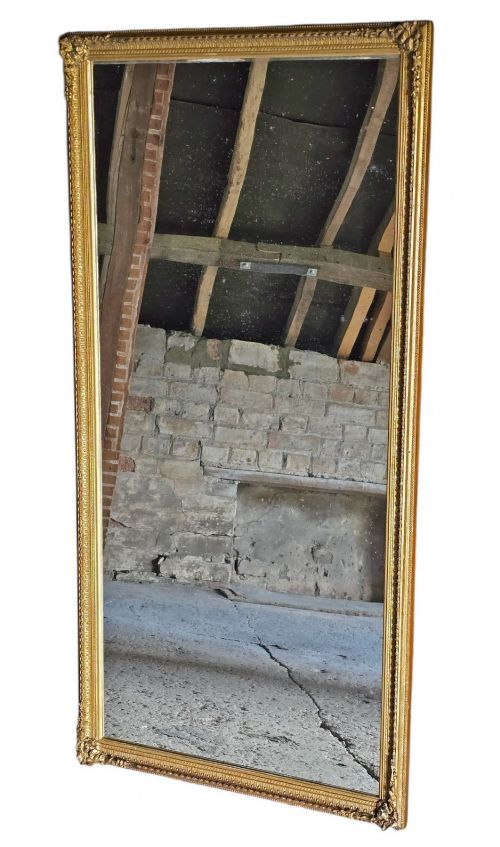
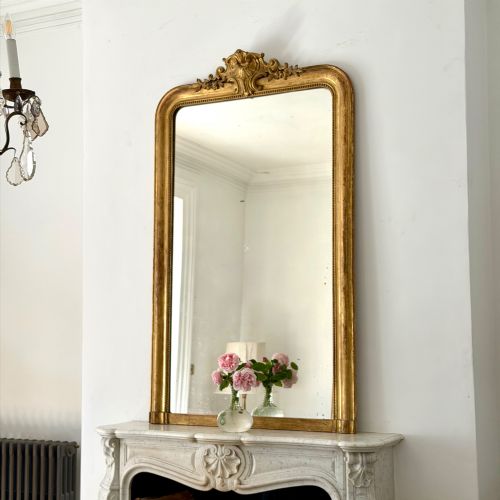
When you search for a beaded gilt framed mirror, you are looking at nineteenth-century wall and overmantel pieces finished in gold.
Beaded Gilt Framed Mirror
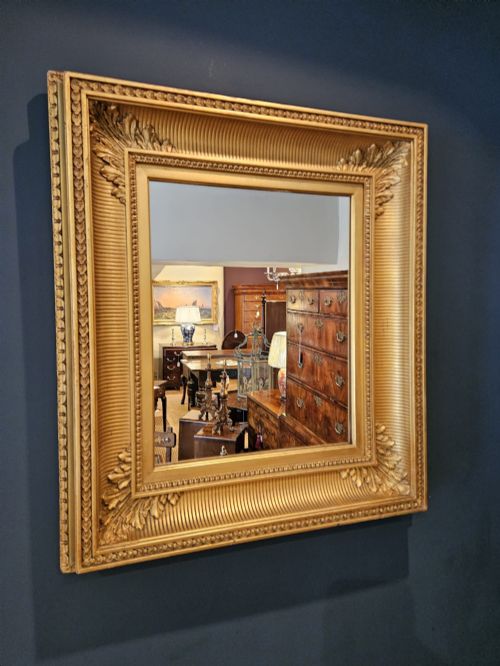
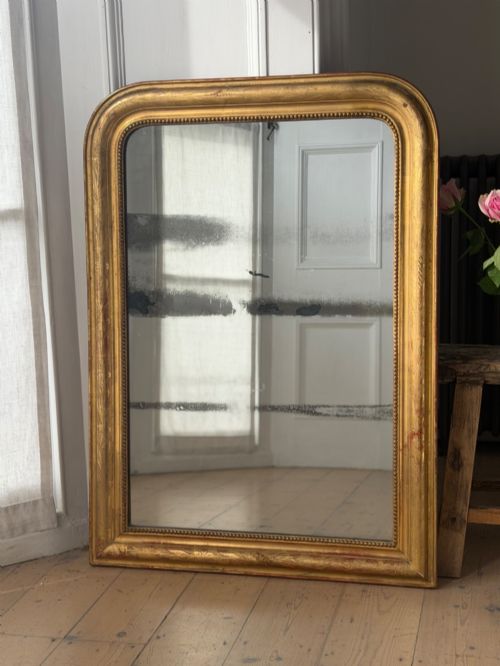
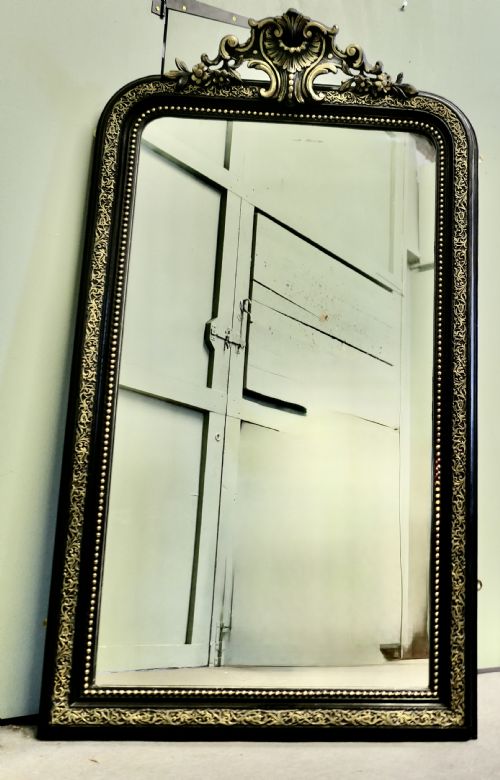
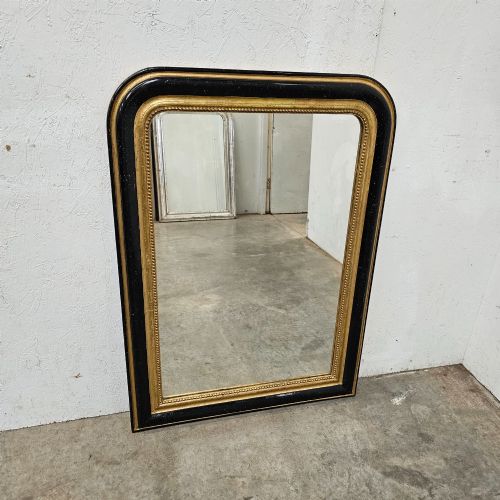
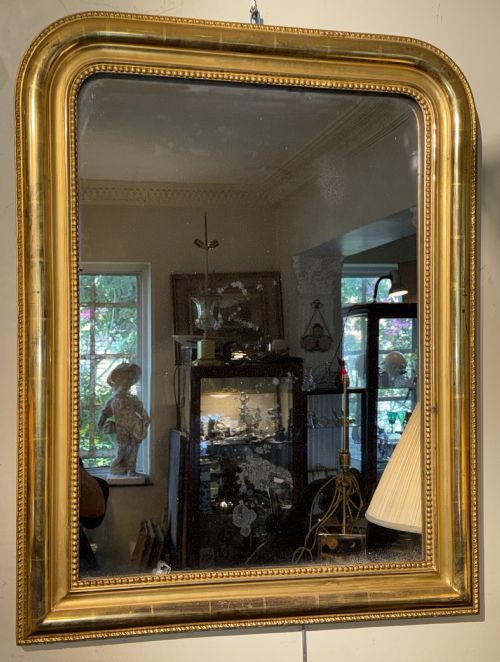
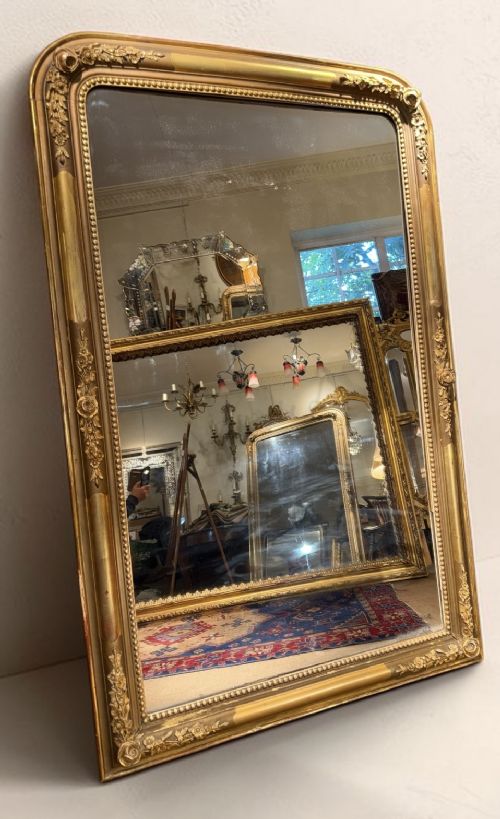
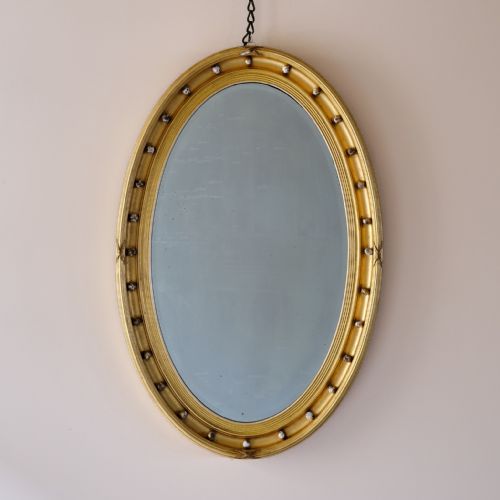
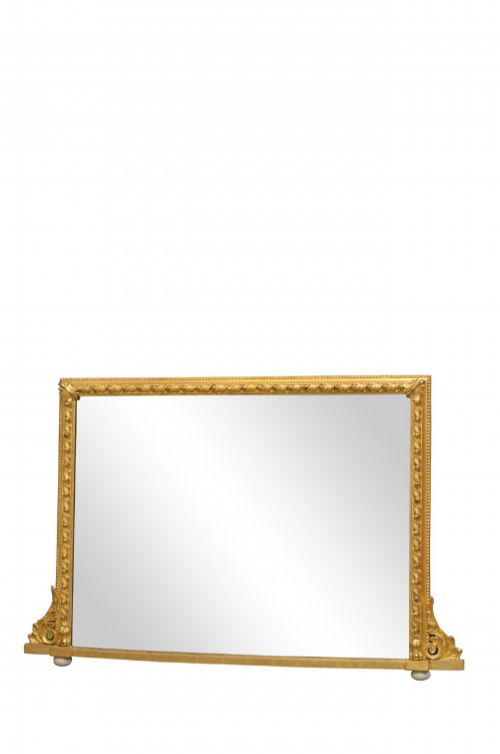
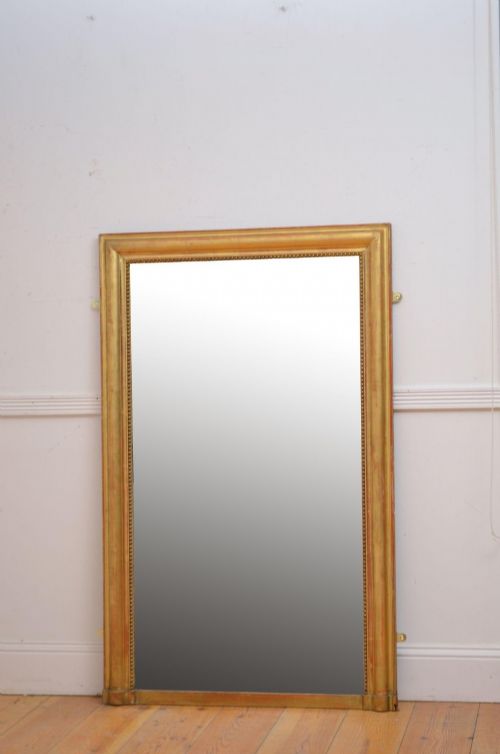
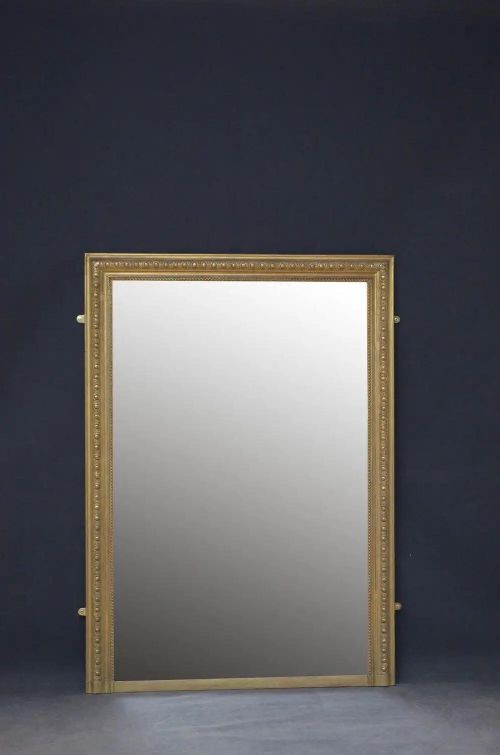
A beaded gilt framed mirror combines reflective glass with a gilded timber or composite frame, frequently detailed with small circular beads along the inner or outer moulding. These pieces appear as large overmantels, tall pier mirrors, and compact wall or oval formats originating from Victorian, Georgian, Regency, and French Louis Philippe periods.
The version most commonly met on this page is the nineteenth-century overmantel or wall mirror, often featuring carved wooden elements or moulded gesso finished in gold leaf or gilt paint. Many examples incorporate floral embossing, acanthus leaf decoration, or cushion frames designed to hang above a mantelpiece or anchor a principal room.
Makers and workshops across England and France produced these items in various proportions, ranging from grand scale circular frames to miniature oval pairs. The combination of mercury glass or later mirror plates with heavily decorated gilt surrounds defines the category across multiple decades.
How they were made
Makers constructed the foundation frames from carved wood or built up intricate surface details using gesso and composition applied over a wooden base. Artisans then laid gold leaf or applied gilt coatings onto the prepared surfaces to achieve the characteristic metallic sheen.
Glass plates were traditionally silvered using mercury techniques in earlier pieces, while later examples adopted modern silvering methods. The distinctive beaded rows were either carved directly into the timber or moulded in composition before gilding took place.
Listings feature pieces spanning from the Georgian era through the Victorian period and into early twentieth-century revivals.
What varies in quality
Quality rests in the crispness of the carving and the depth of the gilding, where hand-carved wooden frames display sharper detail than heavily moulded composition pieces. The preservation of the original gold leaf surface and the character of the glass plate also distinguish superior examples.
Structural integrity of the heavy wooden frame and the retention of original decorative elements, such as floral embossing and delicate beadwork, separate standard production from finer craftsmanship.
The Beaded Gilt Framed Mirror Glossary
- Giltwood
- Wood that has been coated with gold leaf or gilt finish. This material forms the primary structure of many traditional frames.
- Gesso
- A plaster-like mixture applied to wood frames to create smooth surfaces for carving or moulding details. It is frequently found beneath gold leaf layers.
- Overmantel mirror
- A large mirror specifically designed to be hung above a fireplace mantel. These pieces often feature landscape proportions and architectural styling.
- Mercury glass
- An early type of mirror glass produced by pouring a mercury amalgam behind the glass plate. It creates a dark, mottled reflection known as foxing.
- Composition
- A moulded mixture of whiting, resin, and glue pressed into decorative shapes. It allowed makers to produce repeating ornamentation like bead runs efficiently.
Beaded Gilt Framed Mirror: Frequently Asked Questions
How do I hang a heavy overmantel mirror safely?
Large overmantel mirrors carry substantial weight from their wooden frames and glass plates. Secure wall fixings must anchor directly into wall studs or masonry rather than plaster alone.
Professional mirror hangers utilise heavy-duty brackets distributed evenly across the frame width to support the vertical load securely.
What is foxed glass on an antique mirror?
Foxing refers to the speckled dark spots and irregular patches that develop behind older mirror plates over time. This chemical ageing process occurs as air reaches the silvering layer.
Many collectors value original foxed mercury glass because it confirms the genuine antique age of the mirror plate.
Can I place a gilt mirror in a bathroom?
Giltwood and gesso frames react poorly to high humidity and direct moisture exposure. Steam causes composition ornament to soften and gold leaf to lift.
Dry interior rooms with stable temperatures provide the best environment for preserving delicate gilded finishes.
How do I clean a gilded and beaded frame?
Dust accumulates within the small recesses of beaded mouldings and carved foliage over decades. Use a soft, dry artist brush to gently sweep away loose particles.
Water, chemical sprays, and abrasive cloths must be avoided entirely to prevent permanent damage to the delicate gold leaf surface.