

Beaded Mirror
A beaded antique mirror brings refined reflection and intricate detail to a room, drawing the eye with its textured border.
Beaded Mirror
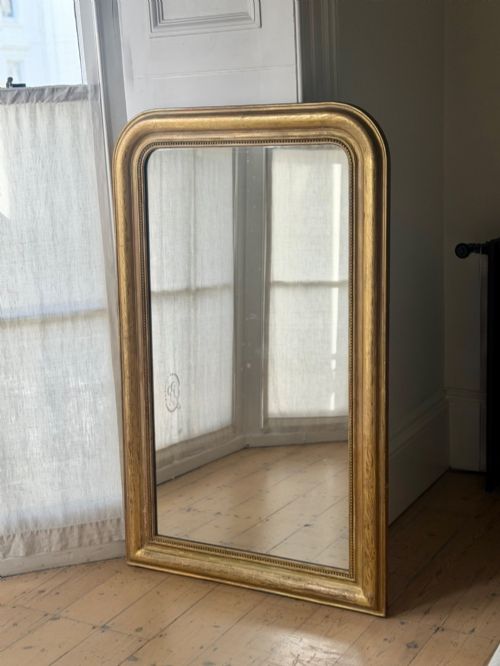
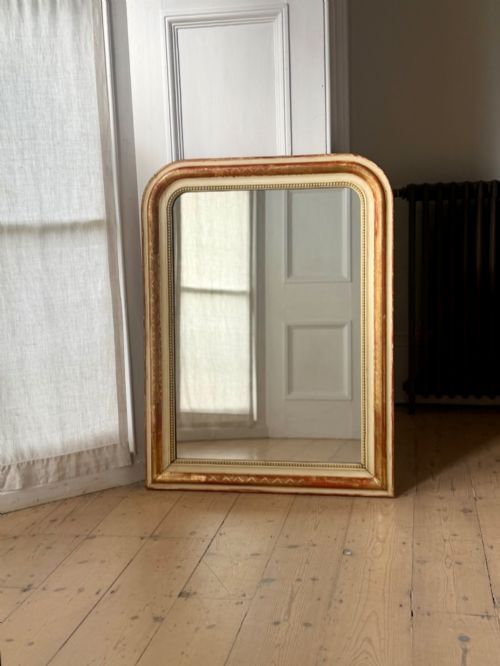
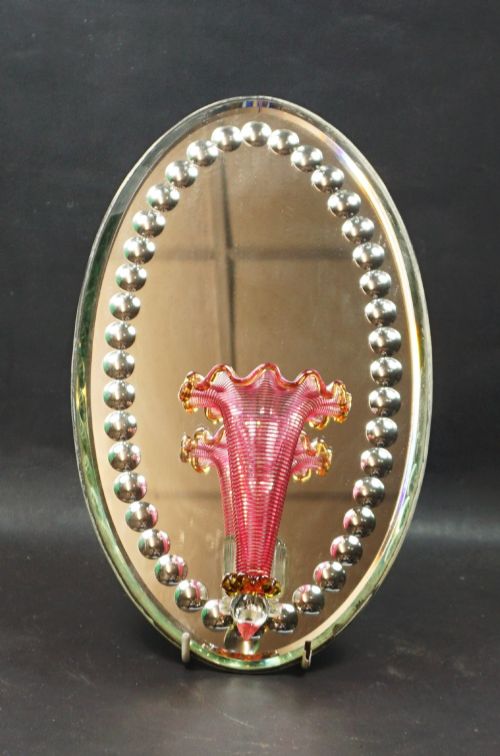
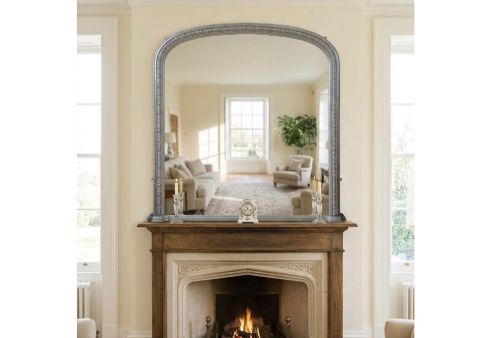
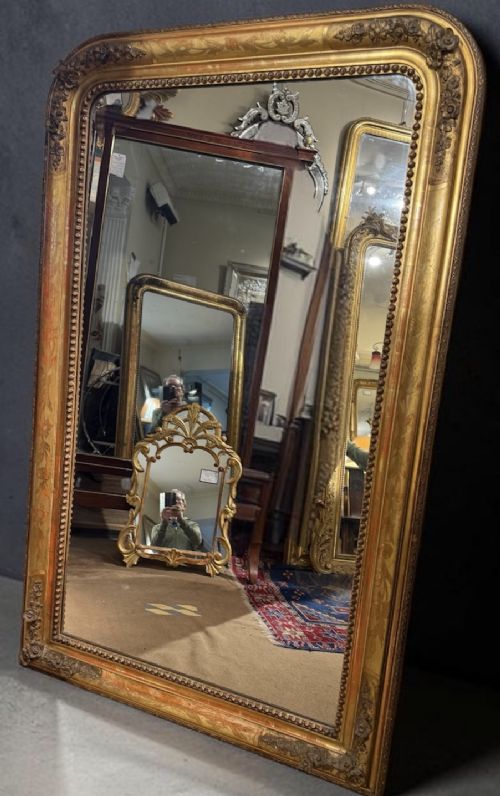
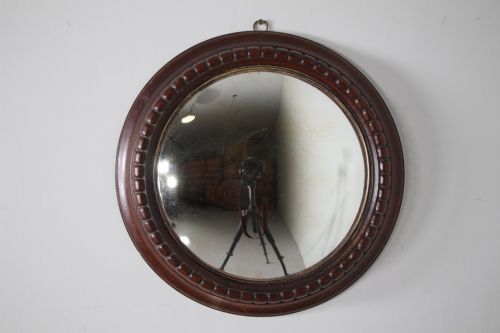
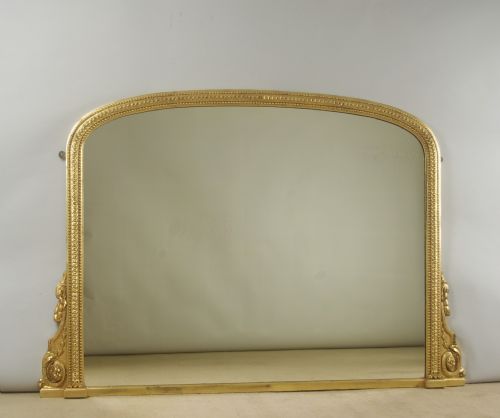
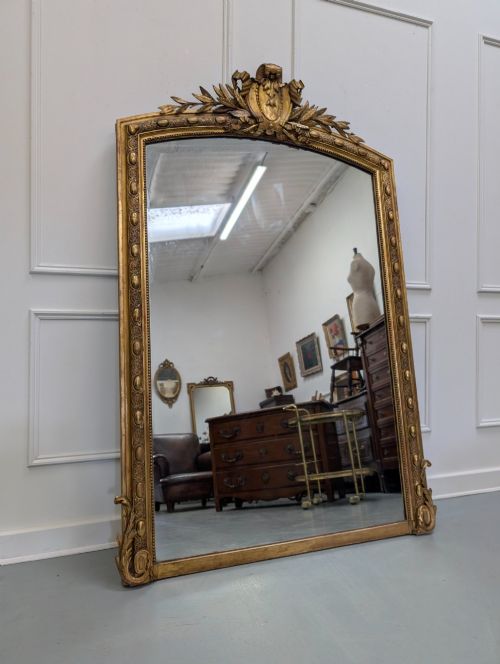
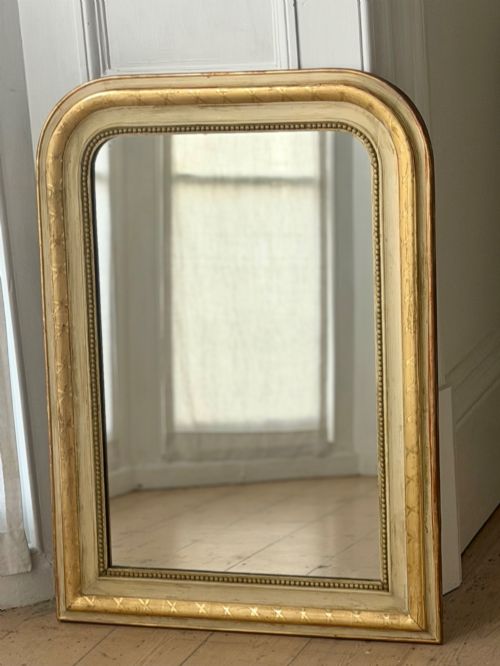
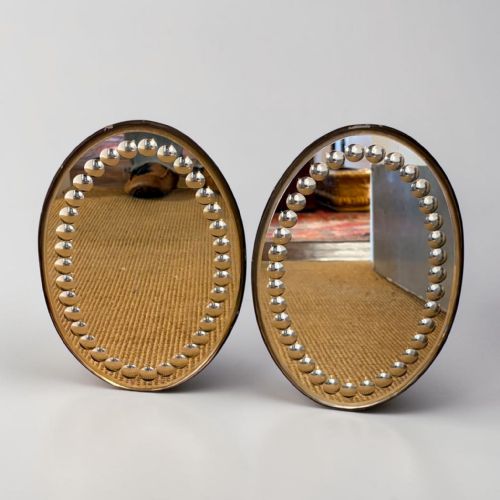
A beaded antique mirror is a reflective glass panel housed within a decorative frame characterised by small, bead-like ornamentation along the moulding. When you search for a beaded antique mirror, you encounter wall hung pieces, large overmantels, and dressing mirrors originating mostly from the nineteenth century and the early decades of the twentieth century.
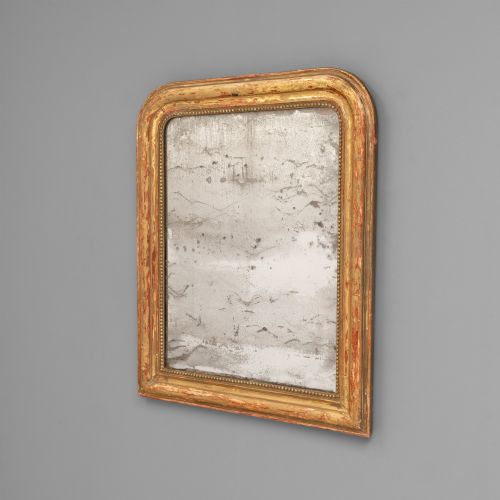
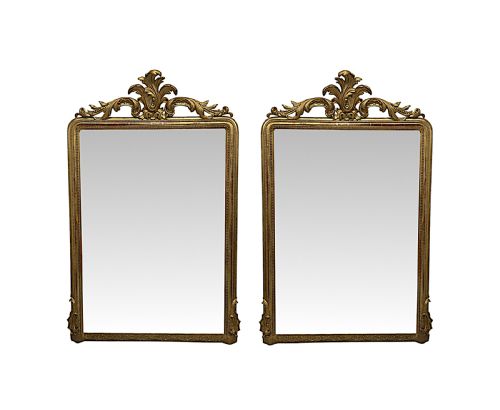
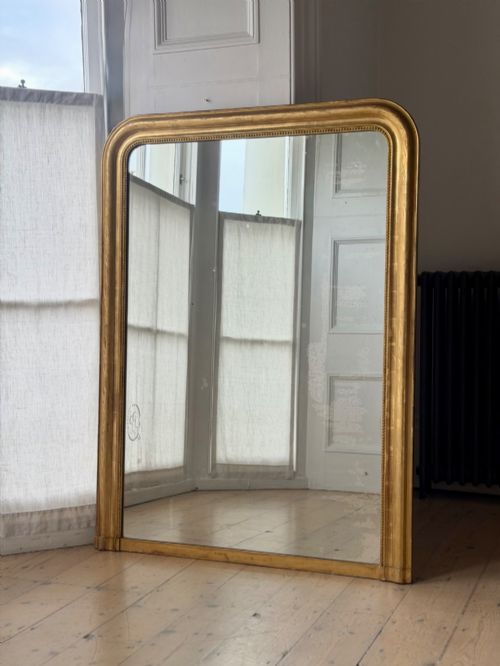
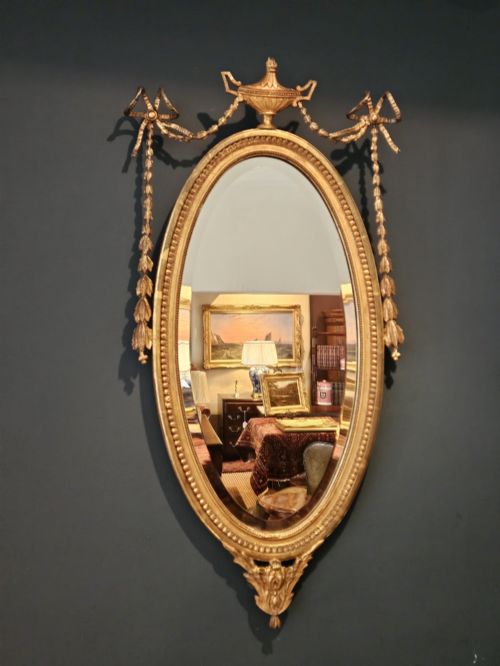
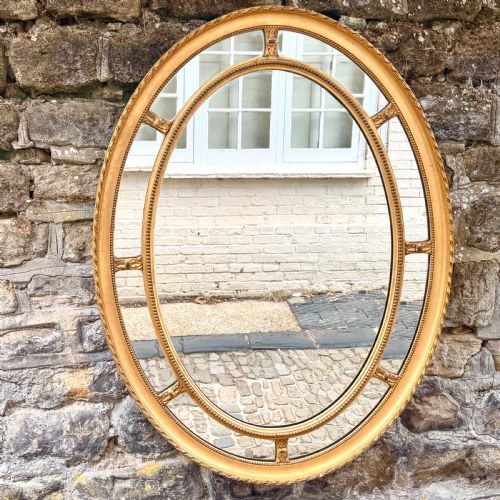
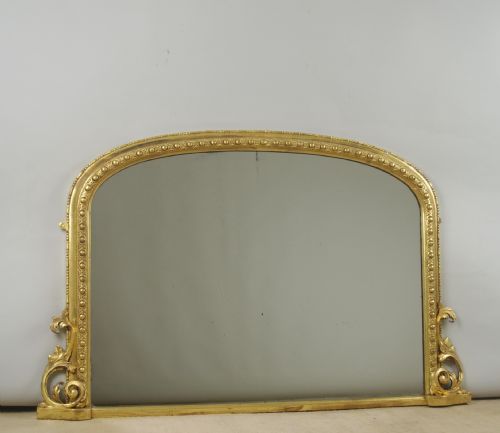
The versions most common on this page are nineteenth century giltwood and gesso overmantel mirrors and wall mirrors shaped in the Victorian and Louis Philippe styles. These pieces combine functional glass with ornamental frames designed to catch the light in a drawing room or above a fireplace.
How they were made
Carved wood and moulded gesso form the foundation of many frames, providing the substrate for subsequent layers of gold leaf or silver leaf applied by hand. Composition material is also pressed into moulds to shape repetitive decorative elements such as beaded borders.
Mirrors utilise traditional glass plates, some retaining foxed mercury glass or original silvering that displays characteristic age spots. Frames are constructed from timber including oak and kingwood alongside giltwood applications.
Beaded Mirror Retail Price Guide 2026
Typical asking prices for beaded mirror among the pieces listed under this phrase on Sellingantiques today, from the lower quarter to the upper quarter. They describe what is for sale here now, not the wider market.
Listings feature eighteenth and nineteenth century periods alongside Edwardian and Georgian eras, executed in giltwood, oak, and brass.
What varies in quality
Quality reveals itself in the crispness of the carved detail and the depth of the gilding applied over the gesso base. Hand carved wooden frames with well defined beaded runs sit apart from simpler moulded composition pieces.
The integrity of the mirror plate itself contributes heavily to the character of the object. Original mercury glass with even foxing holds different appeal compared to replacement glass plates.
The Beaded Mirror Glossary
- Gesso
- A plaster mixture applied to wood frames as a smooth base for gilding. It allows craftsmen to carve or mould intricate decorative details.
- Mercury glass
- A type of double walled glass blown in the nineteenth century with a silvering solution inserted between the layers. It creates a distinctive mottled reflection.
- Overmantel mirror
- A large mirror designed to hang specifically above a fireplace mantelpiece. These pieces often feature wide proportions to span the width of the hearth.
- Trumeau mirror
- A decorative wall mirror incorporating a painted panel or artwork above the glass plate. Originating in France, these pieces integrate wall panelling design.
Beaded Mirror: Frequently Asked Questions
Where should I hang a large overmantel mirror?
These mirrors suit placement directly above a fireplace mantelpiece, where they reflect light and room proportions effectively.
Ensure secure wall fixings support the considerable weight of nineteenth century timber and gesso frames.
How do I identify a nineteenth century frame?
Examine the construction joints, the type of gesso used beneath the gilding, and the backing boards if accessible. Nineteenth century pieces often display hand applied gold leaf and traditional timber shrinkage.
Signs of age on the mirror plate, such as foxing or dark spots, also point toward older manufacture.
Can I replace a damaged mirror plate?
Glaziers can fit new glass into antique frames, though retaining the original plate preserves historical authenticity. Many collectors accept foxed or aged glass as part of the piece's character.
Consider whether the existing glass offers sufficient reflection before undertaking any replacement.
How do I clean an antique gilt frame?
Dust the frame gently with a soft, dry brush to remove surface particles without disturbing the delicate gold leaf or gesso. Avoid liquid cleaners and chemical solvents entirely.
Moisture can damage old composition ornament and lift historic gilding from its wood base.