
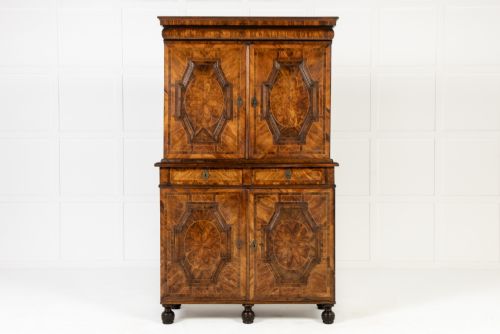


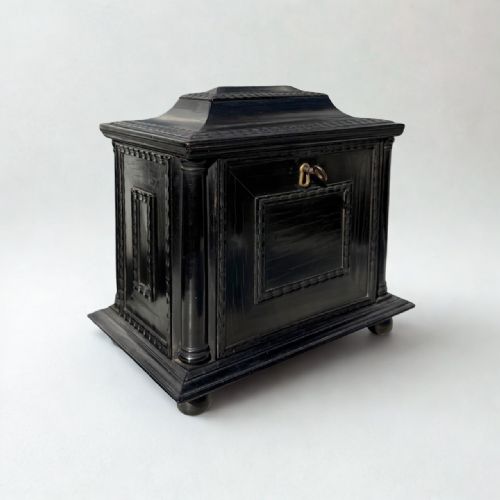
Baroque Wooden Cabinet
A baroque wooden cabinet brings intense architectural depth and rich regional character into a room.
Baroque Wooden Cabinet
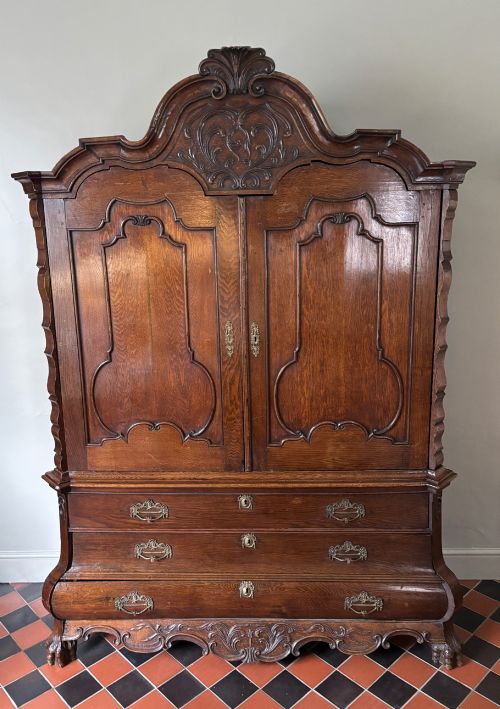
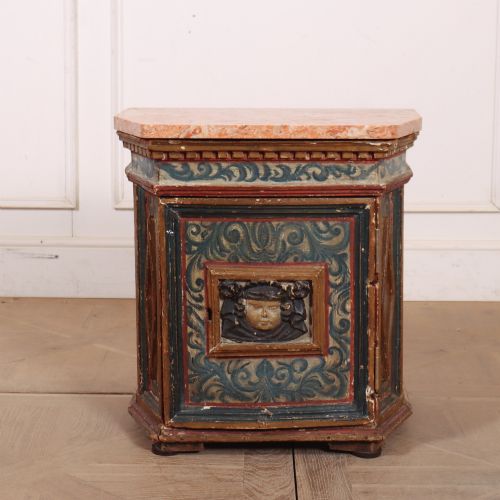
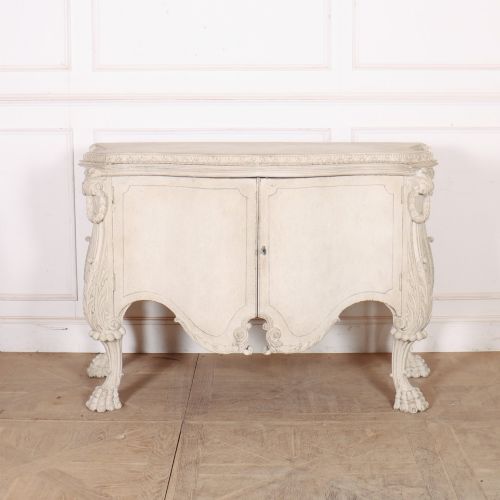
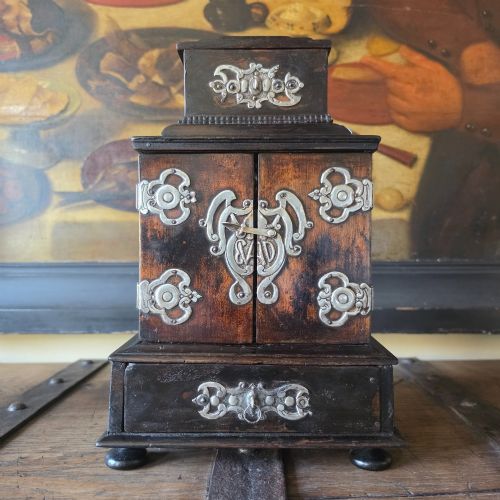
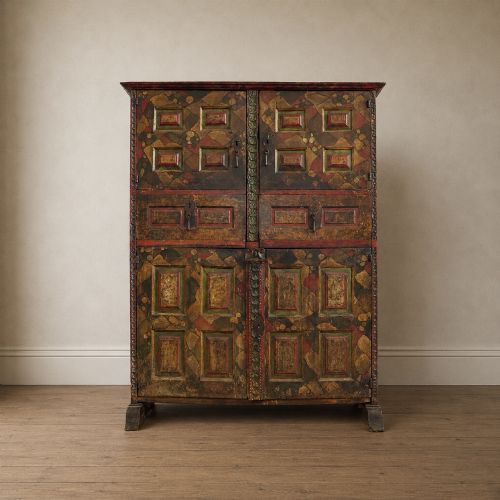
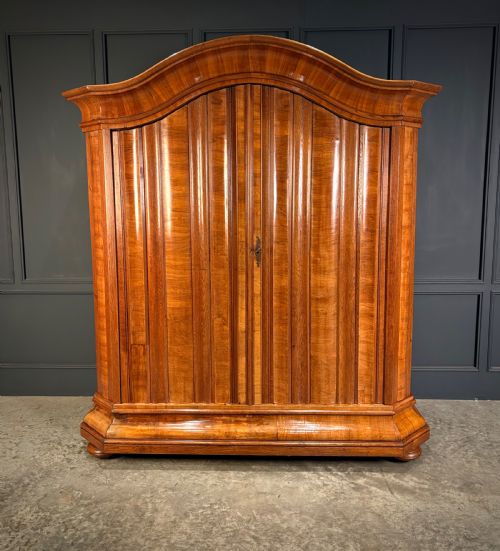
A baroque wooden cabinet encompasses grand case furniture originating from seventeenth and eighteenth century workshops across continental Europe. You encounter forms ranging from floor-standing armoires and linen cupboards to intricate table cabinets and stands.
The selection reflects distinct regional schools, including Italian, Dutch, Flemish, German, and Spanish manifestations. These pieces served practical storage functions while displaying status through elaborate construction.
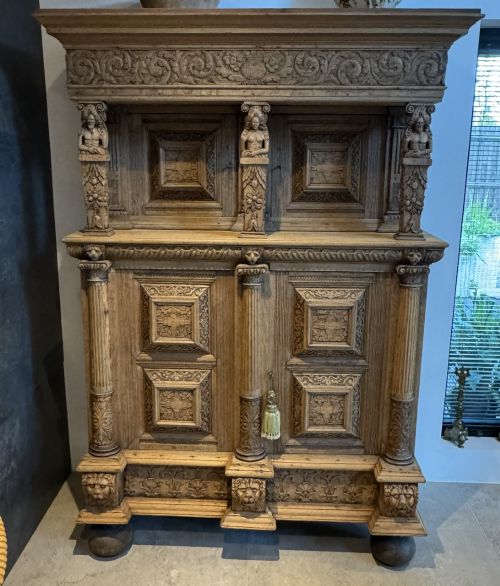
Makers utilised architectural elements such as columns, pediments, and tabernacle structures to give large case pieces monumental presence.
Materials and Construction
Carpenters constructed these carcases using substantial timbers including walnut, oak, fruitwood, and olive wood. Master cabinetmakers applied decorative veneers such as kingwood and ebony to create striking exterior surfaces.
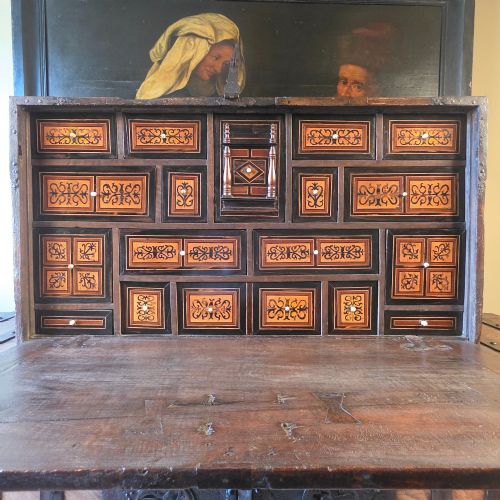
Marquetry and parquetry techniques introduced contrasting botanical tones and geometric patterns across drawer fronts and panel doors. Craftsmen incorporated specialised elements like boxwood, ivory, and polychrome paint alongside forged iron and brass hardware.
Distinctions in Quality
Quality rests in the precision of the joinery and the ambition of the surface decoration, from simple moulded panels to complex seaweed marquetry and oyster veneer. The choice of primary timber and the intricacy of inlay work dictate the refinement of the piece.
Original hardware, balanced proportions, and untouched surface patination separate standard regional storage pieces from elite cabinetwork produced for noble patrons.
The Baroque Wooden Cabinet Glossary
- Marquetry
- The art of forming decorative patterns by fitting together small pieces of wood veneer. This technique frequently employs contrasting timbers to depict floral or geometric motifs.
- Oyster veneer
- Slices of wood cut transversely across small branches to reveal circular growth rings. Cabinetmakers arranged these to resemble oyster shells across primary surfaces.
- Parquetry
- Geometric mosaic woodwork used for covering floors or furniture surfaces. Unlike marquetry, it relies on strict angular geometries.
- Cabinet on stand
- A freestanding storage compartment raised on an integrated or matching leg frame. This form elevates the primary writing or display space for visual impact.
- Escritoire
- A small writing desk fitted with drawers and compartments. These often feature architectural tabernacle interiors designed for correspondence.
Baroque Wooden Cabinet: Frequently Asked Questions
How do I identify a seventeenth century piece?
Seventeenth century pieces often display heavier architectural mouldings, simpler structural lines, and dense native timbers like oak and walnut. Look for construction methods utilising hand- cut joinery and early iron hardware.
Regional differences also help determine origin, as Dutch and Flemish workshops favoured different veneer treatments compared to Italian or Spanish cabinetmakers.
Where should I place a cabinet on stand?
These elevated pieces suit spaces where floor area is modest but vertical presence is desired. They function well as focal points against plain walls.
Keep them away from direct sunlight and sudden temperature shifts to protect the historical veneers and polished wooden surfaces.
What is seaweed marquetry?
Seaweed marquetry is a complex form of inlay featuring intricate, seaweed-like scrolling patterns made from two contrasting wood veneers. It creates a dense, shimmering surface texture.
This technique appears predominantly on late seventeenth century walnut furniture.
How do Dutch and Italian styles differ?
Dutch examples often feature vibrant floral marquetry and bombe silhouettes designed for domestic storage. Italian pieces tend to emphasise monumental architectural structure and walnut grain.
Both traditions represent peak periods of European cabinetmaking craftsmanship.