




Baroque Upholstered Chair
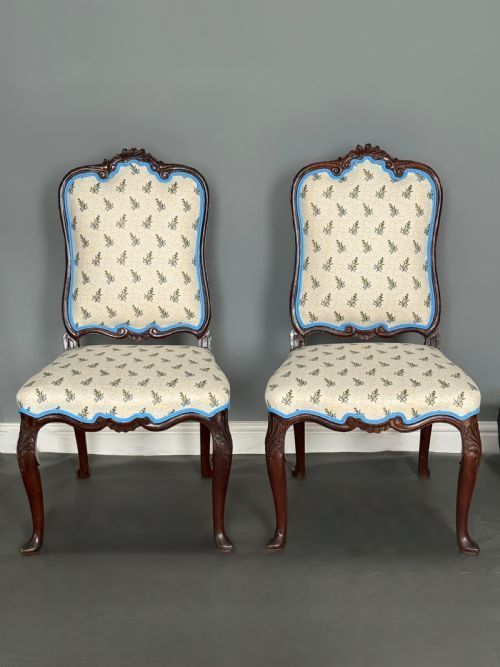
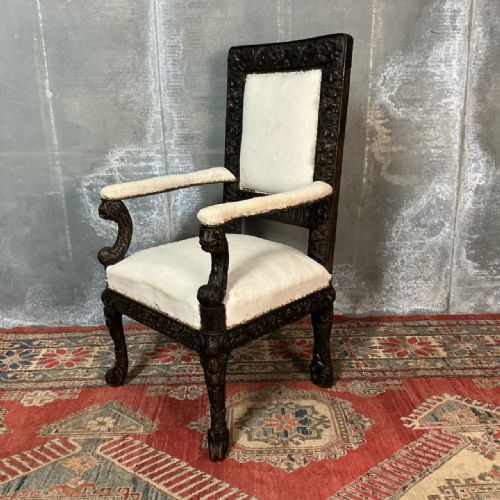
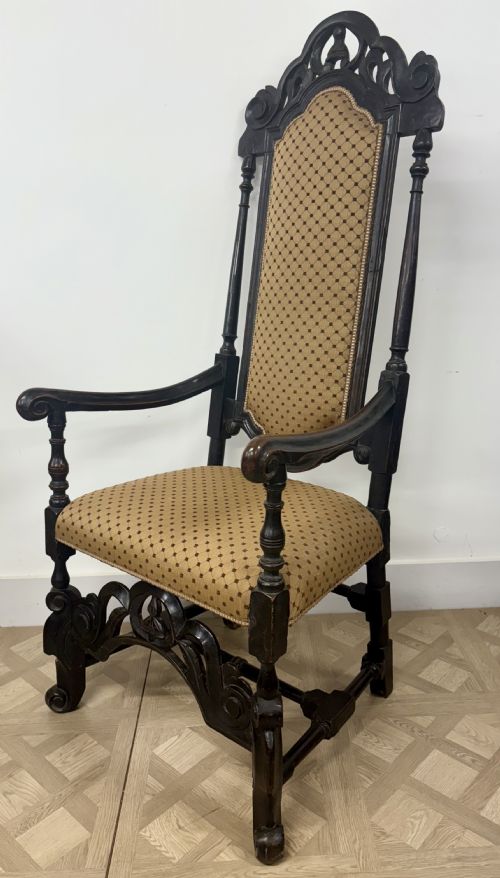
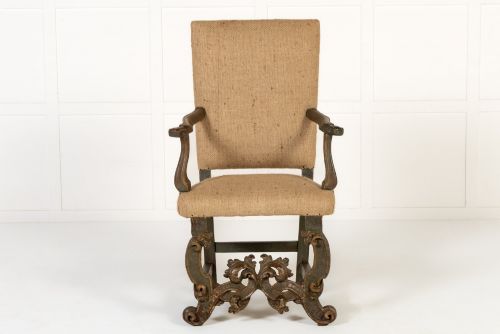
A baroque upholstered chair brings grand seventeenth and eighteenth-century presence to a room, combining carved timber frames with rich textile seats.
Baroque Upholstered Chair
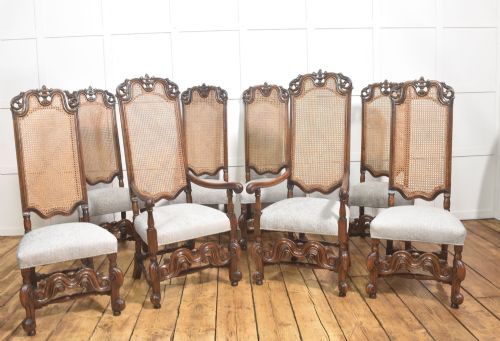
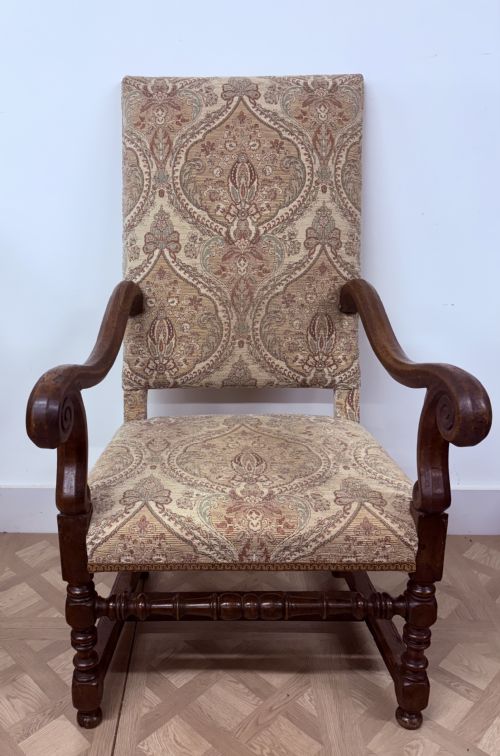
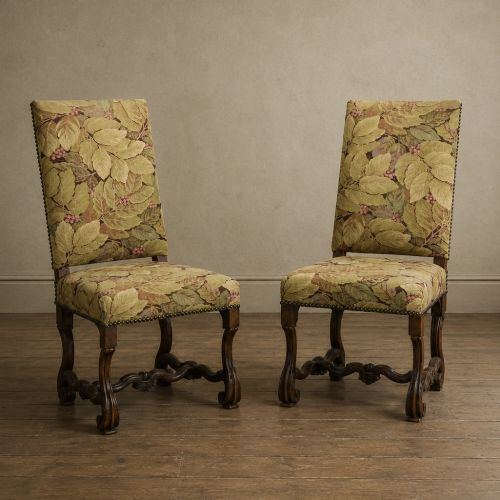
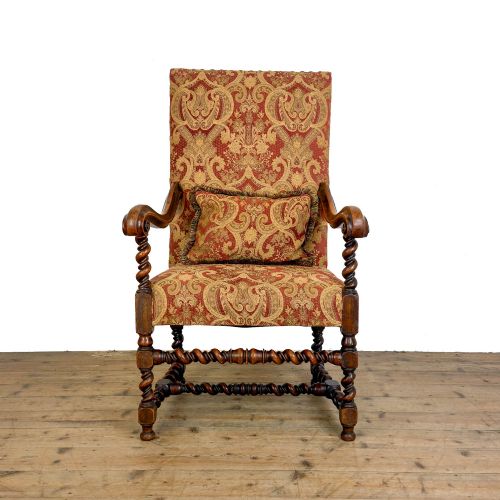
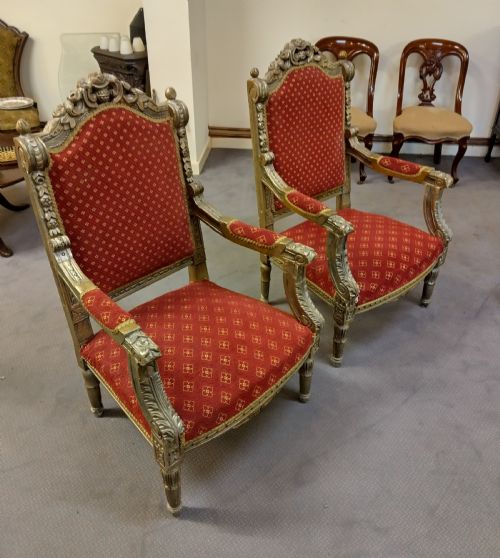
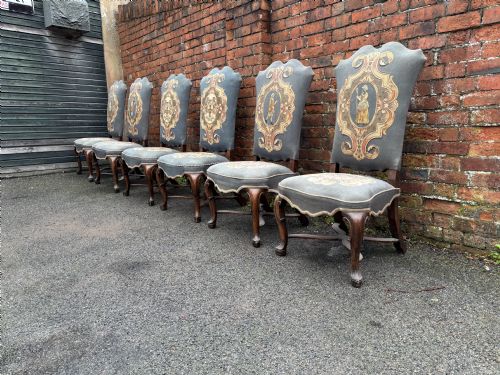
A baroque upholstered chair represents search phrases like baroque upholstered chair through stately forms including armchairs, elbow chairs, side chairs, and high-back dining sets spanning the seventeenth century up to twentieth-century revivals.
The selections encountered here most frequently include walnut and oak frames created in the nineteenth and twentieth centuries under Dutch, French, Italian, and English revivals.
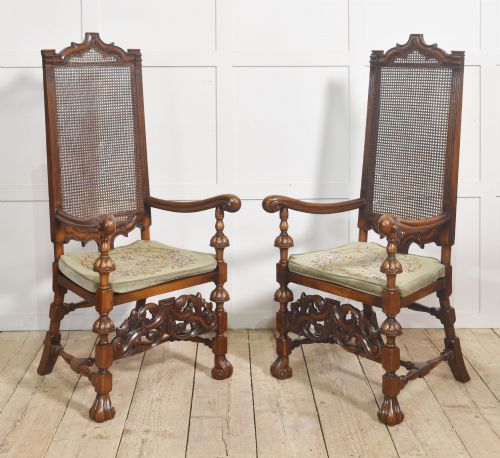
Makers and workshops produced these seating pieces in dining and open armchair configurations, often integrating cane panels or extensive needlepoint and textile coverings.
Framing and upholstery standards
Superior examples distinguish themselves through deep, crisp relief carving on the timber frame and the use of dense, high-grade hardwoods like solid walnut.
The distinction between standard and finer pieces lies also in the selection of period-appropriate textiles, such as hand-worked needlepoint or rich silk, paired with sound joinery.
Several chairs arrive with intricate needlepoint panels stitched by hands long forgotten, quietly outliving empires.
The Baroque Upholstered Chair Glossary
- Baroque revival
- A nineteenth-century design movement that copied seventeenth-century motifs, characterised by ornate scrolls, heavy carving, and theatrical proportions.
- Fauteuil
- An open-armed upholstered armchair originating in France, featuring exposed wooden framing around the back and seat.
- Needlepoint
- A type of counted thread embroidery traditionally used to cover the seats and backs of formal historic chairs.
- Cane
- Woven rattan or split plant material used to form light, patterned panels for chair backs and seats.
- Elbow chair
- An alternative term for an armchair, denoting seating fitted with supportive armrests for the user.
Baroque Upholstered Chair: Frequently Asked Questions
How do I identify a true period piece?
Examine the timber construction, joinery methods, and wear patterns on the frame to differentiate seventeenth and eighteenth-century originals from later nineteenth-century revival interpretations.
Revival pieces often display machine-assisted elements or standardised timber preparations that differ from older hand-wrought methods.
Where should I place these chairs?
These commanding seats function effectively as focal points in studies, libraries, or drawing rooms where their carved silhouettes can stand clear of tight spaces.
Pairing them with neutral walls allows the intricate woodwork and textile coverings to draw the eye without visual competition.
How do I care for antique textiles?
Protect delicate silks, velvets, and needlepoint from direct sunlight to prevent fading and fibre degradation over time.
Vacuum upholstery gently using low suction with a specialised attachment to remove dust without stressing old threads.
Can I use these chairs daily?
Solid hardwood frames generally provide robust structural support for regular seating if the internal joinery remains tight and stable.
Older textiles require more delicate treatment, so frequent heavy use may necessitate protective throws or careful rotation among rooms.