


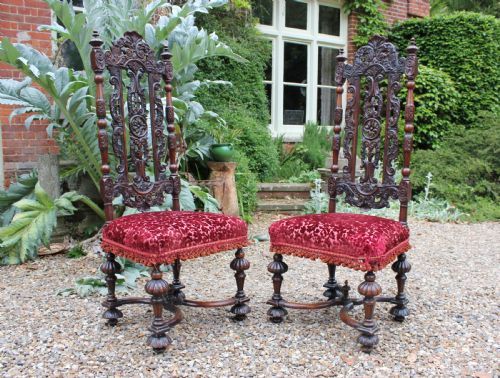


Baroque Style Side Chair
A baroque style side chair brings monumental presence and intricate carved detail to any room, offering serious historic character for the modern interior.
Baroque Style Side Chair
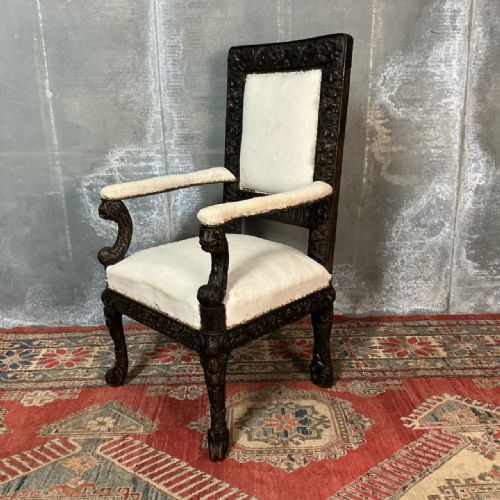
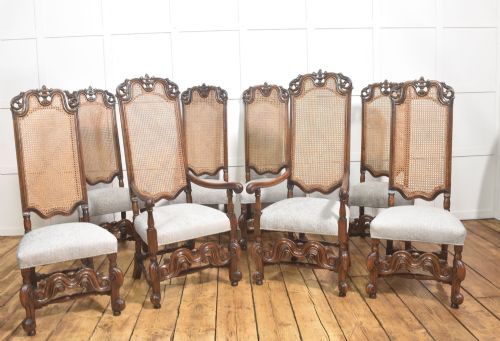
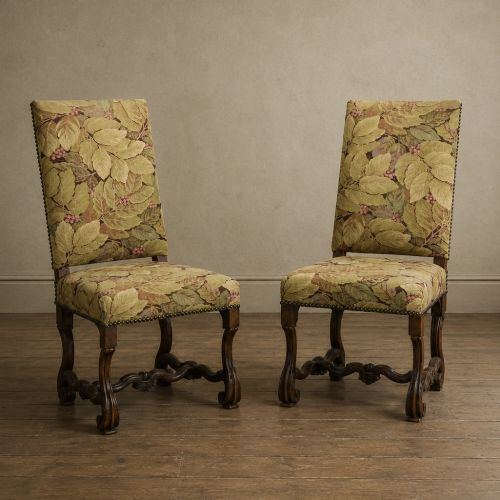
When you search for a baroque style side chair, you encounter a striking form defined by robust frames, soaring backs, and dynamic decorative carving. These seating pieces emerge primarily across the seventeenth, eighteenth, and nineteenth centuries, spanning genuine antique craftsmanship and later revival interpretations.
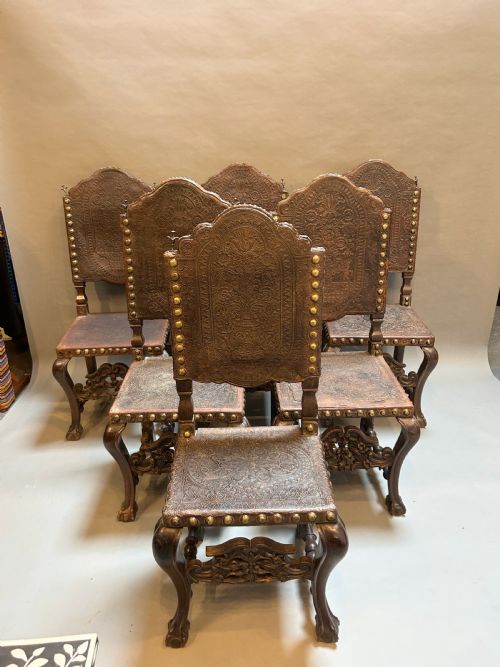
The versions you are most likely to meet on this page include walnut and oak constructions, frequently appearing in pairs or larger sets suitable for dining or hall use. Stylistic variations encompass regional expressions such as Spanish revival, Louis XIV influence, and Carolean design.
Many examples showcase high cane backs or rich upholstery in leather, velvet, and textile, reflecting the opulent domestic interiors of their original periods. Their compact footprint as side chairs makes them practical for placement against walls or around dining tables while maintaining a commanding visual weight.
Materials and construction methods
Carpenters relied heavily on dense hardwoods like walnut and oak to support the deep relief carving and structural demands of high-backed frames. These timbers provided the strength needed for pierced crest rails, barley twist or turned legs, and elaborate stretchers.
Surface treatments and seating elements incorporated canework, ebonising, and applied gilding alongside traditional upholstery fabrics and leather secured with brass tacks. Artisans joined these components using robust mortise and tenon techniques suited to heavy daily use.
High-backed dining chairs ensure diners sit upright with proper aristocratic posture, whether they wish to or not.
Distinguishing quality across examples
The distinction between standard examples and top-tier pieces lies in the crispness and depth of the woodcarving. Superior specimens display fluid, deeply undercut foliage and figures rather than shallow, mechanically uniform cuts.
Originality of components and surface patination heavily dictate overall merit. Chairs retaining their early canework, patinated walnut surfaces, or period upholstery fabrics hold greater integrity than heavily altered pieces.
The Baroque Style Side Chair Glossary
- Crest rail
- The top horizontal member of a chair back, frequently carved with scrolls, crests, or central motifs. This prominent feature often dictates the stylistic attribution of the piece.
- Stretcher
- A horizontal wooden brace connecting the legs of a chair to provide structural stability. In baroque seating, these are often elaborately turned or scroll-carved.
- Caning
- Woven rattan or split cane used to form resilient back panels or seat inserts. It lightens the visual mass of heavy wooden frames.
- Ebonisation
- A finishing process that stains light-coloured wood to resemble ebony. This technique was popular in revival periods to mimic high-status exotic materials.
Baroque Style Side Chair: Frequently Asked Questions
How were baroque style side chairs used originally?
These chairs served primarily as formal seating in grand halls, reception rooms, and around large dining tables. Their imposing heights and ornate backs projected status and wealth within domestic interiors.
Positioned against walls when not in use, they functioned as much as architectural decoration as practical furniture for daily gatherings.
How do I live with a baroque side chair?
Integrate a baroque side chair into a modern room as a striking accent piece in a hallway, bedroom, or living space. Its strong sculptural silhouette provides a sharp contrast to contemporary minimal furnishings.
Ensure the piece sits out of direct sunlight and away from heat sources to protect historic wood finishes, delicate cane, and traditional textiles.
How do I tell seventeenth century from revival pieces?
Examine the construction marks, tool signatures, and timber characteristics closely under good lighting. Seventeenth-century originals typically display hand-riven wood, pegged joints, and natural wear patterns accumulated over centuries.
Revival pieces from the nineteenth or early twentieth centuries often show mechanical saw marks, standardised turning, and timber seasoning consistent with later industrial output.
Why are cane backs common on these chairs?
Caning became fashionable during the late seventeenth century because it offered a lighter, more flexible alternative to solid wood panels while maintaining structural integrity. It allowed makers to construct soaring high backs without making the seating excessively heavy.
The woven pattern also introduced textural contrast against the heavily carved walnut or oak framework.