



Baroque Style Canvas Art
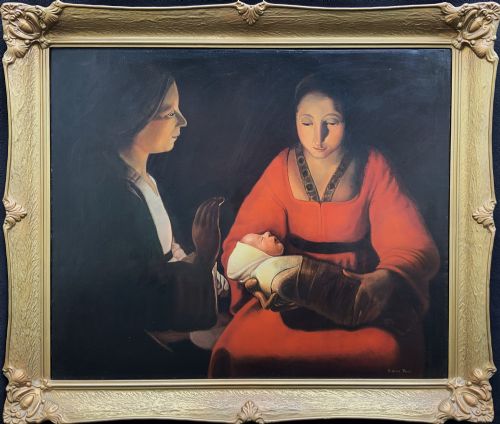
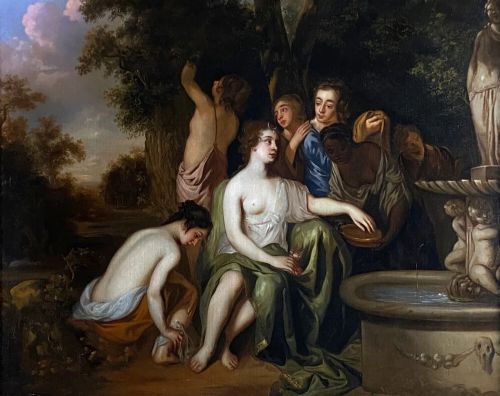
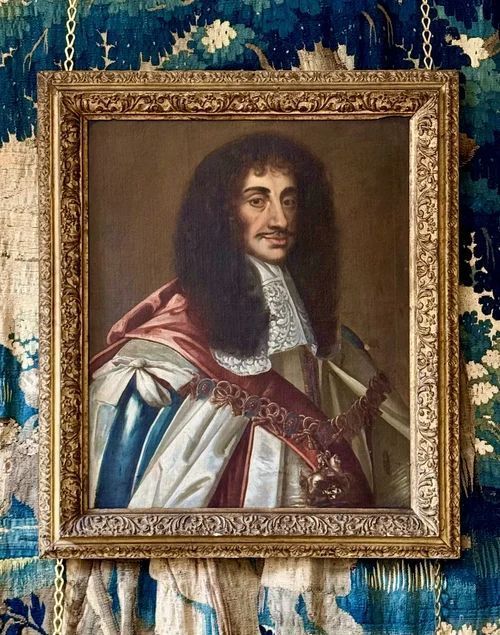
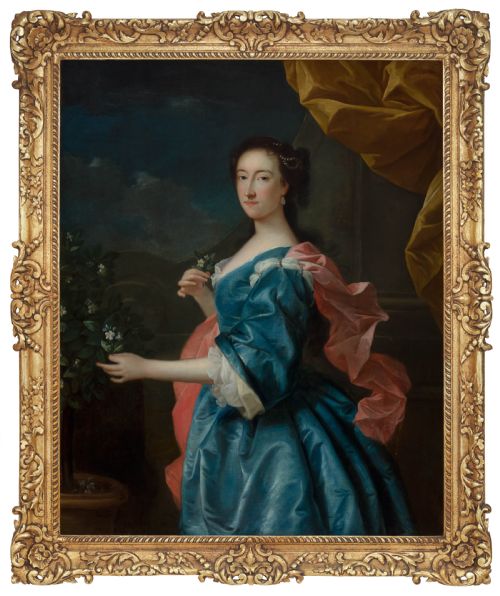
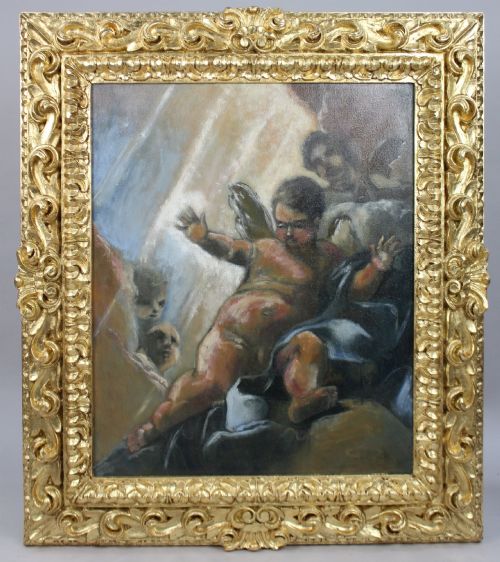
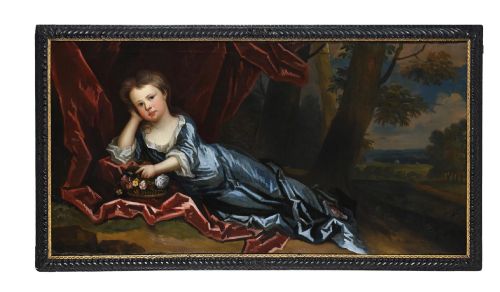
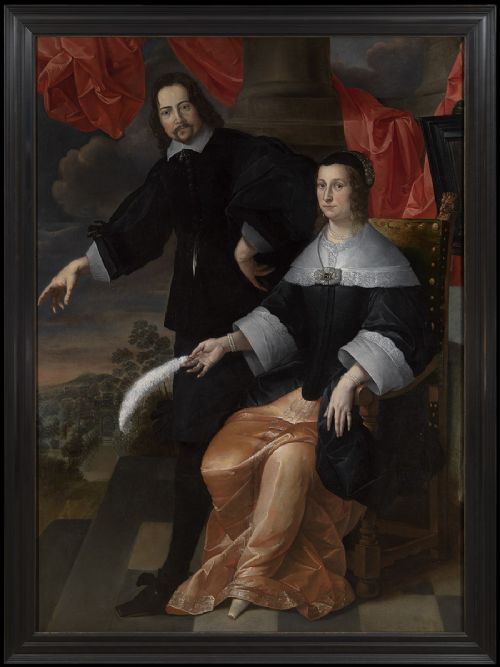
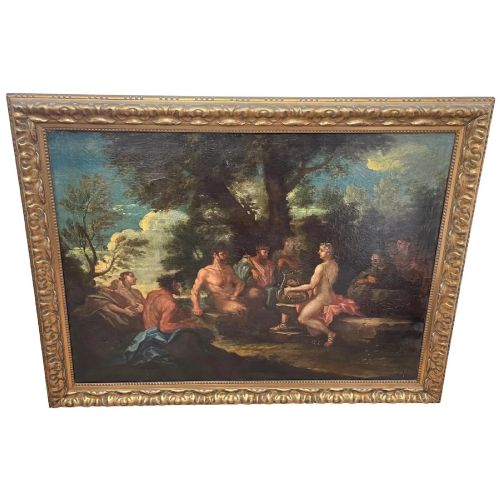
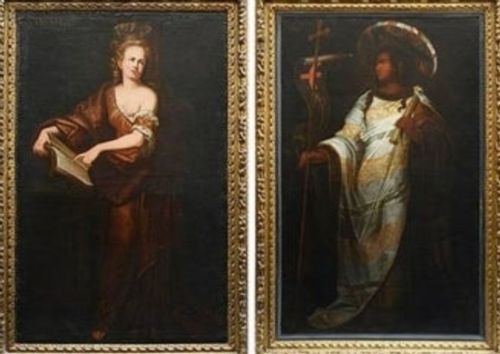
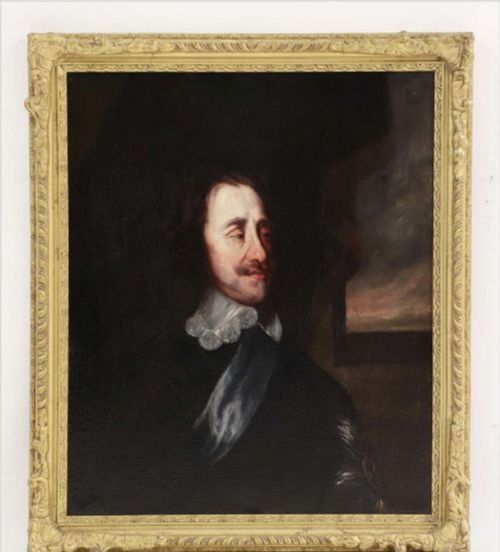
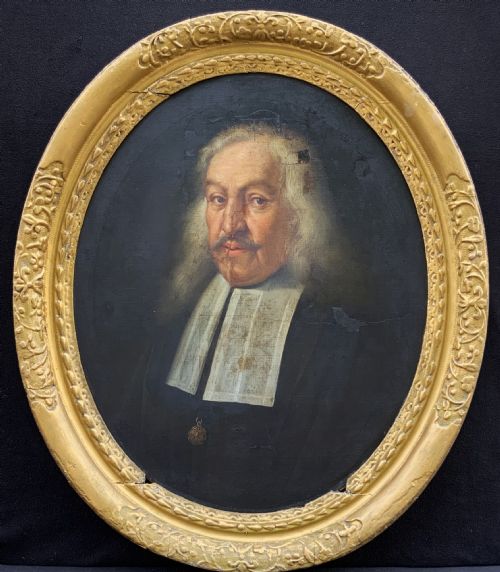
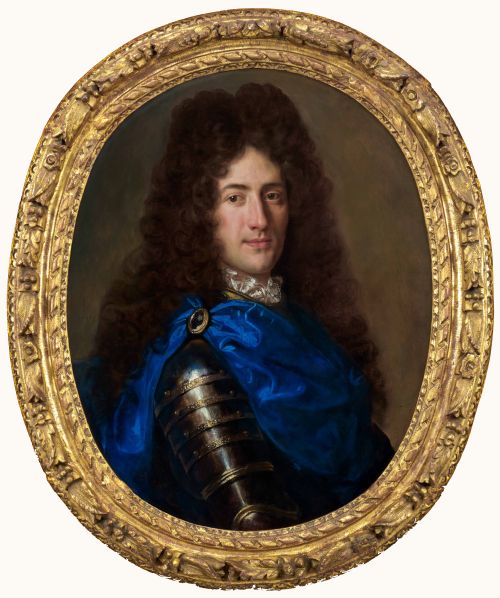
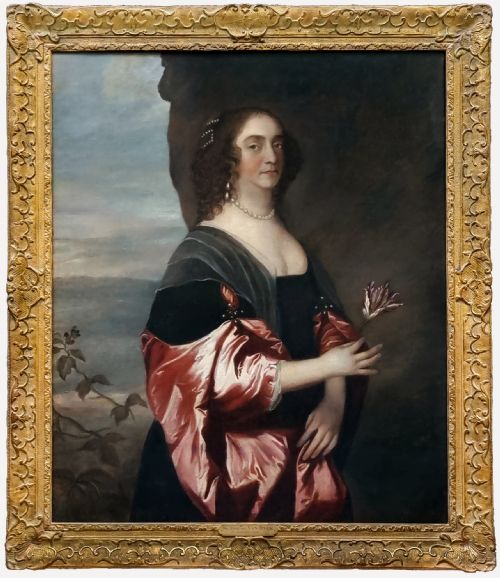
Exploring baroque style canvas art reveals dramatic oil paintings on canvas framed in giltwood, carrying the rich aesthetic of seventeenth and eighteenth century European masters.
Baroque Style Canvas Art
Buyers seeking baroque style canvas art encounter historic oil paintings, grand portraits, and mythological scenes that reflect the artistic traditions of seventeenth and eighteenth century Europe. The selection spans authentic works from periods such as the seventeenth century and eighteenth century, alongside later revivals from the nineteenth century and mid-twentieth century.
The subjects on this page range from stately portraits of noblemen and ladies in ruff collars to lively mythological compositions and floral still lifes. Many pieces demonstrate direct stylistic links to Dutch Golden Age, French, Italian, and Flemish schools, capturing theatrical light and shadow.
While some listings originate from specific historical periods, others represent later tributes or studies after celebrated masters like Sir Peter Lely, Rembrandt van Rijn, and David Teniers. These canvases bring historic depth and dramatic presence to interior spaces through traditional oil paint techniques.
Materials and execution
The works on this page are executed primarily in oil paint applied to woven canvas supports, utilising the rich layering and tonal depth characteristic of traditional European painting. Artists built up forms through careful manipulation of pigment, creating strong contrasts between light and dark to achieve the dramatic theatricality inherent in the style.
Listings span multiple centuries, incorporating seventeenth century, eighteenth century, nineteenth century, and twentieth century works on canvas.
Distinctions in quality
Quality in these artworks is determined by the handling of light, anatomical precision, and the expressive depth of the brushwork across the canvas surface. Superior examples display confident command of oil paint, capturing subtle textures in fabrics, skin, and foliage with remarkable vitality.
The integration between the canvas painting and its surrounding carved giltwood frame also influences the overall character of the piece. Works that retain harmonious proportions between the composition and period framing demonstrate greater aesthetic integrity.
Georges de La Tour·Sir Peter Lely·John Hayls·Jeremiah Davison·Charles D’Agar·Bartholomeus van der Helst·Trajan Hughes·Pieter Borseler·Joseph Vivienne·Sir Anthony van Dyck·Frans Hals·Godfried Schalcken·Nicolaes Maes·David Teniers·Simon Pietersz Verelst·Francesco Solimena·David Teniers II·Nicolas Fouché·Claude Lorrain·Domenico Zampieri·Marmaduke Cradock·Jacob Bogdani·Nicolas De Largillière·Rembrandt van Rijn
The Baroque Style Canvas Art Glossary
- Oil on Canvas
- Pigments suspended in a drying oil medium applied to a stretched woven fabric support. This combination allows for smooth blending of tones and rich surface texture.
- Giltwood
- Wood that has been coated with a thin layer of gold leaf or gilt powder. It is commonly found on ornate antique frames designed to complement classical paintings.
- Old Master
- A term applied to highly skilled European painters working before eighteen hundred. These artists established foundational styles that later generations sought to emulate.
- Ruff
- A large, pleated projecting collar worn during the sixteenth and seventeenth centuries. This distinct garment frequently appears in period portraiture to denote high social status.
- Provenance
- The documented history of ownership surrounding an artwork. It provides vital context for establishing authenticity and historical background.
Baroque Style Canvas Art: Frequently Asked Questions
How do I care for an antique oil painting?
Keep the canvas away from direct sunlight and sudden temperature fluctuations to prevent cracking in the paint layer. Dust the surface gently with a soft, dry brush without applying pressure.
Avoid using water or liquid cleaners on the canvas or the giltwood frame. Professional conservation is recommended for any deeper cleaning or restoration work.
What is the difference between an original period work and a later copy?
Original period works were created during the active lifetime of the artist or school represented, carrying contemporary materials and methods. Later copies or tributes, often painted in the nineteenth or twentieth century, interpret these historic styles with distinct pigments and canvas preparations.
Both categories hold decorative and historical interest, though authentication relies on examining the stretcher frames, canvas weave, and pigment ageing.
How do I hang a heavy framed canvas safely?
Ensure the weight of the canvas and its carved giltwood frame is supported by appropriate wall fixings secured directly into studs or masonry. Heavy antique frames require robust picture wire and sturdy D-rings attached firmly to the wooden stretcher bars.
Check the stability of the frame joints and the tension of the canvas periodically to ensure the artwork hangs securely.
What subjects were popular in baroque art?
Portraits of nobility, military officers, and prominent figures dominated much of the period, often incorporating rich garments and symbolic objects like orange trees. Mythological narratives and religious scenes were also widely commissioned to showcase dramatic action and intense emotion.
Still life compositions featuring flowers, birds, and daily objects offered artists another avenue to explore texture, light, and ephemeral beauty.