



Antique Cherub Portrait
An antique cherub portrait brings celestial grace and classical mythology into a room through oil paintings, frames, and decorative objects.
Antique Cherub Portrait
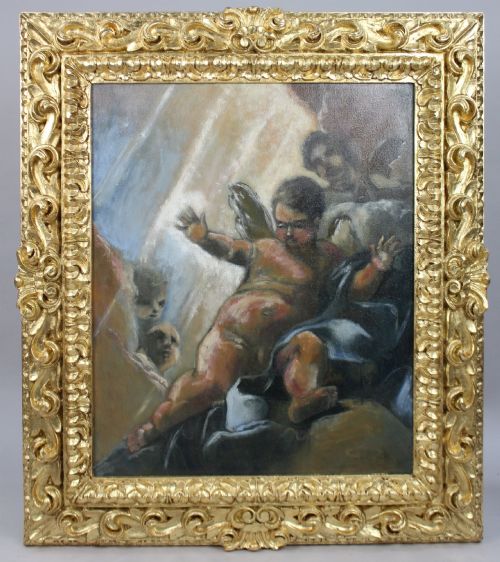
When you search for an antique cherub portrait, you are looking at figurative works depicting winged angelic children, putti, or heavenly attendants across various periods. These pieces appear as oil paintings on canvas, framed mirrors, and decorative photo frames originating from the seventeenth century onwards.
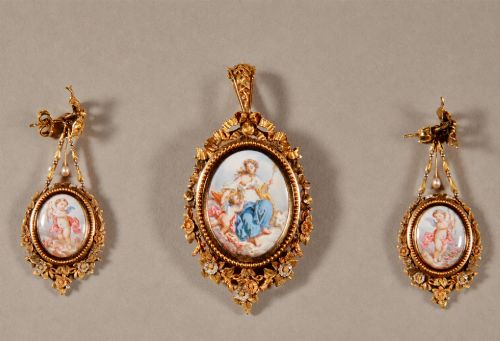
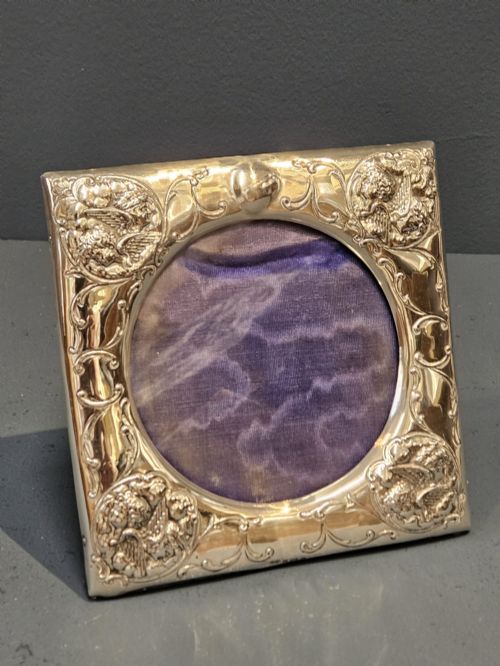
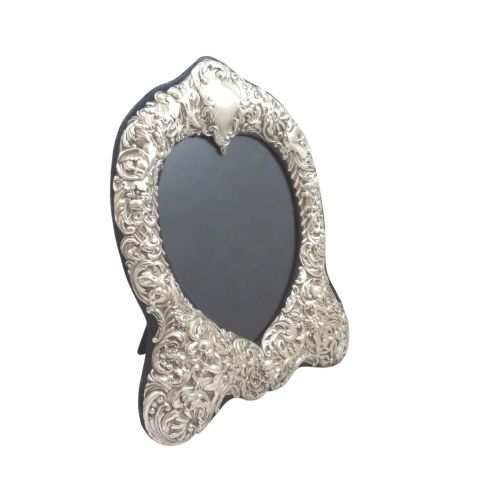
You are most likely to meet nineteenth-century interpretations on this page, often executed in oil or housed within ornate giltwood and sterling silver frames. The selection also includes mantel clocks and portrait brooches that incorporate these classical motifs into functional items.
How they were made
The physical objects combine traditional canvas painting techniques with skilled metalwork and woodworking, utilising oil paint, carved wood, and gilt bronze. Canvases are stretched and painted by hand, sometimes reproducing works after earlier masters like Domenico Zampieri or Rosso Fiorentino.
Frames and structural elements demonstrate craftsmanship through hand-carved giltwood, cast sterling silver, and ironwork. Materials such as enamel, velvet, and glass are incorporated to mount photographs, house clock movements, or protect delicate portrait miniatures.
Antique Cherub Portrait Retail Price Guide 2026
Typical asking prices for cherub portrait among the pieces listed under this phrase on Sellingantiques today, from the lower quarter to the upper quarter. They describe what is for sale here now, not the wider market.
Angels play lutes and hold roses while pope portraits and mantel clocks watch quietly from the sidelines.
What varies in quality
Quality separates through the finesse of the brushwork in the depiction of the child's form and the depth of expression in the face. Higher standard works show subtle shading and anatomical precision rather than rigid lines or flat application of oil paint.
The standard of the surrounding housing also distinguishes the pieces, from simple iron frames to deeply carved giltwood or heavy cast sterling silver. Superior items display crisp casting details and well-preserved original gilding that complement the central portrait.
Sir George Hayter·Domenico Zampieri·Rosso Fiorentino
The Antique Cherub Portrait Glossary
- Putti
- Plaster or painted representations of naked winged infants, distinct from biblical cherubim but frequently associated with them in art. They derive from classical antiquity and appear often in Italian Renaissance and Baroque compositions.
- Giltwood
- Wood that has been treated with a thin layer of gold leaf or powder, commonly used for ornate picture frames and wall mirrors. It provides a reflective, decorative border that enhances the artwork within.
- Oil on Canvas
- Pigments bound in a drying oil medium applied to a woven fabric support stretched over a wooden frame. This primary medium for historical paintings allows for rich colour blending and fine detail.
- Sterling Silver
- An alloy of silver containing ninety-two point five percent silver and seven point five percent other metals, typically copper. It is used for durable, high-status photo frames and personal ornaments.
Antique Cherub Portrait: Frequently Asked Questions
What is an antique cherub portrait?
An antique cherub portrait depicts winged children or putti, typically rendered in oil paint on canvas or cast in metal frames.
These works draw on classical and religious iconography from centuries past.
How were these portraits used historically?
They served as devotional art, decorative wall mirrors, or personal items such as lockets and photo frames.
Wealthy households displayed them to signal refined taste and classical education.
How do I live with an antique cherub portrait?
Hang oil paintings away from direct sunlight to protect the pigments, and place metal frames in stable humidity.
Pair these pieces with traditional or eclectic interiors where their classical subject matter can stand out.
How do I tell different periods apart?
Stylistic clues such as Renaissance revival forms or Victorian silver hallmarks help date the item.
Materials like cast iron, sterling silver, or specific porcelain types also point toward distinct nineteenth-century manufacturing eras.