


Antique Cherub Wall Art
Antique cherub wall art brings sculptural grace and painted divinity into a room through centuries of carved wood, oils, and plaster.
Antique Cherub Wall Art
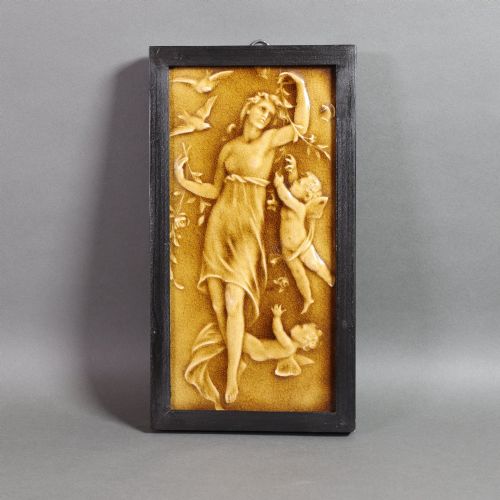
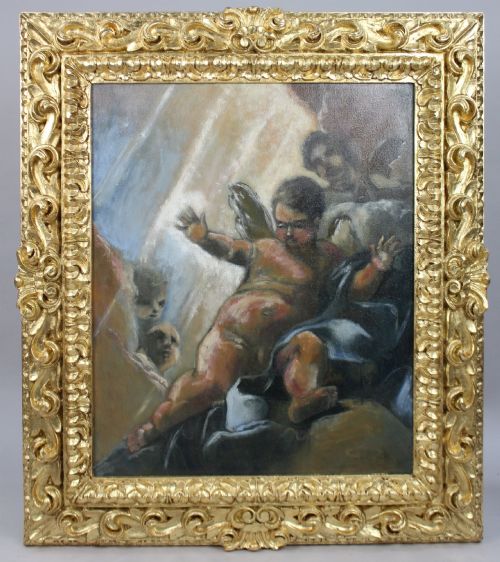
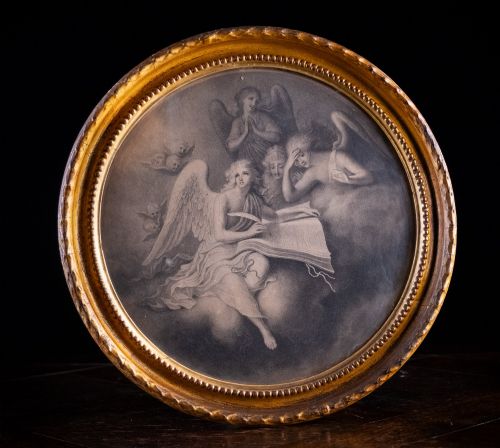
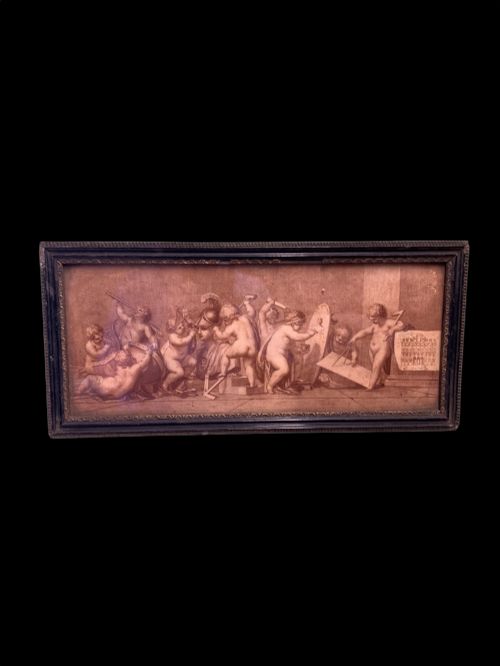
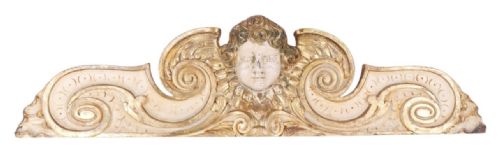
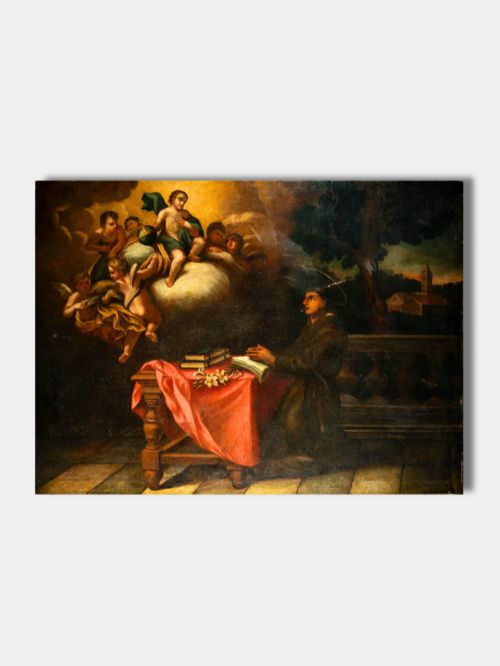
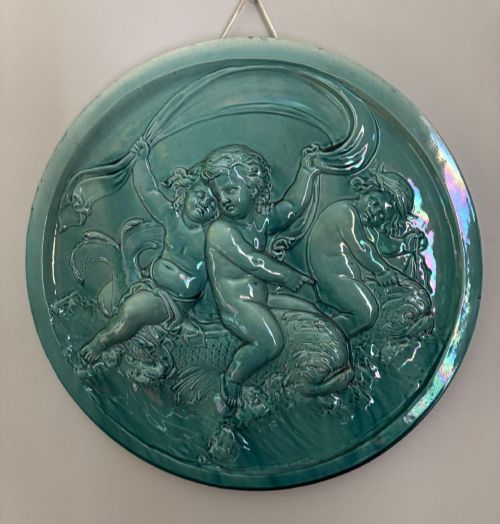
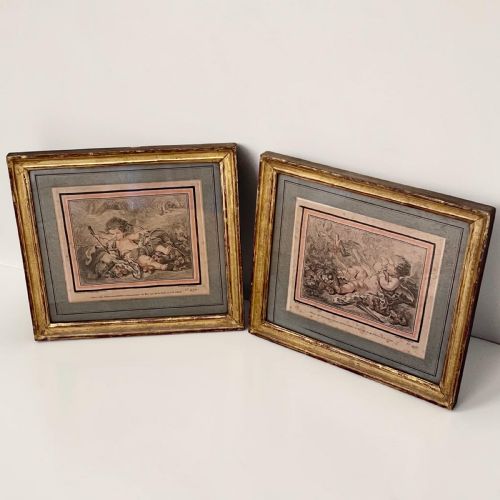
When searching for antique cherub wall art, a buyer encounters a diverse group of works that span several centuries and decorative traditions. These pieces range from oil paintings on canvas and panel to carved wooden architectural elements, plaster friezes, and ceramic relief plaques.
The selections on this page lean heavily towards eighteenth and nineteenth-century European works, particularly French and Italian pieces. Forms include framed oil paintings, engraved prints, overdoor panels, wall lights, and decorative plaques depicting putti, angels, and cupids.
Materials and construction
The physical construction of these pieces relies heavily on traditional wood carving, oil painting on canvas or panel, and moulded plaster or ceramic. Artisans employed oil paint, gold leaf, and giltwood to render the winged figures and celestial scenes.
Framing and mounting often utilise carved wood and gilt frames that complement the central artwork, while ceramic works employ specialised techniques like pate sur pate to build delicate relief ornamentation.
Listings feature works spanning from the seventeenth century through to the mid-twentieth century, predominantly utilising oil paint, carved wood, and giltwood.
Assessing quality in decorative works
Quality in these works resides in the execution of the carving, the finesse of the brushwork, and the preservation of the original surface materials. Superior painted examples demonstrate confident anatomical rendering and nuanced expression in the faces of the figures.
Carved wooden and plaster pieces show distinction through deep, crisp relief work and well-preserved gilding rather than flat, mechanical repetition. The integrity of the original support, whether canvas, panel, or wood, dictates the overall calibre of the piece.
Clement Messier·Domenico Zampieri·Jean Baptiste Isabey·Reginald Robert Tomlinson·Orsola Maddalena Caccia
The Antique Cherub Wall Art Glossary
- Cherub
- A celestial winged being often depicted as a chubby child in art, frequently associated with putti or cupids. These figures appear widely across religious and secular decorative schemes from the seventeenth century onwards.
- Giltwood
- Wood that has been coated with a thin layer of gold leaf or gold paint. This finish is common on the decorative frames and architectural mouldings listed here.
- Oil on Canvas
- Pigments mixed with a drying oil applied to a stretched canvas support. This medium forms the basis for many of the period paintings found in this collection.
- Pate sur Pate
- A ceramic technique where a liquid clay relief is painted onto a contrasting body before firing. This method creates layered, cameo-like details on decorative plaques.
- Trompe L'oeil
- An artistic technique that uses realistic imagery to create the optical illusion that the depicted objects exist in three dimensions. These paintings often trick the eye regarding spatial depth.
Antique Cherub Wall Art: Frequently Asked Questions
What is the difference between a cherub and a putto?
In historical art contexts, cherubim stem from biblical descriptions of celestial guardians, whereas putti originate from classical mythology as winged infant spirits.
Over subsequent centuries, artists often used these terms interchangeably to describe winged child figures in paintings and architectural carvings.
How should I hang heavy carved wooden wall art?
Heavy carved wooden panels and framed oil paintings require secure fixing directly into wall studs or masonry using appropriate weight-bearing brackets.
Consulting a professional installer ensures the weight of dense materials like oak or giltwood is properly supported.
Are these oil paintings usually framed in original periods?
Many period oil paintings retain frames contemporaneous to their creation, while others have been paired with complementary antique frames over time.
Examining the corner joints, joinery, and wear on the gilding helps determine the age of the frame relative to the canvas.
How do I care for antique giltwood frames?
Giltwood frames require gentle dusting with a soft, dry brush to avoid disturbing fragile gold leaf layers.
Keep these pieces away from direct sunlight, moisture, and extreme temperature fluctuations to preserve the underlying gesso and wood.