


19th Century Cherub Painting
These 19th century cherub painting examples capture playful putti and classical mythology across canvas, porcelain, and carved wood.
19th Century Cherub Painting
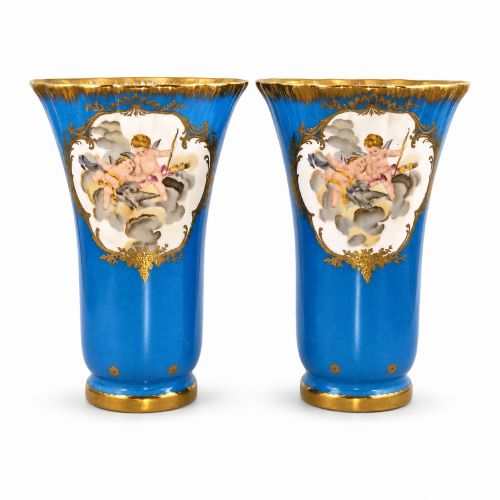
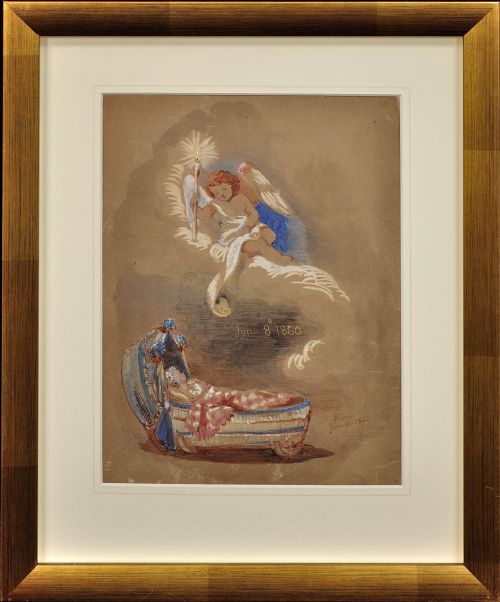
A 19th century cherub painting brings decorative classical motifs into domestic spaces through canvas works, panel scenes, and delicate porcelain ceramics. Buyers encounter oil paintings, watercolours, and painted porcelain plaques depicting winged infants derived from baroque and rococo traditions.
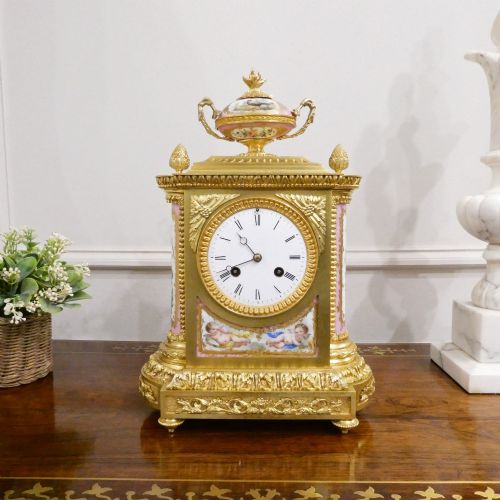
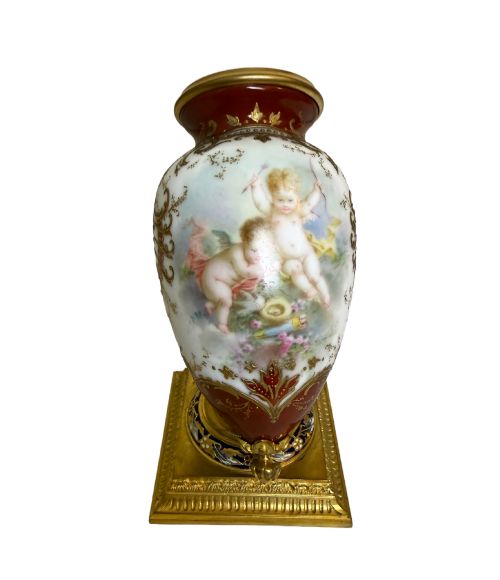
The pieces appearing most frequently span the decades from 1860 to 1890, often bearing influences of French revival styles and Italian portraiture. These artworks frequently emerge as framed canvases, decorative wall panels, or integrated elements upon mantel clocks and porcelain vases.
Materials and Techniques
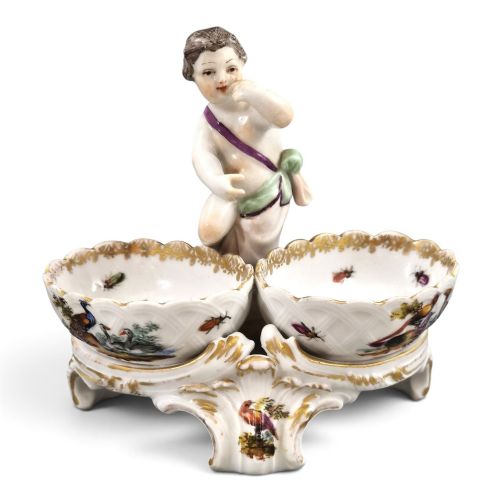
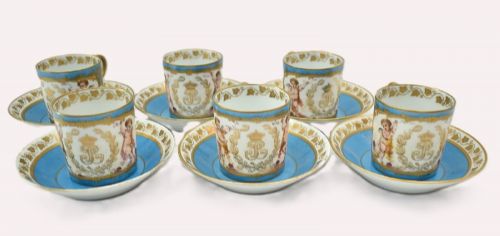
Makers utilised oil on canvas and watercolour pigments applied to paper or card for standalone pictorial works, capturing soft skin tones and atmospheric backgrounds. Ceramics painters employed enamels directly onto porcelain bodies, firing the pieces to achieve glossy finishes on items originating from factories like Sèvres, KPM Berlin, and Dresden.
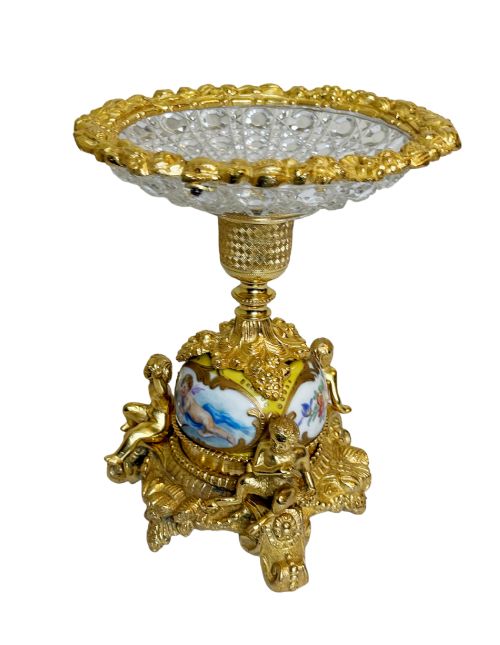
Framing and support structures relied heavily on carved wood and gesso finished with gold leaf or ormolu mounts. These metallic and wooden surrounds complemented the painted surfaces by adding architectural depth and ornate borders.
Periods represented span from the 18th century through the Victorian era up to 1920.
Assessing Quality and Execution
The integration between the painted surface and its housing dictates overall distinction. Superior items feature harmonious pairings where hand-painted porcelain plaques or canvases align seamlessly with gilded bronze mounts or carved frames.
Jean-Baptiste Delettrez·Edme Samson·Charles Augustus Henry Lutyens
The 19th Century Cherub Painting Glossary
- Putto
- A plump, naked male child depicted in classical art, often winged and sometimes confused with a cherub. These figures populate genre scenes and religious compositions alike.
- Ormolu
- Gilded bronze used widely for mounts, clock cases, and decorative vessel trim during the nineteenth century. This technique involves applying a mercury and gold amalgam to bronze before heating.
- Faience
- Tin-glazed earthenware produced across European potteries, frequently decorated with mythological figures and cherubs. The opaque glaze provides a smooth white ground for colourful painted designs.
- Gesso
- A plaster-like mixture applied to wood frames and panels to create a smooth surface for gilding and painting. Artisans carve and mould this material to achieve raised decorative relief.
- Bleu Céleste
- A bright sky-blue enamel ground colour developed at the Sèvres porcelain manufactory. It serves as a vivid backdrop for painted reserves containing cherubs and floral motifs.
19th Century Cherub Painting: Frequently Asked Questions
What is a putto?
A putto is a classical depiction of a winged toddler, commonly seen in art from the Renaissance onward. These figures represent playful or divine spirits in mythological and religious works.
In nineteenth-century pieces, they appear frequently on porcelain vessels, painted panels, and canvas works, often interacting with flowers or animals.
How are porcelain cherub scenes made?
Artists painted directly onto glazed porcelain surfaces using mineral enamels before firing the pieces in a kiln to permanently fuse the colours. Factories like Sèvres and KPM Berlin mastered this technique for plaques and decorative vases.
Many of these painted components were then mounted into gilt bronze or ormolu housings to create mantel clocks and centrepieces.
Where should I hang these paintings?
These artworks suit drawing rooms, studies, and hallways where traditional or eclectic interior schemes allow ornate frames and porcelain to stand out. Smaller panels and watercolours pair well with antique wall mirrors and mantel furnishings.
Direct sunlight should be avoided to protect oil pigments, watercolours, and gilded wooden frames from fading or deterioration over time.
How do I date these items?
Datation relies on factory marks, signature styles, and the specific composition of framing materials or mounting hardware. Nineteenth-century pieces often reflect revivals of Rococo, Baroque, or French Empire aesthetics.
Examining the reverse of canvases, the style of handwritten inscriptions, and the type of porcelain body provides further chronological context.