
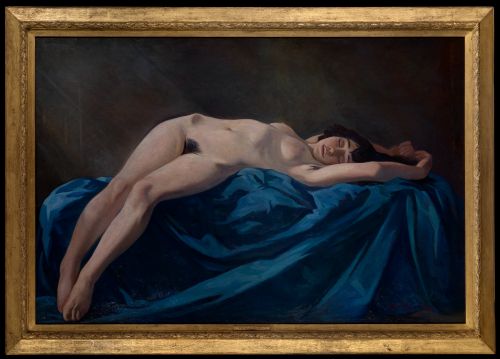
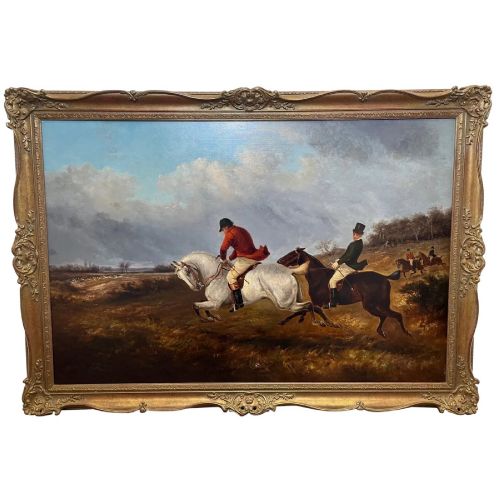
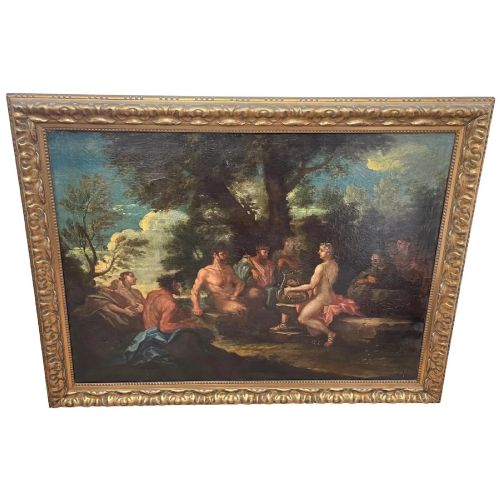
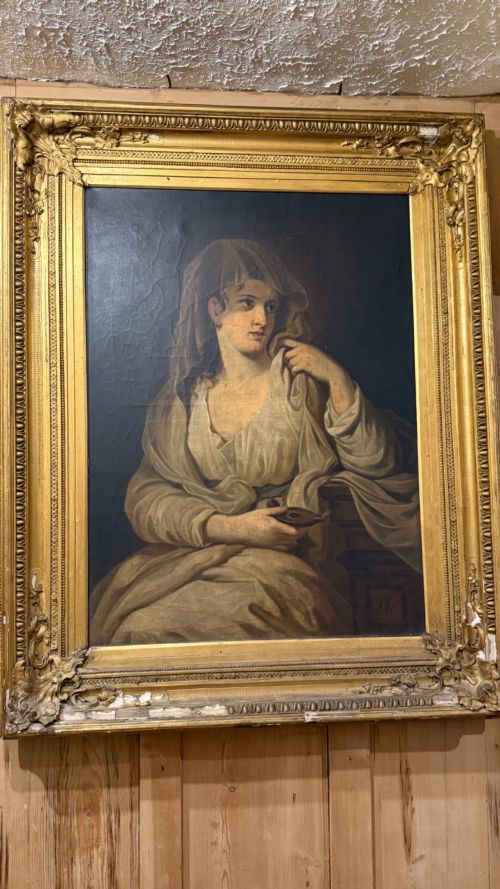
Large Oil Painting
A large antique oil painting brings scale and historical presence to a room, anchoring a space through rich pigment and substantial framing.
What a large antique oil painting is
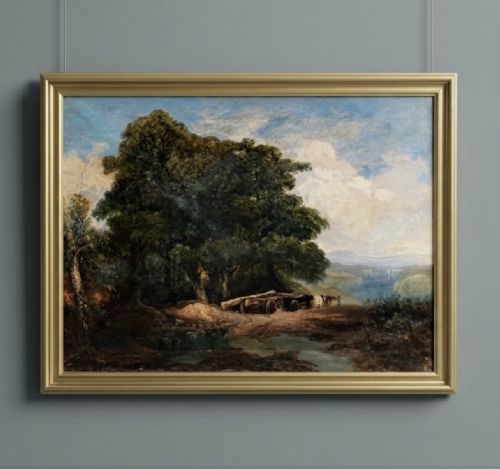
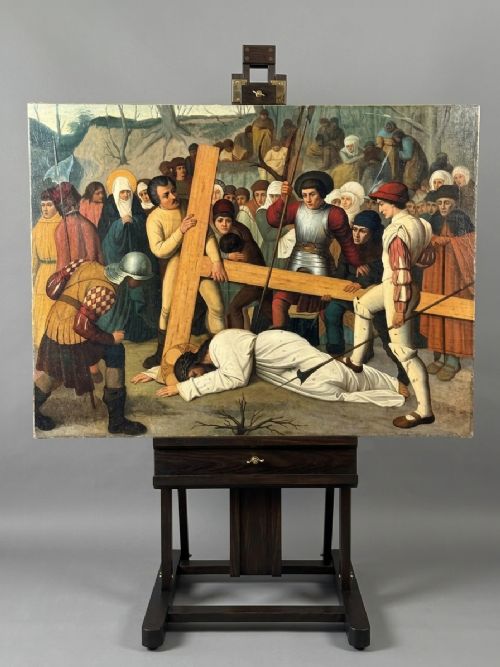
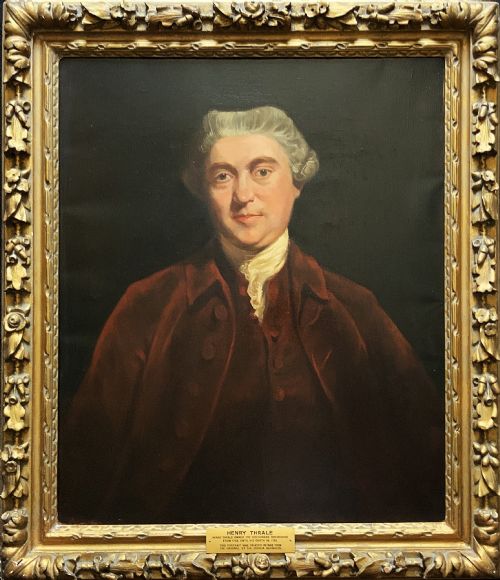
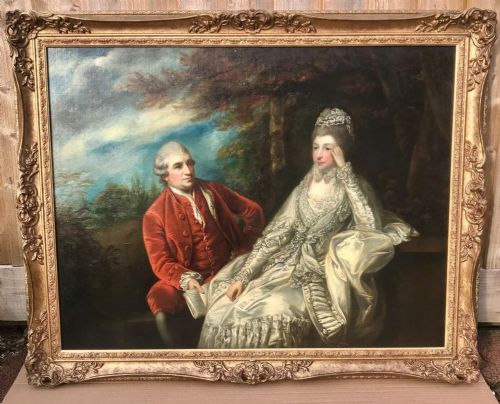
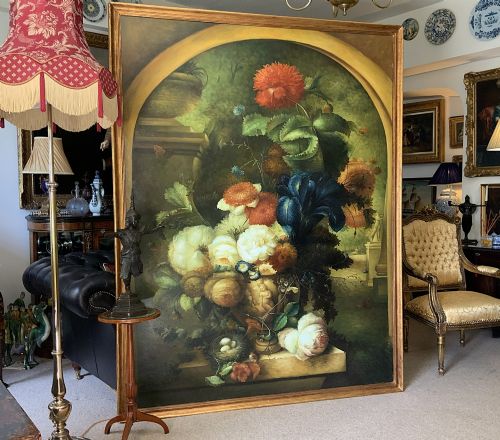
A large antique oil painting encompasses grand canvases from the nineteenth century onward, capturing subjects ranging from sweeping highland landscapes to formal portraiture. These works dominate a wall through sheer physical presence and detailed brushwork.
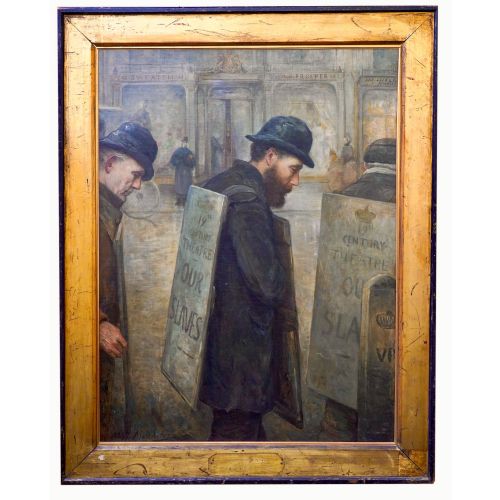
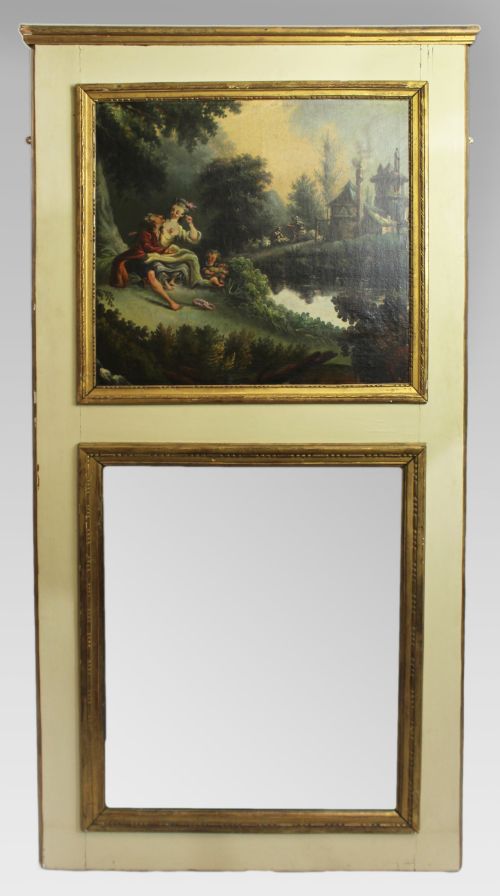
Buyers frequently encounter Victorian and Edwardian examples rendered in oils on canvas or board, often housed in heavy decorative surrounds. Continental and British schools dominate the available output, reflecting pastoral, historical, and domestic scenes.
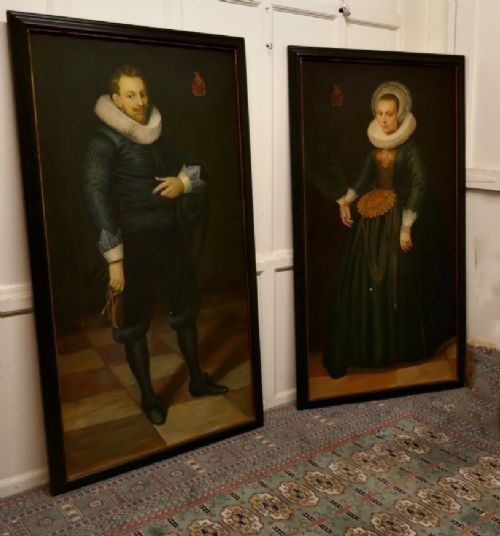
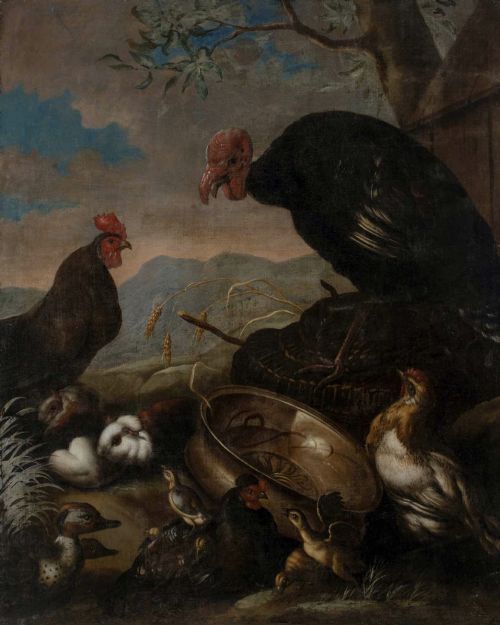
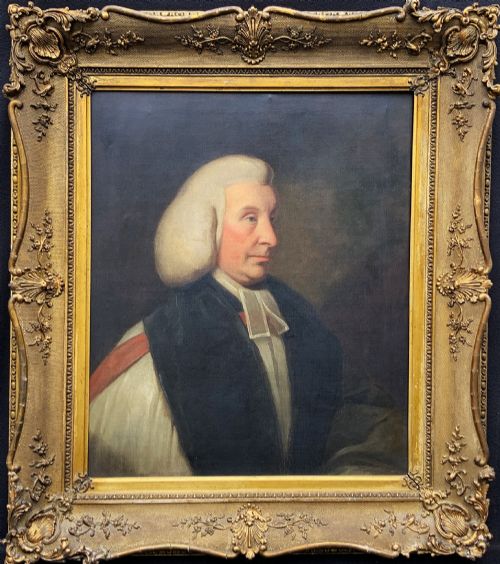
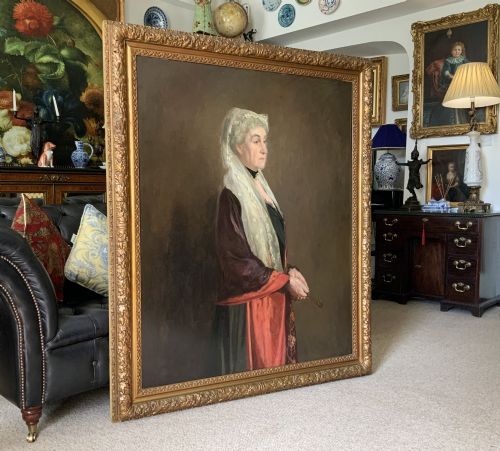
Portraits of seated gentlemen and ladies share space with Dutch-style still lifes featuring fruit, fish, and flowers. Landscapes span Scottish mountains, Welsh rivers, and tranquil marine views.
How they were made
Artisans stretched heavy canvas across wooden frames before applying layers of oil pigment, building depth and luminosity over extended periods. Pigments mixed with oils allowed artists to rework surfaces and achieve subtle tonal gradations.
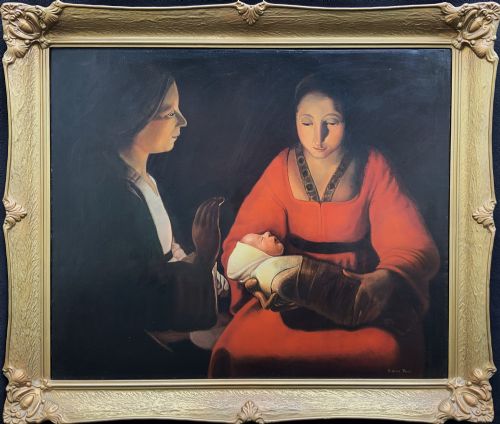
Frames utilise carved wood, gesso, and gold leaf or gilt finishes to complement the canvas. Elaborate baroque revival mouldings and simpler maple frames both secure the perimeter and protect the edges of the stretched fabric.
Retail Price Guide 2026
Typical UK retail prices for large oil painting, calculated from the Sellingantiques database of over a million retail prices indexed since 2003. This retail price guide relies exclusively on Sellingantiques data; no external sources or auction records are used, so the figures do not describe the wider market.
Subjects span formal portraiture, Scottish landscapes, pastoral country scenes, and detailed still lifes.
What varies in quality
Quality rests in the handling of light, anatomical precision, and the expressiveness of the brushwork across the primary subject. Masterful tonal control distinguishes a compelling portrait or landscape from a rigid academic exercise.
The integrity of the original gilt frame and the stability of the canvas support influence the overall standard. Intricately carved wooden surrounds with unbroken gesso ornamentation elevate the presentation of the central artwork.
Friedrich von Kaulbach·Robert Alexander Hillingford·Thomas Gist·Andrew Kurtis·Robert Gallon·Ludwig Gustav Voltz·Poul Steffensen·Thornton Rippingille·Bennett Hubbard·Fritz Sattler·Karl Feiertag·Alfred Hitchens Corbould·Alfred Broge·Emil Ekman·Hans Best·Nicholas Percy Fox·Cæsar Kunwald·Helene Krebs·Julius Paulsen·Hubert Haider
The Large Oil Painting Glossary
- Oil on Canvas
- Pigment bound in drying oil applied to a woven fabric support stretched tightly over a wooden frame. This combination allows for rich colour blending and textured impasto application.
- Gesso
- A plaster-like mixture applied to wooden frames as a smooth base before gilding with gold leaf. It accepts intricate moulding and carving for decorative effect.
- Gilt Wood
- Timber framing coated with a thin layer of gold leaf or metallic paint to create a reflective, ornate border. This finish protects the wood beneath while framing the artwork.
- Continental School
- Works produced by artists trained on the mainland of Europe rather than in Britain. These pieces often reflect distinct regional stylistic traditions.
- Baroque Revival
- A nineteenth-century artistic movement imitating the dramatic movement, deep shadow, and exuberant ornamentation of the seventeenth-century baroque period.
Frequently Asked Questions
How do I hang a heavy framed oil painting?
Secure heavy works directly into wall studs using heavy-duty picture hooks and multi-point hanging wire rated for the specific weight of the canvas and frame.
Avoid hanging large paintings in areas subject to direct sunlight or dramatic humidity fluctuations to protect the wooden stretcher and oil pigments.
What indicates a nineteenth-century portrait?
Nineteenth-century portraits typically feature sitters in period attire, often accompanied by architectural elements, landscape backgrounds, or personal accessories like walking canes.
Canvas preparation, framing styles, and stretcher construction methods provide additional clues for dating these large works.
Why are some frames larger than the canvas?
Substantial gilt frames were designed to add architectural presence and isolate the painted scene from the surrounding wall decoration.
Ornate frames also served as status symbols, reflecting the wealth and taste of the original patron who commissioned the artwork.