




Baroque Still Life Art
Baroque still life art brings dramatic lighting and rich compositions into a room, capturing flowers, fruit, and animals with striking depth.
Baroque Still Life Art
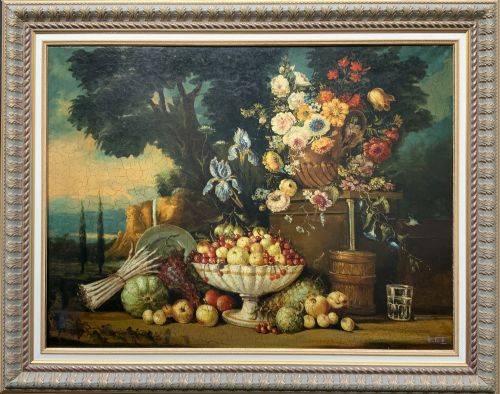
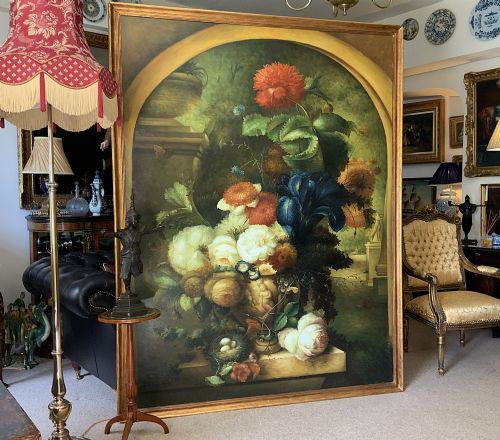
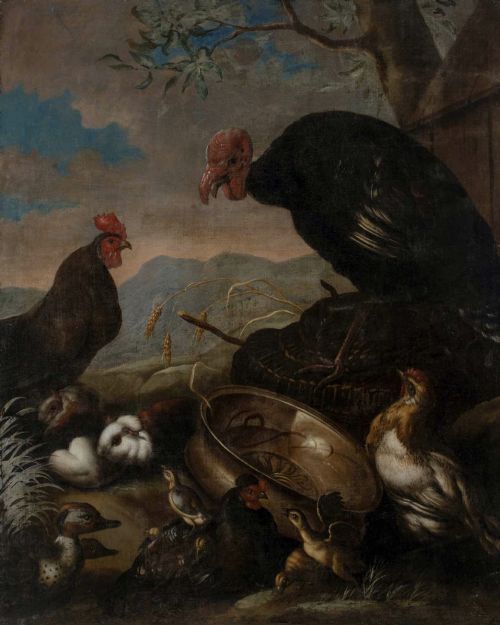
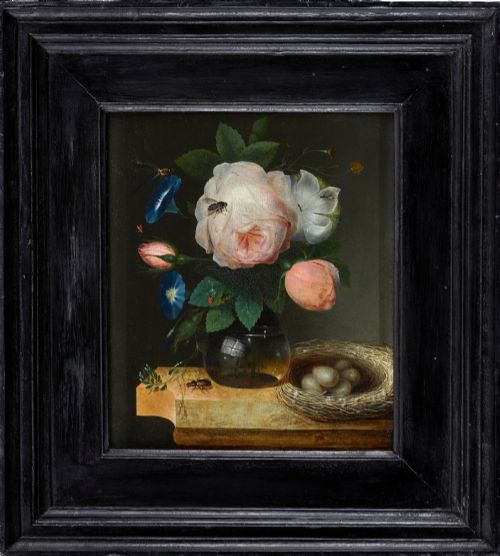
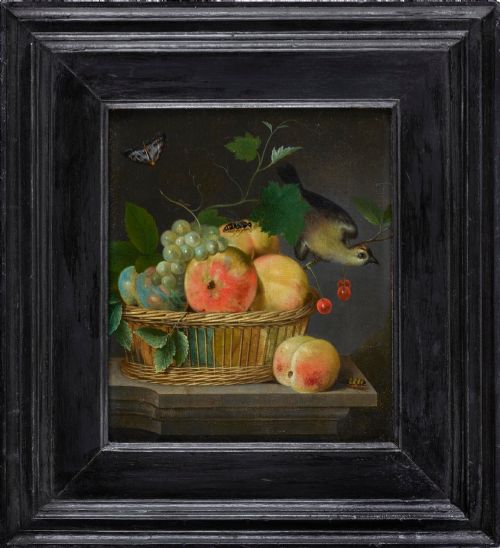
Baroque still life art centres on oil paintings from the seventeenth and eighteenth centuries, alongside later interpretations and regional schools such as the Dutch Golden Age and Italian traditions. These works frequently depict elaborate arrangements of roses, tulips, and fruit in baskets or glass vases, as well as complex larder scenes featuring game, fowl, and household objects.
The pieces on this page range from large canvas works attributed to known masters to smaller panels and decorative screens rendered in oil paint. Buyers encounter various interpretations, from seventeenth-century Flemish compositions to classical trompe l'oeil and twentieth-century studies inspired by earlier European masters.
Quality Variations
Quality rests in the handling of light, shadow, and texture within the oil paint, distinguishing works by accomplished seventeenth-century hands from simpler decorative copies. The naturalism of rendered subjects, from the petals of flowers to the feathers of fowl, dictates the visual impact of the piece.
The integrity of the original canvas or oak panel and the preservation of the surface layer significantly influence the standing of an artwork. Period framing in giltwood also enhances the overall coherence of the piece.
Baroque Still Life Art Retail Price Guide 2026
Typical asking prices for baroque still life art among the pieces listed under this phrase on Sellingantiques today, from the lower quarter to the upper quarter. They describe what is for sale here now, not the wider market.
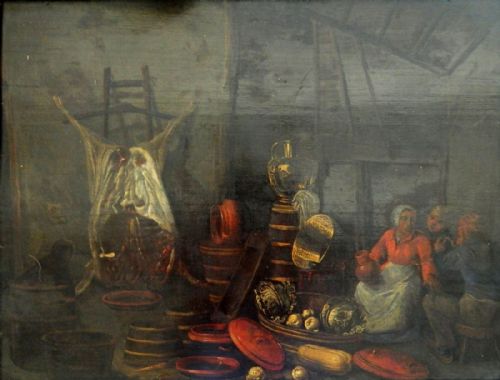
Among the arrangements of fruit and flora, a painted larder scene casually includes playing cards and dice alongside the bread and lemons.
Angelo Maria Crivelli·Gaspar Peeter Verbruggen·Frans Snyders·Simon Pietersz Verelst·Jan Steen
The Baroque Still Life Art Glossary
- Baroque
- A European style of art from the seventeenth and eighteenth centuries characterised by drama, deep shadow, and exuberant detail. It sought to evoke emotional intensity through theatrical composition.
- Trompe l'oeil
- A painting technique that uses realistic imagery to create the optical illusion that the depicted objects exist in three dimensions. It translates as 'deceive the eye'.
- Giltwood
- Wood that has been covered with a thin layer of gold leaf or gold powder. It is commonly found on traditional picture frames.
- Oil on canvas
- Pigments bound in a drying oil medium applied to a stretched fabric support. This combination became standard for major European paintings from the Renaissance onward.
- Dutch Golden Age
- A period in Dutch history spanning the seventeenth century wherein painting flourished with notable advancements in still life and genre scenes.
Baroque Still Life Art: Frequently Asked Questions
What is baroque still life art?
Baroque still life art comprises oil paintings from the seventeenth and eighteenth centuries, alongside later revivals, that depict inanimate subject matter such as flowers, fruit, and larder provisions.
These works are celebrated for their dramatic use of light and shadow, creating a strong sense of depth and realism within the composition.
How were these paintings displayed?
Historically, large oil paintings on canvas or panel were hung in formal reception rooms and dining spaces to demonstrate the wealth and refined taste of the owner.
Today, they function as focal points in traditional or eclectic interiors, often housed in heavy gilded wood frames.
How do I identify seventeenth century works?
Identifying the seventeenth-century period involves examining the preparation of the canvas or oak panel, the ageing of the oil paint, and the stylistic conventions of Dutch, Flemish, or Italian schools.
Attributions often rely on recorded provenance, subject matter like game and floral arrangements, and stylistic comparisons to known masters.
What subjects appear in these paintings?
Common subjects include elaborate floral arrangements in glass vases, wicker baskets overflowing with fruit, and abundant kitchen larder scenes featuring bread, fish, and game.
Some compositions incorporate animals, such as dogs stealing food or birds resting near castle ruins.