



Eighteenth Century Style Painting
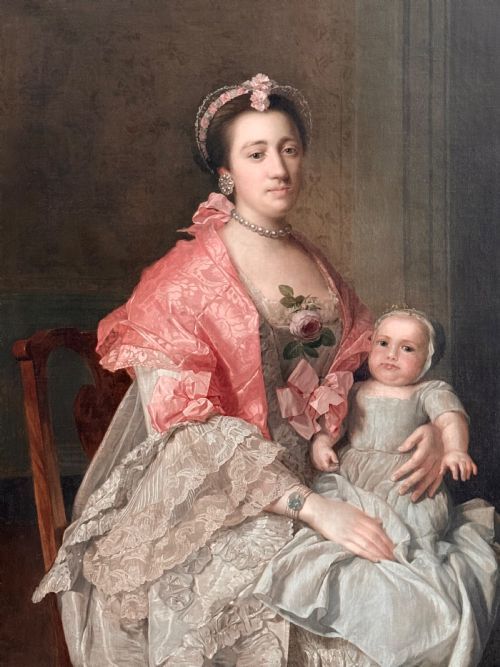
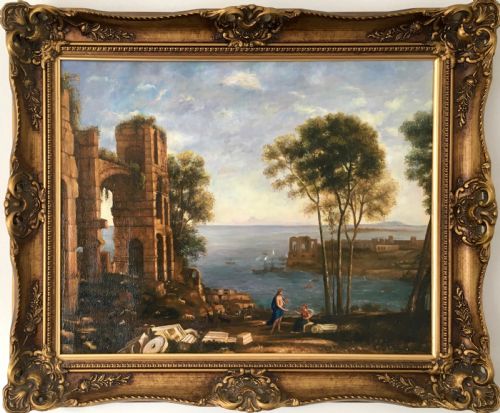
An eighteenth century style painting brings the drama of oil on canvas, Baroque compositions, and classical portraiture into a modern room.
Eighteenth Century Style Painting
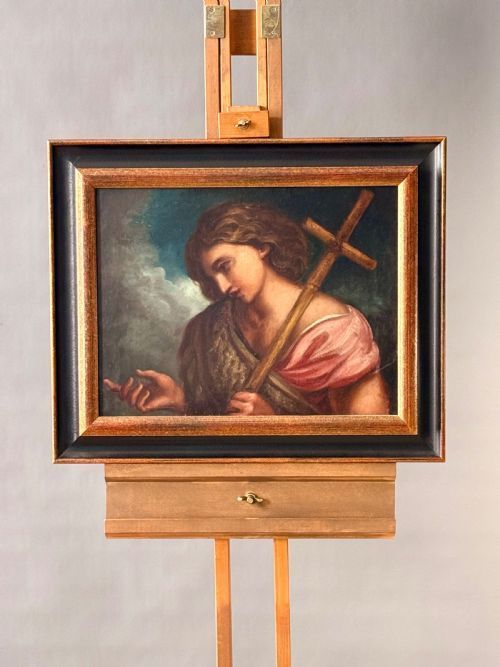
When someone searches for an eighteenth century style painting, they encounter canvases spanning the eighteenth and nineteenth centuries, including still lifes, portraits, and pastoral scenes executed after earlier masters. These works range from genuine period oils to later nineteenth-century interpretations that capture the decorative sensibilities of the Georgian era.
The selection on this page shows how later makers adopted the visual language of Baroque, Rococo, and Neoclassical movements. Buyers find both intimate miniature compositions and large country house canvases attributed to or painted after artists such as Jean-Baptiste Joseph Pater and Bartolomeo Schedoni.
Beyond traditional canvases, the broader category encompasses painted panels and decorative plaques that borrow eighteenth-century subject matter. These pieces demonstrate how subsequent generations continued to produce works celebrating floral arrangements, fruit compositions, and theatrical figure studies.
How they were made
The pieces listed rely primarily on oil paint applied to canvas, capturing the rich tones and subtle glazing characteristic of historical European workshops. Support materials range from stretched linen to sturdy wooden panels, providing a stable foundation for intricate brushwork.
Many works incorporate ornate framing elements constructed from wood and finished with gesso, gold leaf, or giltwood. These carved surrounds contribute significantly to the overall presentation, uniting the painted surface with period-appropriate decorative arts.
Eighteenth Century Style Painting Retail Price Guide 2026
Typical asking prices for eighteenth century style painting among the pieces listed under this phrase on Sellingantiques today, from the lower quarter to the upper quarter. They describe what is for sale here now, not the wider market.
Listings combine eighteenth-century canvases with nineteenth-century interpretations executed in oil on canvas.
What varies in quality
Quality in these paintings rests upon the confidence of the brushwork and the depth of the palette. Superior examples demonstrate a careful handling of light and shadow, particularly in flesh tones and drapery, whereas lesser works often appear flat and rigid.
The sophistication of the underlying composition distinguishes finer interpretations from ordinary decorative pieces. Works that successfully capture the theatricality of Baroque or the fluid grace of Rococo demand closer attention from collectors.
Jean-Baptiste Joseph Pater·Bartolomeo Schedoni
The Eighteenth Century Style Painting Glossary
- Oil on canvas
- Pigments bound in a drying oil, typically linseed, applied to a woven fabric support. This medium allowed artists to achieve rich colour saturation and seamless blending.
- Baroque
- An artistic style originating around sixteen hundred, characterised by dramatic movement, deep shadow, and grand theatricality. It heavily influenced subsequent European painting and decorative arts.
- Rococo
- A lighter, more decorative phase following the Baroque, marked by playful asymmetry, pastel hues, and organic motifs. It appears frequently in French and Italian works of the period.
- Still life
- A painting featuring inanimate subject matter, typically commonplace objects such as floral arrangements or fruit compositions. These works allowed artists to showcase their technical mastery of texture and light.
Eighteenth Century Style Painting: Frequently Asked Questions
Are these paintings genuine eighteenth century works?
The selection includes pieces created during the eighteenth century alongside later nineteenth-century interpretations and works painted after earlier masters. Each listing provides the specific period recorded by the dealer.
Examining the materials, canvas structure, and framing helps determine the exact age of each piece. Buyers should review individual descriptions for specific dating details.
How do I hang a large oil painting safely?
Large oil paintings require robust picture wire and secure fixings anchored directly into wall studs or masonry. Professional framing hooks distribute the weight evenly across the wall.
Position paintings away from direct sunlight and dramatic temperature fluctuations to protect the canvas and surrounding giltwood frames.
What subjects are most common?
Floral and fruit compositions, still life arrangements, and portrait studies dominate the available selection. Many pieces reflect pastoral themes popularised by French and Italian workshops.
Figurative scenes and mythological subjects also appear, often rendered in the distinct styles of the Baroque and Rococo periods.
How should I clean an antique oil painting?
Dust accumulated on the canvas surface should be removed very gently using a soft, dry brush. Avoid applying any liquid cleaners, water, or chemical solvents directly to the paint layer.
Professional conservationists should handle deeper cleaning or the removal of aged varnish to prevent damaging the underlying pigment.