


Baroque Female Portrait Art
Baroque female portrait art captures aristocratic women in oil on canvas and panel, offering an intimate glimpse into seventeenth and eighteenth-century elegance.
Baroque Female Portrait Art
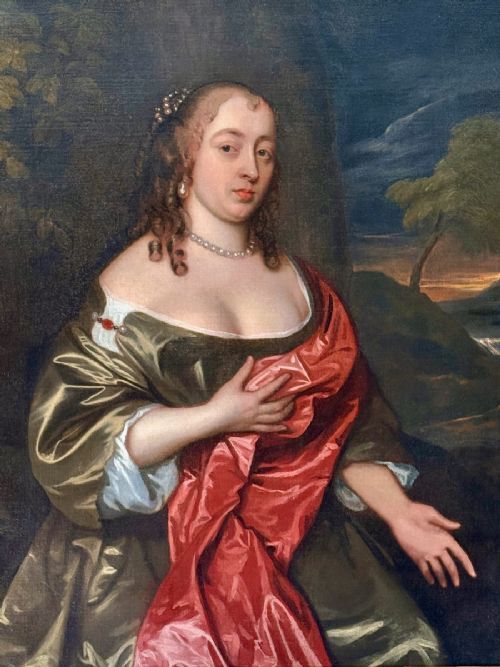
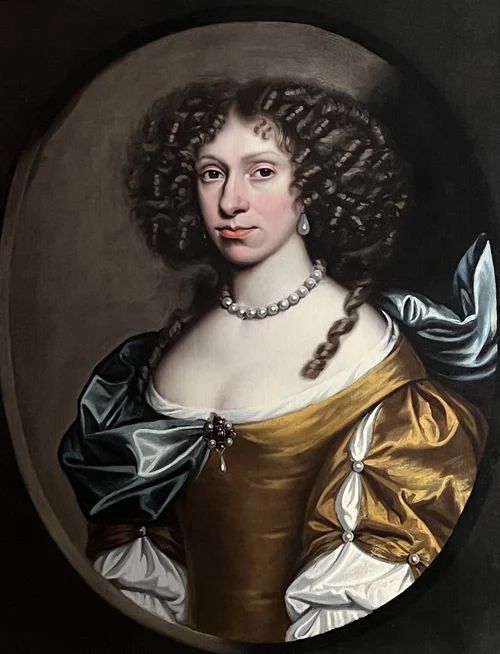
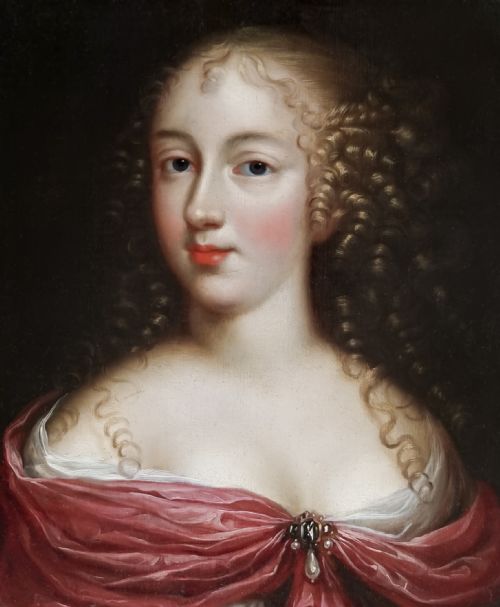
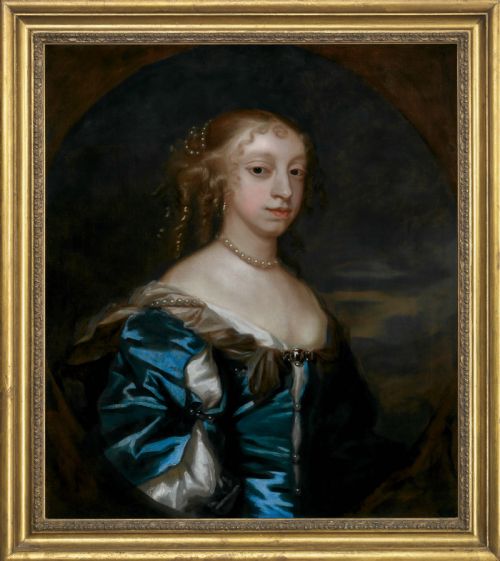
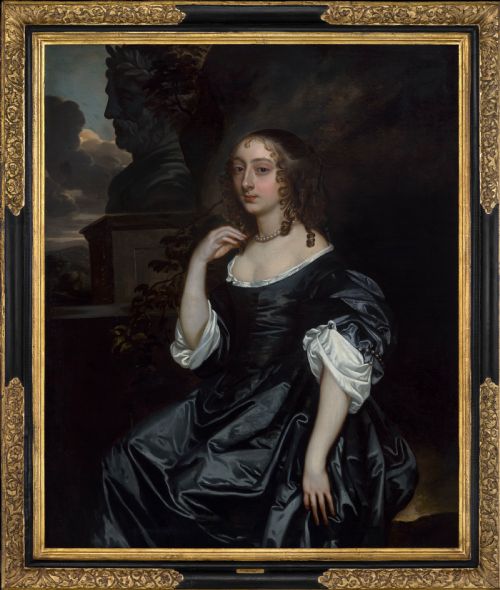
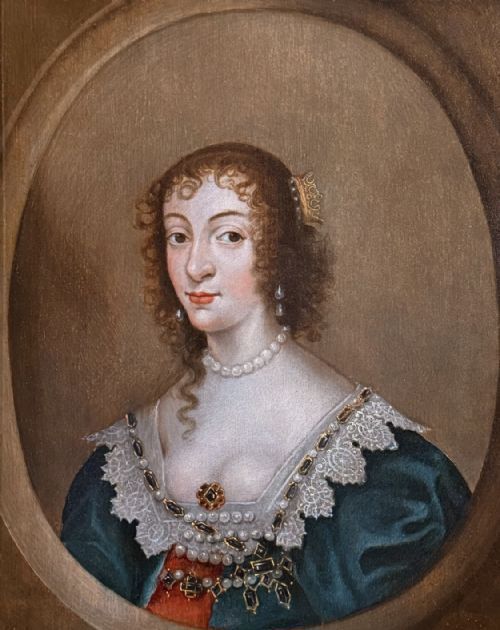
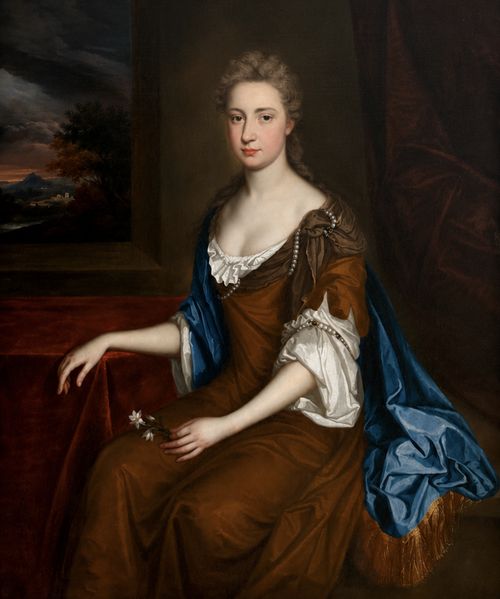
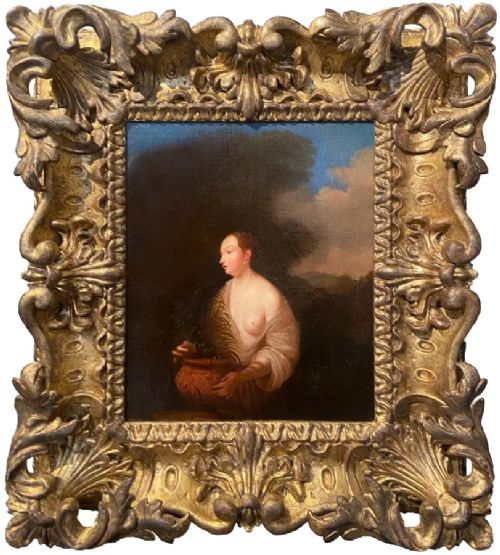
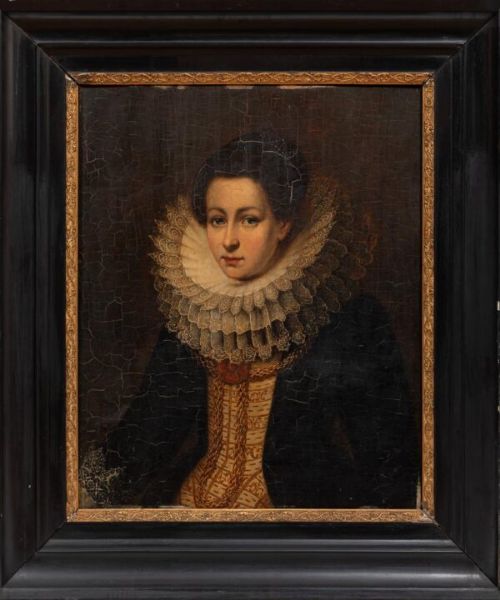
Baroque female portrait art centres on depictions of noblewomen, countesses, and mythological figures rendered during the seventeenth and eighteenth centuries. These works frequently showcase sitters adorned in elaborate gowns, lace ruffs, and pearls, reflecting the status and fashion of the period.
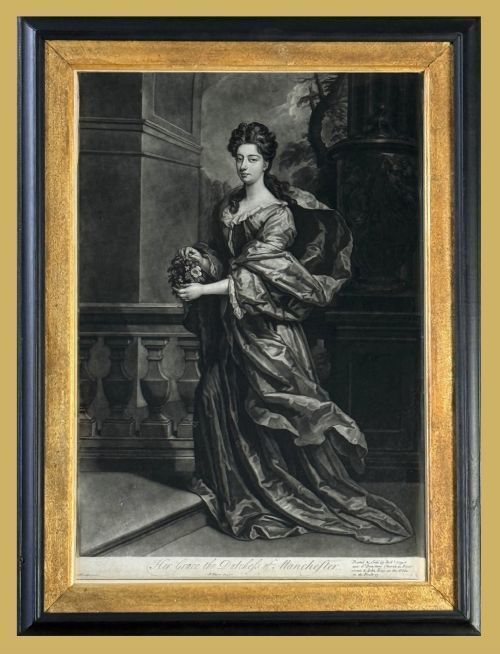
Buyers encounter oil paintings on canvas and panel, alongside period mezzotints and reverse glass prints. The selection spans English, Dutch, and French schools, capturing subjects from noble families in formal settings or symbolic guises.
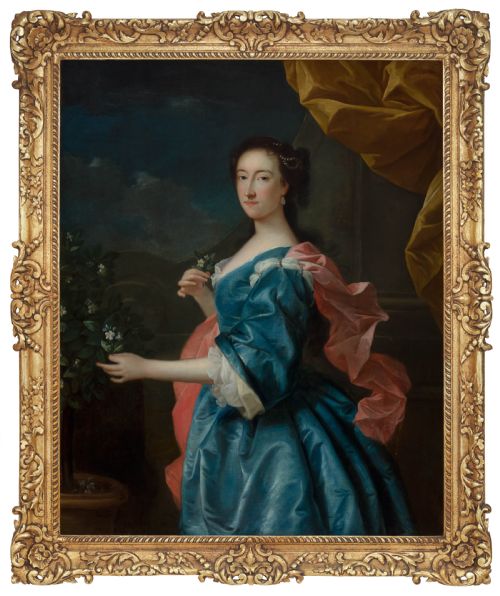
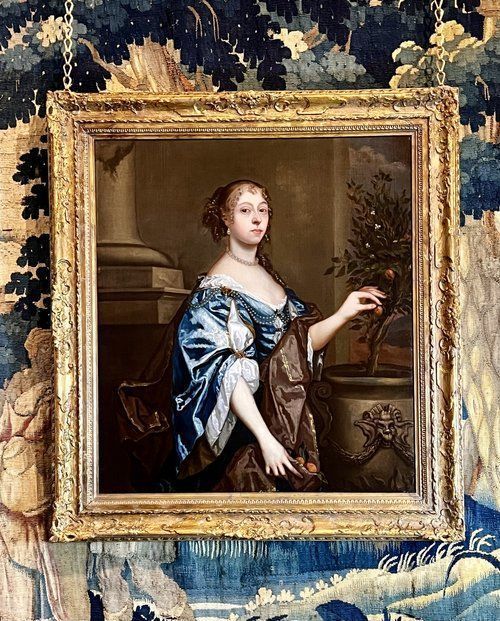
Many pieces connect to notable portraitists and their circles, ranging from studio productions to signed works. Subjects often include symbolic elements such as orange trees, flowers, or musical instruments, adding layers of narrative depth to the visual record.
Materials and technique
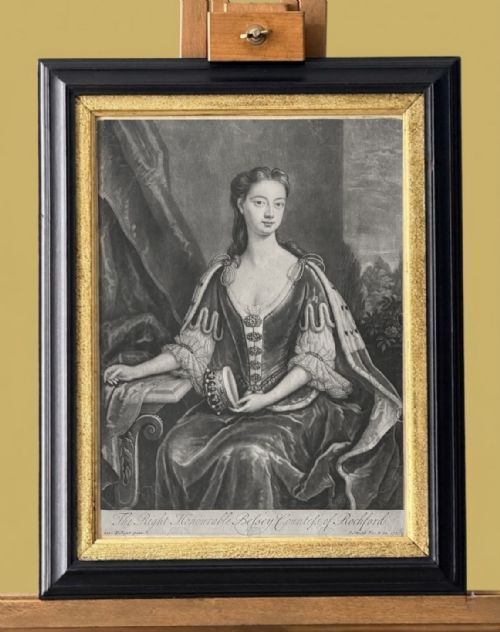
Artists built these compositions primarily using oil paint on woven canvas or wooden panels, applying rich pigments to achieve deep drapery tones and luminous skin textures. Mezzotint printmaking offered an alternative method for reproducing tonal portraits on paper.
Original frames utilise wood and giltwood, often finished with gold leaf to complement the warmth of the oil paintings. These surrounds reinforce the visual weight typical of the period aesthetic.
Several noble sitters share space with botanical novelties, clutching prized oranges to signal imported wealth.
Assessing quality
Quality reveals itself in the handling of facial expression, fabric folds, and hand placement, where master painters achieved convincing volume and texture. Studio repetitions show varying degrees of baseline execution compared to primary autograph works.
The preservation of the paint surface and the integrity of the original ground layer dictate visual impact. Intricate details in lace collars, jewels, and background landscapes elevate the standing of a canvas.
John Hayls·David Scougall·Jeremiah Davison·Pierre Mignard·Pieter Borsseler·Sir Peter Lely·John Smith·Charles D'Agar·Sir Van Dyck·Robert Byng·John Faber Jr·Sir Godfrey Kneller·Toussaint Gelton·Henri Beaubrun·Charles Beaubrun·Cornelius Johnson·John Greenhill·Nicolaes Maes·Nicolas Fouché·Pierre Gobert·Guido Reni·Thomas Murray·Balthasar Denner·Pieter Nason·Fra Galgario
The Baroque Female Portrait Art Glossary
- Mezzotint
- A printmaking process where the copper plate is roughened to achieve rich dark tones and subtle tonal gradations. This technique allowed eighteenth-century printmakers to translate painted portraits into detailed prints.
- Panel
- A rigid wooden support used for oil paintings before canvas became universally adopted. These surfaces often consist of oak or exotic woods prepared with a gesso ground.
- Circle of
- A designation indicating the work was produced by an artist closely associated with a master, working in a shared stylistic environment. It denotes proximity to a prominent workshop without a direct signature.
- Giltwood
- Wood carved and coated with gold leaf or metallic powder to create a reflective, gilded surface. This material was standard for framing elaborate period paintings.
- Ruff
- A projected starched collar worn during the late sixteenth and early seventeenth centuries. These pleated linen accessories appear frequently in early portraits to indicate wealth and fashion.
Baroque Female Portrait Art: Frequently Asked Questions
What periods do these portraits cover?
The available works primarily date from the seventeenth and eighteenth centuries, with occasional nineteenth-century examples and later interpretations.
Subjects span the Stuart, Georgian, and Dutch Golden Age eras, reflecting the evolving portrait conventions of those decades.
How were these paintings originally displayed?
Noble families hung large oil portraits in country houses and town residences to establish lineage and social standing. Gilded wooden frames enhanced their presence in formal rooms.
Smaller panel works and prints offered intimate decoration for private chambers and studies.
How do I identify a studio work?
Attributions to a studio or circle indicate that artists working under a master completed the piece following established workshop models. These paintings share the stylistic traits of prominent painters like Sir Peter Lely or Van Dyck.
Examining brushwork and composition helps distinguish direct studio output from later followers.
What subjects appear besides noble sitters?
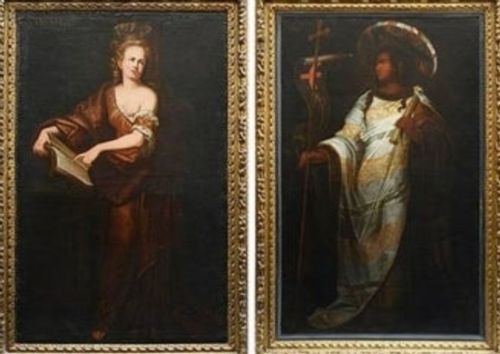
Portraits frequently incorporate allegorical identities, such as sitters depicted as Flora or saints holding traditional attributes. Botanical elements like orange trees and blossoms also appear alongside musical instruments.
These symbolic additions connect the portraits to classical mythology and contemporary garden culture.