





Baroque Copperplate Print
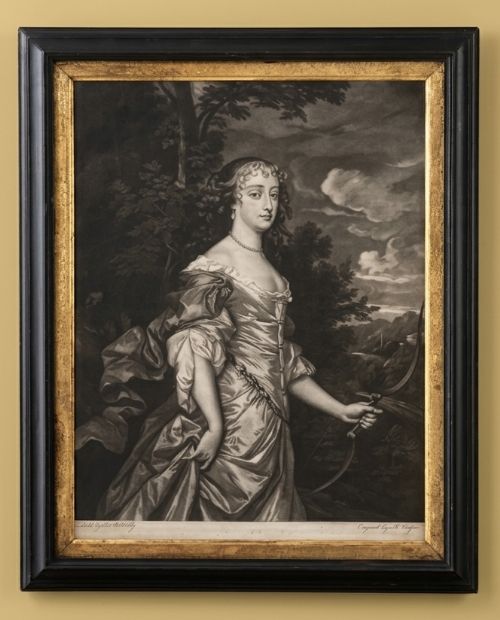
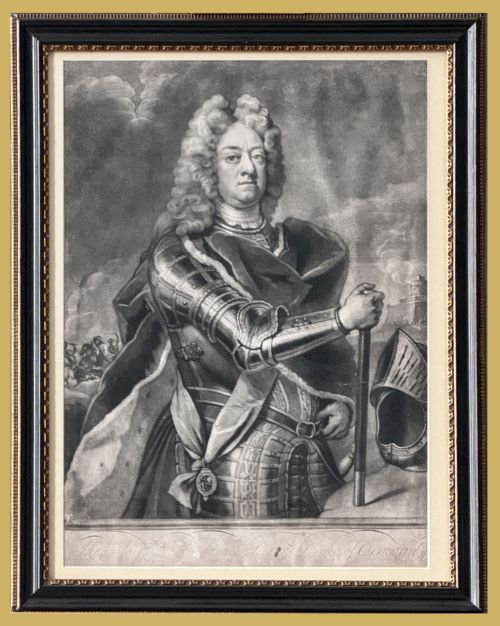
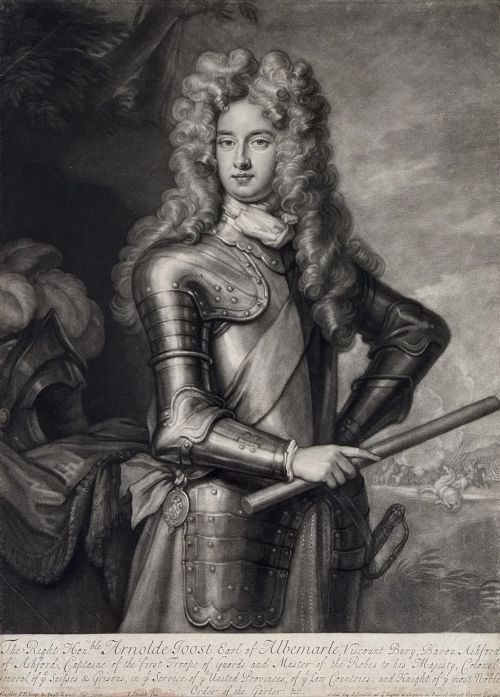
These baroque copperplate print pieces bring seventeenth and eighteenth-century portraiture and classical antiquity directly to your walls.
Baroque Copperplate Print
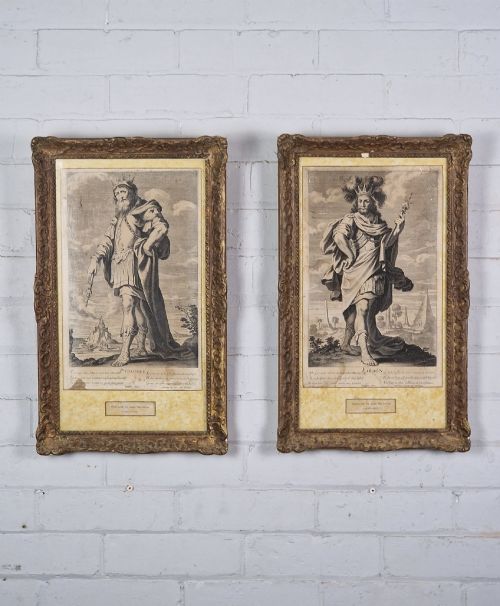
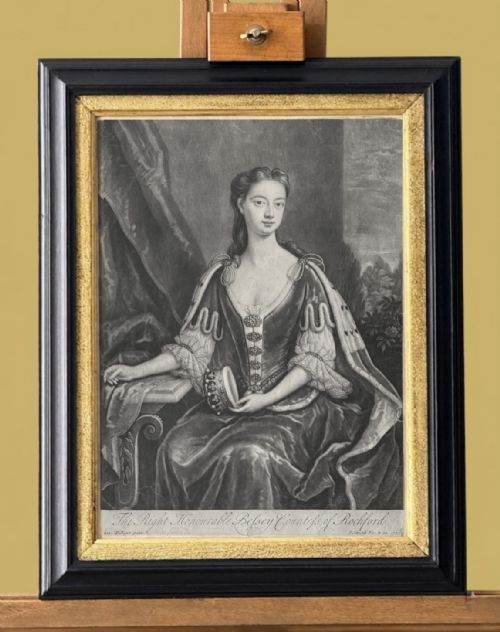
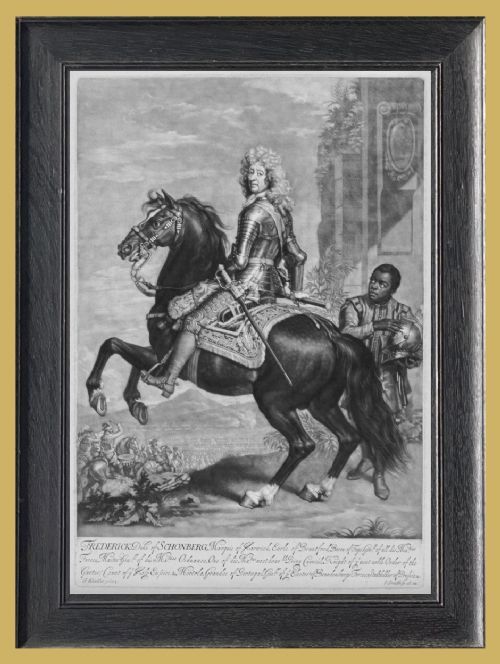
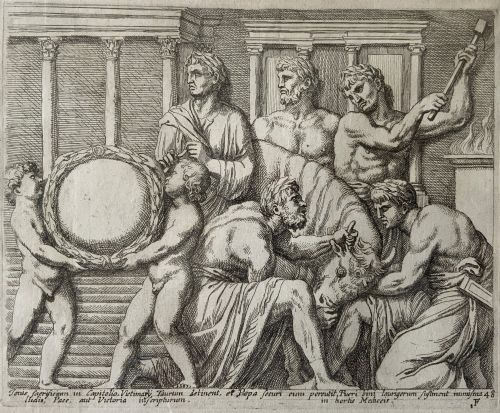
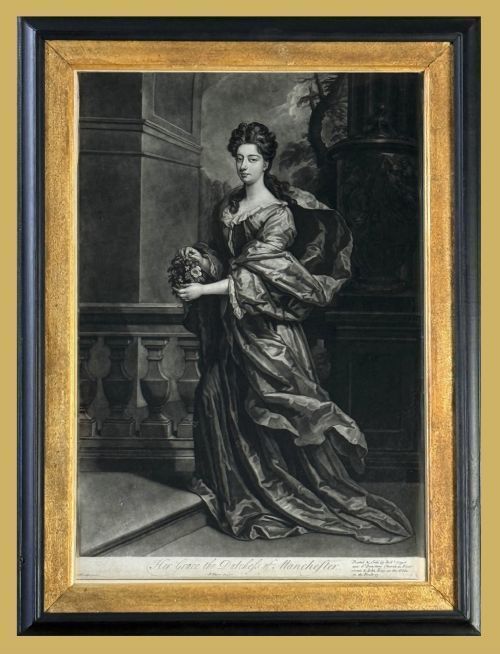
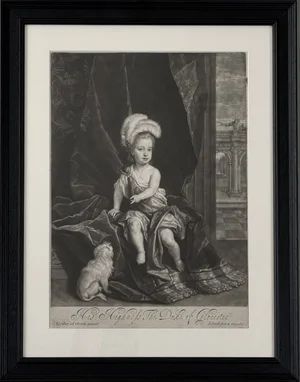
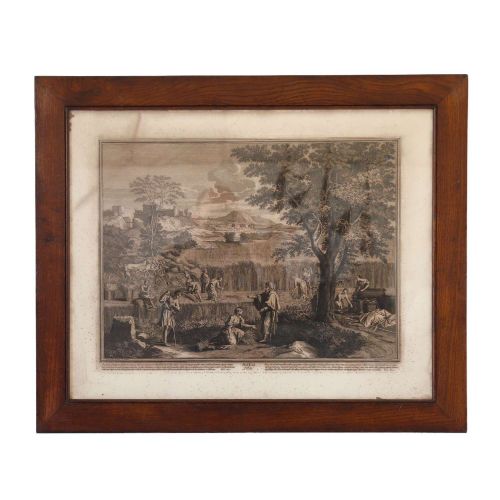
A baroque copperplate print captures the depth and drama of historical portraiture and classical scenes from the seventeenth and eighteenth centuries. These works span framed prints, engravings, and mezzotints created by master printmakers working after celebrated painters.
You will most commonly encounter framed portraits and classical subjects originating from French and English traditions. These pieces frequently pair historical engravings with period walnut or gold leaf frames that enhance their original character.
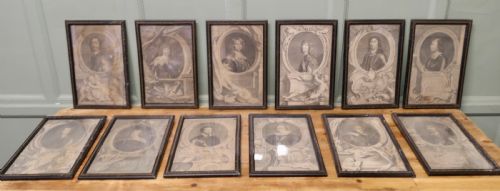
The selection here encompasses individual framed artworks as well as larger sets of original engravings. Each piece preserves the distinct ink work and paper texture characteristic of early printing techniques.
How they were made
Makers inscribed lines directly onto metal plates using sharp tools or acid etching before applying ink to paper. This copperplate method allowed artisans to reproduce intricate details from paintings by artists such as Sir Godfrey Kneller and Michael Dahl.
Printers often utilised specialised ink on high-grade paper to achieve the rich tonal gradations seen in mezzotints and etchings. Finished works were frequently mounted behind glass and housed in wooden frames, sometimes accented with gold leaf.
Baroque Copperplate Print Retail Price Guide 2026
Typical asking prices for baroque copperplate print among the pieces listed under this phrase on Sellingantiques today, from the lower quarter to the upper quarter. They describe what is for sale here now, not the wider market.
The listings feature paper, wood, glass, ink, gold leaf, and walnut across seventeenth and eighteenth-century periods.
What varies in quality
The distinction between average examples and superior pieces rests upon the precision of the ink impression and the fidelity of the printmaker's hand. Early strikes from a copperplate retain sharper lines and deeper contrasts before the plate shows wear.
Framing and preservation significantly influence the overall character of a piece. Original walnut frames and clean, stable paper sheets elevate the historical integrity of these works compared to later replacements or heavily restored examples.
John Smith·François Perrier·John Faber Jr·Jacobus Howbraken·John Simon
The Baroque Copperplate Print Glossary
- Mezzotint
- A printmaking process where the copper plate is roughened to achieve rich dark tones and subtle gradations of light. This tonal method was widely used for seventeenth and eighteenth-century portraiture.
- Engraving
- A technique where an artisan cuts lines directly into a metal plate using a burin to hold the ink. It yields sharp, clean lines that define the subject.
- Etching
- A process utilising acid to cut lines into a metal plate covered with a protective ground. Artists used this method to render fluid, painterly lines in classical and historical scenes.
- Copperplate
- A flat sheet of copper utilised as the matrix for engraving or etching in early printmaking. Master printers inked these plates to transfer images onto paper.
Baroque Copperplate Print: Frequently Asked Questions
What is a baroque copperplate print?
These works are historical prints produced from engraved or etched metal plates during the seventeenth and eighteenth centuries. They typically depict prominent historical figures or classical scenes created by master printmakers.
Printers used specialised ink on paper to capture the rich tonal qualities of paintings by renowned artists of the period. Many survive today preserved in period frames.
How should I hang these prints?
Protect these works from direct sunlight to prevent the paper and ink from fading over time. Maintain stable room humidity to safeguard both the historical paper and any wooden framing.
Display them at eye level on interior walls away from direct heat sources. Proper placement ensures the delicate details of the engraving remain clear and secure.
Are these prints original?
The listings comprise genuine historical prints originating from the seventeenth and eighteenth centuries. They were produced using traditional copperplate engraving and mezzotint techniques of those eras.
Each piece reflects the materials and methods characteristic of historical printmaking workshops. Detailed attributions link individual works to contemporary printmakers and artists.
What frames do they come in?
Many prints are housed in period walnut or gold leaf frames that complement their historical origins. These frames often reflect the prevailing style of the print's era.
Enclosed behind glass, the framed artworks retain their original presentation. The combination of period framing and authentic paper creates a cohesive historical object.