
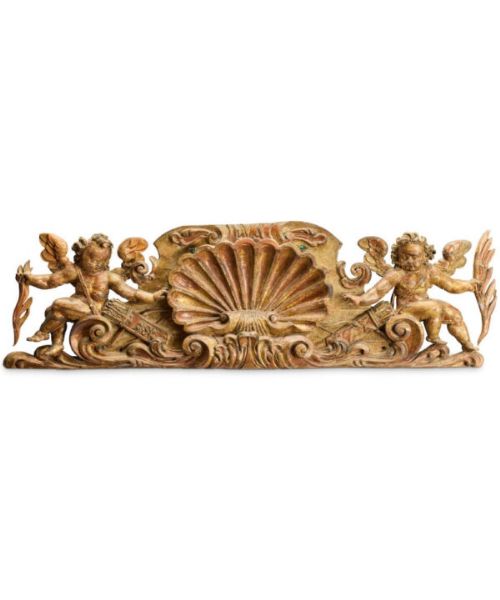
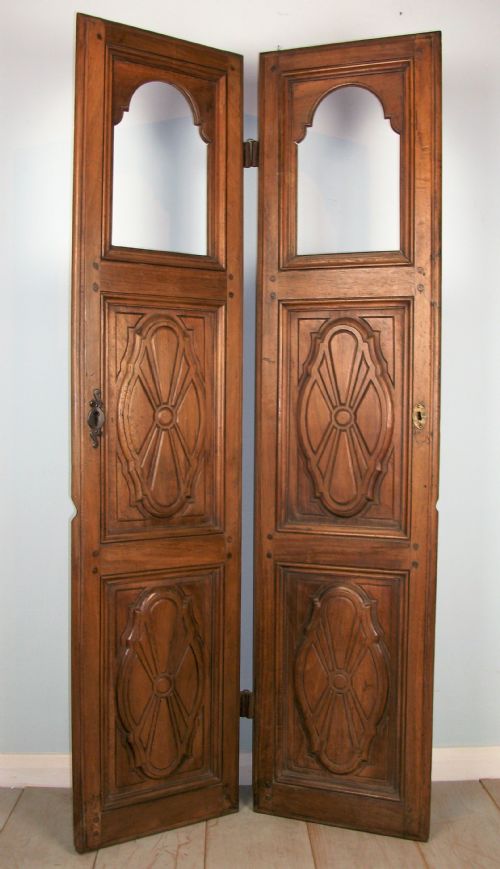


Baroque Carved Panel
A baroque carved panel brings heavy seventeenth-century timber and deep figurative relief into a modern room, offering centuries of European joinery.
Baroque Carved Panel
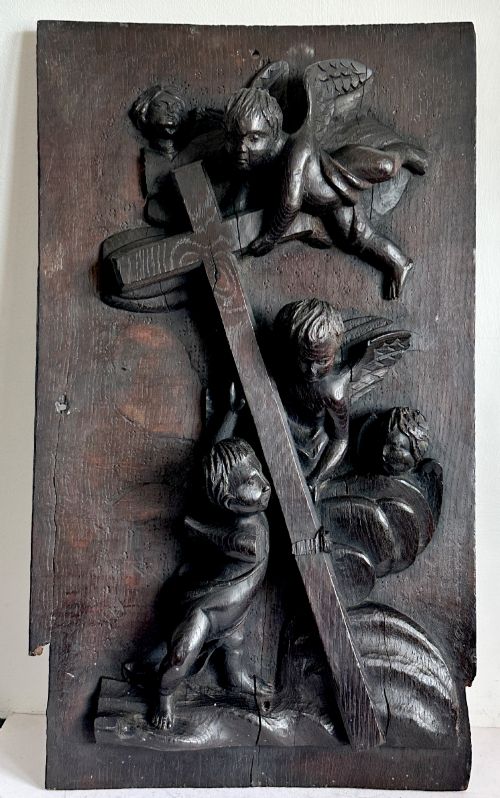
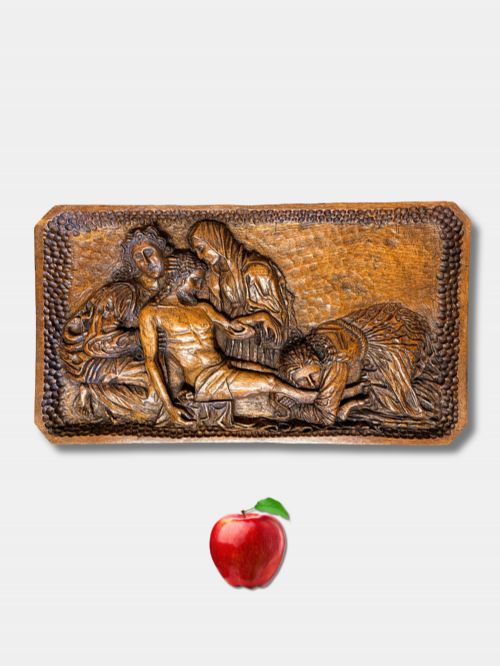
A baroque carved panel represents heavy timber architectural elements and wall reliefs rooted in seventeenth- and eighteenth-century European craftsmanship. These items typically emerge from Dutch, Flemish, German, and Italian workshops, shifting between domestic furniture integration and architectural salvage.
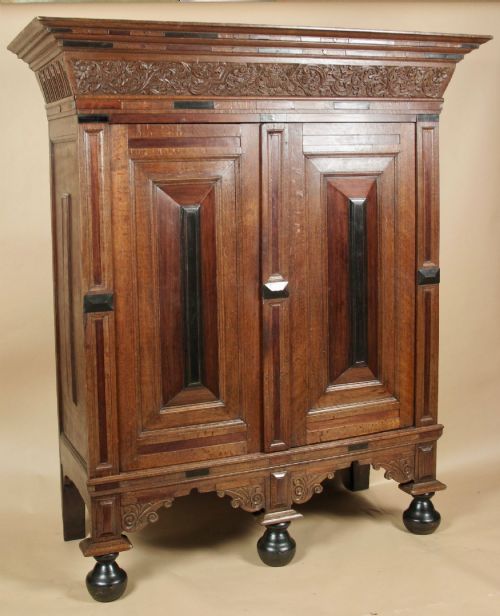
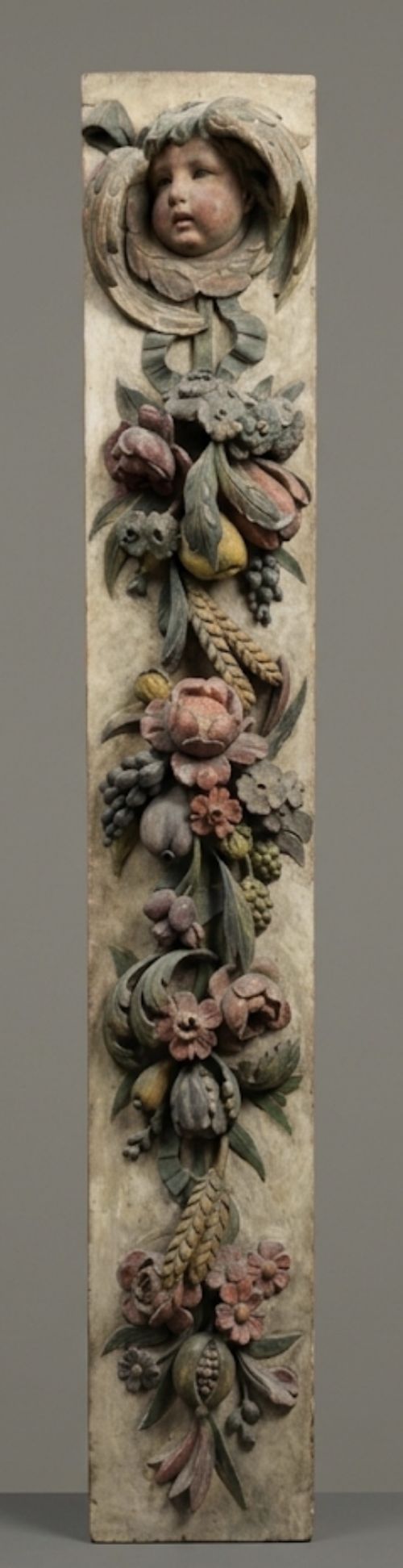
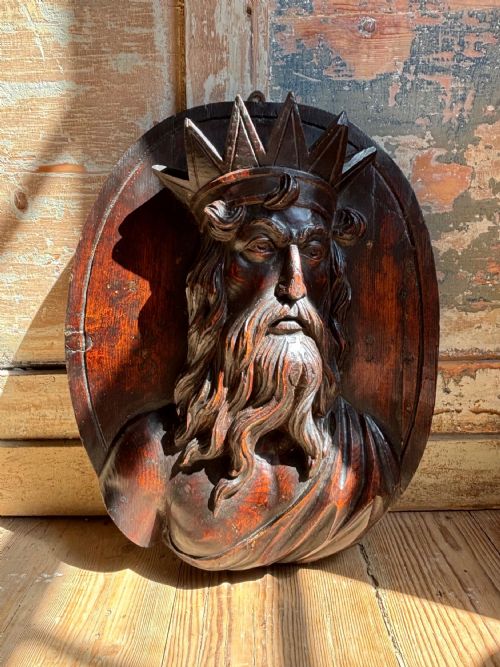
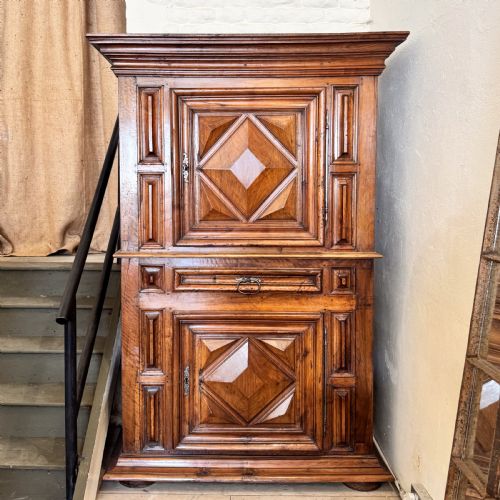
Buyers exploring a baroque carved panel most frequently encounter seventeenth-century oak and walnut examples depicting religious allegories, cherubs, and acanthus foliage. These works often survive as fragments from larger cupboards, overdoors, and staircases rather than standalone artworks.
The selection ranges from restrained Dutch panels to elaborate Italian and Flemish wall sculptures featuring deep undercutting. Pieces span multiple centuries through later nineteenth-century revivals and architectural fragments that retain their original carved surfaces.
Assessing Quality
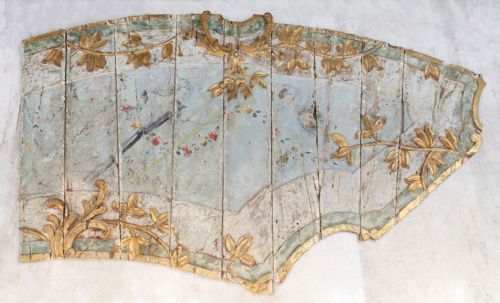
The integrity of the original timber surface and the presence of period finishes like gold leaf or polychromy elevate a panel's historical weight. Retaining structural context from architectural elements rather than modern re-carving defines the finer examples.
One exceptional nineteenth-century piece arrives directly from a French château with the grand title 'Clock of the Universe'.
Edward Pearce·Grinling Gibbons·Balthasar Denner
The Baroque Carved Panel Glossary
- Baroque
- A European artistic style originating around sixteen hundred, characterised by dramatic movement, deep relief, and exuberant ornamentation. It favoured theatrical compositions in wood and stone.
- Acanthus
- A carved ornamental motif modelled on the Mediterranean leaf, heavily utilised in classical and baroque scrollwork. Carvers rendered these leaves in repeating undulating lines across wooden panels.
- Putto
- A figure of a small chubby infant, frequently winged, appearing often in religious and secular baroque carvings. They represent angelic beings or mythological cupids.
- Parcel Gilt
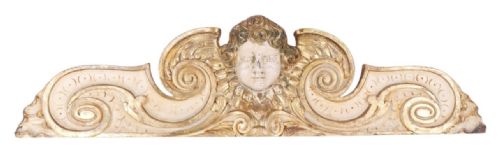
- A technique where portions of a wooden object receive a thin layer of gold leaf while other areas show bare timber or paint. This method highlights specific carved motifs.
- Architectural Salvage
- Building components rescued from demolition or alteration, including overdoors, pediments, and panelled walls. These fragments are repurposed as interior wall decoration.
- Pediment
- A triangular or segmented architectural crown placed above doors, windows, or cupboards. In baroque joinery, these structures often carry heavy carvings and gilt accents.
Baroque Carved Panel: Frequently Asked Questions
How were baroque carved panels originally used?
These panels functioned primarily as integrated architectural elements within grand European interiors, churches, and civic buildings. Joiners built them directly into wall panelling, overdoors, staircases, and large storage furniture like cupboards.
Over subsequent centuries, many panels were detached from their original structures to be mounted independently on walls as decorative art. Their robust timber construction allowed them to survive centuries of interior alterations.
How do I hang a heavy wooden panel safely?
Due to the substantial weight of seventeenth-century oak and walnut, wall mounting requires locating structural studs or utilising heavy-duty masonry fixings. Professional framing or custom metal brackets help distribute the load evenly across the timber.
Avoid hanging panels on damp exterior walls or in direct sunlight, as fluctuations in temperature and humidity cause old hardwood to warp or split.
Are these panels from the seventeenth century?
Many examples originate from the seventeenth century, constructed during the height of the baroque period in Europe. However, nineteenth-century revival pieces and later architectural fragments also appear frequently in the category.
Examining the tool marks on the reverse, the grain shrinkage, and the patina of the timber helps determine whether a panel dates to the original period or a later revival.