


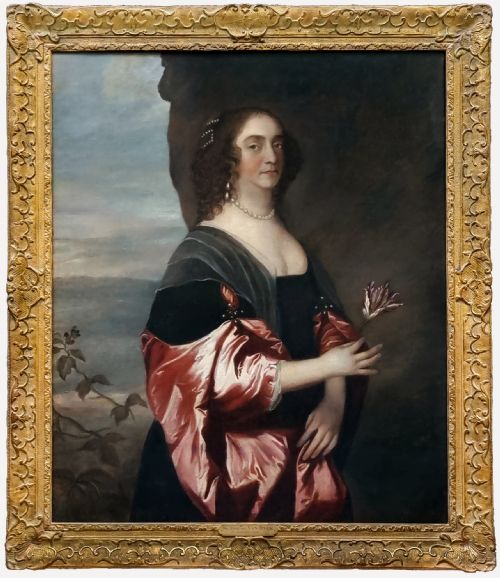

Baroque Aristocratic Portrait
When you handle a baroque aristocratic portrait, you hold a tangible piece of seventeenth and eighteenth-century high society rendered in oil paint and giltwood.
Baroque Aristocratic Portrait
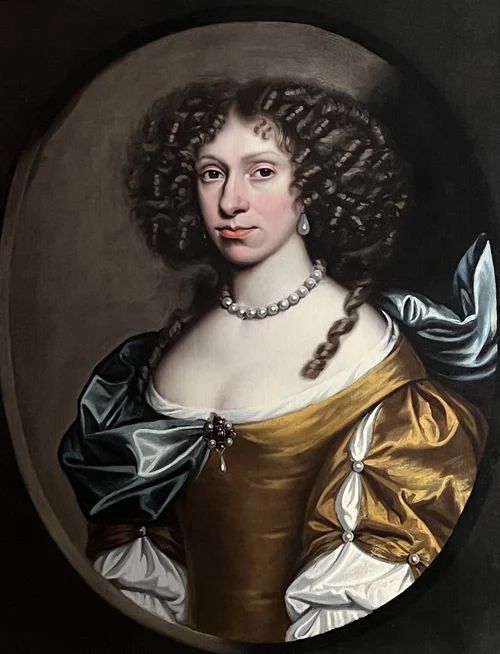
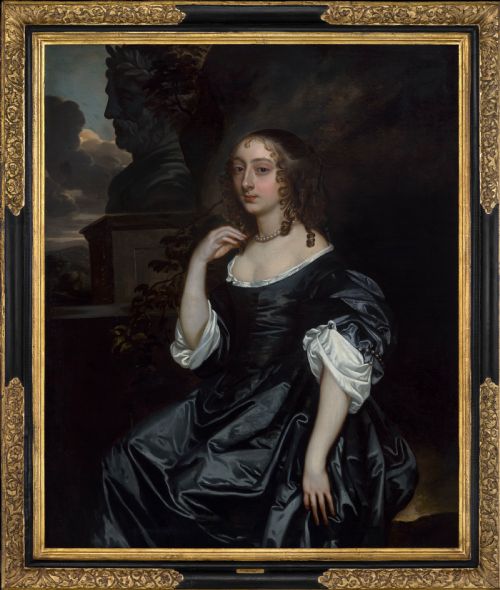
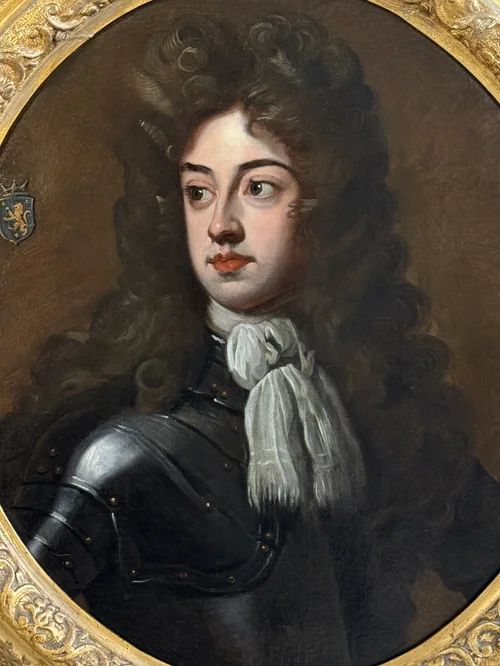
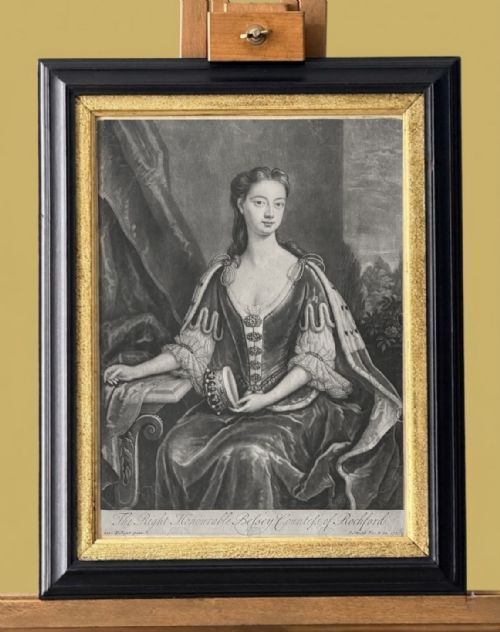
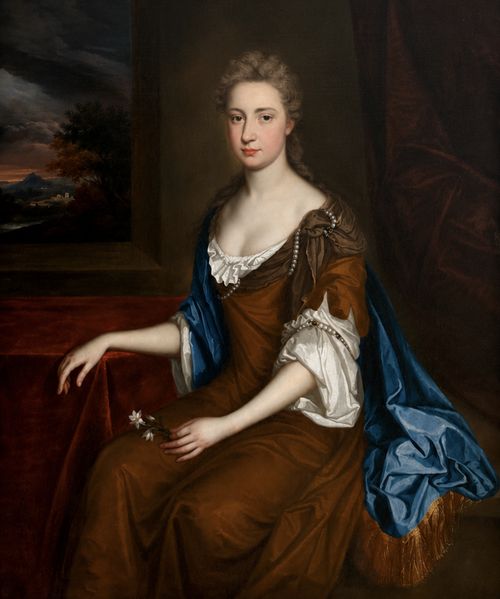
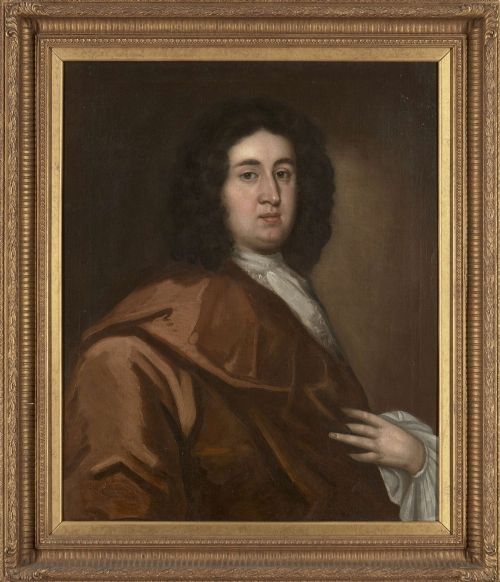
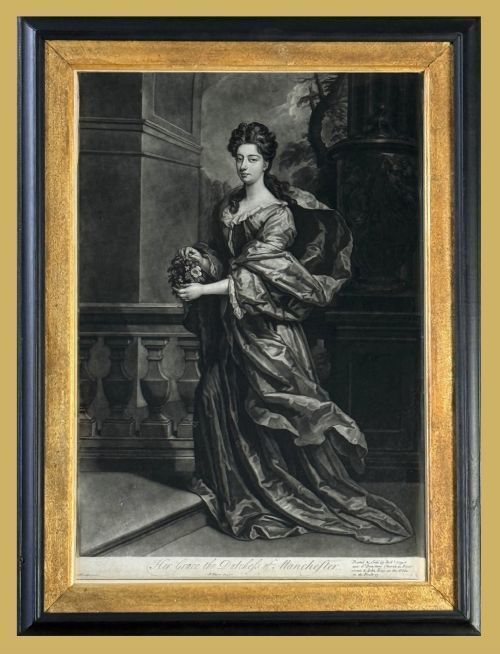
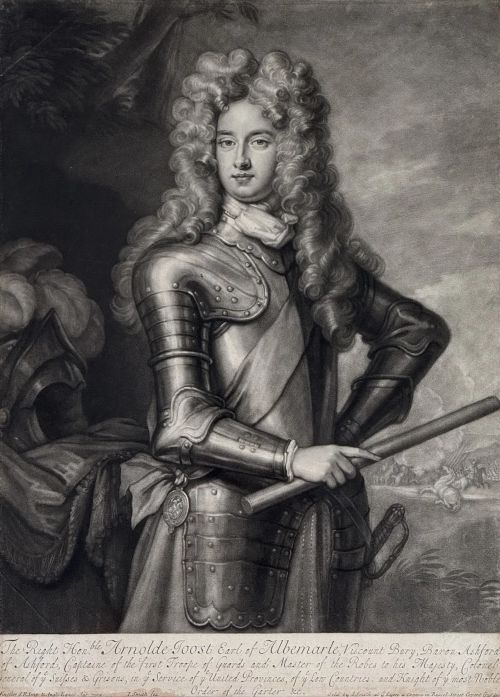
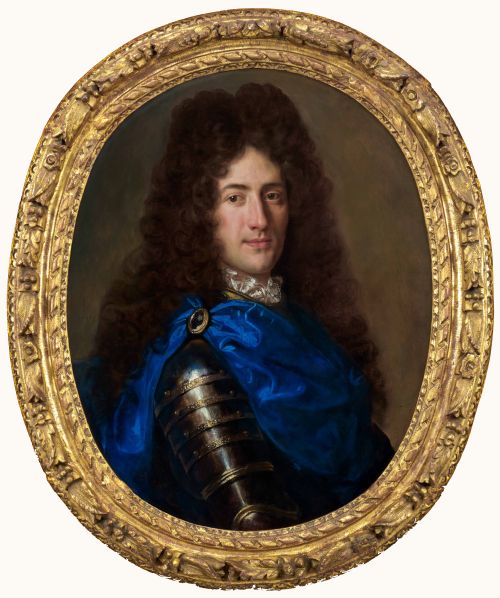
A baroque aristocratic portrait captures noblemen, ladies, and monarchs from the seventeenth and eighteenth centuries, frequently rendered in oil on canvas or through fine mezzotint prints. You will most commonly encounter seventeenth-century oil paintings and studio works reflecting British and continental baroque styles.
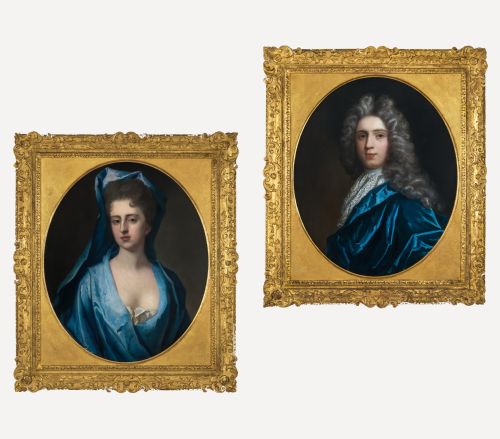
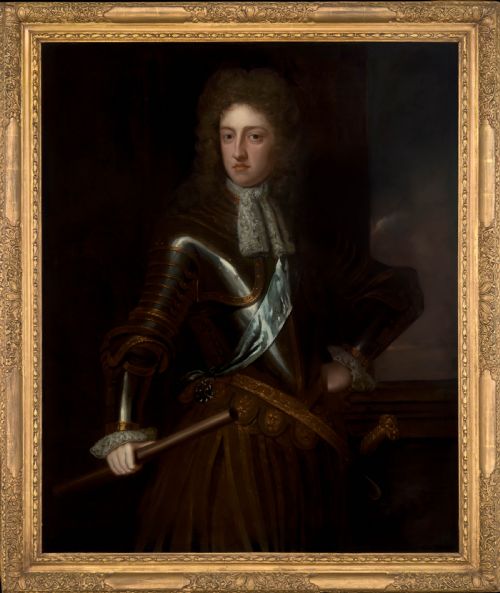
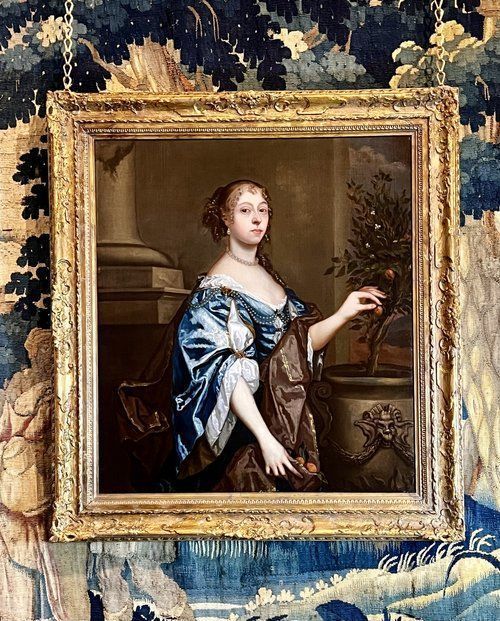
Subjects appear draped in silks, armour, or velvet, often identified by familial crests or the specific cut of their garments, marking their standing in courtly life. These pieces document the lineage of nobility, ranging from named earls and countesses to anonymous sitters from the Dutch Golden Age.
The assortment spans formal oils framed in original wood and gold leaf alongside occasional eighteenth-century mezzotint engravings after master painters. Every piece preserves the gravity and splendour expected of elite historical portraiture.
Materials and Construction
Painters of this era applied oil paint directly onto stretched canvas, building rich tones for velvet drapery, lace collars, and flesh with layered glazes. Pigments relied on natural mineral and organic sources, which yield the deep reds, greens, and azures characteristic of the period.
Surviving canvases sit within heavy wooden frames finished with gesso and gold leaf, occasionally styled in deep giltwood relief. Mezzotint prints utilise inked copper plates to achieve tonal gradation, reproducing painted portraits for a wider contemporary audience.
Current listings feature seventeenth and eighteenth-century works executed in oil on canvas, wood, and gold leaf.
Assessing Artistic Merit
Quality rests upon the handling of facial expression, the realism of fabric textures like silk and ermine, and whether the hand belongs to a master, a studio assistant, or a regional follower. Superior works capture psychological depth and anatomical precision rather than relying on rigid formulas.
David Scougall·John Hayls·Michael Dahl·Thomas Murray·Sir Godfrey Kneller·Pieter Borsseler·Sir Peter Lely·John Smith·John Closterman·John Faber Jr·Charles D'Agar·Trajan Hughes·Joseph Vivienne·Nicolas De Largillière·Sir Anthony van Dyck·Pieter Nason·Johann Kerseboom·Willem Wissing·Bartholomeus van Burgindis·John Michael Wright
The Baroque Aristocratic Portrait Glossary
- Baroque
- A European artistic style of the seventeenth and early eighteenth centuries characterised by grand drama, rich colour, and dynamic movement. It dominated court portraiture across Britain and the continent.
- Mezzotint
- A printmaking process where the copper plate is roughened to achieve dark tones and scraped back to create highlights. This method allowed intricate tonal reproduction of painted aristocratic portraits.
- Giltwood
- Wood carved and coated with a thin layer of gold leaf or metallic powder. It forms the ornate, reflective frames typical of high-status wall art from this era.
- Studio of
- A designation indicating a work produced under the direct supervision of a master artist, often utilising the master's sketches and methods. It represents authentic period execution from the inner circle of a recognised painter.
- Old Master
- A term for a European artist of high skill working before the nineteenth century. These painters established the foundational techniques seen in classical portraiture.
Baroque Aristocratic Portrait: Frequently Asked Questions
What is a baroque aristocratic portrait?
These works are formal oil paintings or period prints depicting nobility, monarchs, and notable families from the seventeenth and eighteenth centuries.
They emphasise status through rich attire, symbolic props, and dramatic lighting characteristic of the baroque movement.
How do I identify studio versus master works?
Pieces attributed to the studio of an artist were created by assistants under the master's direct guidance and supervision.
Master works display the primary hand of the named painter, whereas studio or circle pieces offer similar period quality with slight variations in execution.
How were these portraits originally displayed?
Aristocratic families hung these large canvases in the galleries, halls, and staterooms of country estates and townhouses.
The heavy giltwood frames were designed to project power and lineage to visiting guests.
How should I care for an antique oil painting?
Keep the canvas away from direct sunlight, high humidity, and rapid temperature fluctuations to prevent cracking in the oil paint.
Dust the giltwood frame gently with a dry, soft brush without applying pressure to the gesso surface.