
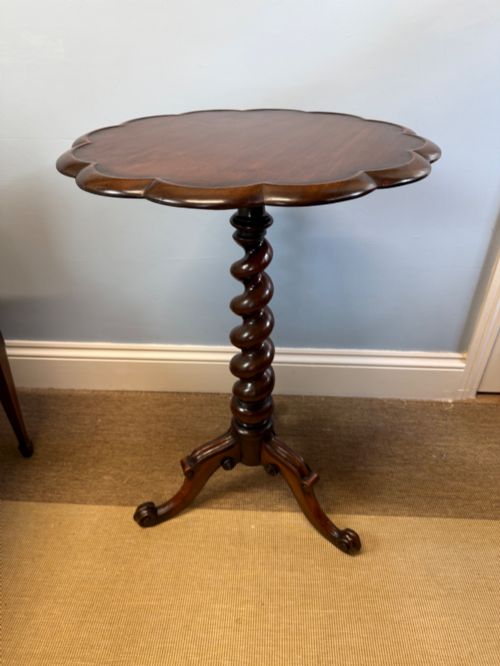
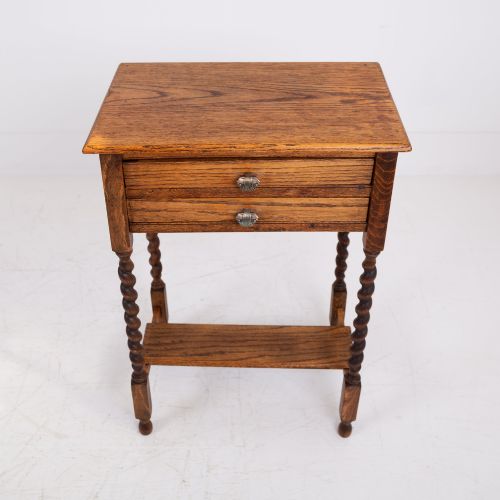
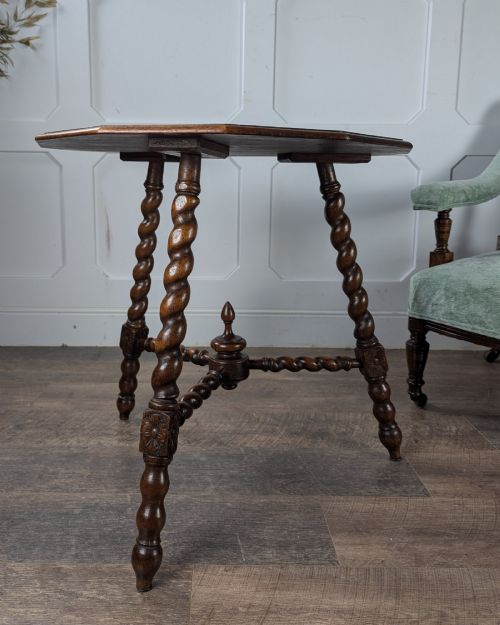
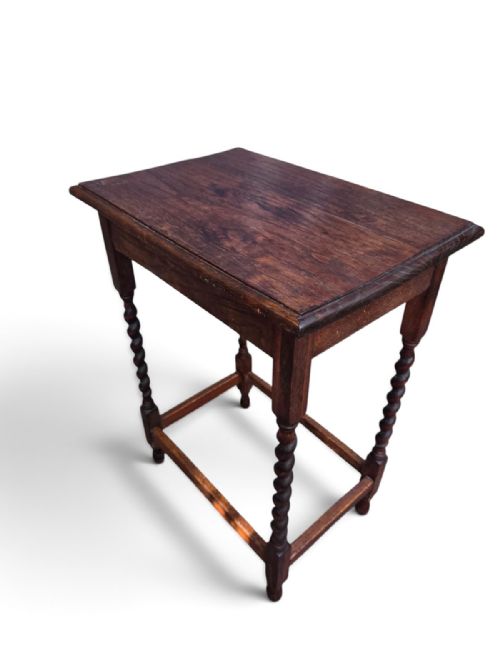
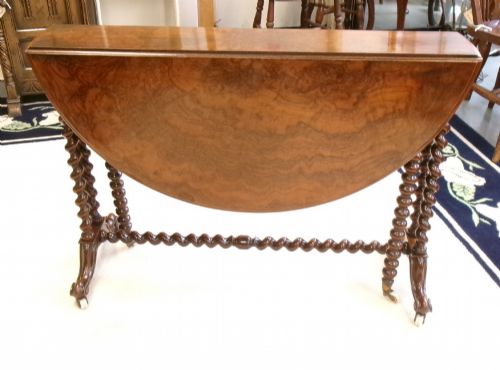
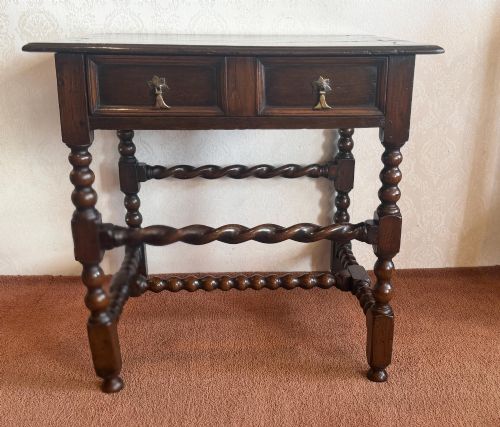
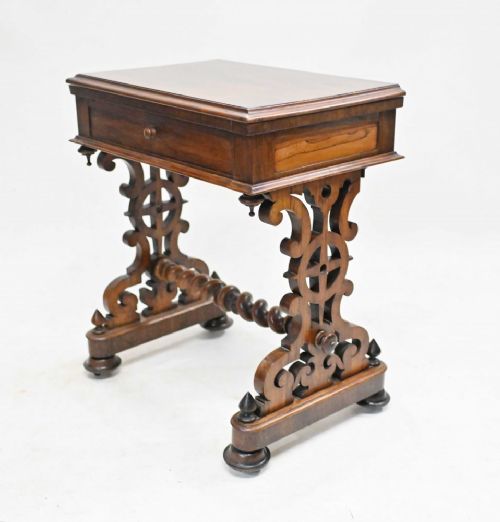

Barley Twist Occasional Table
A barley twist occasional table brings tactile turned timber and compact utility to a room, offering surface space with structural interest.
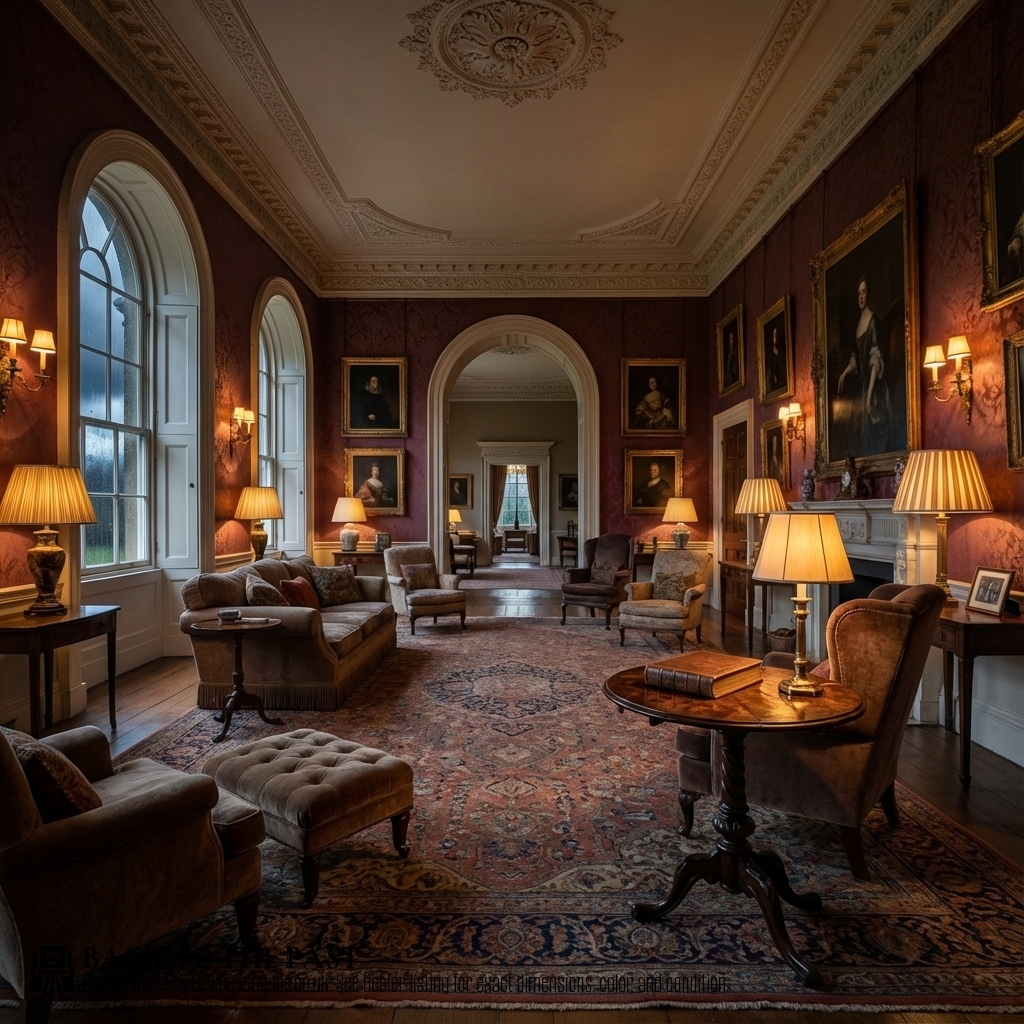
Barley Twist Occasional Table
A barley twist occasional table is a small, moveable piece designed for flexible placement in a room, serving as a lamp, wine, or side table. The core of this selection comprises Victorian and Edwardian examples alongside later twentieth-century iterations.
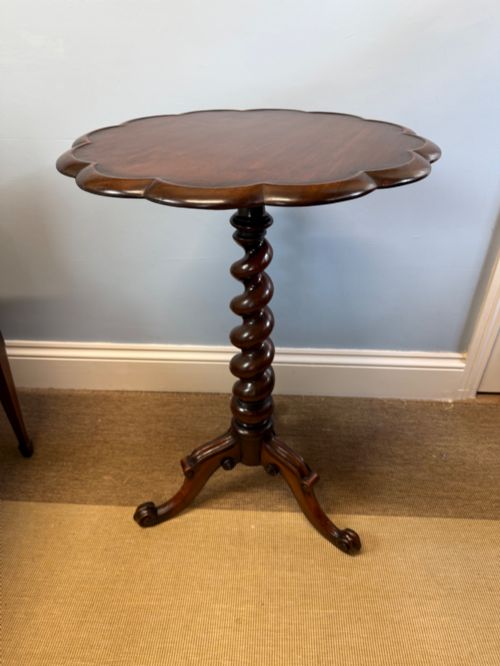
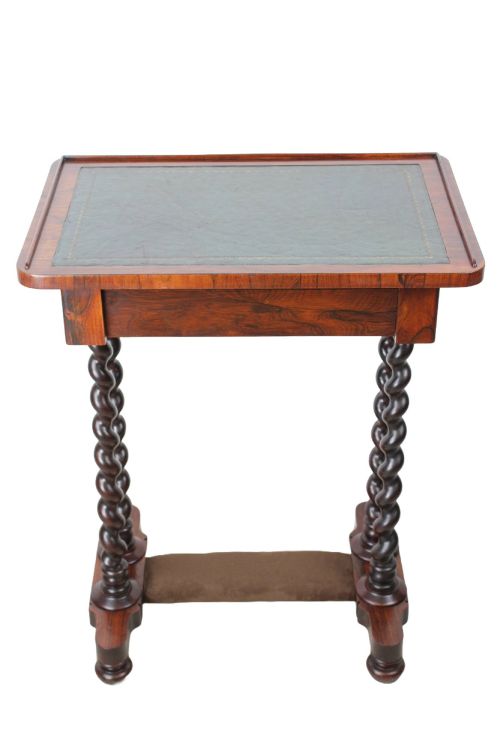
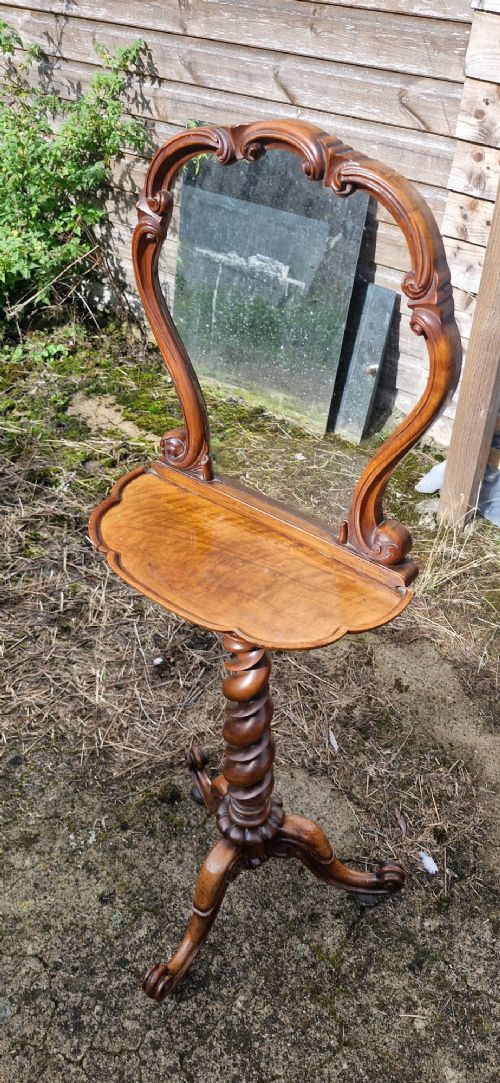
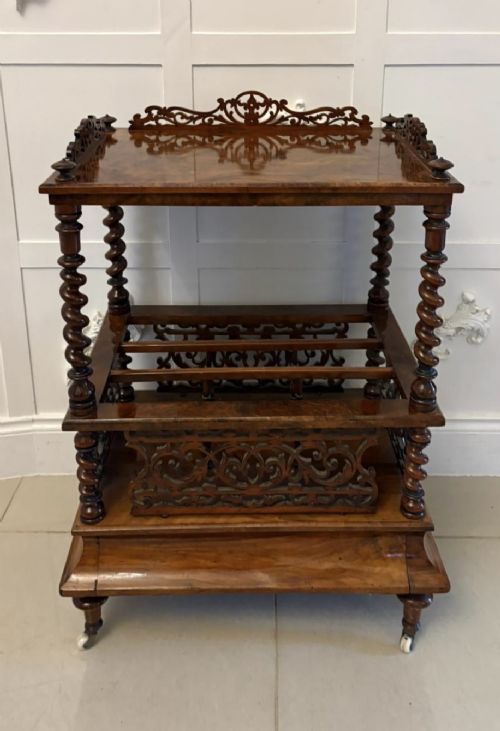
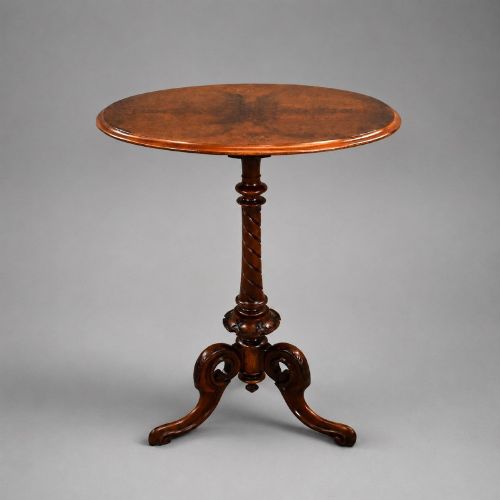
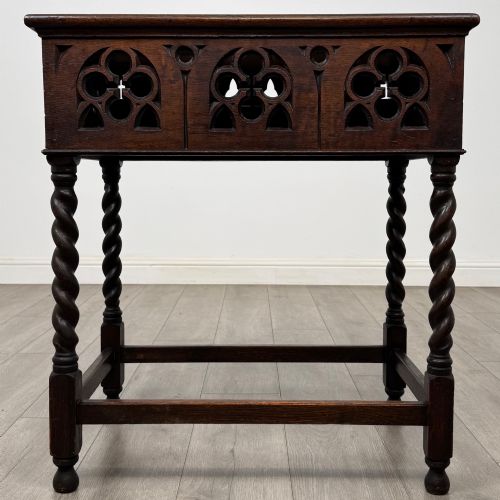
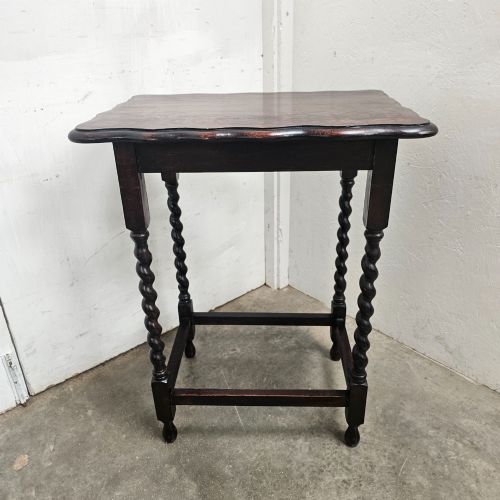
Most pieces encountered on this page are constructed from oak, walnut, or mahogany, featuring the signature spiral leg turning that defines the style. These tables appear in various tabletop shapes, including round, oval, square, and pie crust designs.
While many examples date from the nineteenth and early twentieth centuries, the lineage extends from seventeenth-century forms through to later revival styles. Their compact proportions make them adaptable for modern interiors needing modest surface areas.
How They Were Made
The defining spiral legs were produced using lathe turning and hand finishing, shaping solid timbers such as oak and walnut into continuous symmetrical twists. Joinery typically relies on traditional methods like mortise and tenon or dowelled framing to attach the turned legs to the tabletop and stretchers.
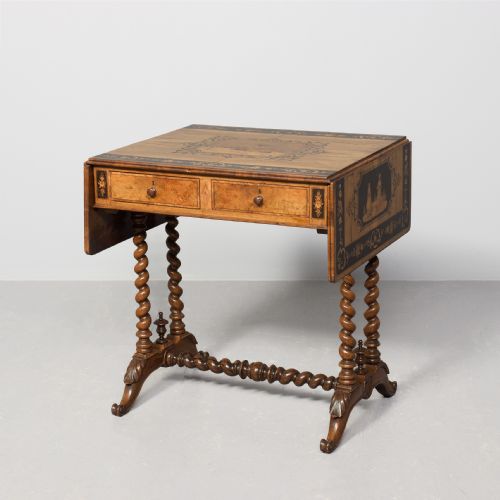
Surfaces frequently showcase veneering techniques, particularly burr walnut and mahogany applied to solid secondary woods, sometimes finished with marquetry inlay or edge mouldings. Timber selection dictated the grain pattern, with quarter-sawn oak and figured walnut chosen for their visual depth.
Barley Twist Occasional Table Retail Price Guide 2026
Typical asking prices for barley twist occasional table among the pieces listed under this phrase on Sellingantiques today, from the lower quarter to the upper quarter. They describe what is for sale here now, not the wider market.
The listings span multiple centuries, uniting seventeenth-century bobbin-turned examples with Victorian, Edwardian, and twentieth-century oak and walnut revivals.
What Varies In Quality
Quality rests in the crispness of the timber turning and the selection of the wood itself, distinguishing sharply carved or figured surfaces from plain, softer equivalents. Heavier gauge timber in the legs and underframe provides better stability and longevity compared to thin, lightweight assemblies.
Construction detail separates standard utilitarian pieces from finer workshop productions, visible in the precision of the joinery and the matching of veneers across the top. The condition of the timber finish, whether polished mahogany or waxed oak, reflects the original status and subsequent care of the table.
The Barley Twist Occasional Table Glossary
- Barley twist
- A spiral turning resembling the stalk of barley, created on a lathe or by hand carving. This decorative form appears predominantly on the legs and stretchers of seventeenth-century and revival tables.
- Occasional table
- A small, moveable table designed for intermittent use around a home rather than a specific permanent function. These pieces serve variously as lamp, side, or wine tables.
- Burr walnut
- A highly prized timber veneer taken from the wart-like growths on walnut trees. It exhibits intricate, swirling grain patterns and was frequently used on Victorian table tops.
- Pie crust table
- A small round table featuring a raised, carved, or moulded edge shaped in undulating curves resembling pastry work. This decorative top treatment is often paired with tripod bases.
- Stretcher
- A horizontal wooden brace connecting the legs of a table to increase structural stability. On these pieces, stretchers often feature matching spiral turning.
Barley Twist Occasional Table: Frequently Asked Questions
What rooms suit a barley twist occasional table?
These compact tables fit easily beside armchairs, sofas, or beds where a small surface is needed for a lamp or book. Their narrow footprints allow them to occupy unused corners or hallways without crowding the floor area.
The warmth of the turned timber complements traditional and eclectic interiors alike, functioning as a deliberate textural accent. Their modest scale means they move simply from room to room as daily requirements change.
How do I date a barley twist table?
Dating relies on observing timber choices, construction methods, and overall proportions relative to known revival periods. Seventeenth-century originals feature heavy, hand-carved spiral turnings in dark oak or walnut, whereas Victorian and Edwardian revivals often utilise machine-turned walnut or lighter oak with sharper, more uniform profiles.
Secondary woods, fixing types, and wear patterns on the feet also offer clues to age. Later twentieth-century examples tend to use simpler, standardised fixings and brighter modern finishes.
Were these tables used for dining?
Most pieces listed are occasional, side, or lamp tables built for decorative display and light utility rather than heavy dining. Occasional formats lack the knee clearance and structural heft required for seated meals.
Exceptions include gateleg or Sutherland variations found within the selection, which feature drop leaves designed to expand surface area. These larger variants accommodated tea service or informal card games rather than formal banqueting.
What is the difference between a side table and an occasional table?
In historical and marketplace terms, the two descriptors overlap significantly and often describe the same class of moveable furniture. A side table traditionally implies placement against a wall, sometimes featuring a drawer for small items.
An occasional table suggests a lighter piece intended to be moved about the room as needed. Both perform identical roles in modern settings, providing accessible surface space.