






Barbizon School Landscape
A barbizon school landscape brings nineteenth-century pastoral atmosphere indoors through French and British countryside scenes painted in oil or watercolour.
Barbizon School Landscape
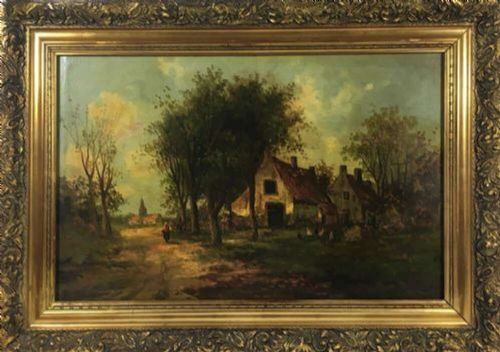
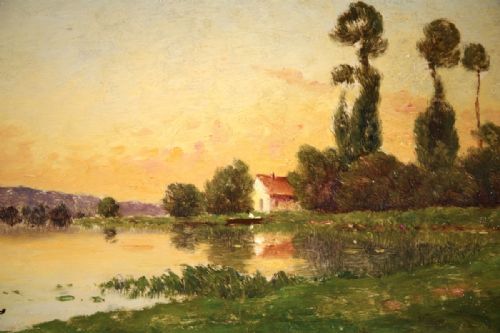
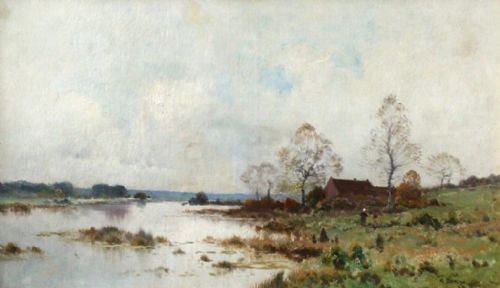
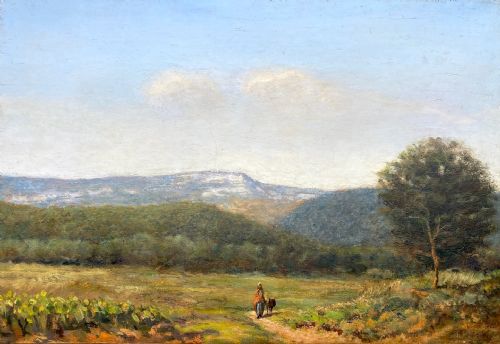
A barbizon school landscape captures the rural nineteenth-century countryside, centring on French and British pastoral views, farmyards, woodland paths, and riverbanks. These works emerge primarily from the nineteenth century, including Victorian periods, with dates spanning from eighteen-sixty to nineteen-twenty.
Buyers encounter oil paintings on canvas alongside watercolours, drawings on paper, and charcoal sketches. The subjects remain grounded in everyday agrarian life, featuring cattle grazing, fishermen by water, woodcutters, and cottages.
Originating from nineteenth-century French and British traditions, these pieces bridge the gap between traditional academic landscape painting and the later emergence of impressionism. The visual focus stays firmly on natural light, atmospheric skies, and the quiet dignity of rural labour.
How they were made
Artists applied oil paint and watercolour onto stretched canvas and prepared paper, working en plein air or translating field sketches into finished compositions. The handling of medium relies on direct brushwork to capture shifting light across fields and rivers.
Woodcutters and chickens occasionally photobomb the grand contemplation of nineteenth-century French nature.
What varies in quality
The distinction between ordinary and exceptional works rests on the confidence of the brushwork and the subtlety of the atmospheric lighting. Superior examples handle tone and shadow with nuance, capturing the humidity of a riverbank or the dust of a farmyard without excessive detail.
Provenance and attribution elevate certain canvases, particularly when works bear a direct link to established nineteenth-century painters or show the distinct atmospheric influence of the French forest of Fontainebleau. The integration of period frames, such as original giltwood surrounds, adds further context to surviving works.
Paul Désiré Trouillebert·Henri Jaques Delpy·Henri Joseph Harpignies·Alphonse Robert·Pierre Emmanuel Eugene Damoye
The Barbizon School Landscape Glossary
- Barbizon School
- A nineteenth-century French movement focused on painting direct from nature, centring on rural landscapes, forests, and agricultural scenes. This approach rejected neoclassical convention in favour of naturalism.
- Giltwood
- Wood carved and coated with gold leaf or gold paint, frequently utilised for nineteenth-century picture frames. This finish enhances the warmth of pastoral oil paintings.
- Oil on Canvas
- Pigment mixed with drying oil applied to woven fabric stretched over a wooden frame. This surface supports the rich textures and deep tones characteristic of nineteenth-century fine art.
- Pastoral
- A genre of art depicting rural life, shepherds, cattle, and tranquil countryside settings. These scenes evoke a sense of quiet distance from industrialisation.
- Watercolour
- Paint consisting of colour pigments suspended in a water-soluble vehicle, applied to paper. This medium creates translucent washes suited to capturing atmospheric skies and distant horizons.
Barbizon School Landscape: Frequently Asked Questions
What is a barbizon school landscape?
These works are nineteenth-century paintings and watercolours depicting rural French and British scenery, including farmyards, woodlands, and riverbanks.
They reflect an artistic shift towards painting nature directly, prioritising atmospheric light and honest depictions of rural life over grand historical narratives.
How do I date a nineteenth-century painting?
Dating relies on stylistic evidence, signatures, artist lifespan records, and the construction methods of the canvas support and frame.
Written inscriptions on the reverse or period framing styles often provide additional chronological clues for Victorian and nineteenth-century works.
Where should I hang these oil paintings?
These works suit traditional reception rooms, studies, or hallways where natural light complements the earthy tones of the canvas.
Keep them away from direct sunlight and damp walls to protect both the oil paint and the original giltwood frames.
How do I care for antique canvas art?
Maintenance involves gentle dusting with a soft, dry brush and avoiding chemical cleaners on both the painted surface and the giltwood frame.
Stable room temperatures and moderate humidity prevent the canvas from slackening and protect the oil medium from cracking.