



Antique Tree Landscape
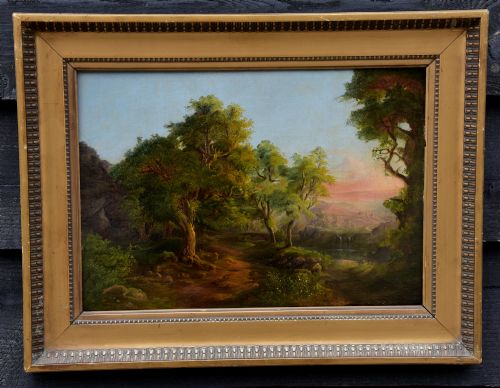
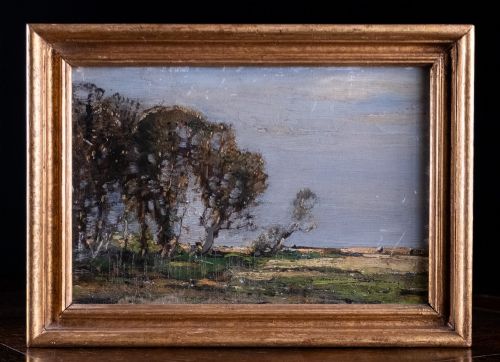
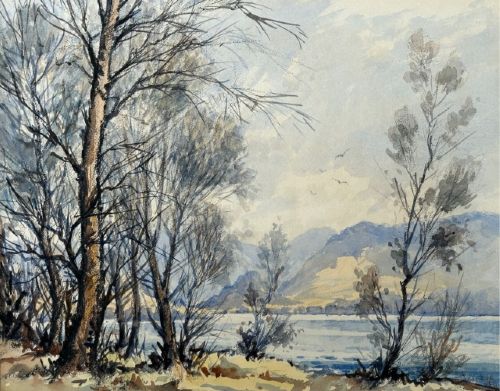
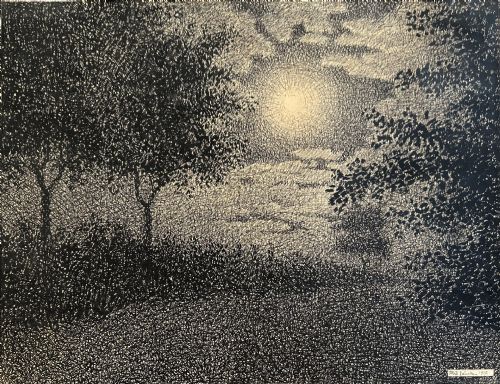
These antique tree landscape works capture centuries of woodland views and leafy river paths through oil, watercolour and glass.
Antique Tree Landscape
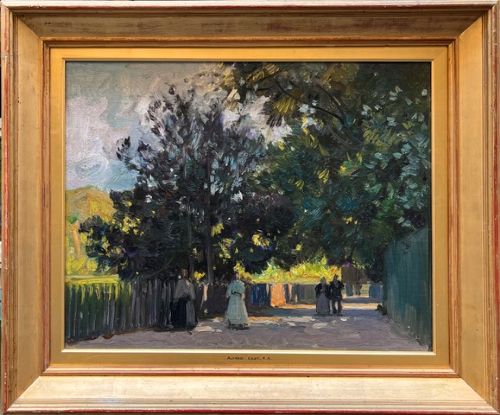
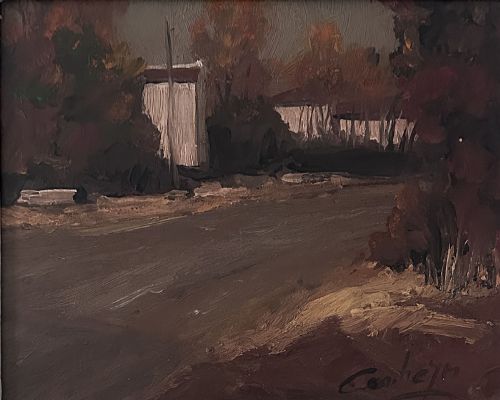
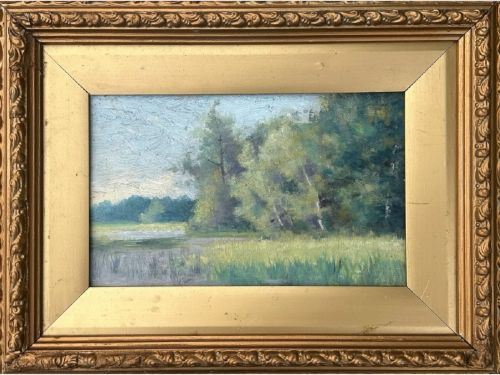
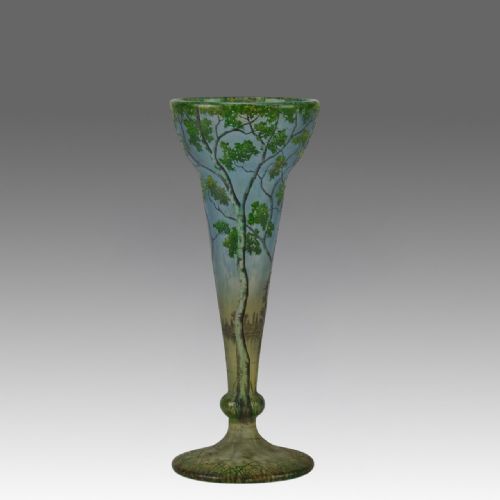
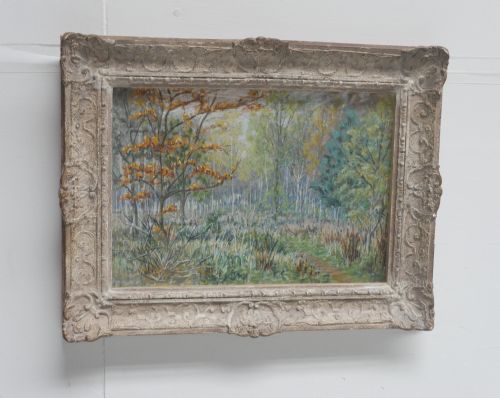
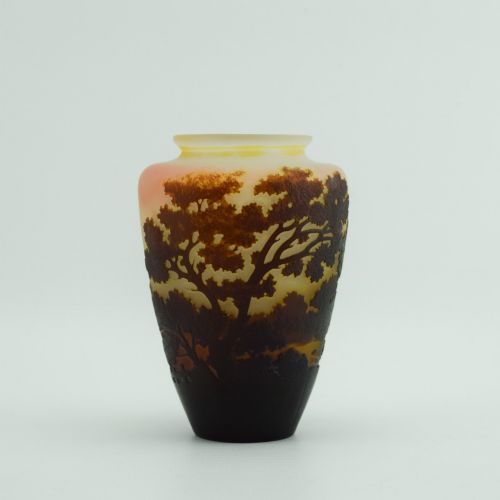
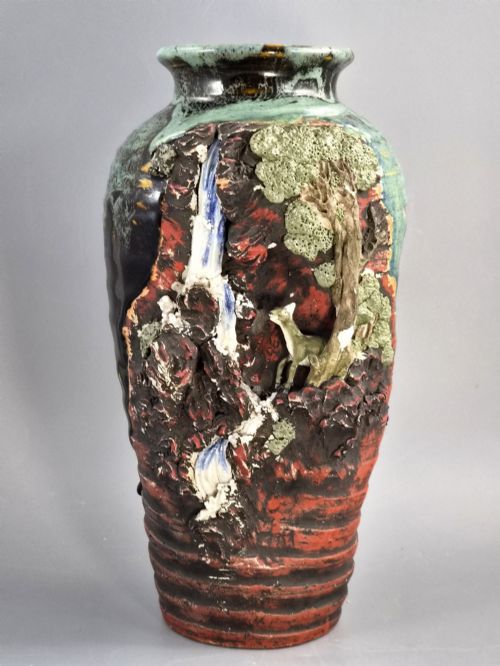
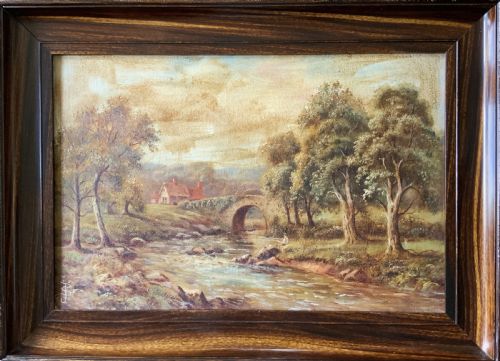
When searching for an antique tree landscape, buyers encounter framed oils on canvas, delicate watercolours on paper, and sculptural cameo glass vessels depicting woodlands and pastoral views.
The selections span from the late nineteenth century through the mid twentieth century, featuring British Impressionism, Post-Impressionism, and Victorian naturalist studies.
Most pieces focus on woodland paths, weeping willows by rivers, and solitary timber giants rendered by regional artists working across Britain and continental Europe.
How They Were Made
Painters utilised oil on canvas, wood panels, and board using loaded brushwork or thin washes of watercolour and gouache to capture light filtering through branches.
Glassmakers created three-dimensional cameo effects on vases by acid-etching layered coloured glass to reveal contrasting forest motifs and foliage.
Listings feature watercolours, oils on canvas and board, pastel drawings, and cameo glass vases spanning from the nineteenth century to the mid-twentieth century.
What Varies in Quality
The standard of execution rests on the artist's handling of light, shadow, and natural perspective within the foliage and bark.
Framing and original studio provenance elevate certain canvases, while depth of relief and clarity of colour distinguish the finer cameo glass vases.
William H Myers·Alfred Young Nutt·Kershaw Schofield·Sir Alfred East·Maud Raphael Jones·Daum Freres·Galle·Sydney Yates Johnson·Samuel Timmins·William JB Jenkins·George Graham·William Hoggatt·John Linnell·Henri Joseph Harpinies·Herbert Royle·Rowland Henry Hill·Edmund George Warren·Berthe des Clayes·Abraham Hulk Jnr·J Beckett·William Greaves·G H Brown·George Sykes·Florence Balshaw·Joyce Deighton Dixon
The Antique Tree Landscape Glossary
- Cameo glass
- A form of luxury glassware produced by overlaying distinct layers of coloured glass and carving away the outer strata to expose a contrasting design. This technique allows intricate multi-toned depictions of natural scenery.
- Gouache
- An opaque water-based medium composed of ground pigments bound in water-soluble gum mixed with white filler material. It provides heavier coverage and brighter highlights than standard watercolour.
- Impressionism
- A nineteenth-century painting style characterised by relatively small, thin yet visible brush strokes and an emphasis on accurate depiction of changing light. Artists working in this manner often painted outdoors to capture natural tree lighting.
- Panel
- A rigid support for oil or gouache painting, commonly fashioned from wood. Artists favoured these flat surfaces before stretched canvas became standard practice.
- Watercolour
- A painting method in which the paints are made of pigments suspended in a water-soluble vehicle. The translucent washes allow luminous light to reflect off the underlying paper.
Antique Tree Landscape: Frequently Asked Questions
How do I care for antique watercolours?
Keep works on paper away from direct sunlight to prevent fading of the delicate pigments used in foliage and sky.
Display them in stable room environments with controlled humidity to protect the antique paper and mount boards.
What subjects appear in these landscapes?
The compositions frequently feature wooded paths, riverbanks lined with willows, and rural farmyards shaded by mature oaks.
Artists also depicted specific regional views across British river valleys and continental European forests.
How can I date an oil painting?
Examine the materials of the stretcher frames, canvas weave, and backing boards alongside any artist signatures or exhibition labels.
Stylistic markers such as the loose brushwork of Impressionism or post-war palettes also help narrow down the decade.
Are cameo glass vases fragile?
These layered glass pieces require careful handling and placement on stable surfaces away from high-traffic zones.
Their substantial acid-etched walls remain robust when cleaned gently with a dry, soft cloth.