


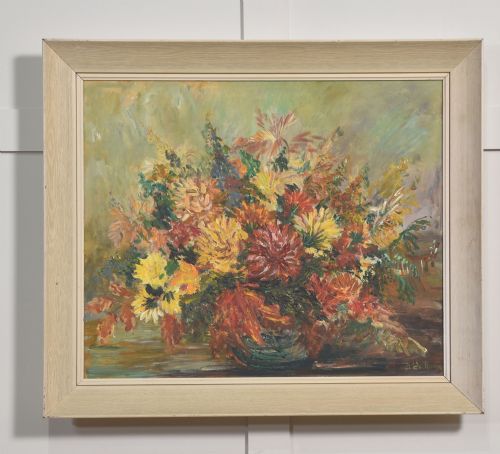
Antique Impressionist Painting
When you search for an antique impressionist painting, you are looking at works defined by light, visible brushwork and everyday scenes from the nineteenth and twentieth centuries.
Antique Impressionist Painting
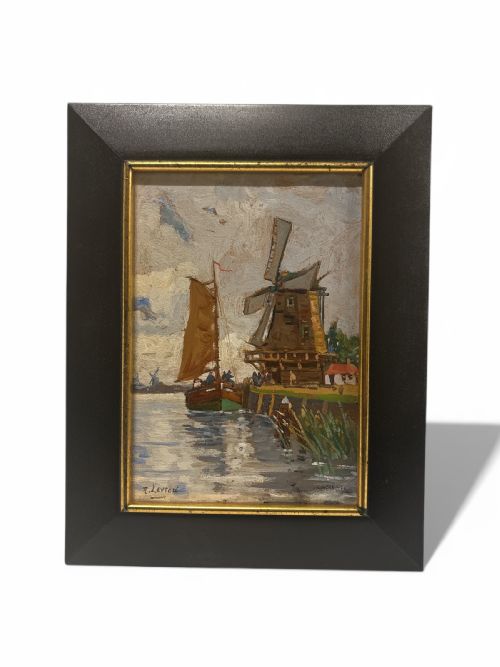
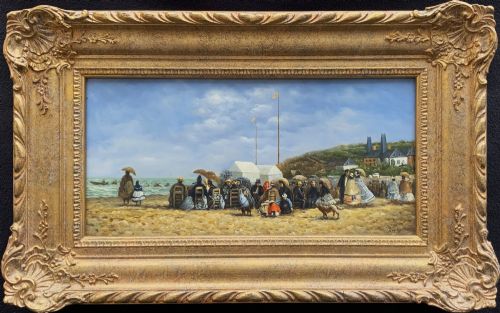
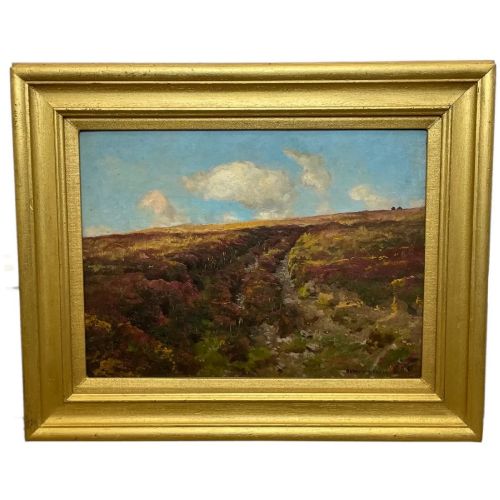
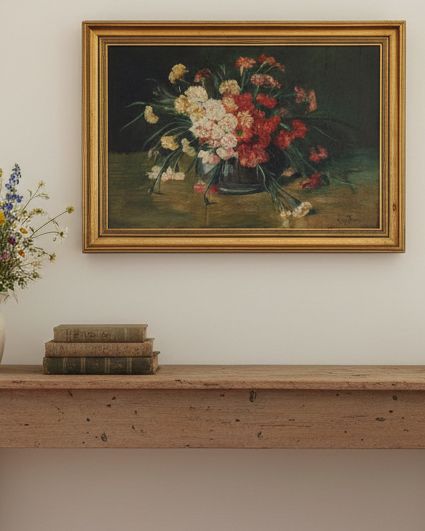
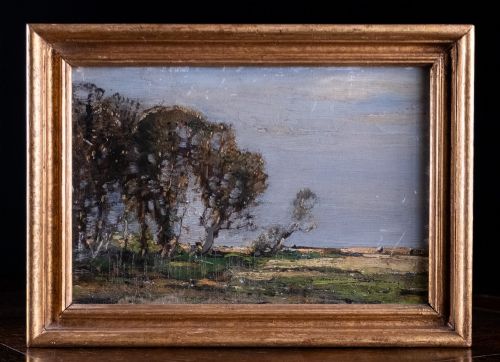
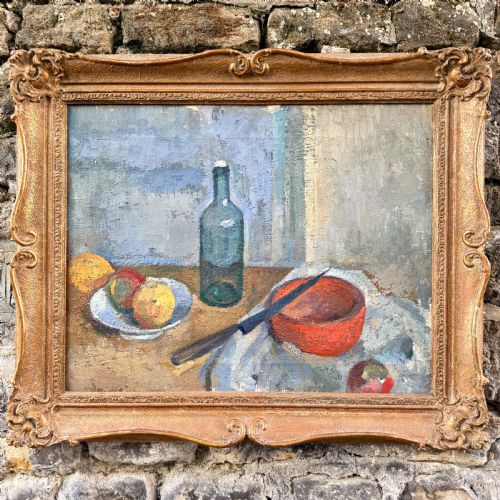
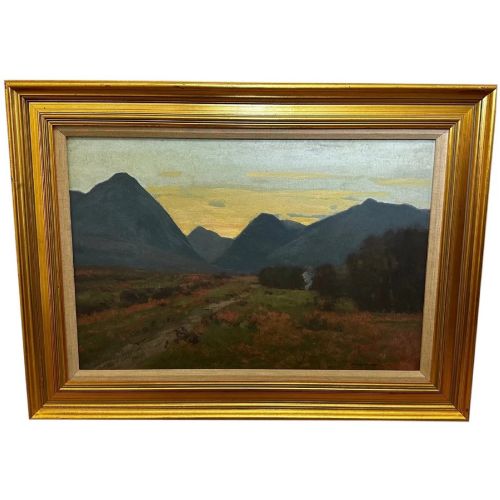
An antique impressionist painting captures fleeting moments of light and atmosphere across landscapes, seascapes and domestic interiors. These pieces record scenes from the nineteenth century through the mid-twentieth century, encompassing British Impressionism, Post-Impressionism and continental European schools.
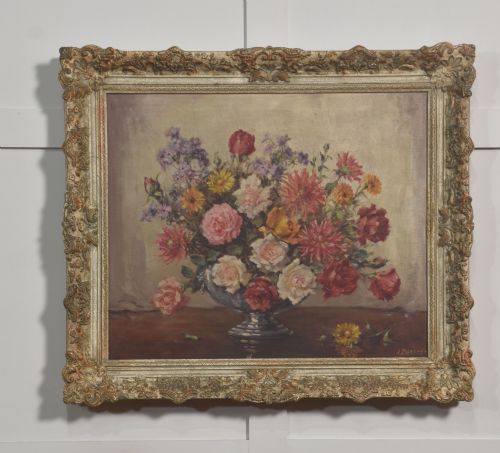
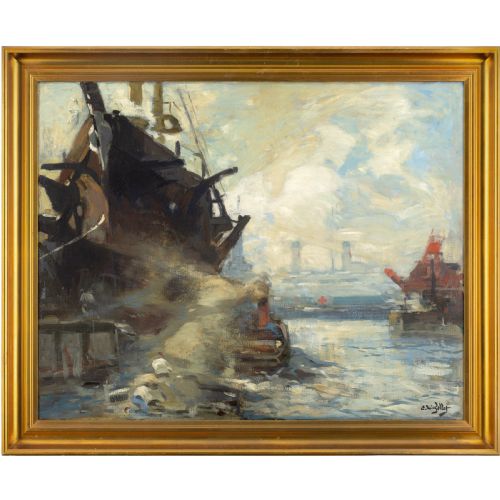
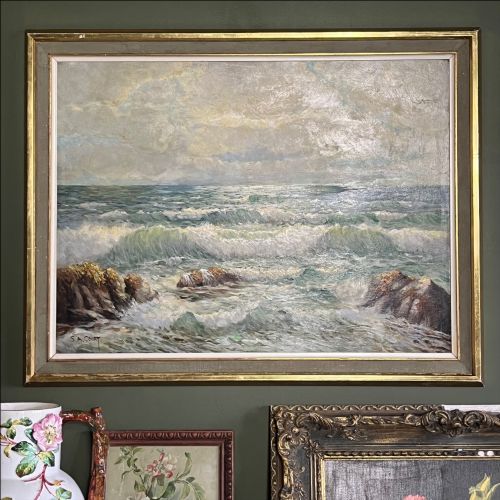
The most common versions on this page are oil paintings on canvas or board, alongside watercolours. Subjects range from rural villages and coastal harbours to still lifes and portraits, often housed in gilt frames.
Materials and Technique
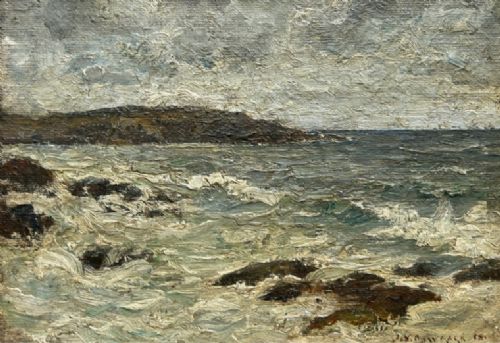
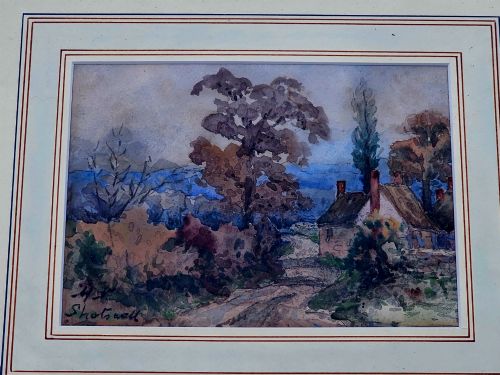
Artists built these compositions using oil paint on canvas, wood panels or board, sometimes applying thick impasto to create texture. Watercolour on paper also appears frequently, handled with fluid transparency to catch natural light.
Many works retain their original gilt wood frames or gold leaf surrounds, which complement the painted surface and protect the edges of the canvas or paper.
Several canvases quietly preserve the stray brush hair of an artist working briskly in a gusty seaside gale.
Distinctions in Quality
The strength of an antique impressionist painting lies in the confidence of its handling and the accuracy of its tonal relationships. Superior works demonstrate a assured command of light and shadow, where every brushstroke contributes to the atmosphere of the scene.
George Graham·Arthur Wardle·Eugène-Louis Gillot·Kershaw Schofield·George Houston·Herbert Royle·William Banks Fortescue·James Kay·Augusto Alberici·Gabriel Mathieu·Arthur Gué·Henry Silkstone Hopwood·Charles Houben·Konstantin Stoitzner·Hector Caffieri·Francisco Sancha·Herbert Ashwin Budd·Charles Stuart Forbes·Alfred Wolmark·Eric Brown·Willem Bos·Henri Ottmann·Ernest Higgins Rigg·Else Preußner·John Hodgson Lobley
The Antique Impressionist Painting Glossary
- Impasto
- Paint applied thickly to a canvas or board, standing out in relief from the surface. This technique gives texture and catches physical light.
- Gilt Wood
- Wood that has been covered with a thin layer of gold leaf or gold paint. It provides a reflective border for many oil paintings.
- Post-Impressionism
- An artistic movement following impressionism that extends its use of vivid colours and thick application while emphasising geometric forms or expressive content. It bridges traditional realism and modern abstraction.
- Seascape
- A painting depicting the sea, coastal views, ships or marine scenes. These works focus on maritime atmosphere and changing weather.
- Watercolour
- Paint consisting of colour pigments suspended in a water-soluble vehicle. It is typically applied to paper for luminous, translucent effects.
Antique Impressionist Painting: Frequently Asked Questions
What is an impressionist painting?
An impressionist painting focuses on the general impression of a scene rather than precise detail, emphasising changing light, ordinary subjects and visible brush marks. These works often capture outdoor moments, landscapes and everyday life.
Artists working in this tradition prioritized the play of sunlight and shadow over rigid academic finish, creating vibrant compositions that evoke a specific time and atmosphere.
How do I identify the period?
Dating relies on stylistic clues, framing conventions, artist signatures and materials like canvas preparation or wood panels. Edwardian and early twentieth-century works often carry specific signatures or exhibition labels on the reverse.
Comparing brushwork and subject matter to documented works by the same school or artist helps narrow down the decade of creation.
Where should I hang these paintings?
These works suit spaces with stable humidity and indirect natural light to protect the oil or watercolour pigments. Placing them away from direct heat sources preserves both the canvas and the original gilt frame.
Selecting a wall with balanced ambient light allows the textured brushwork and subtle colour harmonies to be viewed clearly.
What subjects are most common?
Common subjects include rural landscapes, coastal harbours, pastoral scenes with figures, and domestic interiors or still lifes. Artists frequently painted plein air scenes depicting local countryside and cityscapes.
Maritime views and gardens also appear regularly across British and continental European schools of this era.