





Baluster Vase Table Lamps
Baluster vase table lamps bring sculptural height and rich colour to a room, turning antique porcelain and bronze into practical lighting.
Baluster Vase Table Lamps
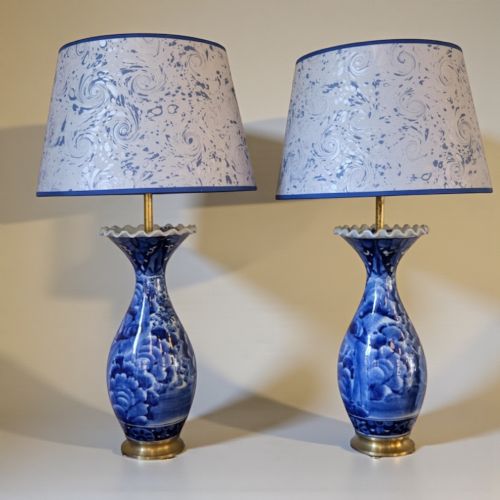
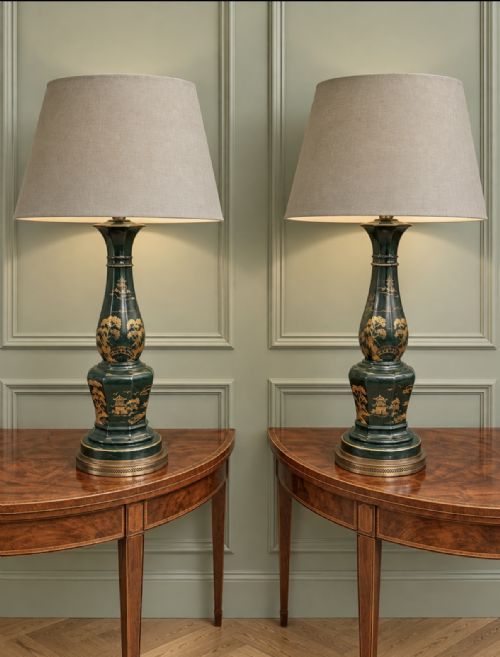
Baluster vase table lamps take traditional ceramic and metal vessels, particularly Chinese porcelain and Japanese bronze, and adapt them for illumination. The forms span the eighteenth, nineteenth, and early twentieth centuries, drawing on styles such as Chinoiserie, Qing Dynasty, and the Meiji period.
Buyers will encounter single lamps alongside balanced pairs, often fitted with fabric shades. The body shapes range from classic swelling baluster silhouettes to octagonal forms and vase shapes featuring painted enamel, celadon glazes, and famille verte decoration.
Materials and construction
The primary bodies utilise porcelain, ceramic, and bronze, frequently combined with brass, gilt metal, and wood mounts. Ceramic vessels display hand-painted enamel, cobalt underglazes, and monochrome grounds such as sang de boeuf or yellow and green.
Metal components like ormolu and brass provide structural footing and secure fittings for electrical components. Artisans shaped bronze through casting and patination, while porcelain pieces rely on traditional throwing and high-temperature kiln firing before any subsequent enamel decoration.
Baluster Vase Table Lamps Retail Price Guide 2026
Typical asking prices for baluster vase table lamps among the pieces listed under this phrase on Sellingantiques today, from the lower quarter to the upper quarter. They describe what is for sale here now, not the wider market.
Several vases started life holding ginger or wine before someone thoughtfully wired them up to illuminate the parlour.
Evaluating quality and execution
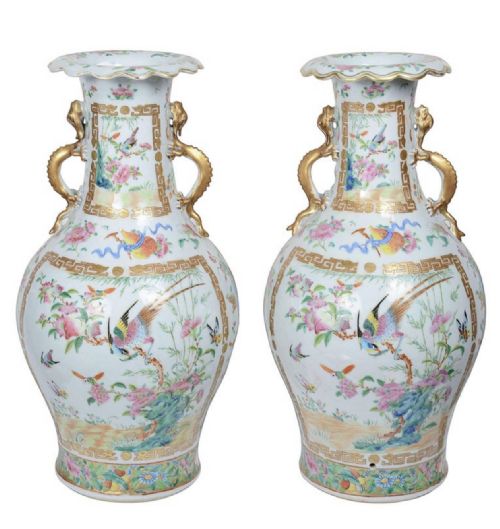
Quality rests upon the crispness of the original vessel's modelling and the finesse of the painted or patinated surface decoration. Finer examples display precise brushwork in famille rose or Canton palettes, whereas simpler pieces show broader, more routine application.
The integration of metal mounts and the retention of original patination also dictate distinction. Solid brass or ormolu mounts that complement rather than overwhelm the ceramic body indicate superior workshop execution.
The Baluster Vase Table Lamps Glossary
- Baluster
- A vertical architectural form with a swelling lower portion that tapers upward, which inspired the profile of these vases. This distinctive shape provides stability and visual weight on a table.
- Famille Rose
- A palette of opaque enamels dominated by pink or rose colours, introduced to Chinese porcelain during the Qing dynasty. It allows for subtle tonal shading in floral and figural scenes.
- Celadon
- A pale green jade-like glaze achieved through iron oxide in the glaze recipe fired in a reducing atmosphere. It originates in ancient China and remains prized for its subtle depth.
- Ormolu
- Gilded bronze mounts applied to furniture and ceramics, particularly popular in European decorative arts. It adds a warm metallic contrast to porcelain and bronze bodies.
- Arita
- A Japanese town famous for being the cradle of Japanese porcelain production, exporting heavily to Europe. Its wares are known for refined bodies and distinct painted designs.
Baluster Vase Table Lamps: Frequently Asked Questions
How do I clean a ceramic lamp base?
Dust porcelain and ceramic bodies gently with a soft, dry cloth to prevent accumulation in recessed areas. Avoid harsh chemical cleaners that might damage antique enamel or gilt highlights.
Ensure the lamp is unplugged before any cleaning takes place, and keep moisture away from the electrical fittings and wiring channel.
Can I replace the fabric shade safely?
Replacing the shade is straightforward and allows you to adjust the height and diffusion of light to suit your room. Measure the fitter type and the height of the baluster body to maintain correct visual proportion.
Choose shades that complement the colours present in the vase, such as tones drawn from famille verte or Canton enamel work.
How do I distinguish Chinese and Japanese pieces?
Chinese pieces often feature specific glaze families like sang de boeuf, celadon, or detailed famille rose and Rose Medallion enamel panels. Japanese examples in these listings frequently utilise bronze or distinct Arita porcelain aesthetics.
Stylistic cues such as Meiji period motifs or specific Qing Dynasty forms help separate the regional origins and decorative traditions.
Are these lamps wired for modern use?
Most antique vessels adapted into lamps have received twentieth-century or modern electrical wiring to meet safety standards. It remains wise to have a qualified electrician inspect older wiring before daily use.
The conversion process typically preserves the underlying ceramic or bronze structure without drilling destructive holes.