




Ball and Claw Tripod Stand
A ball and claw tripod stand brings sculptural presence and three-legged stability to a room, offering a versatile surface for display or small gatherings.
Ball and Claw Tripod Stand
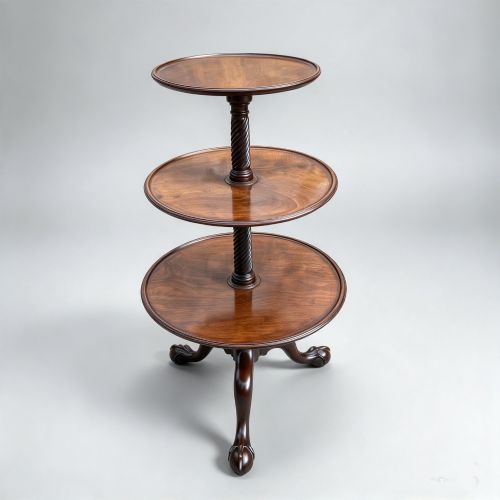
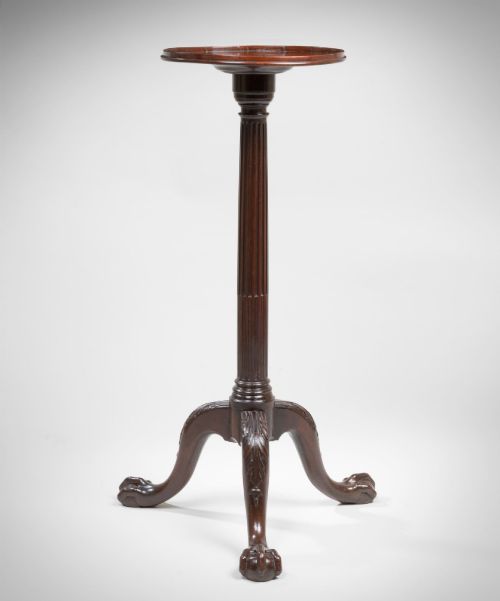
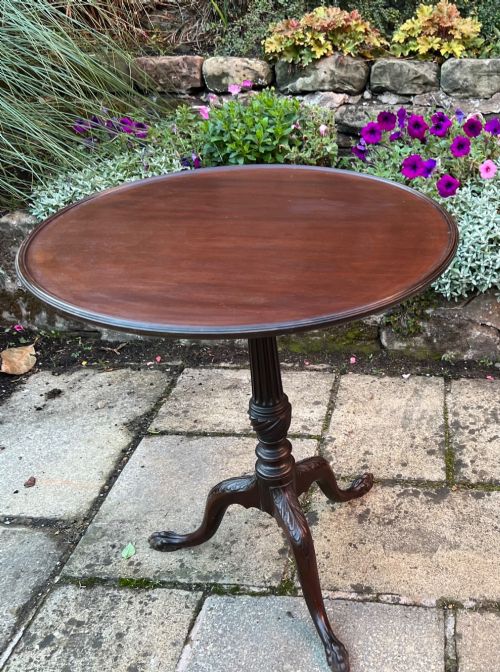
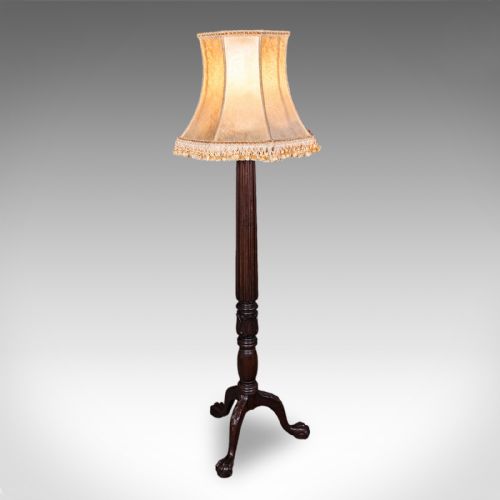
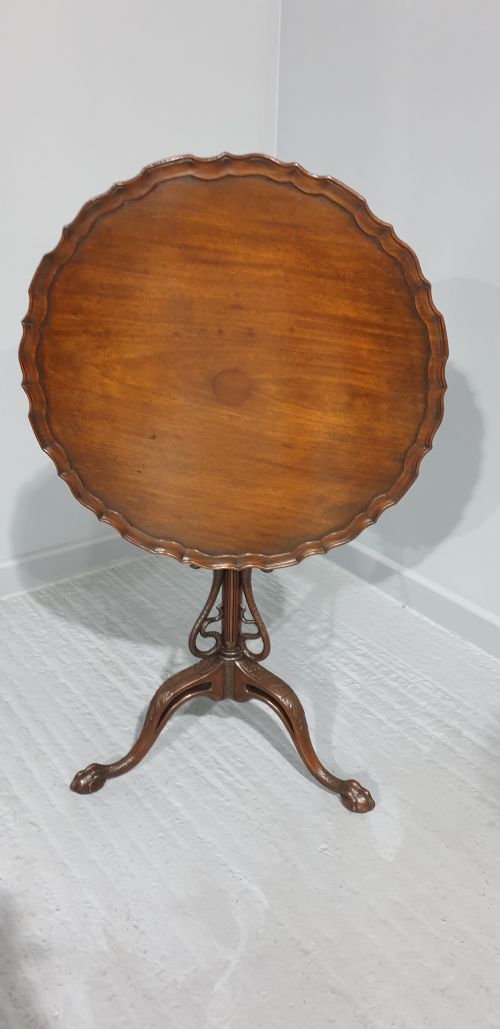
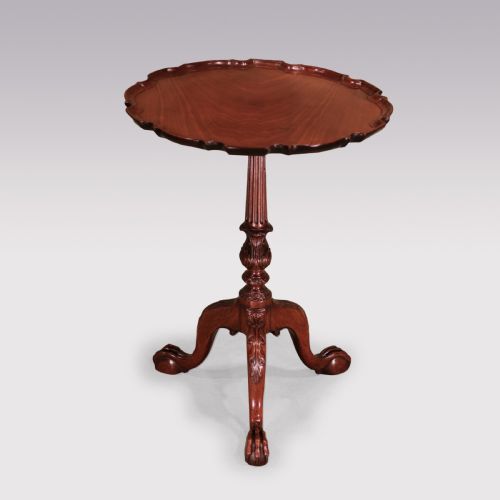
A ball and claw tripod stand is a traditional table featuring a central pillar supported by three cabriole legs that terminate in carved avian or mammalian feet grasping a sphere. These pieces serve primarily as occasional tables, wine tables, tea tables, or tall torcheres and plant stands. The form bridges functional utility with ornate carving, appearing frequently in Georgian designs and later revival periods.
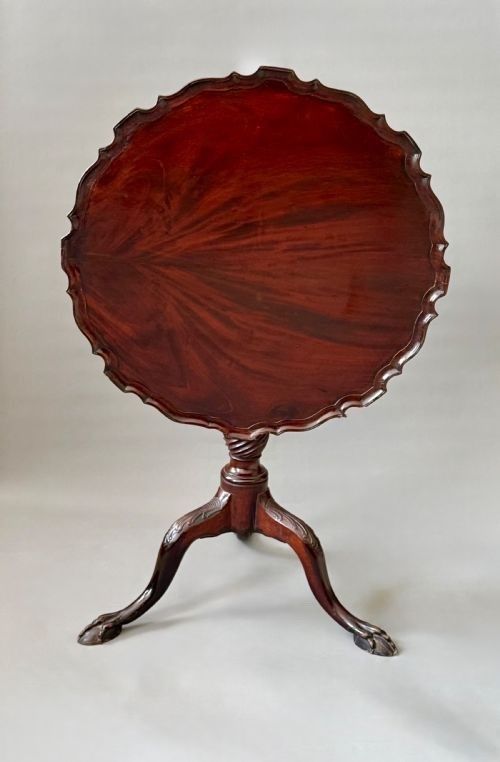
The pieces seen here range from eighteenth-century George II and George III originals to later nineteenth-century Victorian pieces and early twentieth-century revivals. Common tabletop variations include octagonal, circular, galleried, and raised pie crust edges, often accompanied by tilt-top or snap-top mechanisms. Origins span from authentic eighteenth-century craftsmanship to later interpretations in the Chippendale and William IV styles.
Materials and construction methods
Mahogany is the primary material used across these stands, chosen for its density, rich colour, and capacity to hold crisp, detailed carving. Cabinetmakers shaped the timber using hand tools to turn central columns and carve the intricate three-dimensional details of the cabriole legs and feet. Secondary elements sometimes include subtle fabric details on related lamp shades or supports, though wood remains the dominant medium.
Joinery techniques involve secure pegging and clever pivoting mechanisms for tilt-top tables, allowing the top to fold flat against the pedestal when not in use. The characteristic tripod base provides natural stability on uneven historical floorboards without the wobble common in four-legged furniture. Surface finishes rely on traditional polishing methods that develop a deep patina over centuries of handling.
Ball and Claw Tripod Stand Retail Price Guide 2026
Typical asking prices for ball and claw tripod stand among the pieces listed under this phrase on Sellingantiques today, from the lower quarter to the upper quarter. They describe what is for sale here now, not the wider market.
Listings span from the eighteenth century to the twentieth century, featuring mahogany construction across Georgian, Victorian, and revival styles.
Distinguishing quality in craftsmanship
Quality in a ball and claw tripod stand rests heavily on the depth, sharpness, and proportion of the hand-carved feet and knees. Finer examples display lifelike sinews, articulated talons, and a clear separation between the ball and the surrounding claws, whereas lesser pieces feature blunt, generalized carving. The integration of the pillar into the tripod base must show tight, seamless joinery that withstands the pivot stress of tilt-top variants.
The choice of mahogany timber dictates much of the visual appeal, with superior items exhibiting rich grain figure and a warm, undisturbed natural patina. Proportional balance between the height of the standard and the spread of the legs ensures the stand remains visually harmonious and physically stable. Original mechanisms and untouched surfaces command higher regard than replaced or heavily restored components.
The Ball and Claw Tripod Stand Glossary
- Cabriole leg
- A furniture leg that curves outward at the knee and tapers inward toward the ankle, mimicking animal limbs. This form provides both structural strength and visual grace.
- Pie crust edge
- A raised, scalloped tabletop border carved from solid wood in a series of curves resembling a traditional pastry crust. It prevents items from sliding off the surface.
- Tilt top
- A pivoting tabletop mechanism mounted on a catch that allows the surface to swing into a vertical position. This saved valuable floor space in historic interiors.
- Torchere
- A tall, slender stand designed specifically to elevate a candleholder or lamp. These pieces maximise vertical space in a room.
- Patina
- The deep, lustrous surface sheen developed on antique wood over years of ageing, handling, and waxing. It indicates genuine age and careful preservation.
Ball and Claw Tripod Stand: Frequently Asked Questions
What is a ball and claw tripod stand used for?
These versatile stands function as wine tables, small tea tables, or decorative pedestals for plants and lighting. Historically, they were moved easily around a room to serve occupants as needed.
Today, they suit corners, spaces beside seating, or hallways where a full-sized table would overwhelm the room.
How do I identify an eighteenth-century original?
Authentic eighteenth-century stands typically show dense, heavy mahogany timber with deep, hand-cut patination and traditional joinery marks. The carving on the ball and claw feet tends to be sharper and more anatomically defined than later copies.
Examining the underside of the tabletop and the pivot block reveals the hand tools and construction methods characteristic of the Georgian period.
What does a tilt-top mechanism do?
The tilt-top mechanism uses a hinged catch block that allows the circular or octagonal surface to fold vertically against the central pillar. This clever design enabled historical households to store tables flat against walls when not in use.
Testing the catch reveals whether the mechanism operates smoothly and locks securely into place.
How do I care for an antique mahogany stand?
Keep mahogany furniture away from direct sunlight and strong heat sources to prevent the timber from drying out or cracking. Occasional applications of traditional beeswax help nourish the wood and maintain its rich lustre.
Avoid placing damp items directly on the surface to protect the historic polish and finish.