





Authentic Persian Carpet
An authentic persian carpet brings centuries of nomadic and village weaving traditions directly to your floor through enduring geometric and floral patterns.
Authentic Persian Carpet
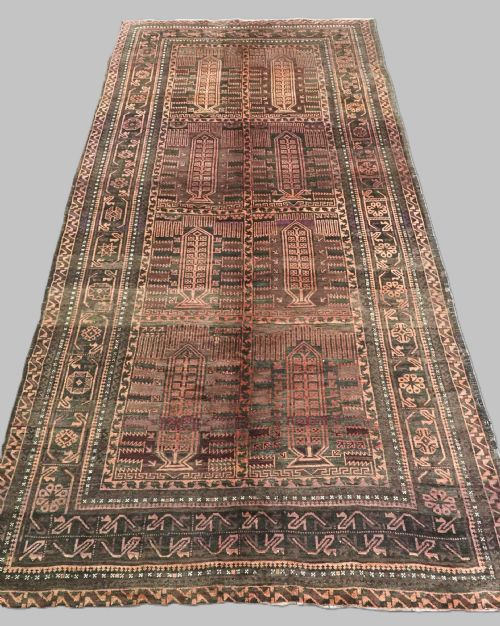
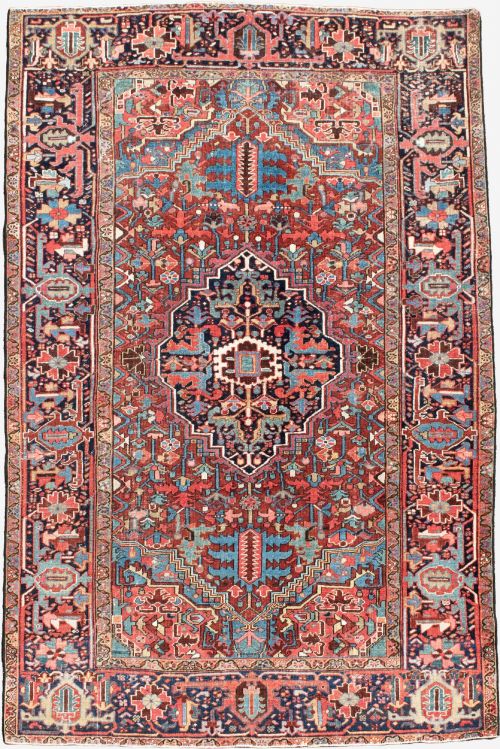
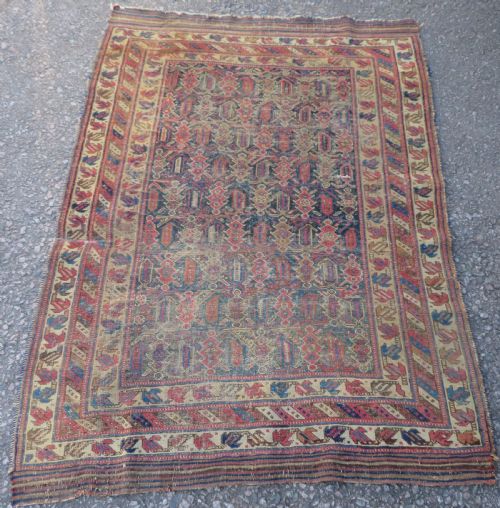
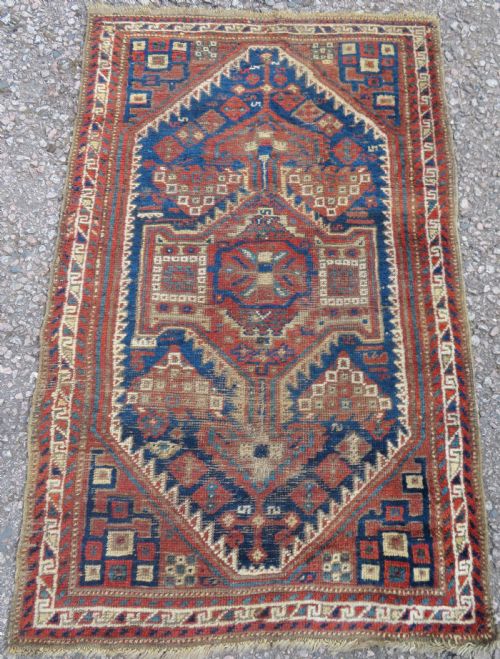
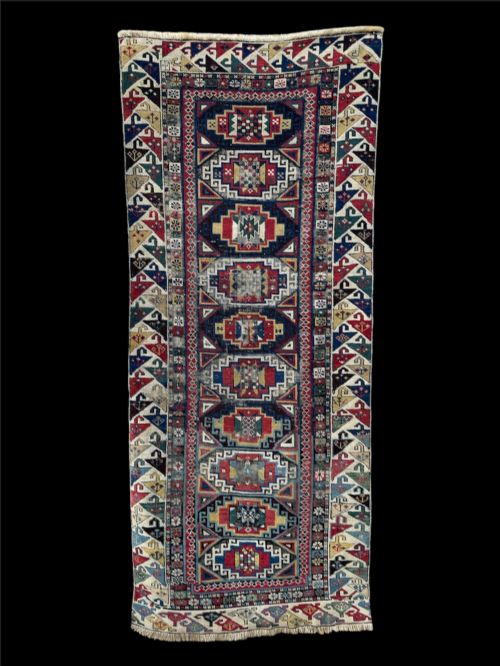
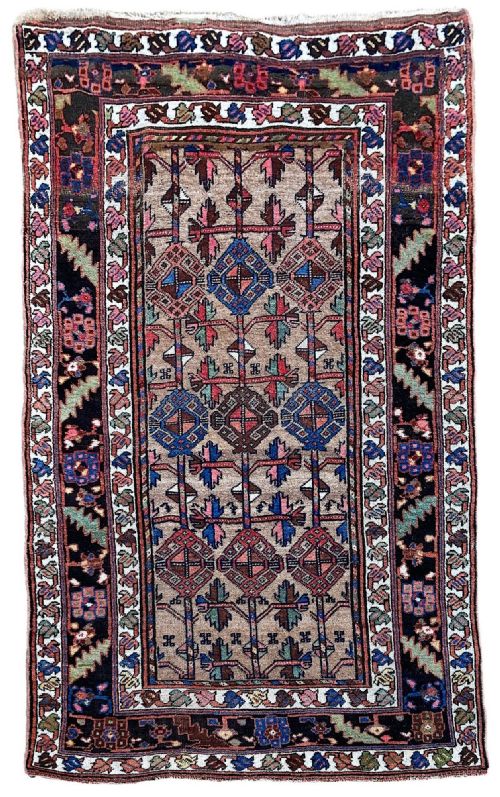
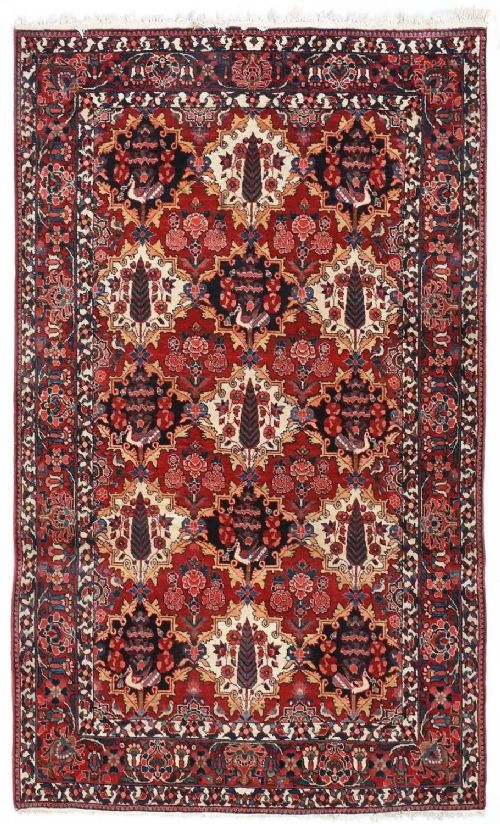
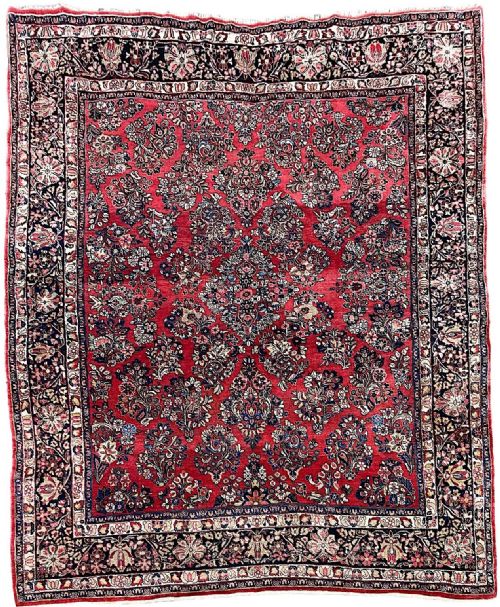
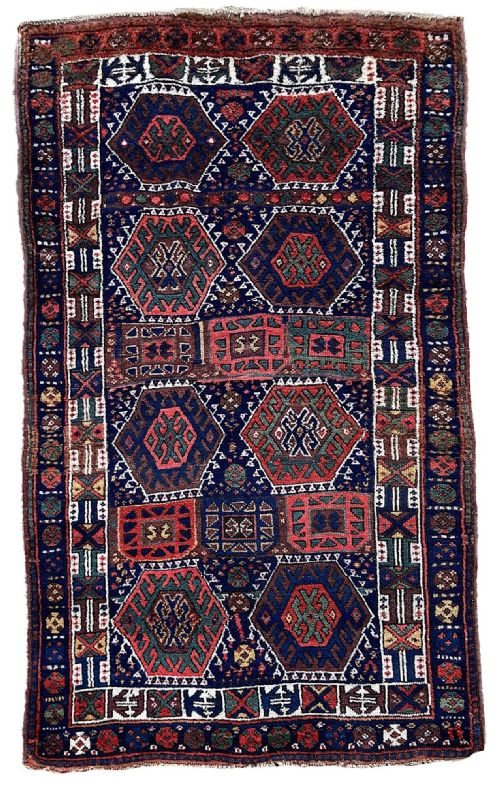
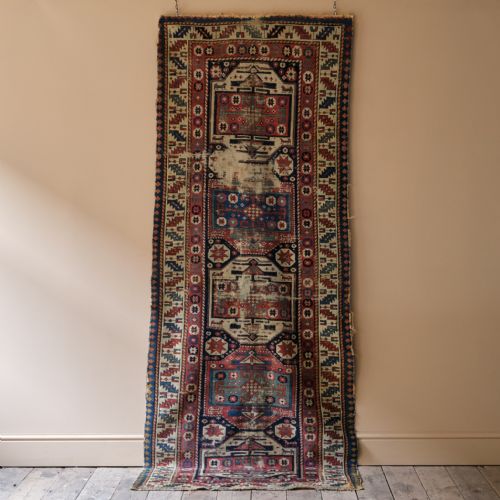
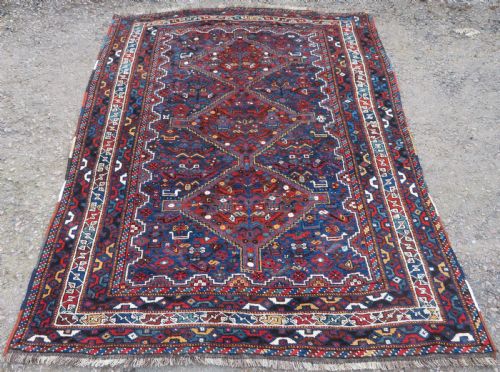
When you search for an authentic persian carpet, you encounter hand-knotted room-size carpets, smaller area rugs, and long runners originating from various weaving traditions across the region. The selection spans distinct styles such as Heriz, Bakhtiari, Kurdish, Khamseh, and Afshar, dating from the late nineteenth century through the early decades of the twentieth century.
Village and tribal pieces dominate the inventory, offering characterful tribal motifs, geometric medallions, and expressive field designs rather than strictly uniform workshop symmetry. Formats range from large formal carpets to narrow runners and utilitarian bag faces produced by nomadic tribes.
The material evidence on this page relies entirely on historic wool, cotton foundations, camel hair, and natural dyes used by weavers across Persian districts and neighbouring Caucasian influences.
What varies in quality
Knot density and structural integrity determine how a carpet holds its shape under foot traffic, distinguishing fine town weaving from looser tribal construction.
The purity and complexity of the natural dye palette separate standard pieces from those with exceptional colour vibrancy and subtle abrash shifts.
The clarity of drawing in the geometric or floral motifs reflects the weaver's skill and the tradition behind the specific tribal or regional group.
Listings span multiple decades from the late nineteenth century through the nineteen-thirties, featuring regional works from Heriz, Bakhtiari, Kurdish, and Khamseh traditions.
The Authentic Persian Carpet Glossary
- Abrash
- A natural variation in colour shading caused by changes in dye batches or successive lots of hand-spun wool during weaving.
- Warp
- The vertical threads stretched tightly on the loom that form the structural foundation of the carpet and terminate in fringes.
- Weft
- The horizontal threads passed across the warps between rows of knots to bind the structure firmly together.
- Pile
- The upright cut wool surface of the carpet formed by the knotted ends of yarn.
- Bag face
- The decorative front panel of a utilitarian nomadic storage bag, preserved and collected as a small independent rug.
Authentic Persian Carpet: Frequently Asked Questions
How do I identify a tribal rug?
Tribal rugs display spontaneous geometric patterns, asymmetrical layouts, and motifs created from memory by nomadic weavers rather than formal paper cartoons.
Materials often include thicker hand-spun wool and occasional camel hair, reflecting the direct environment of the weaving tribes.
What is a Heriz carpet?
Heriz carpets originate from the Northwest region and are known for large, bold geometric medallions and robust structural durability.
They traditionally utilise cotton foundations with heavy wool pile, designed to withstand generations of heavy domestic use.
Are natural dyes easy to spot?
Natural dyes present subtle tonal variations and gentle fading across the pile rather than uniform synthetic flatness.
Over decades, these plant and mineral colours develop a mellow, integrated patina that chemical dyes do not replicate.
How should I care for an antique runner?
Place a quality breathable underlay beneath the runner to prevent slip and reduce friction against hard flooring.
Vacuum gently using suction attachments without rotating brush bars to protect the historic wool pile and delicate ends.