

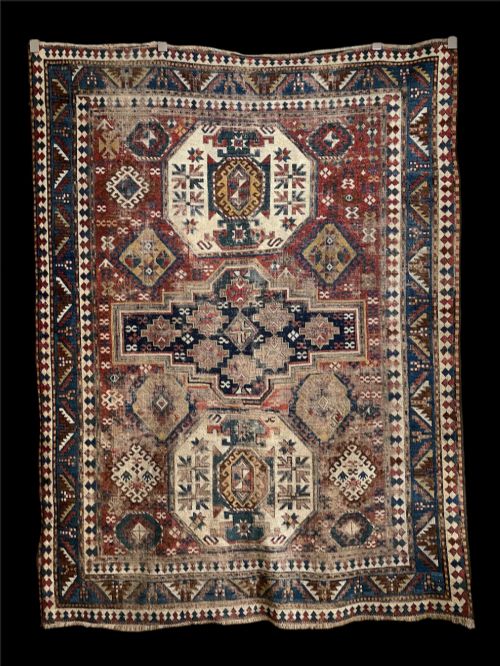


Authentic Handwoven Oriental Carpet
An authentic handwoven oriental carpet brings centuries of textile tradition into a room through dense wool pile and geometric or floral motifs.
Authentic Handwoven Oriental Carpet
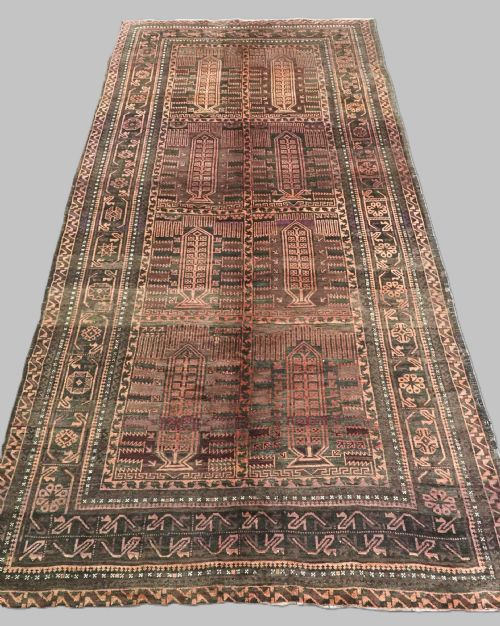
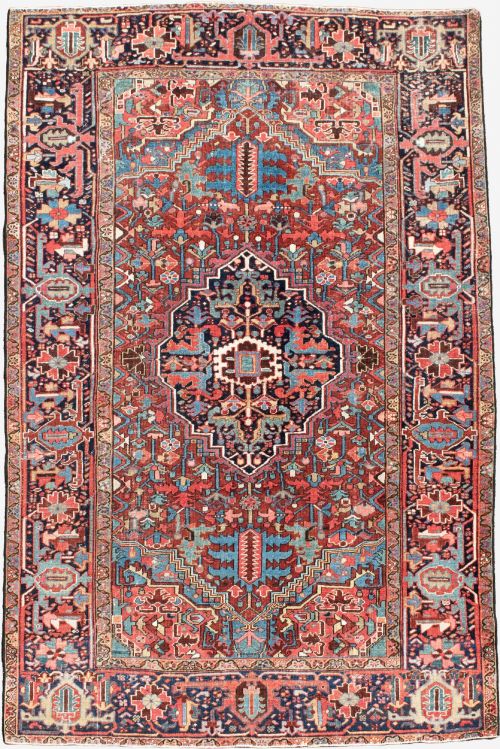
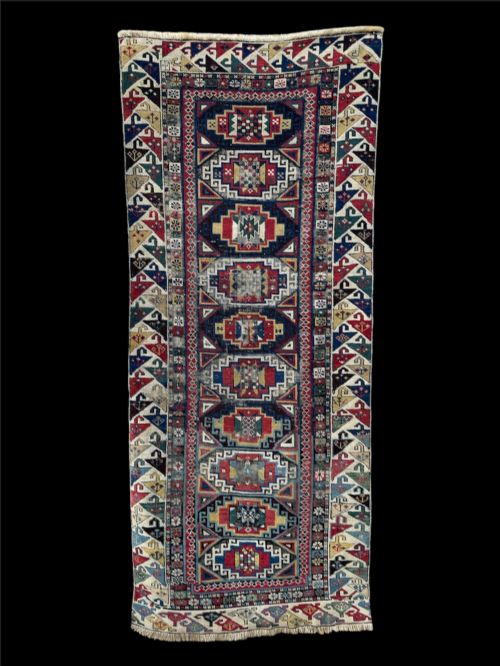
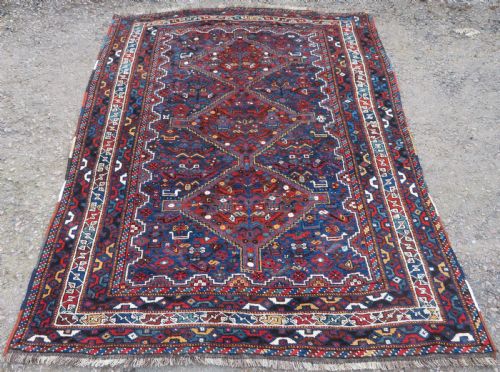
An authentic handwoven oriental carpet is a floor covering produced across regions including Persia, the Caucasus, and Anatolia during the nineteenth and early twentieth centuries. When searching for an authentic handwoven oriental carpet, buyers encounter distinct regional weaving traditions such as Heriz, Kazak, and Kurdish tribal pieces.
The selection ranges from large area carpets and runners to smaller tribal rugs dating from the late nineteenth century up to the 1920s. These floor coverings reflect the specific cultural designs and utility needs of the weaving communities that produced them.
Village and nomadic pieces often display bold geometric layouts, whilst workshop productions from centres like Kirman or Tabriz favour curvilinear floral arrangements. Each piece serves as a functional textile that carries the distinct visual vocabulary of its origin.
Materials and construction methods
These carpets are constructed predominantly from wool pile knotted onto cotton or wool foundations by hand. The choice of natural fibres ensures structural resilience and allows the pile to age with a characteristic patina.
Weavers utilised traditional hand-knotting techniques specific to their region, building up dense structures that withstand generations of use. The resulting textile relies on the tension of the weave and the quality of the spun wool for its durability.
Secret animal figures and stray tribal markers occasionally hide within the geometric mazes of Caucasian village runners.
Factors of distinction and quality
Quality in these textiles rests upon the integrity of the foundation, the density of the knotting, and the handling of the wool. Tightly packed knots allow intricate graphic details to remain crisp and well-defined across the surface.
The depth and harmony of the dyed palette further separate standard examples from finer works. Natural dyes mellow evenly over time, maintaining saturation and tonal complexity across the carpet.
The Authentic Handwoven Oriental Carpet Glossary
- Pile
- The upright yarn loops that form the soft upper surface of the carpet. This layer absorbs foot traffic and displays the woven pattern.
- Runner
- A long, narrow carpet format traditionally utilised in hallways or corridors. These pieces follow specific rectangular proportions designed for linear spaces.
- Foundation
- The underlying grid of warp and weft threads that supports the knotted pile. It provides the structural backbone of the entire textile.
- Warp
- The vertical threads stretched lengthwise on the loom before knotting begins. The visible fringes at either end of the carpet are typically the extension of these threads.
- Weft
- The horizontal threads passed between rows of knots to lock them securely in place. They cross under and over the warp threads to maintain structural tension.
Authentic Handwoven Oriental Carpet: Frequently Asked Questions
How do I identify a tribal rug?
Tribal rugs are typically recognised by their geometric motifs, asymmetrical designs, and spontaneous colour choices that reflect nomadic weaving traditions.
These pieces often display abrash, which is a subtle variation in shade caused by changes in dye batches used during production.
Where were runners used?
Runners were historically placed in narrow passages, corridors, and long hallways to protect wooden floorboards and add warmth underfoot.
Their elongated format makes them practical for guiding movement through domestic interior spaces.
What is a Heriz carpet?
Heriz carpets originate from the Northwest region of Persia and are known for their robust construction and large geometric medallion designs.
They frequently incorporate durable cotton foundations that support heavier wool piles suited for active living areas.
How do I care for an antique rug?
Maintenance involves regular gentle vacuuming without a rotating brush bar to prevent pulling the delicate wool pile.
Professional cleaning should be undertaken periodically by specialists who understand antique vegetable-dyed textiles.