

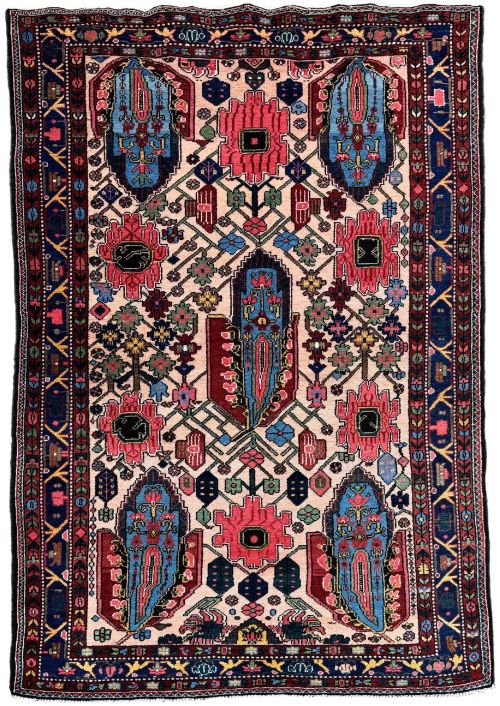
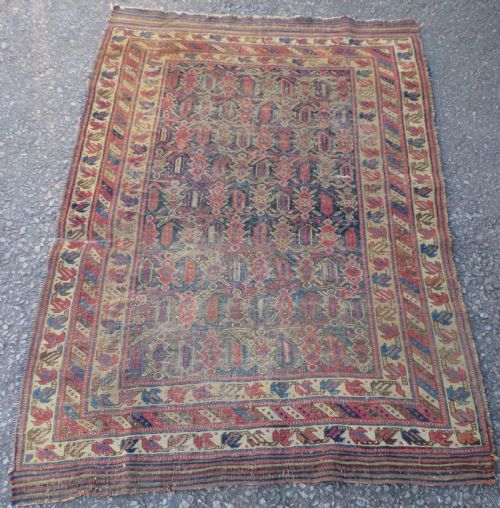
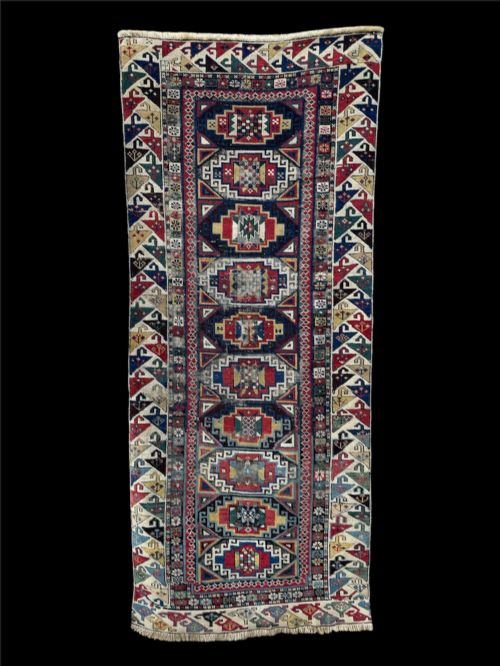
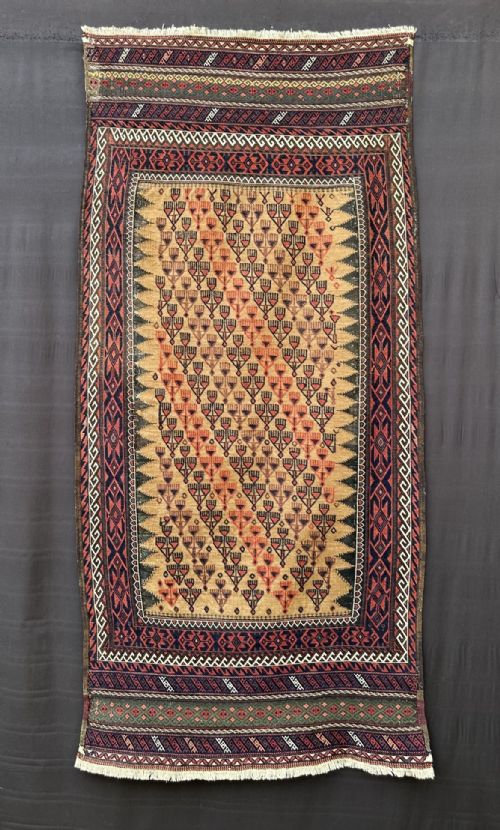



Authentic Persian Runner
An authentic antique persian runner brings centuries of nomadic and village weaving traditions directly to narrow corridors and hallways.
Authentic Persian Runner
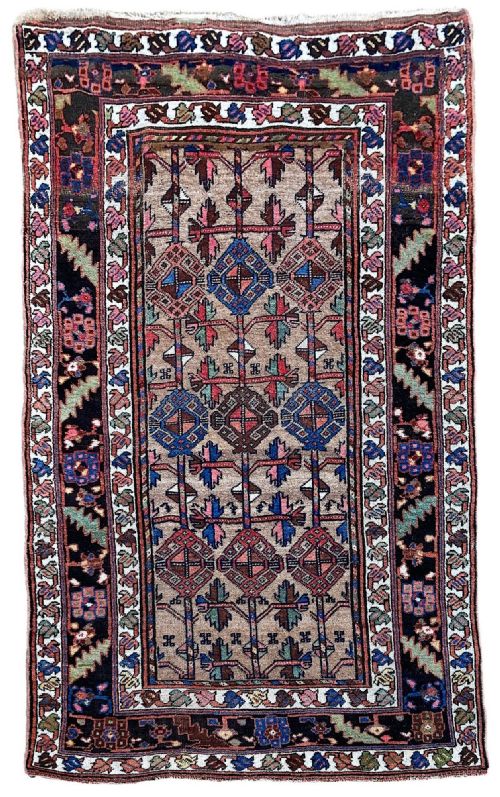
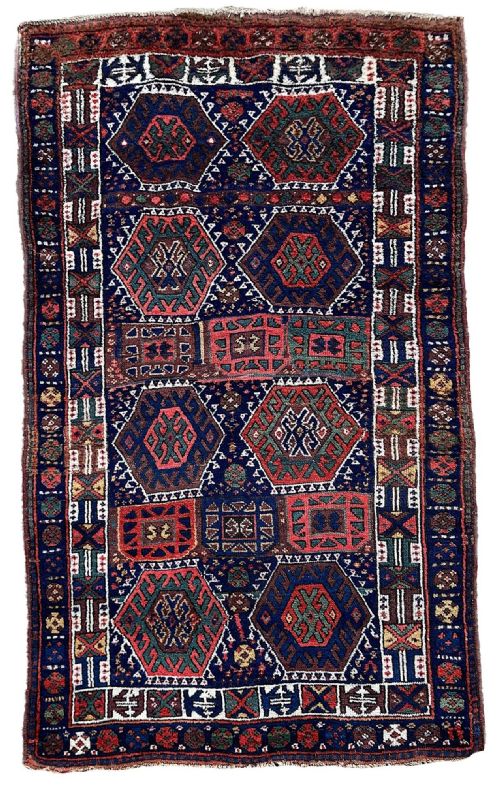
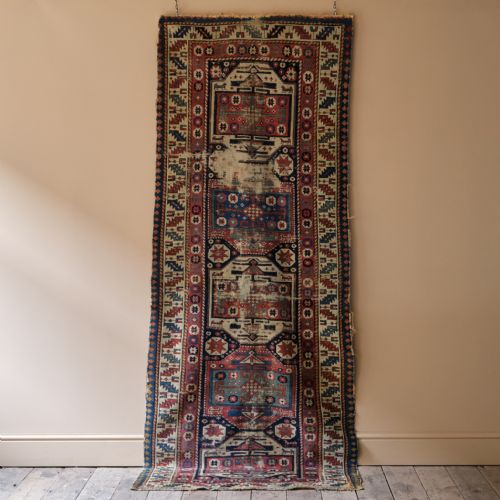
When you search for an authentic antique persian runner, you encounter long, narrow floor coverings originating from various regions and tribal groups across Persia during the nineteenth and early twentieth centuries. These pieces span distinct styles such as Kurdish tribal, Sarab, Malyor, and Heriz, reflecting local weaving customs rather than uniform factory production.
The selections on this page demonstrate formats designed specifically for hallways and narrow spaces, alongside broader room-sized carpets and tribal rugs from periods including the eighteen-fifties up through nineteen-twenty. Makers utilised traditional geometric motifs, medallion patterns, and tribal figures woven to suit domestic interiors.
Most examples derive from village and nomadic traditions, showcasing distinct regional signatures in border arrangements and colour palettes. Buyers find both compact hallway runners exceeding five metres in length and smaller format floor pieces.
Materials and construction
Weavers constructed these floor coverings using wool, hand-spun wool, cotton foundations, and occasionally camel hair, applying natural dyes to achieve rich colour variations across the pile. The combination of hand-spun wool and natural colourants gives these textiles their characteristic tactile depth and ability to age gracefully.
Techniques varied by region, encompassing tribal knotting methods found in Kurdish, Afshar, Bakhtiar, and Khamseh pieces, alongside the firmer structures typical of Heriz and Sarab production. Artisans tied dense wool piles onto sturdy cotton or wool warp and weft threads to withstand heavy domestic foot traffic.
Authentic Persian Runner Retail Price Guide 2026
Typical asking prices for authentic persian runner among the pieces listed under this phrase on Sellingantiques today, from the lower quarter to the upper quarter. They describe what is for sale here now, not the wider market.
Several runners embrace charming irregularities, including a notoriously crooked Kazak runner woven with wonderfully wonky geometry.
Assessing quality
Quality in these textiles depends on the density of the knotting, the fineness of the spun wool, and the complexity of the natural dye palette. Superior examples display precise geometric execution and tightly packed foundations that secure the pile against heavy wear.
The clarity and saturation of natural dyes distinguish finer pieces, as skilled dyers achieved vibrant hues that mellow harmoniously over decades. Variations in wool quality and the integrity of the original side cords also determine the long-term durability of each runner.
The Authentic Persian Runner Glossary
- Runner
- A long, narrow carpet format traditionally utilised in hallways, corridors, and alongside larger furniture pieces.
- Natural Dyes
- Colourants derived from plants, insects, and minerals rather than synthetic chemical compounds, yielding rich and stable hues.
- Hand-Spun Wool
- Yarn prepared manually using a spindle, resulting in irregular thickness and varied absorption of dye that creates lively surface texture.
- Sofreh
- A flatweave or pile textile traditionally utilised for communal dining or food preparation among nomadic tribes.
- Warp
- The stationary vertical foundation threads stretched tightly on the loom before knotting begins.
Authentic Persian Runner: Frequently Asked Questions
Where were these runners used?
Nomadic tribes and village households utilised these long floor coverings primarily in domestic tents, village homes, and transitional spaces like hallways.
They provided practical insulation against cold floors while displaying traditional tribal motifs and regional weaving identities.
How do I identify a tribal design?
Tribal designs typically feature geometric medallions, stylized animals, and repeating symbolic motifs woven from memory rather than strict paper cartoons.
These patterns reflect the specific heritage of groups such as the Kurds, Afshars, and Bakhtiari weavers.
What materials make up the pile?
The pile is predominantly spun wool, occasionally incorporating camel hair in specific tribal pieces to provide natural colour variation and soft texture.
Foundation threads beneath the pile are usually made from cotton or wool.
How should I clean my runner?
Antique wool textiles require gentle care, typically involving professional specialist dusting and hand-washing rather than harsh chemical immersion.
Regular light vacuuming without a rotating power brush helps remove abrasive grit from the wool pile.