

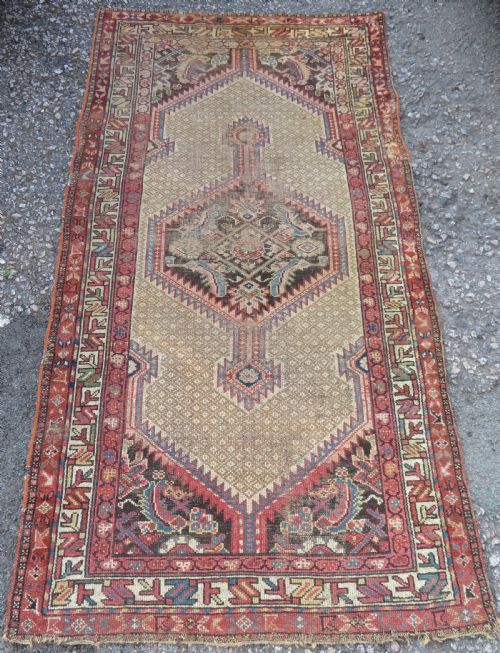


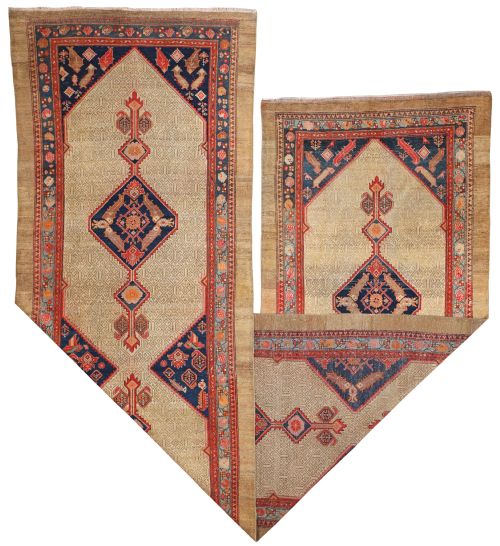
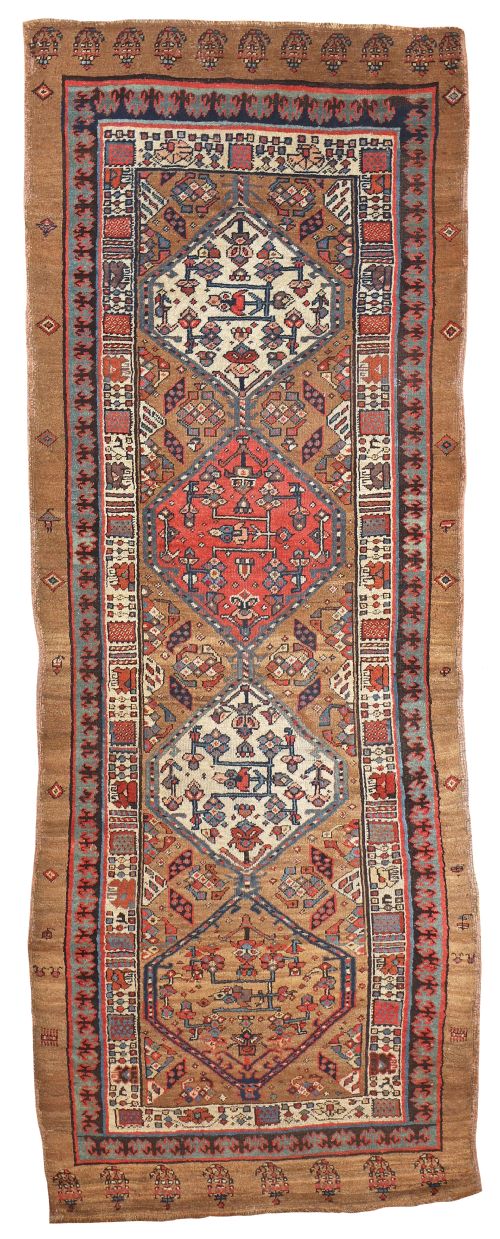


Hand Knotted Sarab Rug
A hand knotted sarab rug brings durable Persian village craft and earthy wool warmth straight to your hallway or floor.
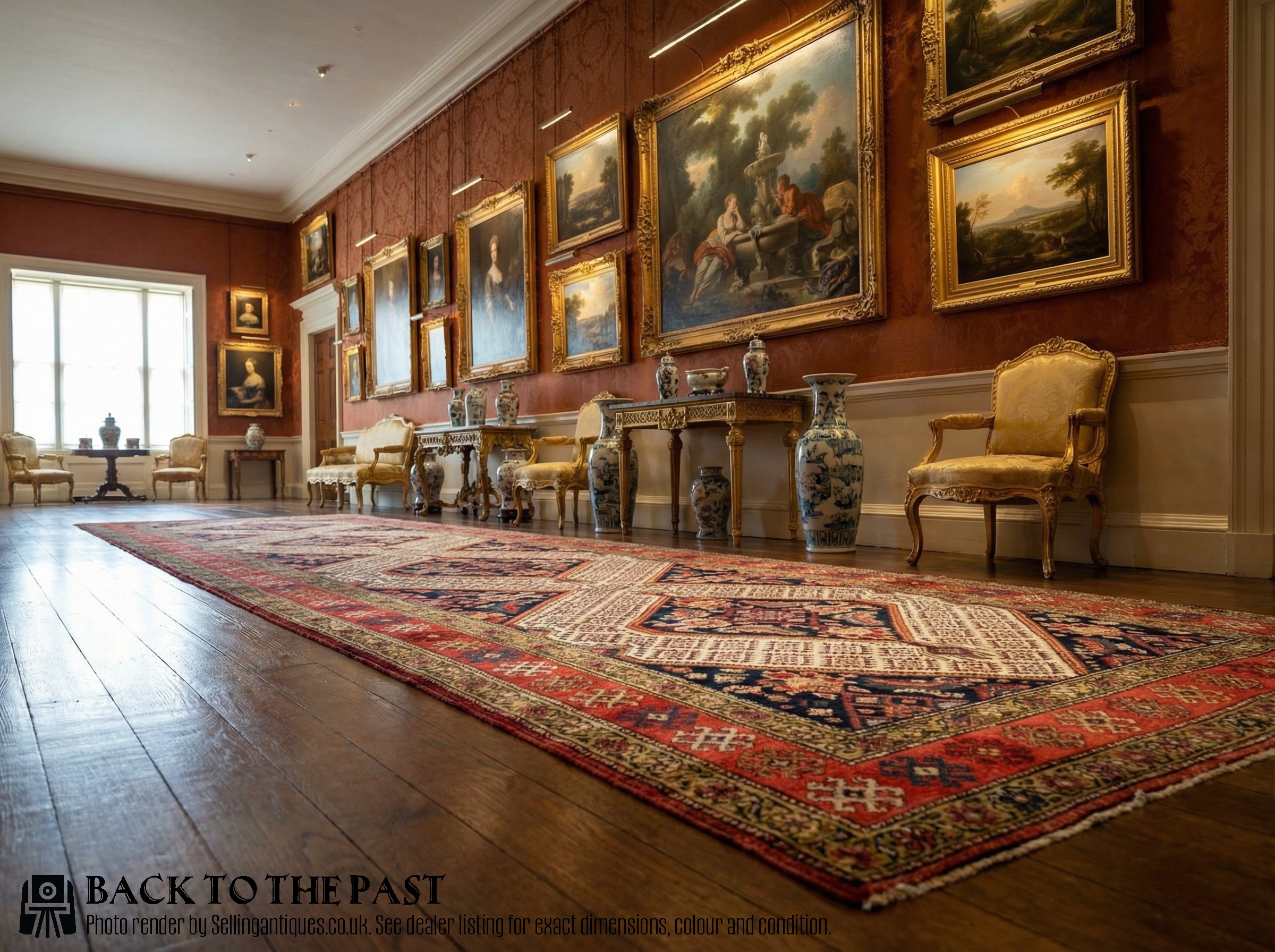
Hand Knotted Sarab Rug
A hand knotted sarab rug is a traditional weaving originating from North West Persia, taking the form of either a compact room-sized floor covering or an elongated runner suited for hallways. The pieces seen here span from the late nineteenth century up to the nineteen twenties, representing established village and tribal production methods.
Buyers seeking this specific search phrase will most frequently encounter narrow village runners alongside traditional rugs, often showing the distinct wear of country house use. These formats are built to handle high-traffic walkways while retaining their structured geometric designs and characteristic proportions.
How they were made
These floor coverings rely on sturdy wool pile knotted firmly onto cotton foundations, ensuring a resilient structure designed for daily domestic use. Certain examples incorporate camel hair within the weave, adding natural tonal depth and varied durability to the surface.
Village weavers produced these items entirely by hand in North West Persia, following traditional tribal patterns that prioritize structural integrity and hard-wearing material combinations over delicate ornamentation.
Hand Knotted Sarab Rug Retail Price Guide 2026
Typical asking prices for hand knotted sarab rug among the pieces listed under this phrase on Sellingantiques today, from the lower quarter to the upper quarter. They describe what is for sale here now, not the wider market.
What varies in quality
Quality across these Persian village textiles rests primarily on the tightness of the knotting and the disciplined execution of the traditional design. Tighter foundations and well-balanced wool piles hold their shape and structure far better through decades of domestic footfall.
The character of the aged pile also defines the upper tier of these pieces, where natural wear reveals authentic patination rather than structural loss. Surviving edge bindings and intact ends demonstrate superior initial craftsmanship and careful subsequent preservation.
The Hand Knotted Sarab Rug Glossary
- Runner
- A long, narrow carpet format specifically woven for corridors, hallways, and stairs. These pieces make up a large portion of the available inventory.
- Pile
- The upright yarn loops or tufts forming the functional surface of the textile. Wool is the predominant material used for this upper layer.
- Foundation
- The underlying grid of warp and weft threads that supports the knotted wool. Cotton is commonly utilised for this structural base.
- Village rug
- A textile produced in a domestic or rural community rather than a city workshop. These items often feature geometric Persian tribal motifs.
Hand Knotted Sarab Rug: Frequently Asked Questions
Are these runners good for hallways?
Narrow runner formats are specifically suited for hallways, corridors, and high-traffic transitional spaces.
Their elongated dimensions and durable wool construction allow them to handle frequent footfall effectively.
What materials are used?
The construction typically combines wool pile set onto sturdy cotton foundations for daily resilience.
Certain examples also incorporate camel hair into the weave, introducing distinct natural shades and textures.
How do I date these pieces?
Dating relies on structural characteristics, material wear, and stylistic markers pointing to the late nineteenth and early twentieth centuries.
Pieces in this selection date from eighteen seventy through to nineteen twenty.