

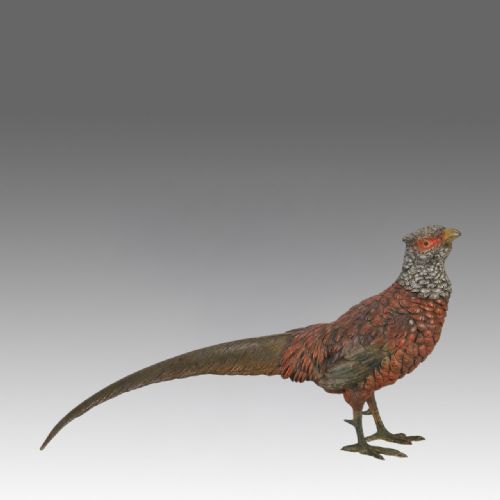


Austrian Bronze Statuette
When you handle an austrian bronze statuette, you hold a miniature cast metal sculpture defined by detailed cold-painted finishes and expressive Vienna foundry work.
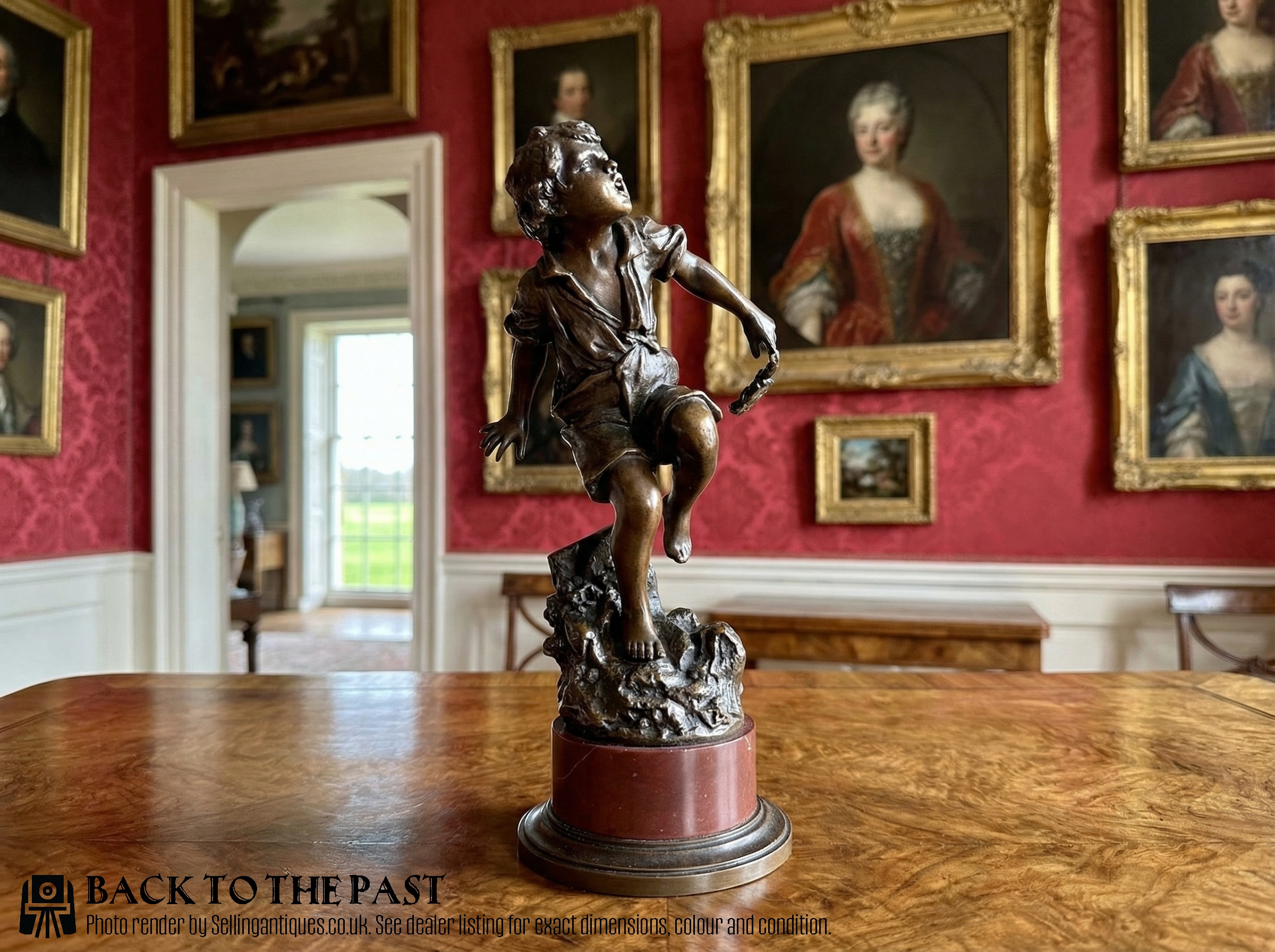
Austrian Bronze Statuette
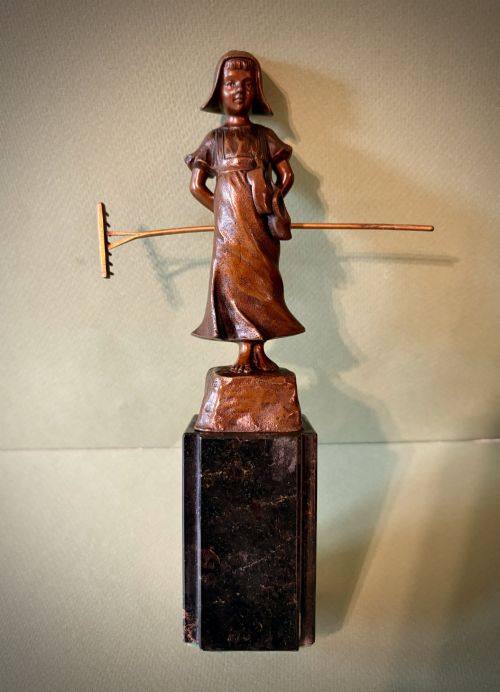
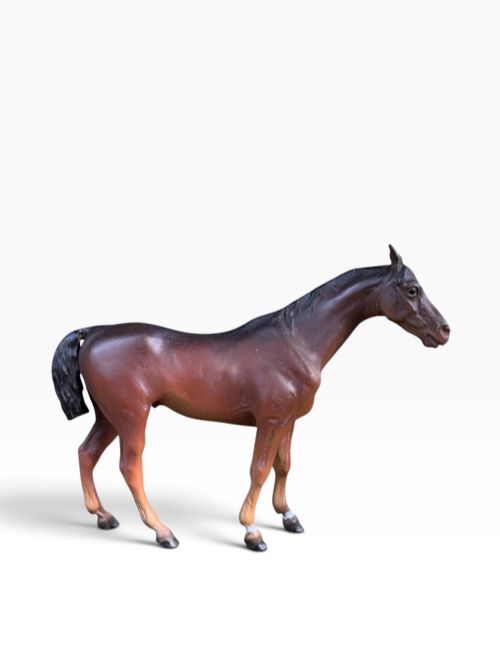
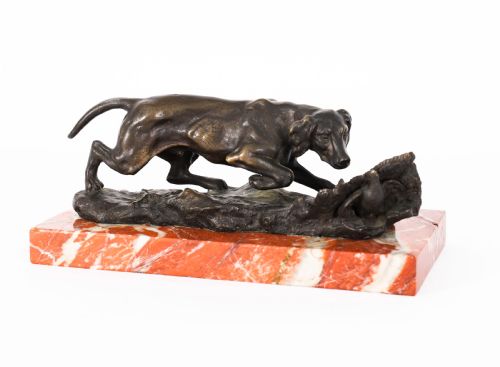
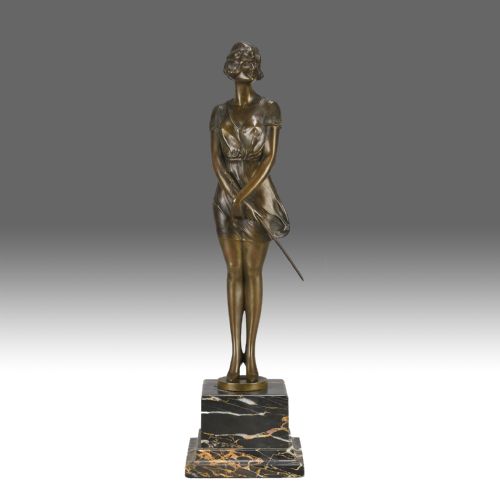
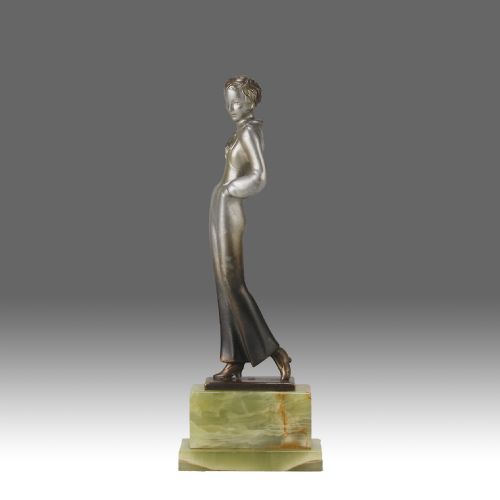
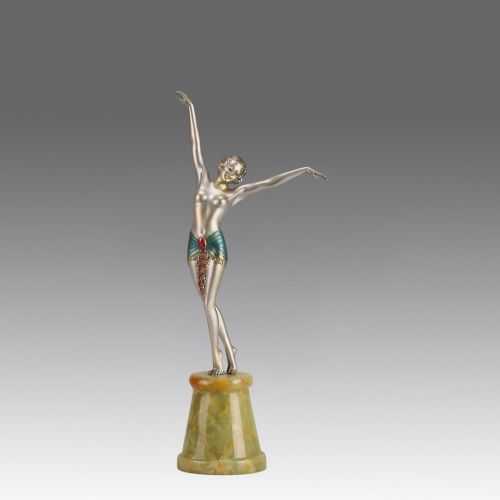
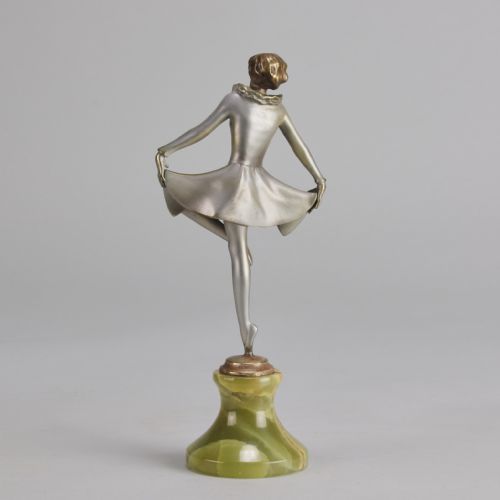
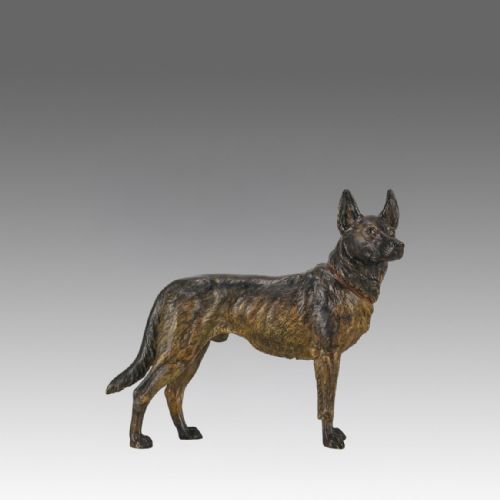
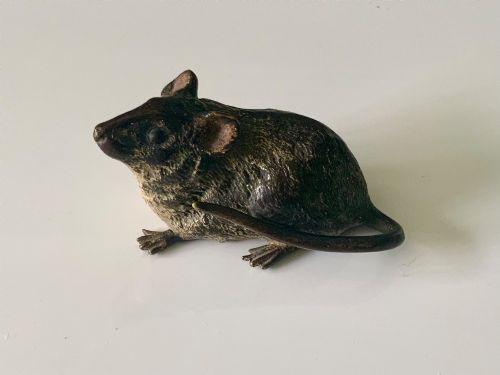
An austrian bronze statuette encompasses small-scale figurative works, animal studies, and dancers produced predominantly during the late nineteenth and early twentieth centuries. These pieces range from naturalistic depictions of birds, dogs, and horses to stylized human figures reflecting Art Nouveau and Art Deco aesthetics.
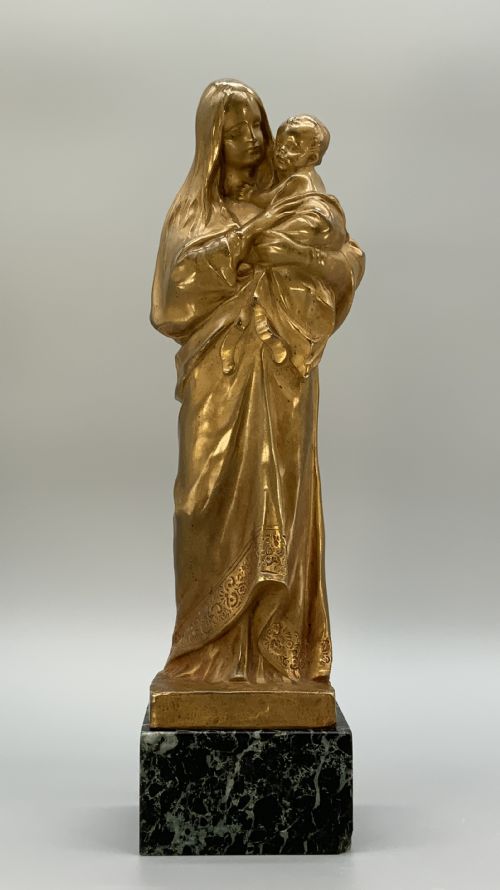
The versions most commonly encountered on this page date from the Victorian era through the 1930s, utilising bronze, cold paint, and occasionally marble or onyx bases. Many incorporate functional elements such as inkwells alongside purely decorative sculptures.
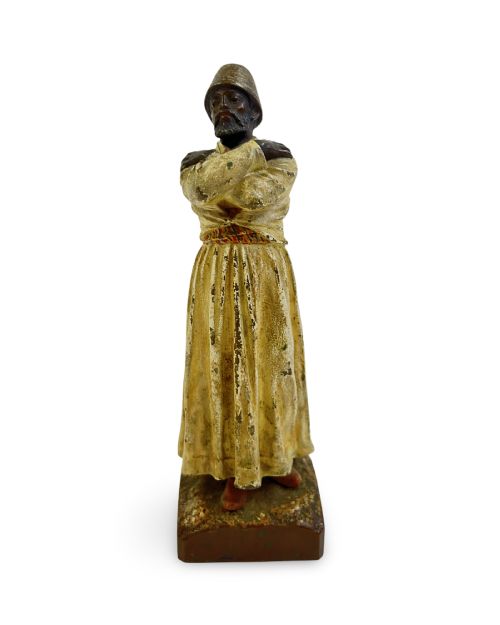
The form developed significantly through the Vienna bronze tradition, where workshops specialised in small, characterful casts requiring immense precision. Collectors encounter diverse subjects spanning orientalist scenes, human dancers, and native wildlife.
Materials and Casting Techniques
Makers utilised traditional bronze casting methods, often creating hollow or solid figures that provided a stable base for subsequent surface treatment. The metal was cast in moulds derived from original models sculpted by named artists and foundry designers.
Austrian Bronze Statuette Retail Price Guide 2026
Typical asking prices for austrian bronze statuette among the pieces listed under this phrase on Sellingantiques today, from the lower quarter to the upper quarter. They describe what is for sale here now, not the wider market.
Listings feature works spanning the Victorian era through the 1930s, incorporating bronze, onyx, marble, and cold-painted enamel finishes.
Markers of Quality and Execution
Quality rests upon the crispness of the initial cast and the preservation of the delicate cold-painted surface over time. Superior pieces display intricate hand-chasing on the metal before painting, ensuring feathers, fur, and facial expressions remain sharp.
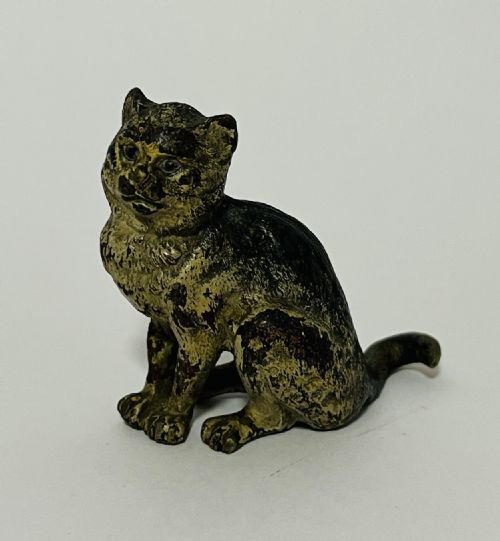
The skill of the painting determines the visual depth of the statuette, with finer examples retaining original polychrome pigment without extensive overpainting or loss. The integration of auxiliary materials, such as fitted marble or green onyx plinths, also indicates the ambition of the original production.
Carl Kauba·Rudolf Küchler·Bruno Zach·Josef Lorenzl·Hans Müller·Franz Bergman
The Austrian Bronze Statuette Glossary
- Cold-Painted Bronze
- Bronze sculpture decorated with unfired paint layers applied after casting. This technique requires specialist restoration if the pigment suffers flaking.
- Vienna Bronze
- Small-scale bronze figures produced by Austrian foundries known for humour, realism, and vibrant colour. These pieces were exported globally from the late nineteenth century onward.
- Patination
- The chemical treatment or natural ageing process that alters the surface colour of the bronze. It provides a foundational tone beneath any applied paint.
- Chasing
- The manual refinement of a raw bronze cast using small hammers and punches. This process sharpens details before the final surface finish is applied.
- Spelter
- A zinc alloy frequently used as a substitute for bronze in decorative figures. It offers a lighter, more brittle alternative often seen in later decorative statuettes.
Austrian Bronze Statuette: Frequently Asked Questions
Were these statuettes used as practical items?
Many figures served decorative purposes, but some were engineered to function as desk accessories such as inkwells. Animals and figural groups often concealed hinged lids or wells designed for practical office use.
These functional pieces combine utility with the sculptural artistry typical of Vienna foundries. They demonstrate how fine metalwork was integrated into daily Victorian and Edwardian domestic life.
How do I identify a cold-painted surface?
Cold paint sits directly on the metal or a thin preparatory layer without having undergone kiln firing. Under magnification, you can observe brushwork and the distinct layering of pigments.
Original paint exhibits natural wear consistent with age rather than the uniform appearance of modern touch-ups. Examining the underside often reveals the unpainted bronze underneath.
What subjects are most common in these pieces?
Animals form a major category, featuring birds, dogs, cats, and exotic wildlife rendered with naturalistic precision. Human figures, particularly dancers and orientalist subjects, are equally prevalent across the Art Nouveau and Art Deco periods.
These subjects reflect the widespread European interest in diverse cultures and natural history during the late nineteenth and early twentieth centuries. Each genre displays distinct stylistic traits unique to the contributing artists.