




Austrian Art Sculpture
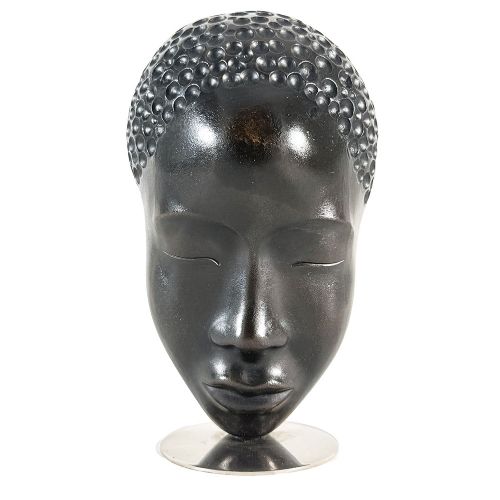
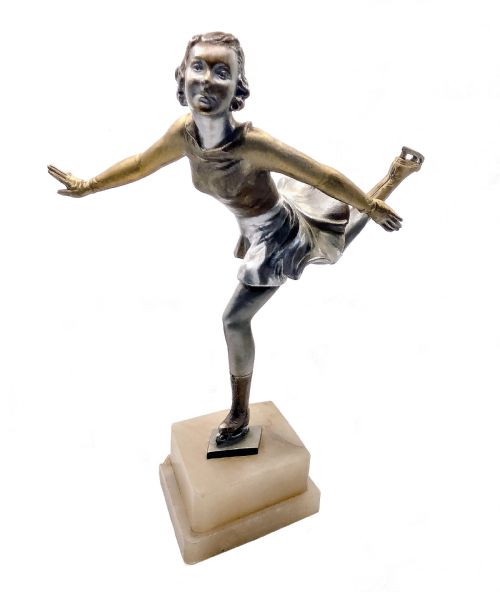
These austrian art sculpture pieces capture expressive human figures and animals through refined metalwork, ceramics, and carved mediums.
Austrian Art Sculpture
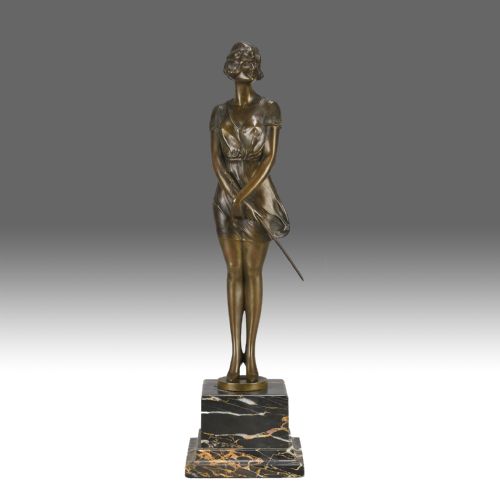
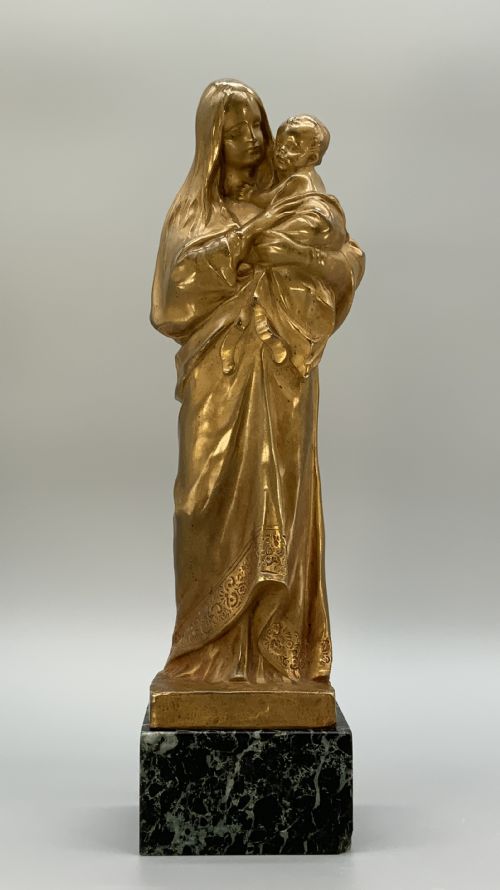
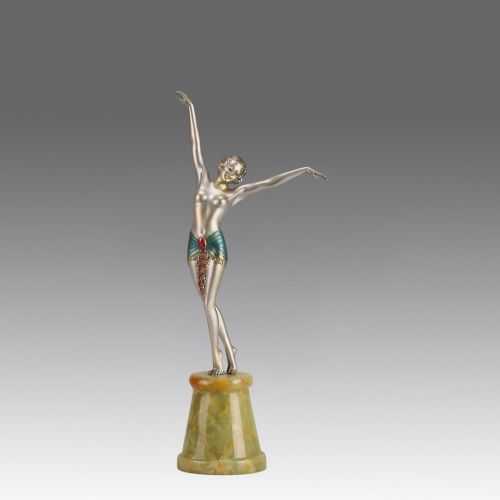
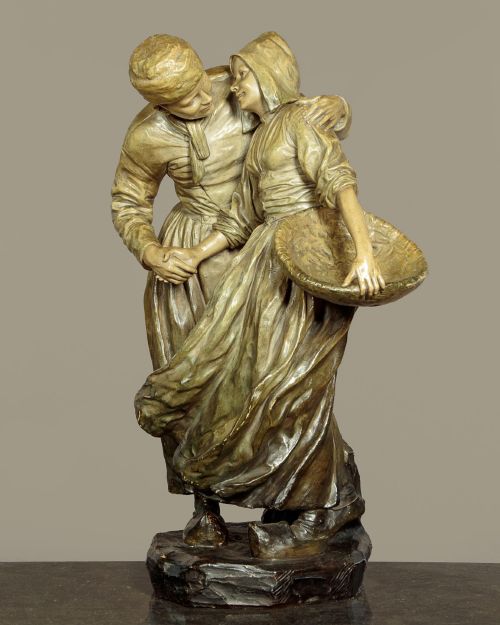
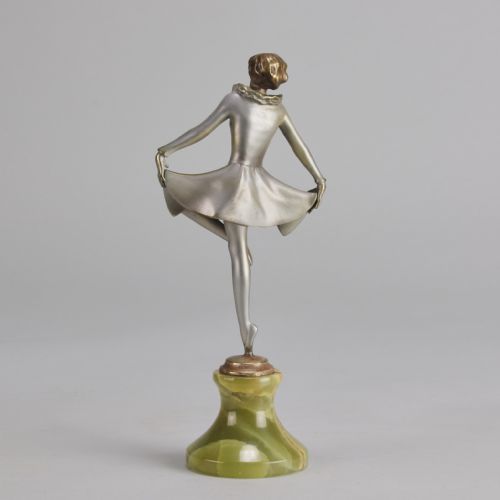
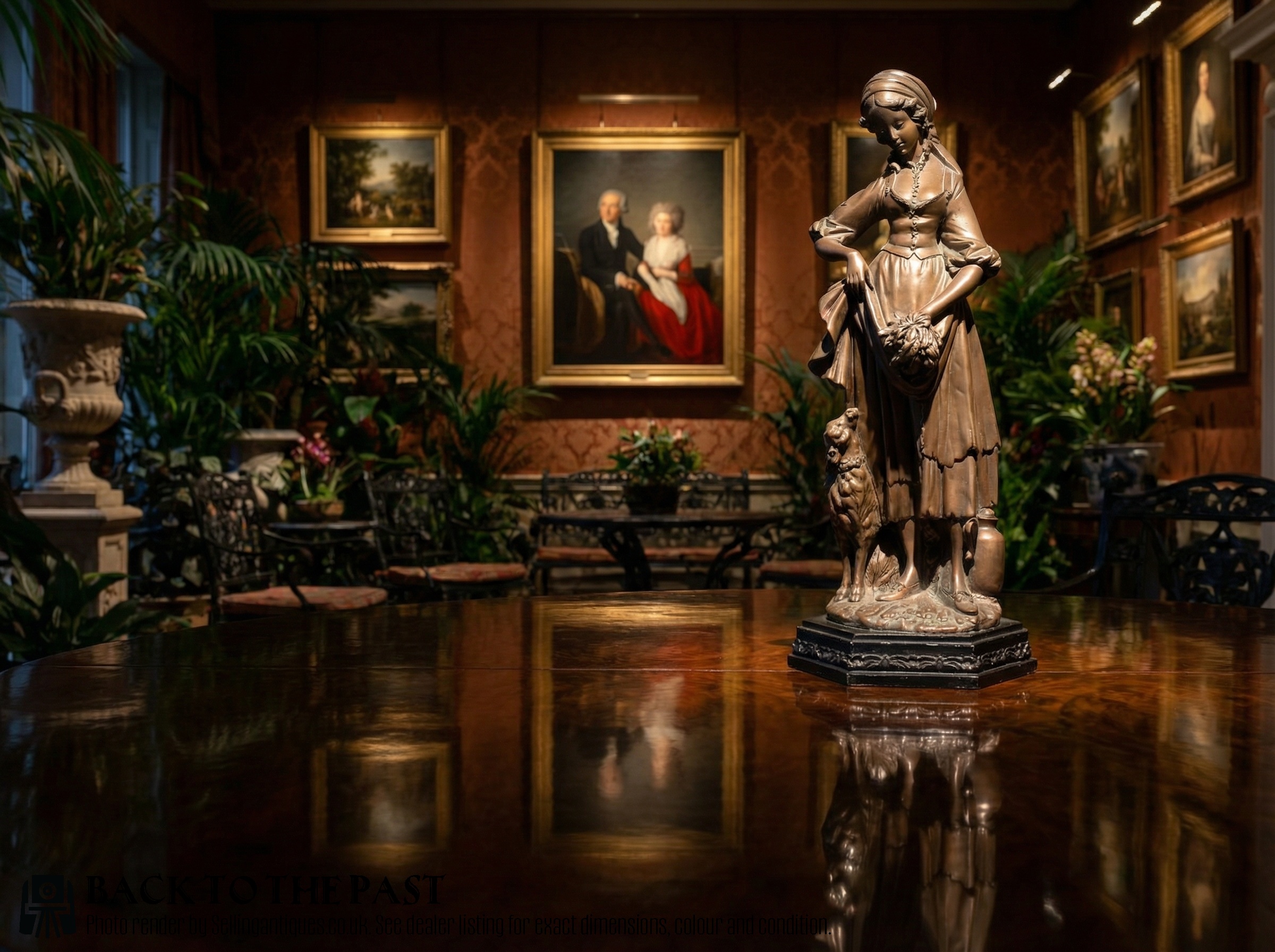
When searching for austrian art sculpture, buyers encounter figurative works, dancers, and animals spanning from the late nineteenth century through the Art Deco era. The selection draws heavily from Viennese studios, showcasing distinct periods like Art Nouveau and Classical Revival alongside modernist geometric styling.
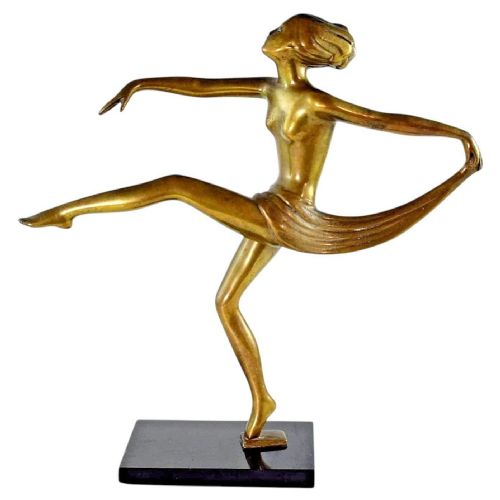
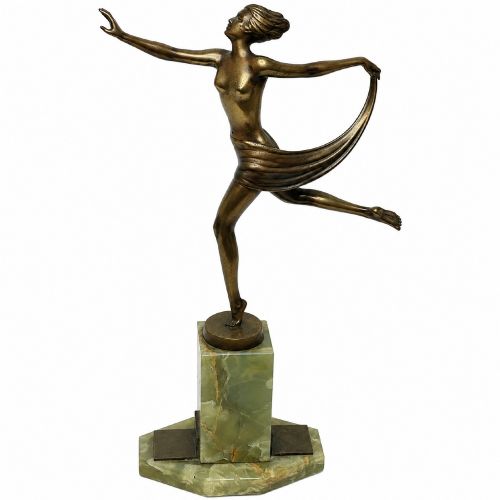
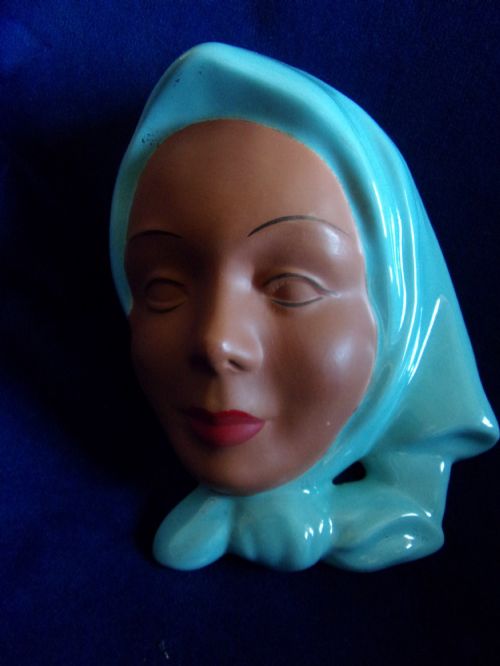
Forms vary widely from cold-painted bronze statuettes and gilt dancers to terracotta figures, pottery wall masques, and heavy bookends. Collectors frequently find pieces mounted on marble or onyx plinths, designed both as cabinet ornaments and functional desk items.
The objects reflect distinct cultural shifts, moving from ornate nineteenth-century classical depictions towards sleek, stylised interpretations of modern movement. Dancers, athletes, and natural subjects dominate the groupings available.
Materials and Technique
Foundry-cast bronze and spelter form the backbone of metal figures, frequently finished with cold-painted polychrome details or gilt surfaces. Sculptors utilised specialised patination techniques to render realistic skin tones and intricate garment textures on small-scale bronzes.
Ceramic works rely on earthenware, terracotta, and slip-cast pottery bodies, shaped into large figures, busts, and spill vases. Studios combined moulded clay with hand-painted glazes, sometimes incorporating mixed media such as carved limewood or lampwork glass.
Lobster boys and budgerigars sit comfortably alongside classical dancers in the menagerie of Viennese metalwork.
Distinctions in Quality
The choice and integration of the base material also mark superior pieces, where genuine marble or onyx plinths complement the sculpture rather than serving as generic mounts. Artistry in capturing dynamic movement, such as in dancer figures, separates master works from standard commercial production.
Goldscheider·Rudolf Küchler·Bruno Zach·Josef Lorenzl·Hans Müller·Franz Gruber·Friedrich Goldscheider·Carl Kauba·Franz Bergman·Ernst Wahliss
The Austrian Art Sculpture Glossary
- Cold-painted bronze
- Bronze sculpture finished with layers of unfired oil paint applied by hand. This technique requires meticulous brushwork to achieve realistic clothing and skin tones.
- Spelter
- A zinc-based alloy utilised as an economical alternative to bronze for decorative figures. It often receives a bronze or silvered finish to mimic more costly metalwork.
- Terracotta
- Fired unglazed or glazed clay used extensively for sculptural figures and busts. It allows for soft modelling and detailed textural work before firing.
- Vienna Bronze
- Small, highly detailed Austrian bronze sculptures produced from the late nineteenth century onwards. They are celebrated for humorous, naturalistic, or erotic subjects with cold-painted finishes.
Austrian Art Sculpture: Frequently Asked Questions
What is cold-painted bronze?
Cold-painted bronze refers to metal sculptures finished with applied paints that are allowed to dry naturally rather than being fired in a kiln. This method allowed makers to achieve vibrant, multicoloured surfaces on small decorative figures.
Over time, these delicate paint layers can show age and handling wear, making undisturbed surfaces particularly sought after by collectors who value original patination.
How do I identify Art Deco figures?
Art Deco sculptures typically display clean geometric lines, stylised human proportions, and a strong emphasis on modern movement like dancing or athletics. Materials often include patinated or silvered bronze, spelter, and carved ivory or wood.
Many of these figures were mounted on contrasting circular or stepped marble and onyx bases, marking a distinct departure from ornate nineteenth-century naturalism.
Were these sculptures signed?
Many pieces bear artist signatures, foundry marks, or impressed model numbers directly into the metal, ceramic body, or marble base. Signatures validate the attribution to notable sculptors and major Austrian ceramic manufactories.
However, unsigned examples also exist in quantity, requiring stylistic comparison with documented works to determine their origin and period.
How should I clean bronze figures?
Bronze sculptures require gentle dusting with a soft, dry cloth to remove surface particles without disturbing the underlying patina or cold-painted finish. Water, abrasive cleaners, and chemical polishes must be avoided entirely.
Preserving the original surface condition ensures the long-term character and integrity of metalwork and painted details remain intact.