
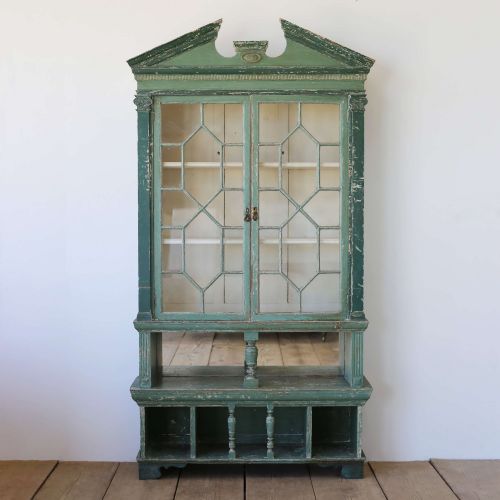
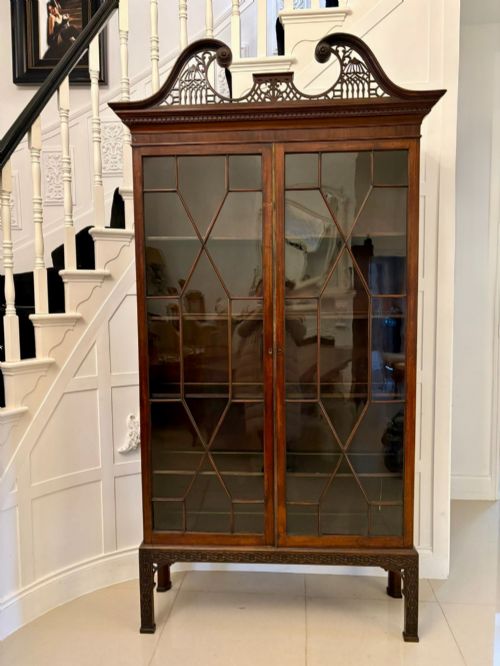
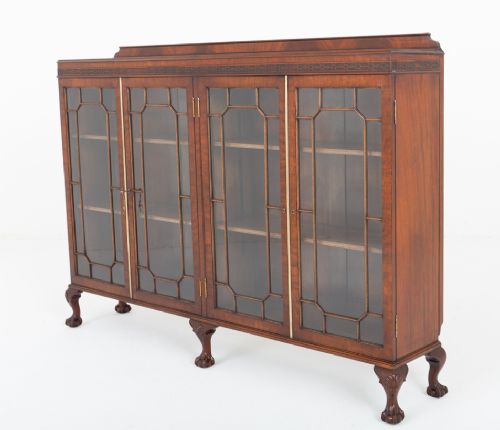
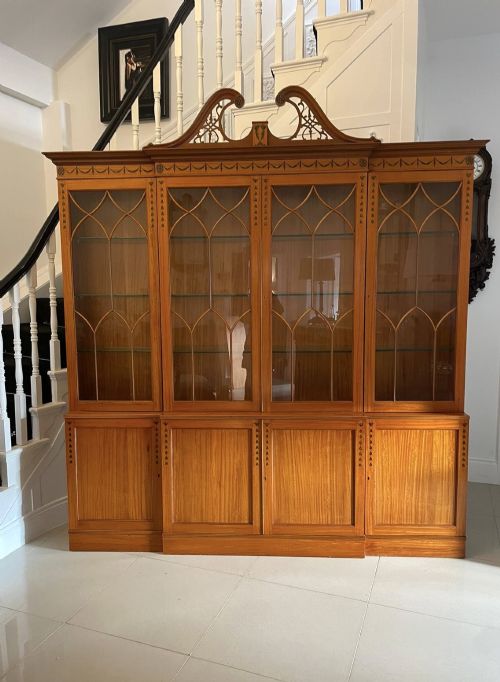
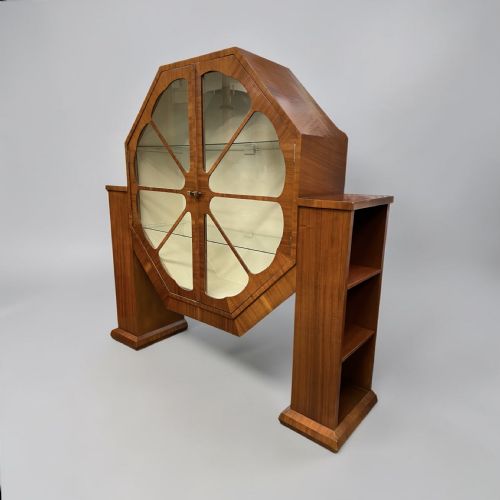
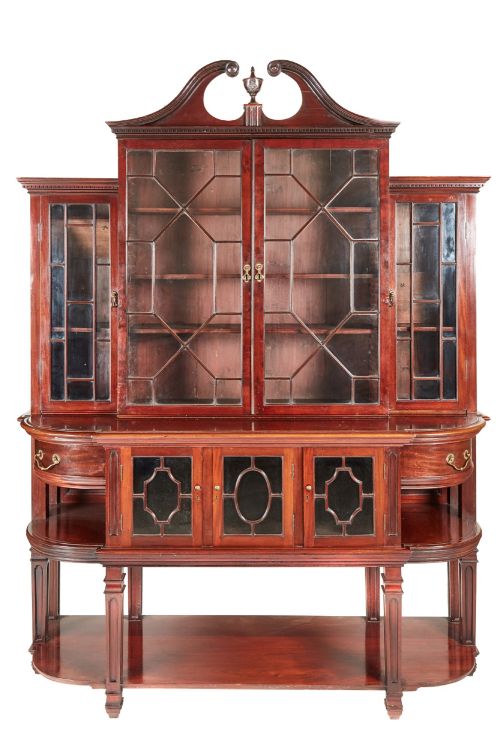
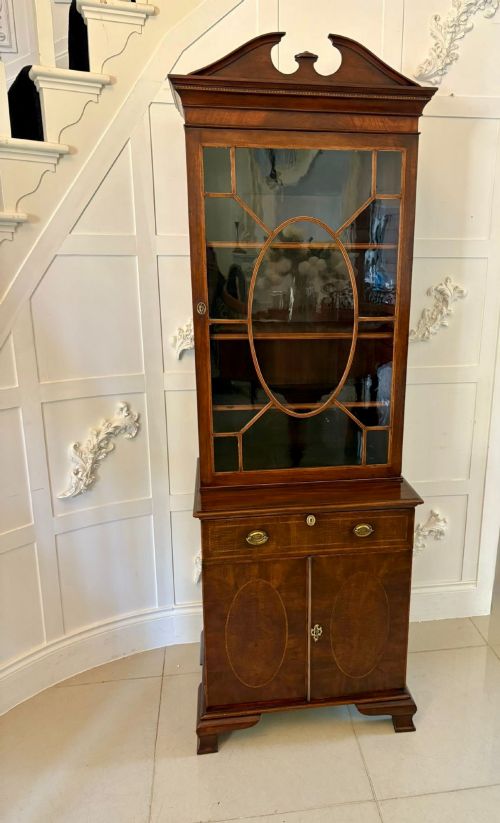
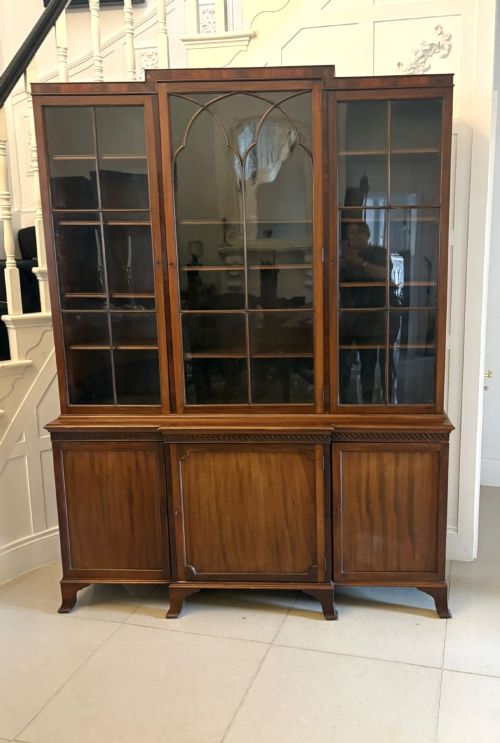
Astragal Glass Cabinet
An astragal glass cabinet holds your books and porcelain behind delicate wooden lattices.
Astragal Glass Cabinet
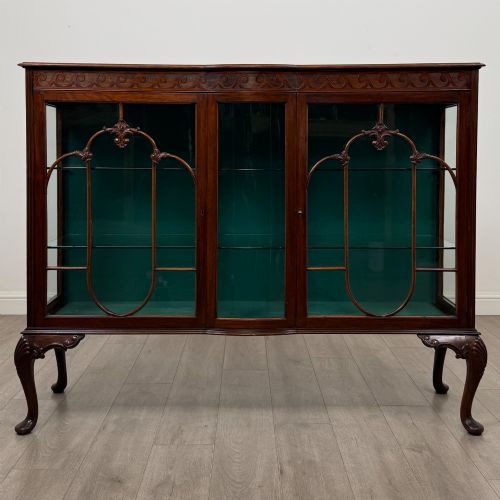
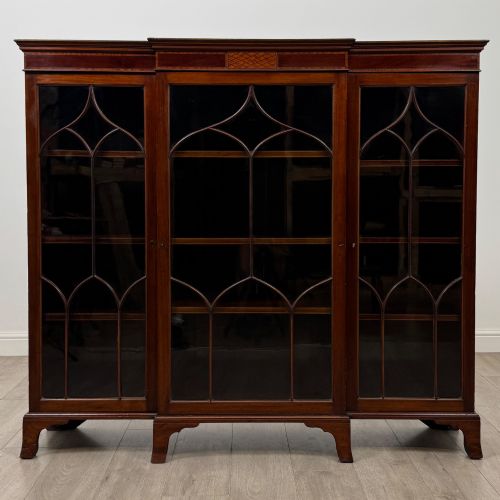
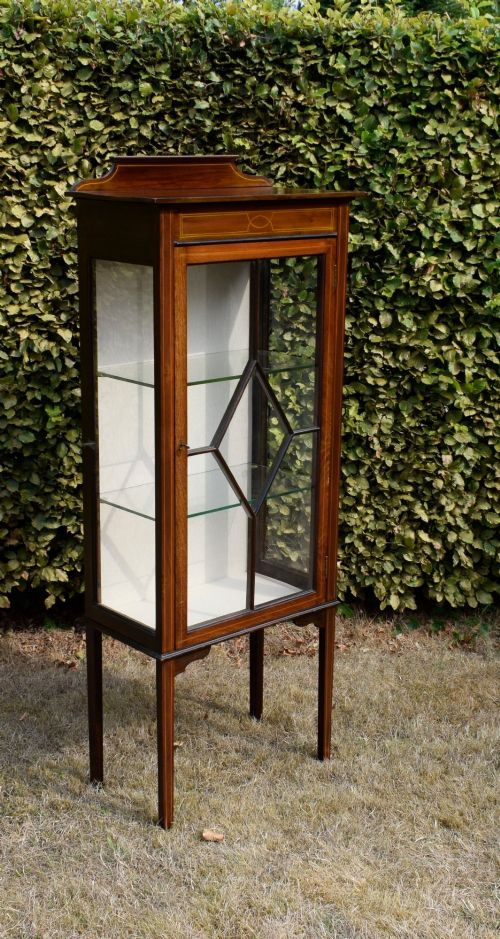
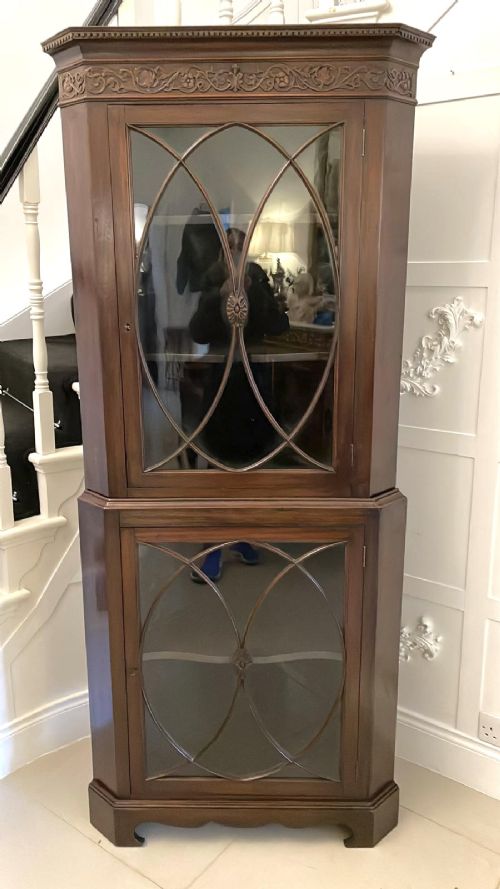
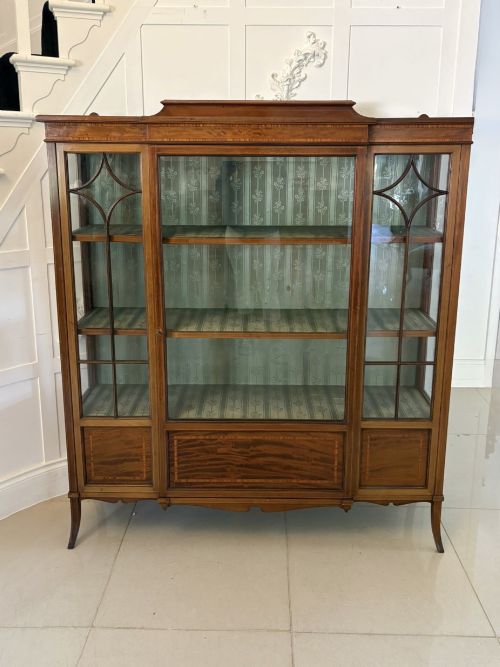
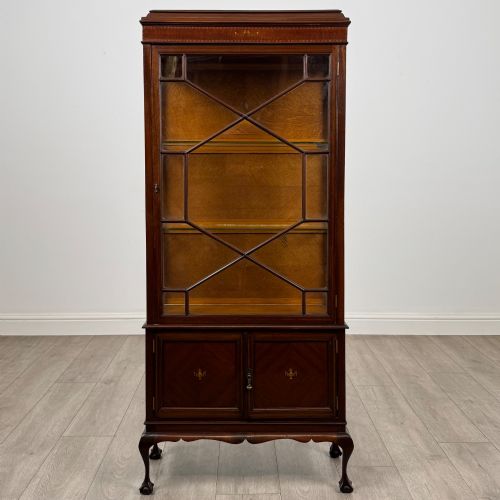
When you search for an astragal glass cabinet, you are looking at tall bookcases, display cabinets, corner cupboards, and breakfront library pieces built to house and exhibit valued possessions. These items originate from the Georgian, Victorian, and Edwardian periods, stretching through the nineteenth and early twentieth centuries.
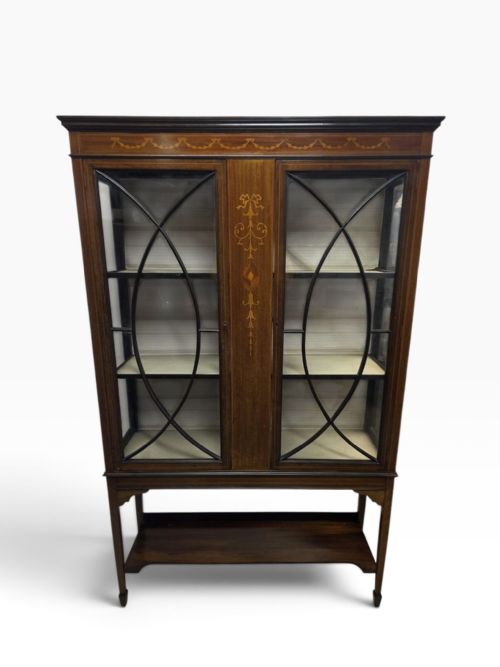
The version you are most likely to meet on this page is the Edwardian or Victorian mahogany display cabinet or bookcase, frequently decorated with satinwood inlay and fitted with glazed doors. Alongside these, you will encounter Georgian examples, corner cabinets, and larger breakfront formats designed for principal rooms.
How they were made
Cabinet makers constructed these pieces primarily from solid mahogany, walnut, and oak, often applying fine veneers such as satinwood to drawer fronts and friezes. Inlay work in contrasting timbers added linear detail and classical motifs to the surfaces.
The defining characteristic is the framework of wooden glazing bars, known as astragals, which hold the individual panes of glass in geometric or curved patterns. Brass hardware, including hinges, escutcheons, and locks, completed the assembly of the doors and compartments.
Some Edwardian display cabinets include mirrored backs specifically designed to reflect light through your grandmother's teacups from every possible angle.
What varies in quality
The distinction between standard cabinet work and exceptional craftsmanship lies in the selection of timbers and the precision of the joinery. Superior examples display carefully figured mahogany grain, finely executed satinwood inlay, and neatly fitted glazing bars that demonstrate high manual skill.
Makers known for supplying high-end furniture, such as Jas Shoolbred, Maple & Co, James Winter & Sons, and Wylie and Lochhead, often produced pieces with integrated design harmony, original painted decoration, and robust internal shelving that mark out the upper tier of the market.
Jas Shoolbred·Maple & Co·Wylie and Lochhead·James Winter & Sons
The Astragal Glass Cabinet Glossary
- Astragal
- A small moulding profile used to divide panes of glass within a door frame. In these cabinets, wooden astragals form geometric or curved lattices across the glazed panels.
- Breakfront
- A piece of furniture whose central section projects forward from the flanking wings. This architectural arrangement creates depth and visual interest in larger bookcases and display cabinets.
- Vitrine
- A glass-fronted display cabinet or case designed specifically for showing porcelain, curiosities, or small objects. The term derives from the French word for glass.
- Inlay
- A technique where pieces of contrasting wood, such as satinwood, are inserted into recessed cavities in the primary timber surface to create decorative patterns.
- Bijouterie cabinet
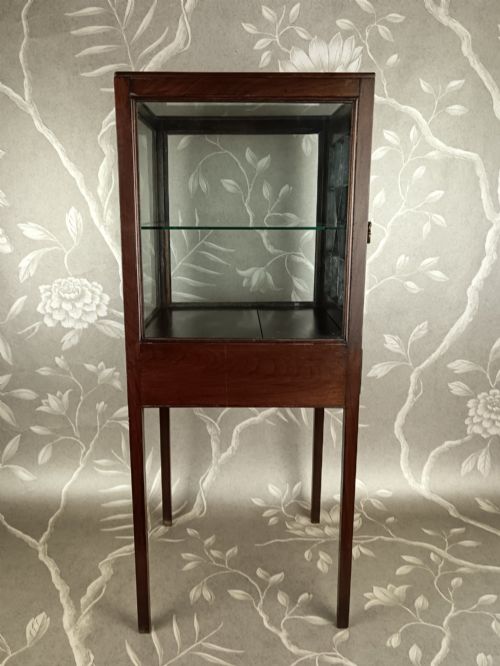
- A specialised display table or cabinet featuring a glazed top and sides, originally intended for displaying jewellery and small precious items.
Astragal Glass Cabinet: Frequently Asked Questions
Where should I place a cabinet?
These cabinets suit dining rooms, libraries, and drawing rooms where they can protect books and display ceramics away from heavy foot traffic.
Keep them out of direct sunlight to prevent the timber veneers and internal fabrics from fading over time.
How do I clean the glass bars?
Dust the wooden astragals gently with a soft brush to remove particles without loosening the delicate joints holding the glass panes.
Apply glass cleaner to a cloth rather than directly onto the glass to avoid dampening the surrounding wood and finish.
Can I adjust the shelves?
Most antique cabinets feature fixed wooden shelves or simple wooden supports rather than modern metal ratchets.
Plan your book heights or display items carefully before arranging them inside the cabinet compartments.