

Asian Tribal Carpet
An asian tribal carpet brings the rich heritage of nomadic weaving traditions into a modern interior.
Asian Tribal Carpet
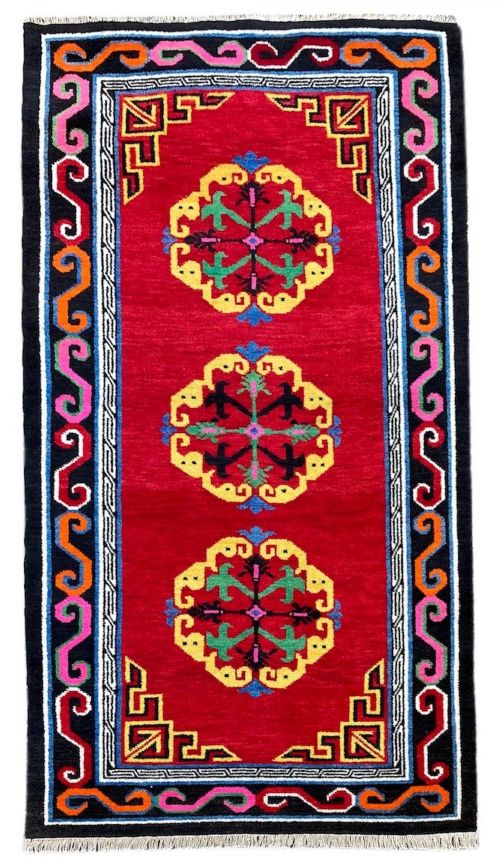
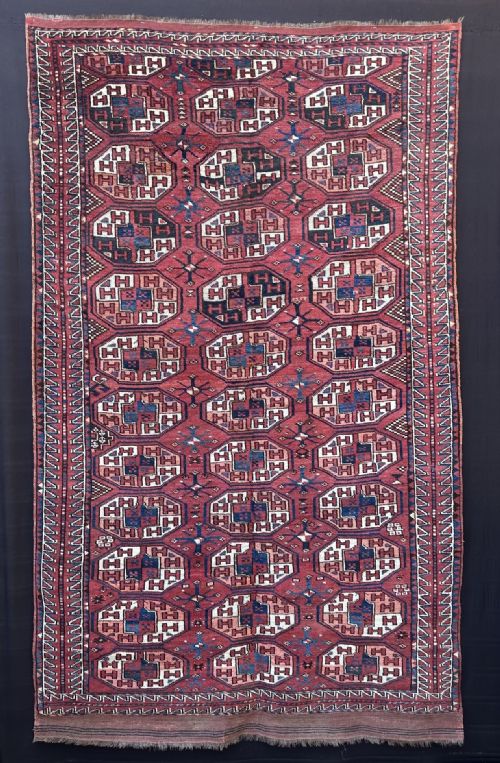
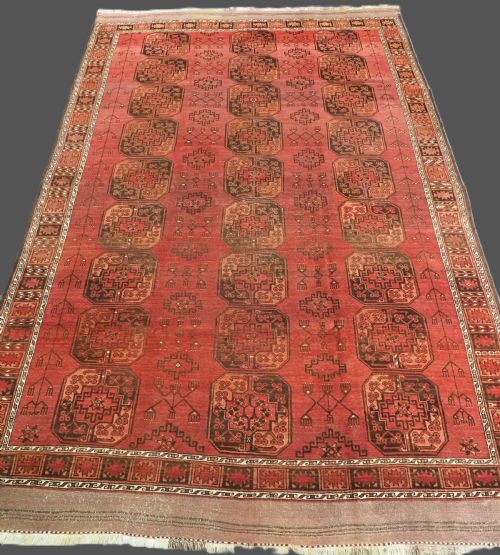
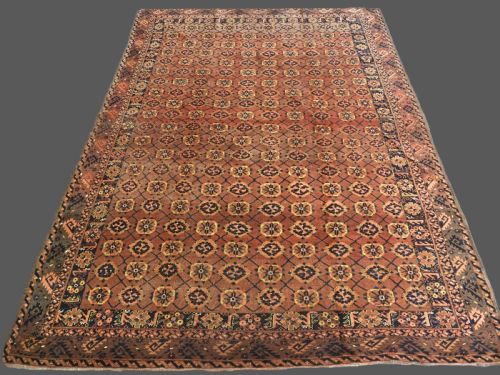
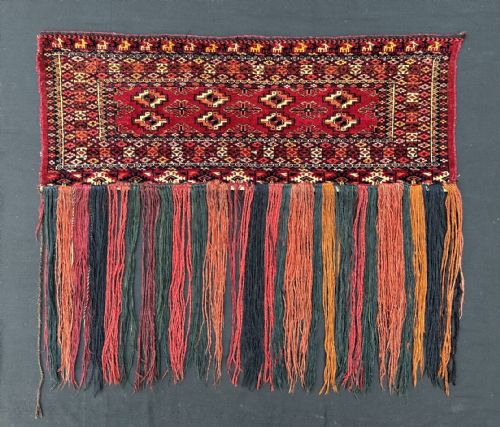
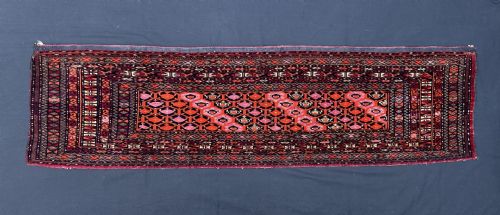
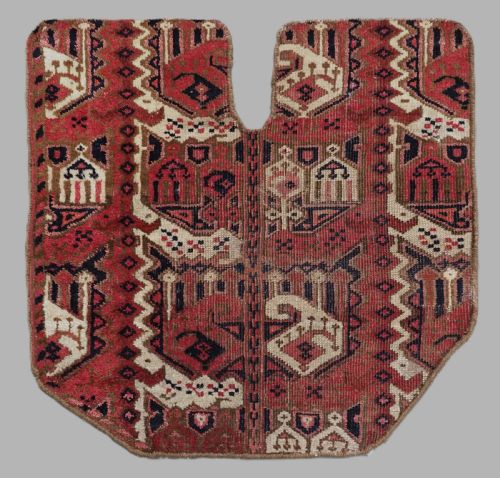
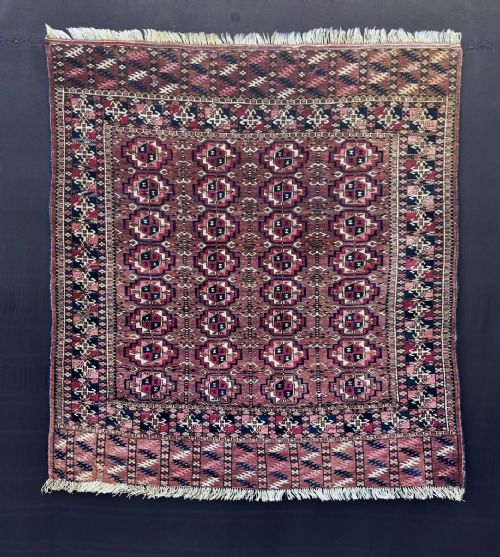
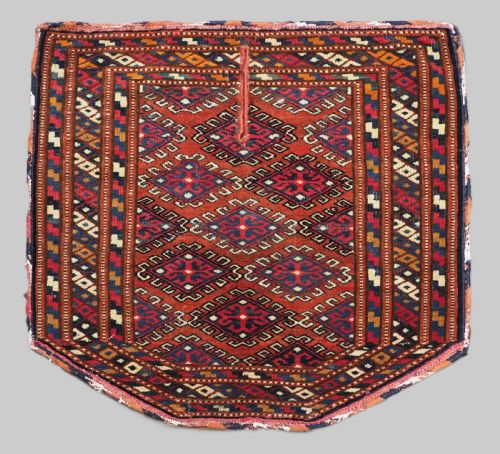
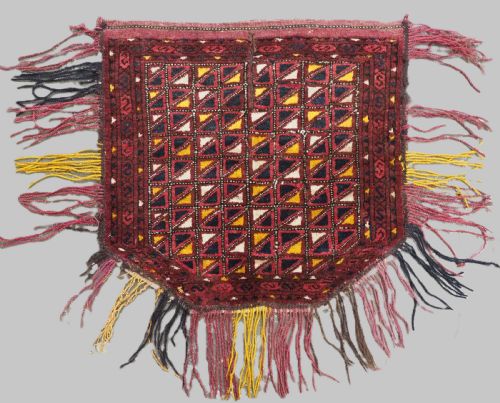
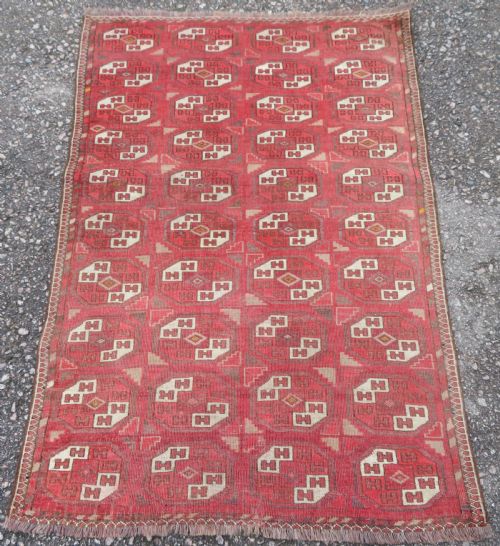
An asian tribal carpet encompasses woven and felted works created by nomadic and village groups across Central Asia and Tibet. Buyers searching this phrase typically encounter nineteenth and early twentieth-century examples, including large main carpets, smaller tent bags, and ceremonial horse covers.
Forms range from long rugs and square dowry pieces to specialised items like meditation rugs and animal trappings. Each format reflects the specific cultural traditions and daily requirements of the weavers who produced them.
Materials and Construction
Wool forms the primary structural material, frequently hand-spun and combined with cotton for foundations and supplementary wefts. Artisans utilised natural dyes to achieve deep reds, browns, and ivory grounds, occasionally incorporating silk thread for specific decorative highlights.
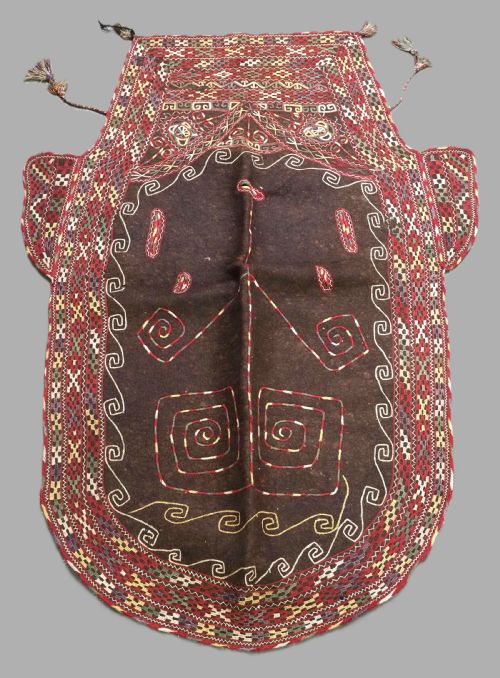
Certain ceremonial items, such as horse blankets and specific rugs, employ felted wool created through compression and moisture. Embroidery also appears across pieces like Uzbek Lakai textiles, adding layered texture to a felt or woven base.
Several horse blankets and camel trappings in the collection preserve the original travel dust of the Central Asian steppes.
Assessing Quality and Execution
Knot density and structural tightness set finer examples apart from coarser village production, particularly in pieces like Tekke torbas and chuvals. A precise, even weave allows complex geometric motifs to appear crisp and well-defined.
The depth and stability of natural dyes influence visual success, with rich, saturated tones indicating careful preparation. Completeness also matters, as surviving items retaining original tassels, plain weave backs, or side finishes represent higher degrees of preservation.
The Asian Tribal Carpet Glossary
- Gul
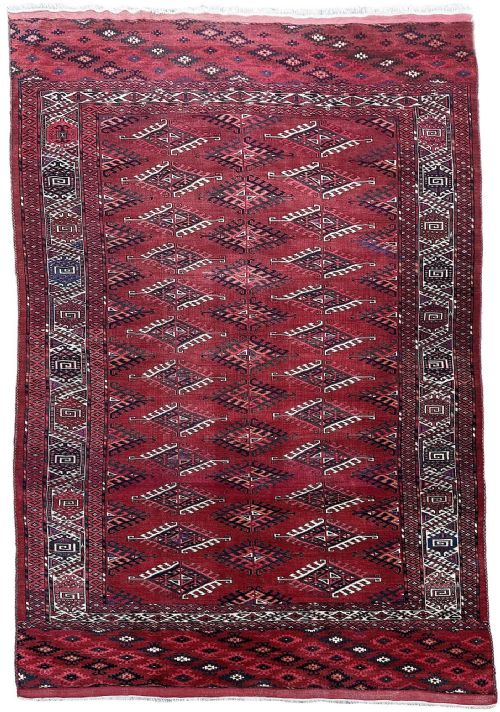
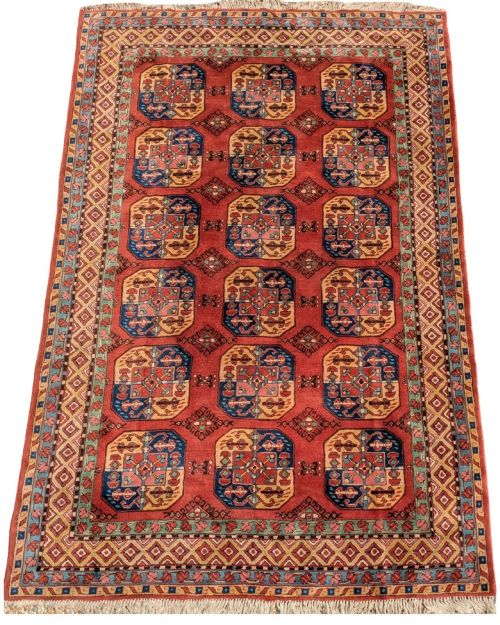
- A primary medallion motif characteristic of Turkmen tribal weaving, often repeated across the field. Each tribe utilised distinct variations of these primary octagonal forms.
- Chuval
- A large nomadic storage bag produced by Turkmen tribes for domestic use inside a yurt. These faces frequently display multiple guls arranged in strict rows.
- Torba
- A smaller storage bag hung on the lattice walls of a tent. They share design elements with larger chuvals but occupy more compact dimensions.
- Engsi
- A specialised carpet functioning as a tent door hanging, featuring a distinctive cross-panel design that divides the field into four sections.
- Khaden
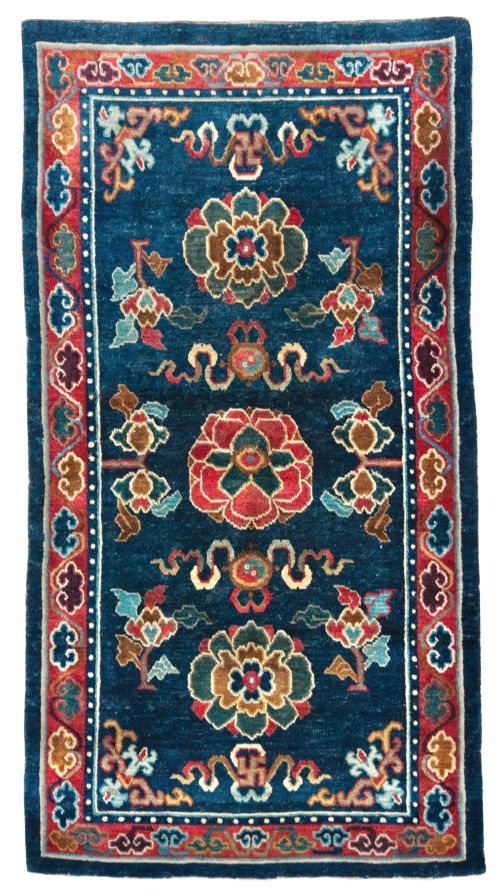
- A Tibetan rug type traditionally used for domestic seating or sleeping platforms. These pieces often display austere geometric arrangements or Chinese-influenced iconography.
- Asmalyk
- A pentagonal trapping mounted on the flanks of a camel during wedding processions. These decorative textiles feature specialised regional layouts.
Asian Tribal Carpet: Frequently Asked Questions
What is an asian tribal carpet used for originally?
Nomadic communities utilised these textiles for insulation, bedding, floor covering, and the storage of household possessions within portable dwellings. Specialised formats also served ceremonial functions during weddings and community gatherings.
Over time, these utilitarian objects became expressions of tribal identity and artistic skill, handed down through families or utilised as significant items within dowry exchanges.
How do I identify different Turkmen tribal designs?
Attribution relies heavily on the specific primary gul motif, secondary ornaments, and the predominant colour palette employed in the field. Tribes such as the Tekke, Yomut, and Ersari maintained distinct graphical traditions that recur across their respective main carpets and smaller bags.
Structural details, including end finishes and edge binding, also provide clues to the specific regional group responsible for the weaving.
Are all asian tribal carpets made from wool?
Wool serves as the predominant material for the vast majority of these woven rugs and storage trappings, often prepared by hand-spinning. Cotton frequently appears in foundations, while certain pieces incorporate silk threads for specific contrast.
In addition to woven pile and flatweaves, some northern nomadic groups produced items made entirely from felted wool or decorated with detailed embroidery.
How should I care for an antique tribal rug?
Preservation requires gentle handling, regular low-suction vacuuming without a rotating brush, and protection from direct, prolonged sunlight. Professional cleaning tailored to antique textiles helps maintain the integrity of natural wool and dyes.
Using a breathable underlay prevents slipping and reduces friction between the textile and hard flooring surfaces.