
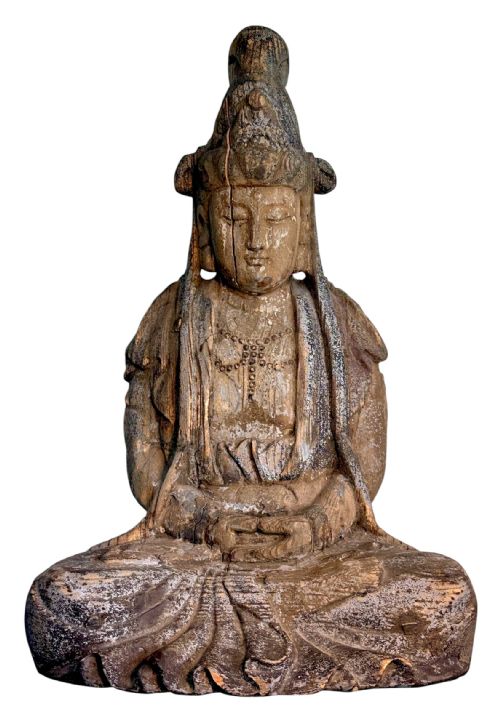


Asian Temple Sculpture
These pieces of asian temple sculpture bring centuries of ritual art, sacred figures and mythical guardians straight from shrines into private spaces.
Asian Temple Sculpture
When you search for asian temple sculpture, you encounter sacred figures, mythical guardians and ritual bronzes originating from monasteries, shrines and sacred architecture across Asia. The selection spans distinct regional traditions, including Chinese dynastic works, Thai Rattanakosin and Ayutthaya bronzes, Tibetan temple lions and Burmese wood carvings.
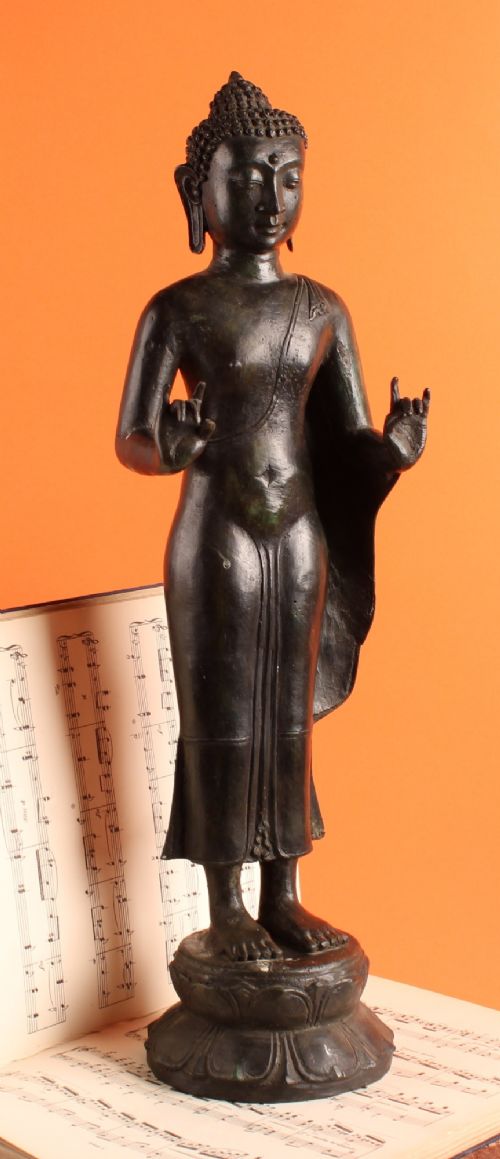
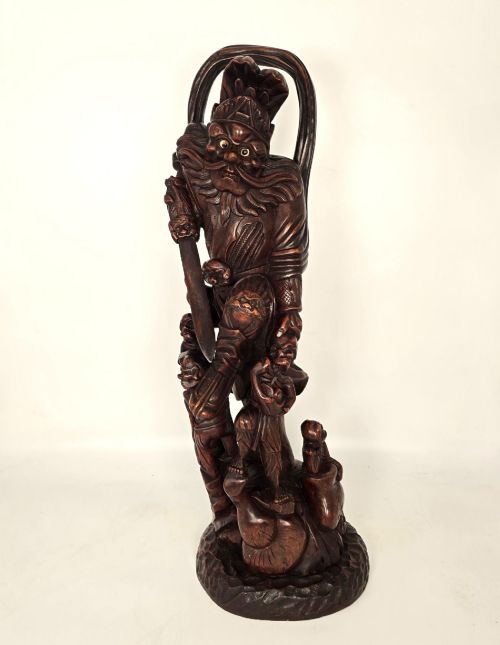
You are most likely to meet wooden guardian figures, cast bronze Buddhas and pairs of protective temple lions originating from the nineteenth century. These objects served protective, devotional or architectural functions before entering the decorative sphere.
Materials and Working Methods
Materials reflect the regional workshops of their creation, relying heavily on hardwoods, cast bronze, sandstone, marble and terracotta. Many wooden and stone surfaces carry layers of applied gold leaf, polychrome paint or lacquer.
Metal pieces utilise traditional lost-wax casting methods to achieve intricate detail in deities and guardian animals. Carved wooden sculptures employ joinery and relief work to shape monumental figures of officials, guardians and animals.
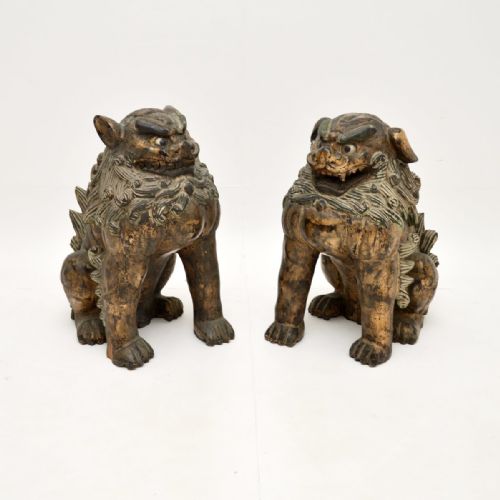
Some temple lions weigh thirty-five kilograms, ensuring they guard your hallway with the same heavy determination they once brought to ancient shrine doors.
Assessing Craftsmanship and Origin
Quality rests in the sculptural depth, anatomical command and the preservation of original surface finishes such as polychrome paint or gilding. Masterworks display dynamic posture, balanced proportions and confident tool work on wood or metal.
Regional adherence to period styles and the integrity of the casting or carving distinguish standard decorative items from significant works of religious art. Surviving trace elements of gold leaf and mineral pigments indicate greater historical intactness.
The Asian Temple Sculpture Glossary
- Mudras
- Symbolic hand gestures used in iconography to convey specific actions or teachings of the Buddha. These gestures appear frequently in bronze and wooden figural representations.
- Foo Dog
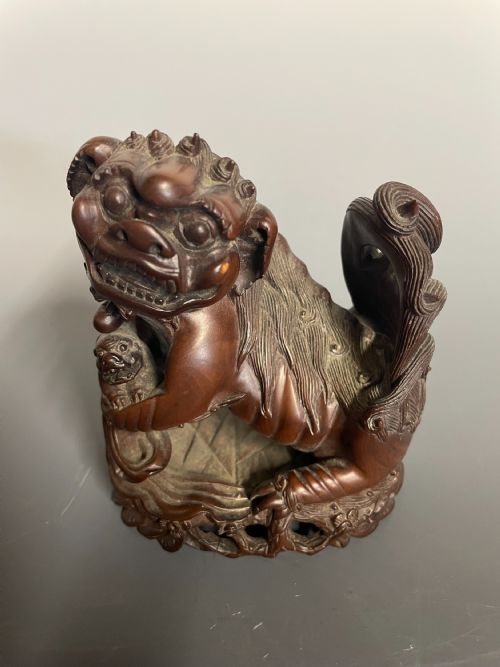
- A guardian lion figure traditionally placed outside temple gates to ward off malevolent spirits. Pairs of these stone, bronze or wooden beasts are common in Chinese and Tibetan works.
- Polychrome
- Decoration consisting of several distinct colours applied to wood, stone or clay sculpture. This surface treatment often survives in fragments on temple figures.
- Gilt
- A thin layer of gold applied to the surface of wood, bronze or stone sculpture. This finish highlights sacred attributes and denotes high status.
- Bodhisattva
- An enlightened being who defers nirvana to help others achieve salvation. These figures appear widely in South and East Asian sacred art.
Asian Temple Sculpture: Frequently Asked Questions
What is an asian temple sculpture?
These items are ritual objects, deities and architectural guardians removed from shrines and sacred spaces across Asia. They include cast bronze Buddhas, carved wooden guardian kings and stone lions.
Such pieces reflect the religious devotion and artistic output of periods ranging from the Ming Dynasty to the twentieth century.
How were temple lions used?
Temple lions, often called Foo dogs or Shishi, stood outside sacred portals to protect the sanctuary from evil influences. They were usually cast in pairs as male and female guardians.
People placed them at thresholds to project power and maintain spiritual safety within the complex.
How do I identify the materials?
Physical examination reveals whether a piece is cast metal, carved hardwood, marble, sandstone or terracotta. Many wooden and bronze examples retain traces of gold leaf, lacquer or polychrome pigment.
Weight, surface texture and age patination help distinguish traditional bronze and boxwood creations from later reproductions.
How do I date these sculptures?
Dating relies on stylistic markers associated with specific dynasties, reigns or regional periods such as the Mandalay or Rattanakosin eras. Tool marks, wood shrinkage, metal oxidation and wear patterns offer further clues.
Comparing iconographic details against known historical examples helps narrow the century of production.