

Asian Silk Tapestry
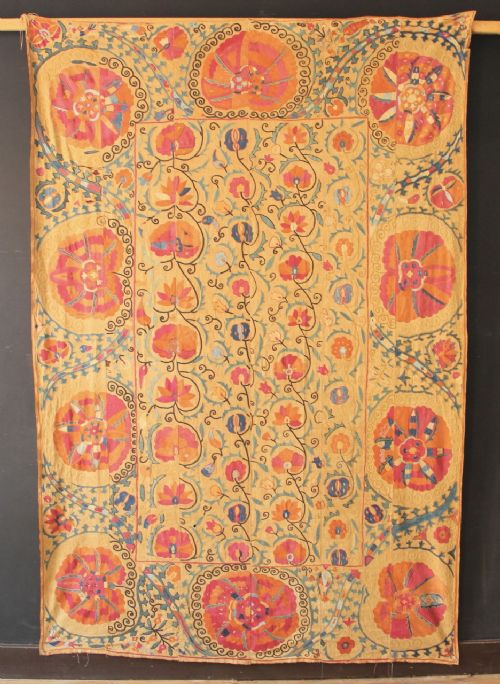
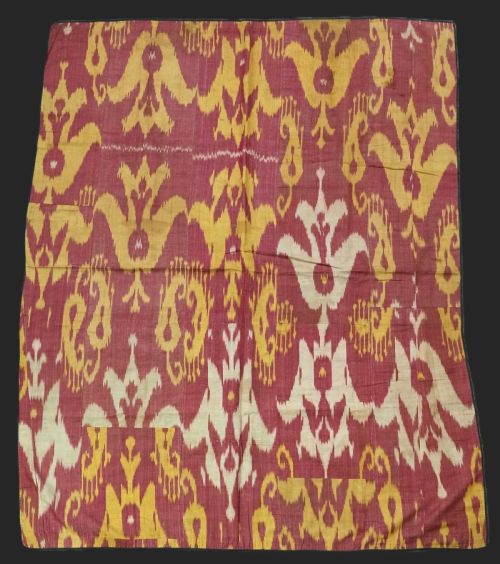
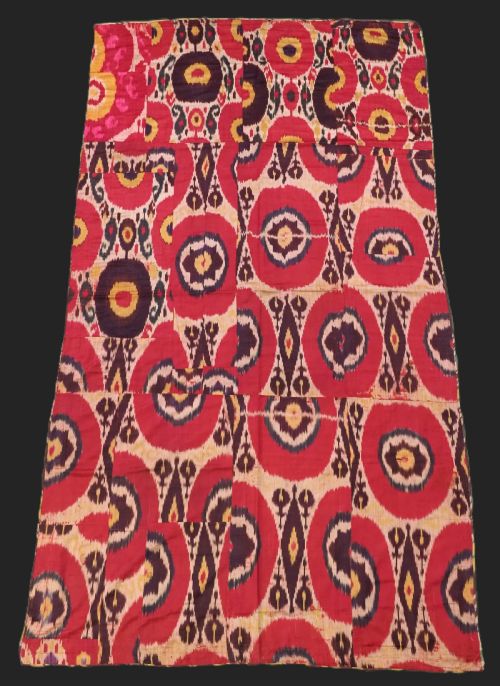
When exploring asian silk tapestry, collectors encounter richly embroidered textiles and wall hangings from Central Asia and China carrying centuries of regional heritage.
Asian Silk Tapestry
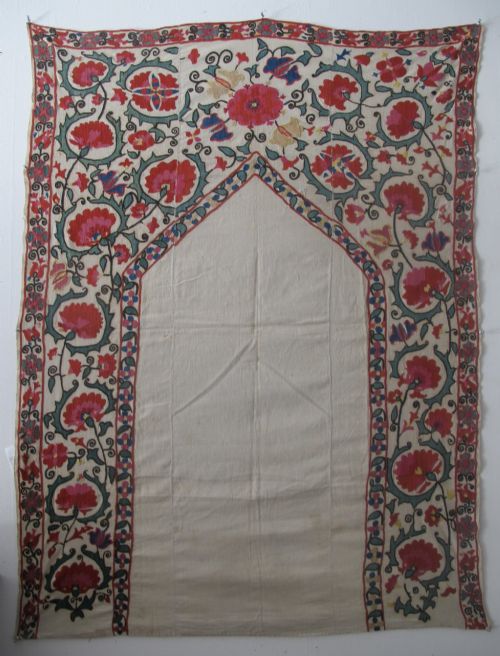
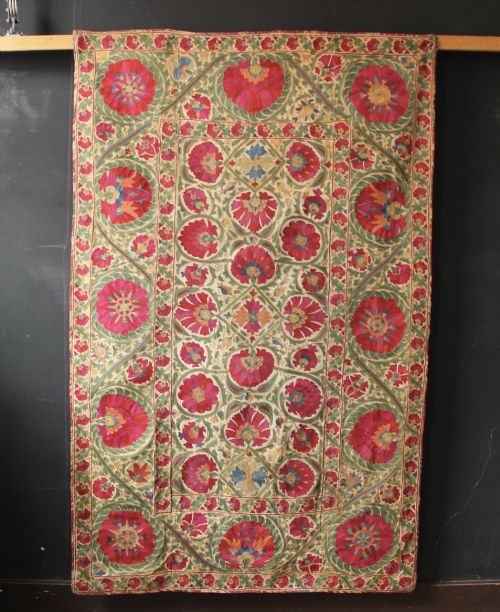
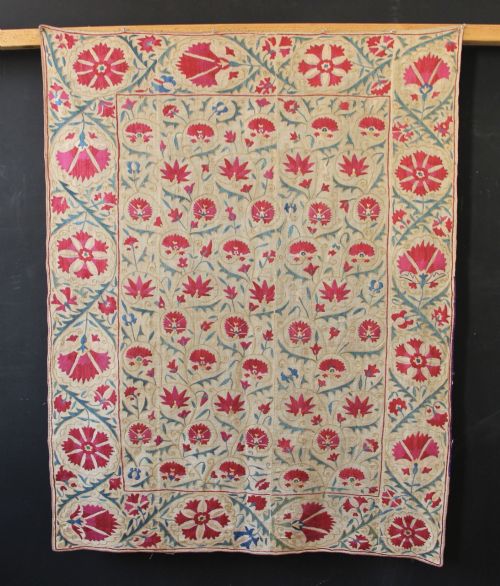
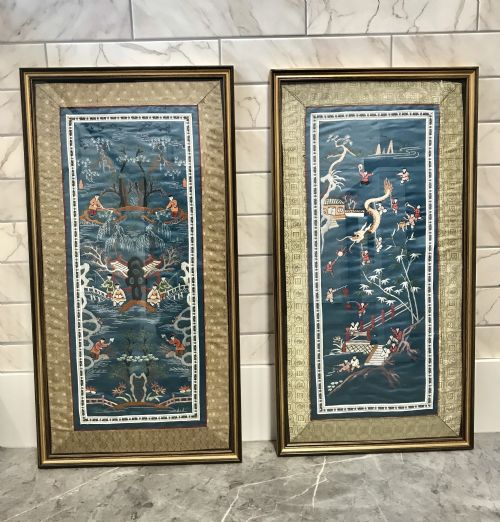
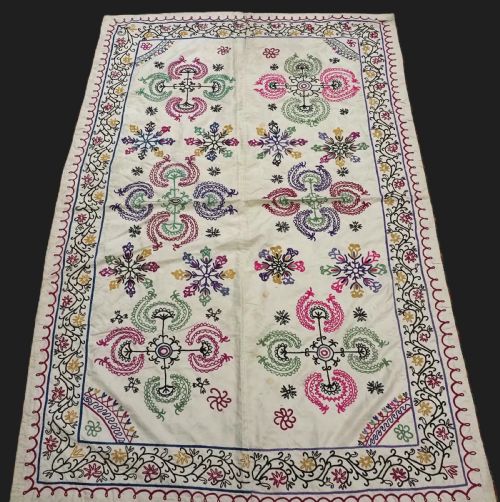
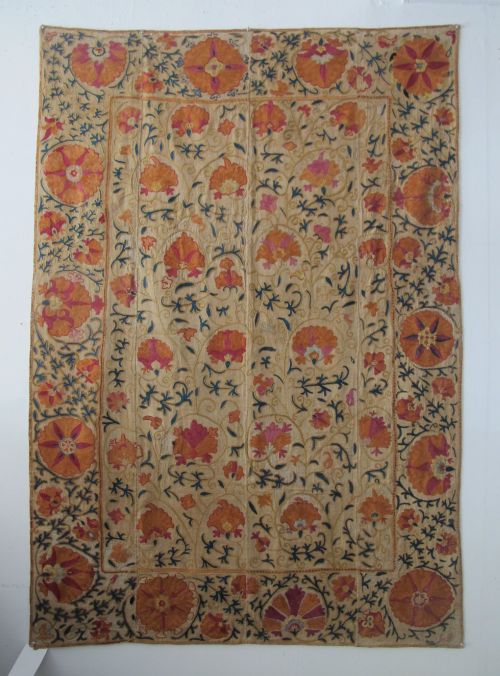
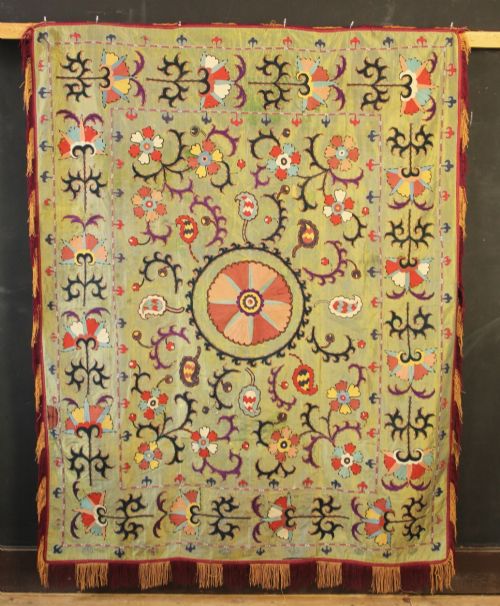
The pieces grouped under asian silk tapestry encompass traditional Central Asian embroideries, Uzbek suzanis, dowry hangings, and Chinese hand-sewn panels.
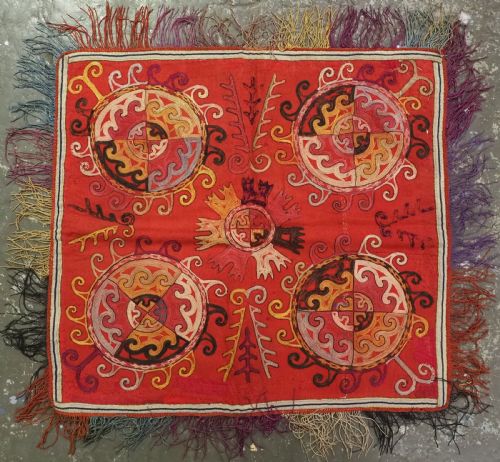
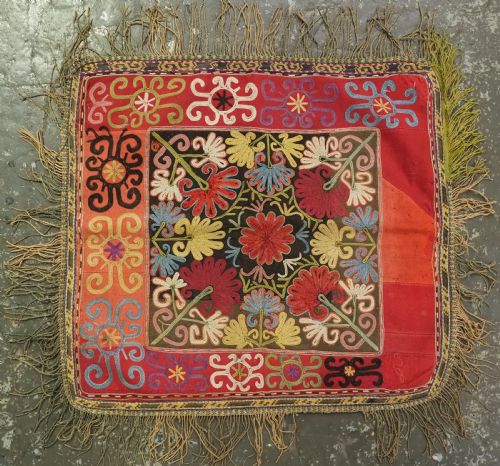
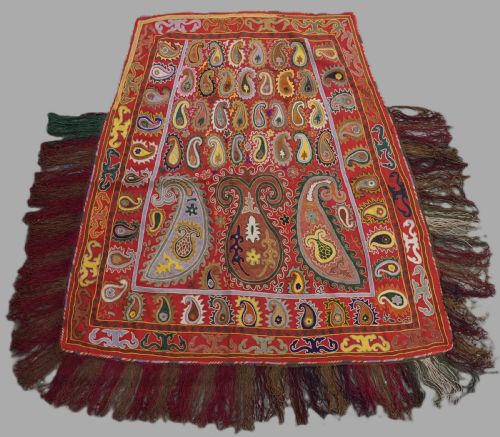
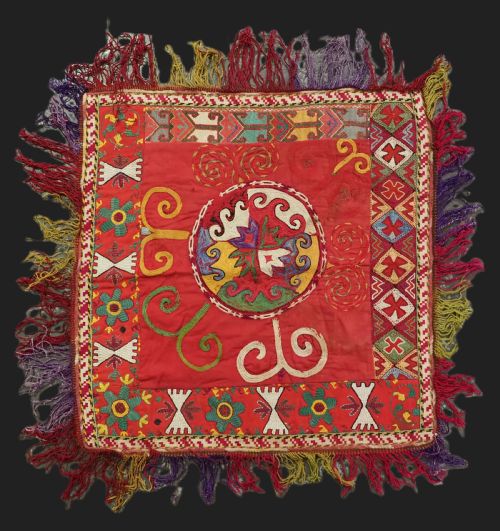
Buyers frequently encounter regional formats such as Lakai tribe ilgiches, Bokhara nim suzanis, and ceremonial horse covers dating from the nineteenth and early twentieth centuries.
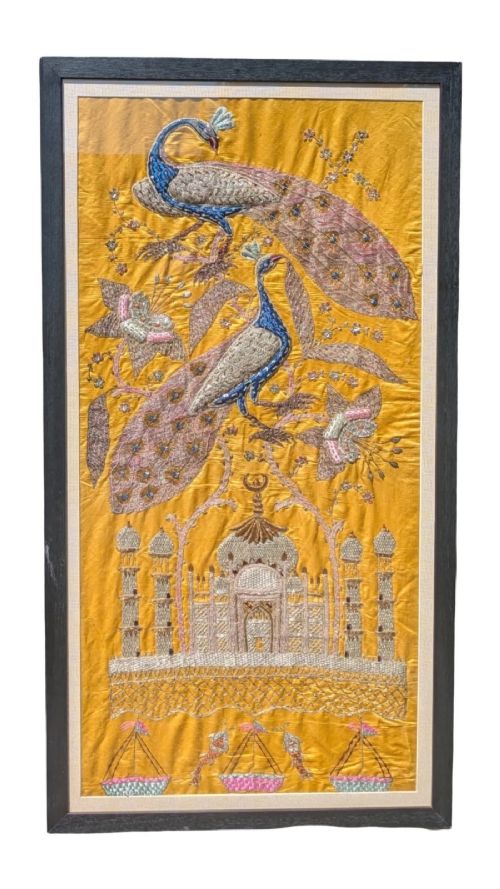
These textiles function primarily as wall hangings, bed covers, and framed decorative panels displaying intricate floral, architectural, or figurative motifs.
Materials and Construction
Artisans employed fine silk threads to execute dense surface embroidery across grounds of woven cotton, silk, or wool.
Certain panels incorporate metallic thread for added visual depth, while others utilise structured wooden frames and protective glass housings.
Assessing the Pieces
The density of the needlework and the complexity of the design layout distinguish standard examples from finer regional specimens.
Variations in the vibrancy of the dyed threads and the integrity of the ground fabric determine the overall preservation of each textile.
The Asian Silk Tapestry Glossary
- Suzani
- A traditional embroidered tribal textile originating from Uzbekistan, typically featuring large floral or medallion motifs worked in silk on a cotton or silk ground.
- Ilgich
- A specific form of dowry embroidery produced by the Lakai tribe in Central Asia, often used for wall hanging.
- Adras
- A traditional semi-silk fabric woven with a silk warp and cotton weft, common in Central Asian panel production.
- Nim Suzani
- A half-sized version of a traditional Central Asian suzanis, offering a compact format for interior display.
- Palak
- A fully embroidered Tashkent suzani style dominated by large central star motifs and dense overall floral coverage.
Asian Silk Tapestry: Frequently Asked Questions
What are suzanis used for?
Traditional suzanis served as ceremonial dowry items, wall hangings, and bed covers within Central Asian households.
Today, collectors mount them as decorative wall art to display their intricate silk embroidery and regional designs.
How do I hang a textile?
Large embroidered panels require careful support to distribute weight evenly across the entire fabric ground.
Professional mounting using a hidden fabric sleeve or specialised framing ensures the textile remains undamaged over time.
How old are these pieces?
The available pieces primarily date from the nineteenth and early twentieth centuries, spanning the late Qing dynasty and various Central Asian periods.
Stylistic conventions and regional workshop patterns help experts narrow down the date of creation.
What is a Lakai ilgich?
Lakai ilgiches are distinctive tribal embroideries created by nomadic groups in Uzbekistan as part of traditional dowry preparations.
They are easily recognised by their bold geometric shapes and dynamic use of vibrant silk threads.