



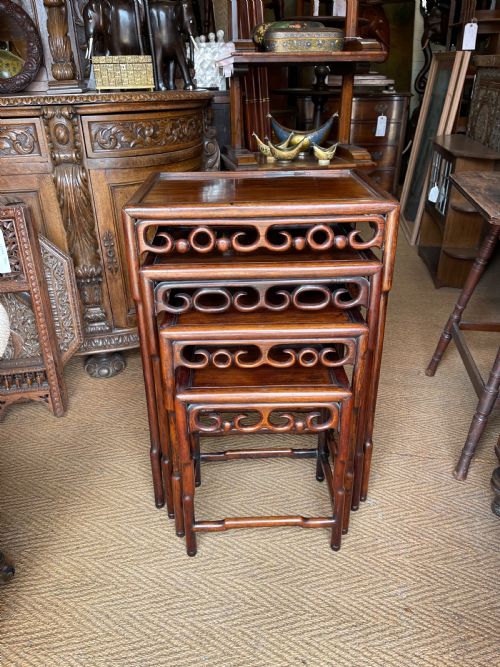
Asian Rosewood Coffee Table
An asian rosewood coffee table brings dense grain and low lines from nineteenth-century workshops into a modern room.
Asian Rosewood Coffee Table
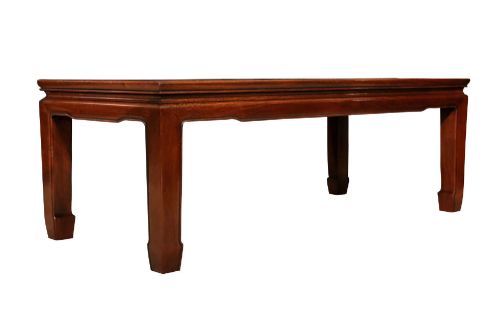
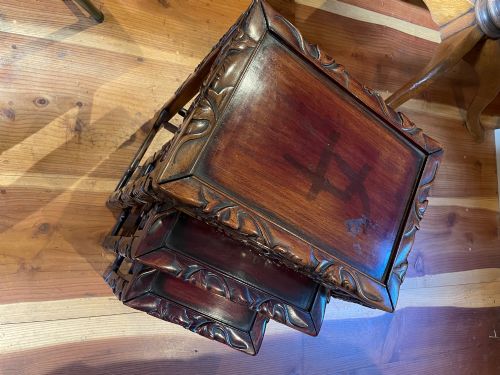
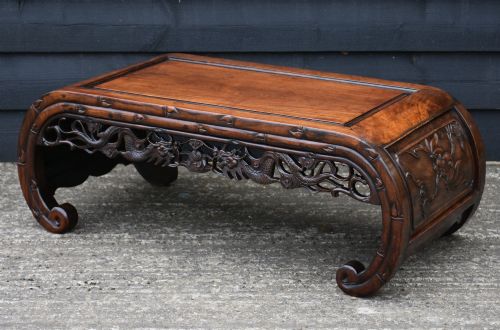
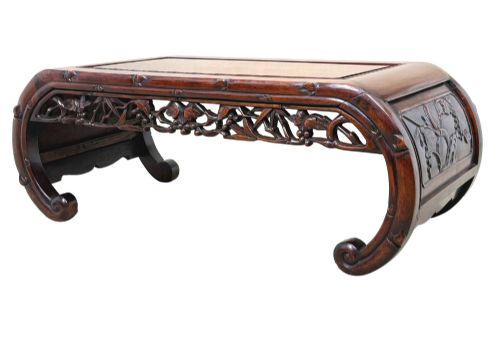
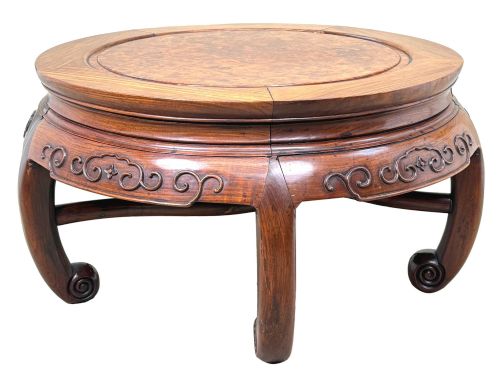
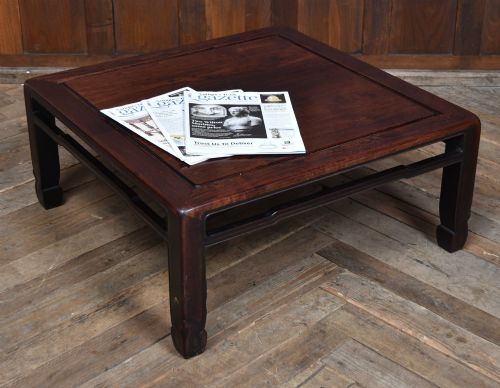
An asian rosewood coffee table spans low square and rectangular forms, circular scholar's tables, and graduated nests designed to tuck neatly away. These pieces draw on traditional Chinese furniture styles, including low kang and opium tables created for use on raised platforms or mats.
The pieces on this page appear primarily from the nineteenth century and the early decades of the twentieth century, with nineteenth-century examples forming the core of the selection. Chinese export workshops and Qing dynasty traditions shape the low tables and nesting sets that populate the listings.
Buyers encounter everything from simple scroll-end low tables to elaborate carved rosewood suites and multi-tiered nests. The emphasis remains firmly on low-slung timber furniture built for utility and quiet display.
Materials and Technique
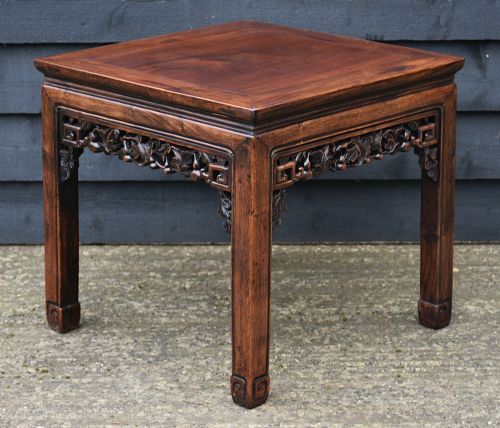
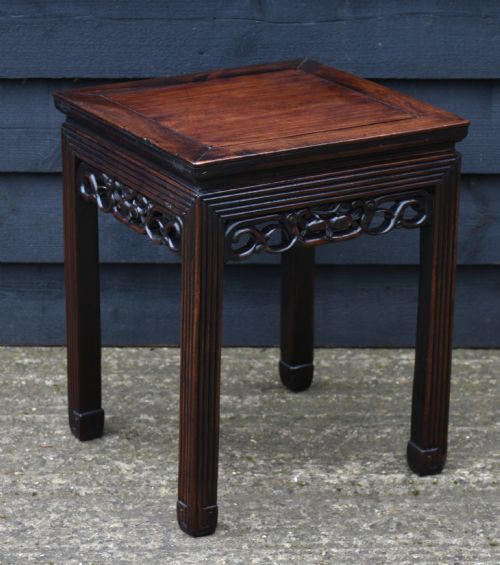
Makers utilised dense timbers such as rosewood, hongmu, padouk, huanghuali, and burr wood to build these low tables and nests. These heavy exotic hardwoods provided the structural strength needed for slender legs and intricate carved scroll ends.
Construction relied on traditional joinery methods that allowed timber to expand and contract naturally without metal fasteners. Surface details include low-relief carving depicting dragons, subtle scrollwork, and occasionally inset panels of burr wood or glass.
Asian Rosewood Coffee Table Retail Price Guide 2026
Typical asking prices for asian rosewood coffee table among the pieces listed under this phrase on Sellingantiques today, from the lower quarter to the upper quarter. They describe what is for sale here now, not the wider market.
The Spectrum of Quality
Quality rests in the selection of the timber and the crispness of the carving rather than surface embellishment alone. Dense, heavily figured rosewood or hongmu boards indicate a higher grade of manufacture than plain utility timber.
The integrity of the traditional joinery and the balance of the proportions determine how successfully a low table or nest survives centuries of use. Finer examples display precise scroll-ends and clean, harmonious lines that reflect traditional Qing dynasty aesthetics.
The Asian Rosewood Coffee Table Glossary
- Kang table
- A low table traditionally used on a heated brick platform or bed in Chinese domestic interiors. These pieces sit close to the floor and often feature scroll ends.
- Hongmu
- A dense, heavy Chinese hardwood often translated as red wood, prized for furniture making. It forms the primary material for many traditional scholarly tables and stands.
- Padouk
- A durable tropical timber exhibiting reddish-orange tones that darken to a deep brown over time. Makers utilised this heavy wood for solid coffee tables and stands.
- Scroll-end
- A decorative terminal feature on table ends where the timber curls outward in a flowing scroll motif. This detail is typical of traditional Qing dynasty low furniture.
Asian Rosewood Coffee Table: Frequently Asked Questions
What is a kang table?
A kang table is a low-profile surface traditionally used on raised platforms in Chinese homes. These tables served domestic needs before being adapted as modern coffee tables.
Their short legs and sturdy frames make them sit comfortably above floor level while maintaining a low visual weight in a room.
How do I style a nest of tables?
A nest of tables can be stacked together to save floor space or separated around a room as needed. The graduated sizes allow them to slide one beneath another.
Arranging them together highlights the matching timber grain, while separating them provides practical surfaces for drinks or books.
Which woods were used?
Makers relied on dense exotic hardwoods including rosewood, hongmu, padouk, and huanghuali. These heavy timbers provided the necessary strength for slender table legs.
Burr wood panels occasionally appear inset into tabletops to introduce contrasting grain patterns and rich natural textures.
How do I date these tables?
Dating relies on the construction methods, timber patination, and stylistic markers linked to the Qing dynasty and the early twentieth century. Nineteenth-century examples often display deeper timber oxidation and hand-cut joinery.
Scroll-end details and carved dragon motifs offer further clues to the period of manufacture in Chinese export workshops.