



Asian Lacquer Chest
An asian lacquer chest brings layered depth to a room, offering practical storage disguised beneath centuries of meticulous regional craftsmanship.
Asian Lacquer Chest
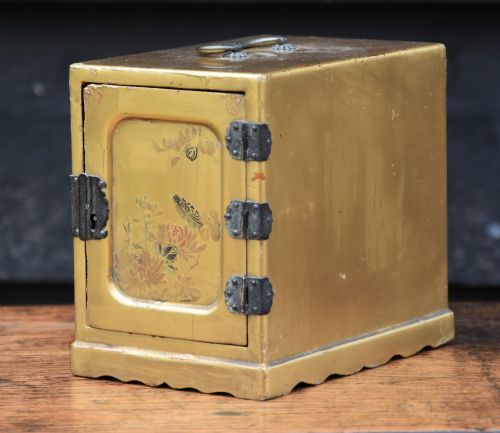
When searching for an asian lacquer chest, buyers encounter a diverse selection of storage forms originating from China, Japan, Korea, and India. These pieces range from compact table cabinets and jewellery boxes to monumental cupboards and heavy shipping trunks.
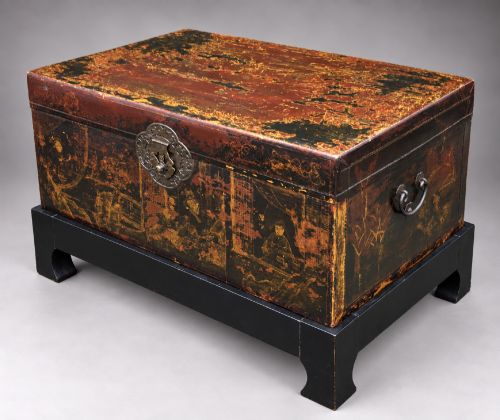
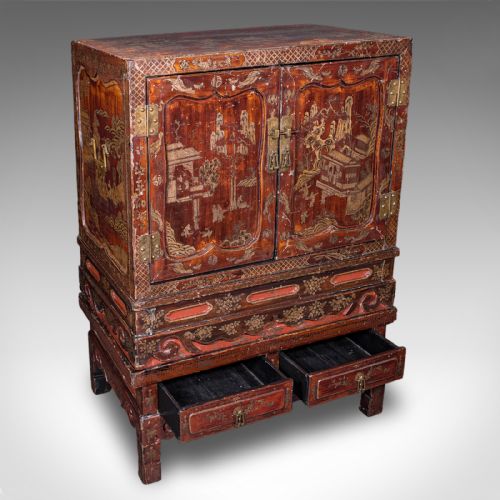
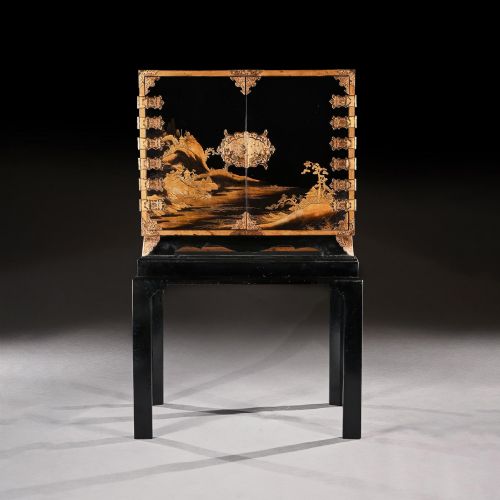
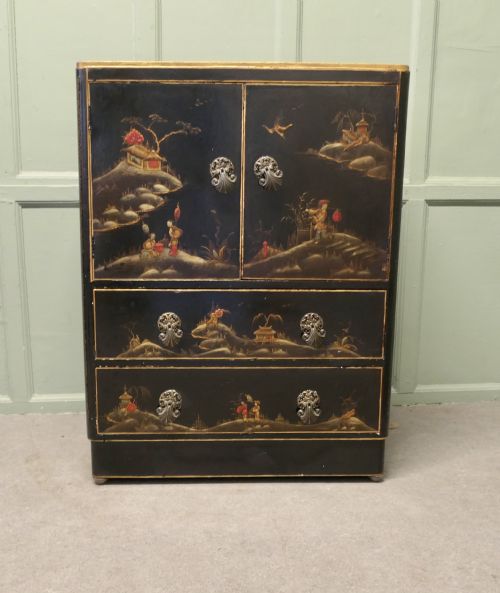
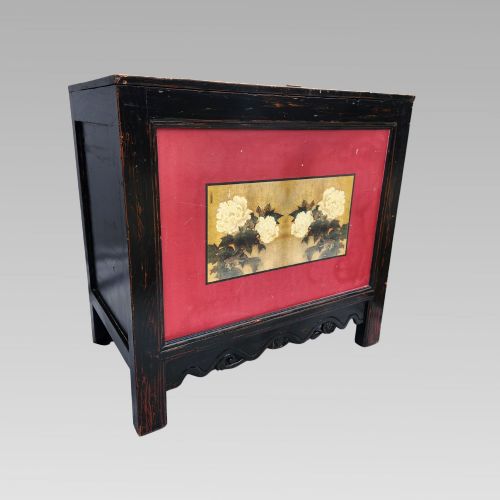
The version most commonly met on this page is the 19th-century Chinese or Japanese cabinet, often finished in black or red lacquer and decorated with Chinoiserie motifs. Many sit upon carved stands or incorporate multiple internal drawers suited for specialised storage.
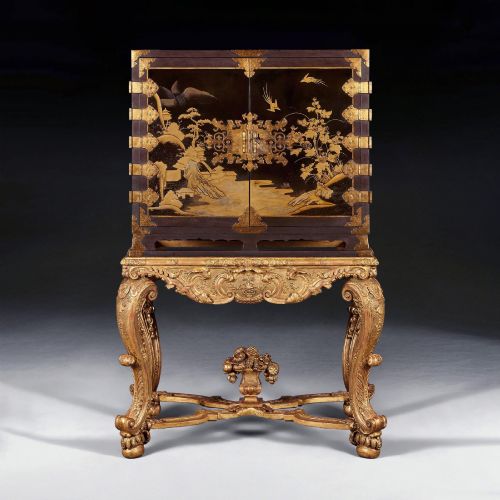
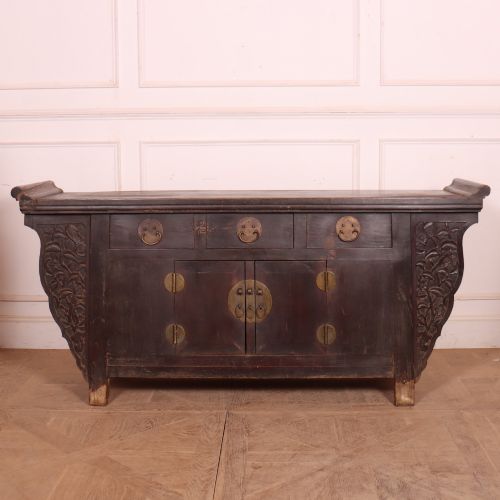
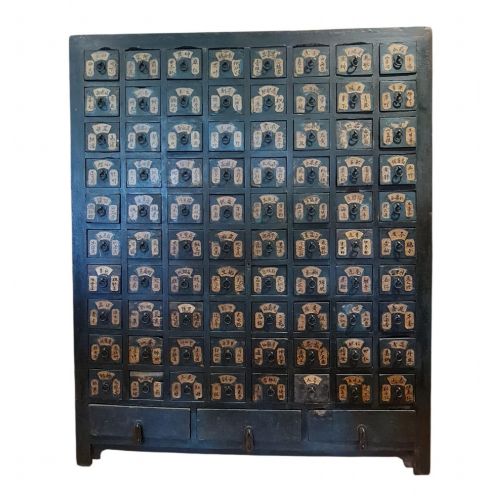
The selection spans several centuries, including 17th-century examples on European giltwood stands alongside early 20th-century decorative sideboards and apothecary chests. Materials such as elm, camphor wood, and pig skin frequently form the underlying structure beneath the lacquer layers.
How they were made
The foundational structure of an asian lacquer chest relies on sturdy woods like elm, camphor wood, or general timber, shaped into trunks, cabinets, and chests of drawers. Metal elements such as brass and iron provide structural reinforcement, corner brackets, and functional locking mechanisms.
Artisans applied successive coats of lacquer to the wooden body, building a durable and lustrous finish that protected the wood underneath. Many examples incorporate intricate gold leaf detailing, painting, and inlaid decoration depicting floral patterns, birds, and traditional scenes.
Listings feature items from the 17th century through to the 1930s, utilising materials such as lacquer, gold leaf, camphor wood, and brass.
What varies in quality
The distinction between standard examples and exceptional pieces rests upon the depth of the lacquer work and the intricacy of the surface decoration. Superior items display meticulous hand-painted details, well-preserved gold leaf, and harmonious integration between the chest and its original stand.
Construction methods also dictate grade, with finer specimens utilising robust joinery, intact original metal fittings, and high-grade secondary timbers such as camphor wood. The preservation of the original surface finish, rather than later repainting, determines the enduring character of the piece.
The Asian Lacquer Chest Glossary
- Chinoiserie
- European artistic style reflecting Chinese motifs. Artisans applied these decorative elements to various cabinets and trunks.
- Tansu
- Traditional Japanese mobile storage chest. These pieces often feature numerous functional drawers and iron hardware.
- Apothecary cabinet
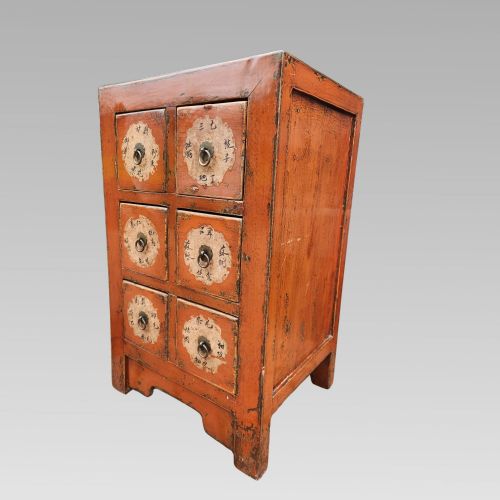
- Multi-drawer storage unit originally used for medicinal herbs. Shanxi Province examples are frequently encountered in elm.
- Regence stand
- Elaborate European furniture base, often carved and gilded. Certain 17th-century Japanese lacquer cabinets were mounted upon these stands.
Asian Lacquer Chest: Frequently Asked Questions
How were apothecary cabinets originally used?
Apothecary cabinets served as functional storage for traditional medicines, dried herbs, and medical ingredients. Their numerous small drawers allowed practitioners to organise and retrieve diverse remedies efficiently.
Over time, these practical medicine chests transitioned into decorative domestic furniture. Today, their distinctive multi-drawer fronts make them popular statement pieces for living spaces.
What is a Tansu chest?
A Tansu is a traditional mobile storage chest originating from Japan, built primarily for domestic utility. They were designed to be easily moved during fires or household relocations.
These pieces typically feature exposed iron hardware and functional compartments. Collectors value them for their straightforward craftsmanship and utility.
Where should I place a lacquer chest at home?
A lacquer chest functions well as a focal point in a hallway, living room, or bedroom, depending on its scale. Table cabinets suit sideboards or desks, while larger cupboards and trunks provide substantial standalone storage.
Placing these items away from direct sunlight and extreme temperature fluctuations helps preserve the delicate lacquer surface. Pairing them with complementary lighting highlights the surface detail.