



Asian Export Silver
Asian export silver brings together intricate oriental craftsmanship and solid metal work, offering collectors distinctive bowls, boxes, and walking sticks from the nineteenth and twentieth centuries.
Asian Export Silver
Asian export silver comprises decorative bowls, dishes, jugs, and trinket boxes created across the nineteenth and twentieth centuries for international markets. Buyers searching for Asian export silver encounter items shaped by Chinese, Japanese, and Straits Chinese makers during periods spanning the Victorian era and the Meiji period.
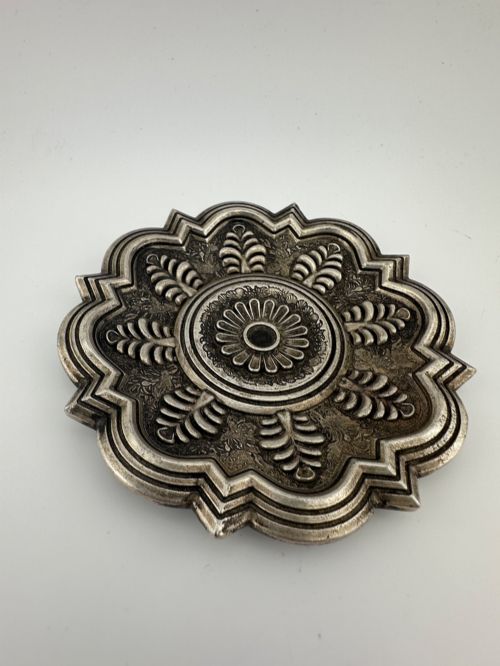
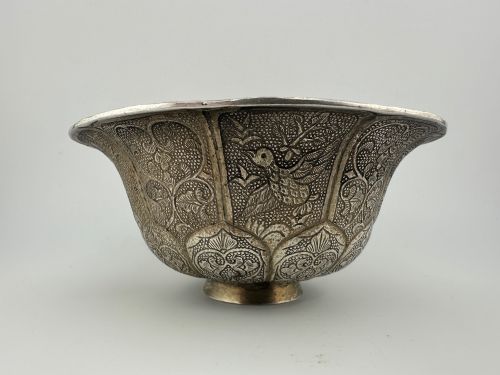
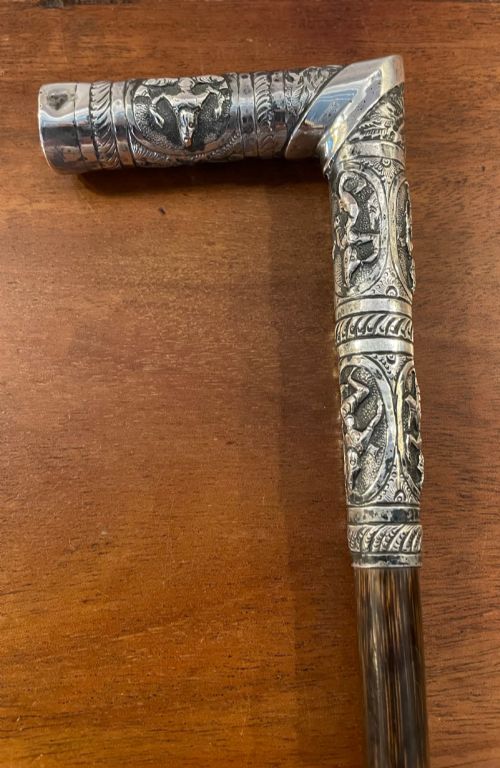
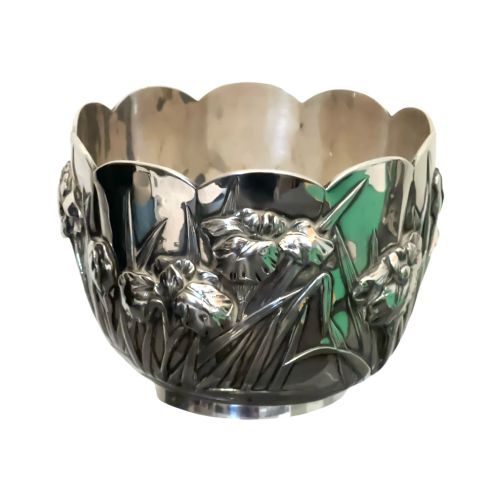
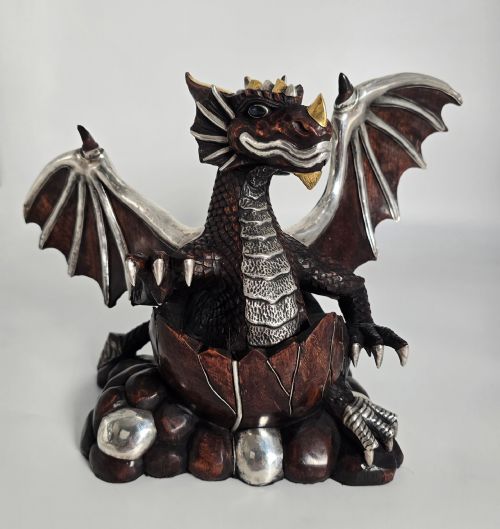
The objects take forms ranging from solid silver boxes and dragon jugs to carved hardwood vases mounted with mixed metal and bamboo walking sticks. Bowls and dishes form the majority of the selection, often decorated with botanical motifs and birds.
Origins stretch across regional workshops, producing pieces that combine traditional oriental motifs with forms suited to Western households. The pieces bridge local craftsmanship and international trade, reflecting the stylistic exchanges of their respective periods.
How they were made
Maker workshops utilised solid silver, white metal, and nickel silver alongside organic elements such as bamboo, cherry wood, and hardwood. Artisans combined metalworking techniques with carved wooden mounts, integrating bamboo handles and cherry wood bodies into silver vessels.
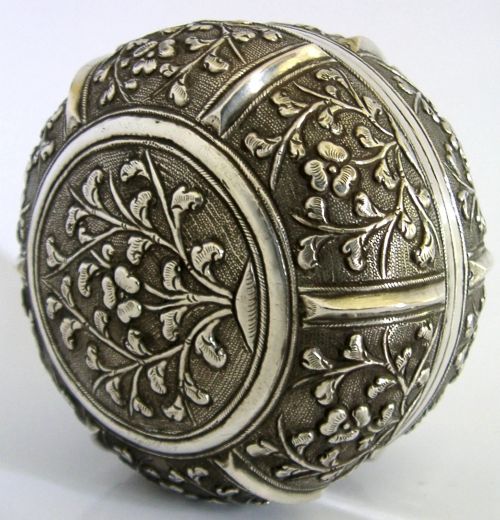
Surface ornamentation involved detailed repousse work, engraving, and casting to depict dragons, lotus flowers, and floral arrangements. Gilt silver and mixed metal mounts appear frequently, demonstrating the versatility of the craftsmen working in regional centres.
Asian Export Silver Retail Price Guide 2026
Typical asking prices for asian export silver among the pieces listed under this phrase on Sellingantiques today, from the lower quarter to the upper quarter. They describe what is for sale here now, not the wider market.
What varies in quality
Quality rests upon the depth of the metalwork relief, the crispness of the chased dragon and floral motifs, and the integration of mixed materials like bamboo and hardwood. Heavier solid silver pieces demonstrate greater material substance than plated alternatives.
The refinement of the casting and the precision of the maker marks distinguish standard domestic wares from workshop productions intended for export. Preservation of surface detail across high-relief ornamentation separates superior examples from heavily worn pieces.
Luen Hing
The Asian Export Silver Glossary
- White metal
- An alloy resembling silver used in various export pieces when standard sterling was not utilised. It provides a bright finish suited to intricate decorative carving.
- Repousse
- A metalworking technique where the artisan hammers the metal from the reverse side to form a raised design on the front. This method creates the prominent relief seen on dragon bowls and dishes.
- Meiji period
- The era of Japanese history lasting from 1868 to 1912, noted for rapid industrialisation and fine metalwork objects produced for international buyers. Pieces from this era often display distinct artistic traditions.
- Straits Chinese
- Items associated with the Peranakan Chinese communities of the Straits Settlements, known for distinct decorative objects including solid gilt silver belt buckles. These pieces blend Chinese motifs with local cultural styles.
- Mixed metal
- The combination of different metal alloys within a single object, such as silver applied to bronze or brass mounts. It adds visual contrast and texture to decorative sculptures and vases.
Asian Export Silver: Frequently Asked Questions
What is Asian export silver?
Asian export silver refers to decorative items and vessels produced in Asia during the nineteenth and twentieth centuries specifically for international buyers and Western markets. These objects include bowls, dishes, boxes, and walking sticks created by regional silversmiths.
The items incorporate traditional local motifs such as dragons, lotus flowers, and birds executed in solid silver, white metal, or mixed media. They represent a distinct intersection of Eastern craftsmanship and global trade.
How do I date these silver items?
Dating relies upon style markers, maker marks, and the presence of mixed materials characteristic of specific decades between the Victorian era and the 1930s. Pieces often align with periods like the Meiji era or carry workshop marks.
Examining the construction methods and the wear on the metal helps narrow down the production period. Comparing the decorative style against documented regional export pieces provides further chronological context.
How were these pieces used?
Many items served decorative and functional purposes in Western households, functioning as table bowls, trinket containers, and serving jugs. Walking sticks and canes were utilised as fashionable daily accessories.
Export boxes held personal valuables or tobacco, whilst vases and sculptures were displayed in parlours and drawing rooms. Their dual purpose bridged utilitarian design and ornamental display.
How do I care for silver and bamboo?
Care requires gentle cleaning appropriate for both metal and organic materials without using abrasive polishes that might damage high-relief chasing or delicate patination. Silver surfaces benefit from soft microfibre cloths.
Organic elements like bamboo and hardwood should be kept away from excessive moisture and direct sunlight to prevent splitting. Maintaining stable environmental conditions protects the mixed media construction.