


Asian Enamel Plate
An asian enamel plate brings intricate metallurgical artistry and vibrant hand-painted porcelain into daily interiors through nineteenth-century chargers and dishes.
Asian Enamel Plate
When searching for an asian enamel plate, buyers encounter large decorative chargers, dishes, and platters originating mainly from Japanese Meiji and Edo periods alongside Chinese Qing dynasty production. These objects span from the late eighteenth century through the early twentieth century, functioning primarily as grand display items rather than utilitarian tableware.
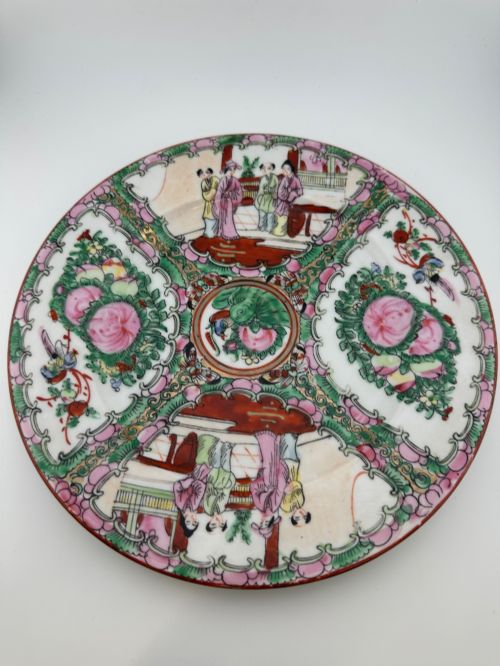
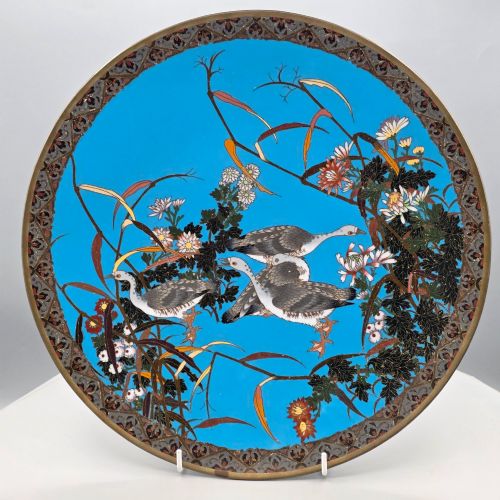
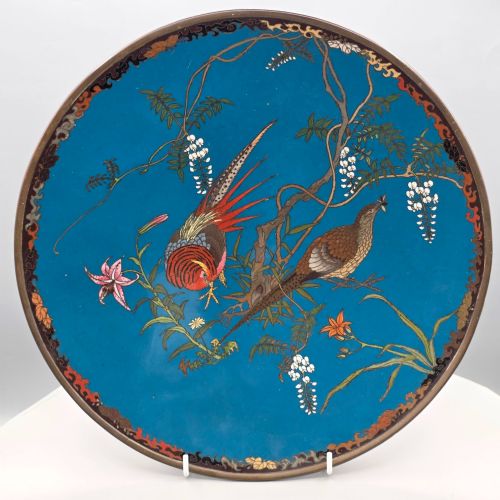
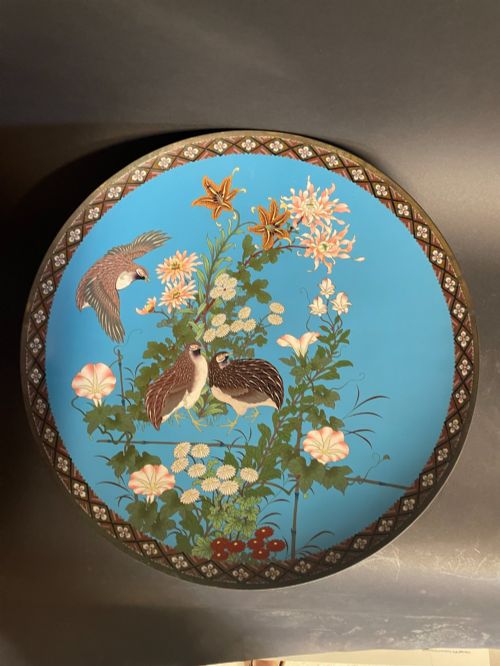
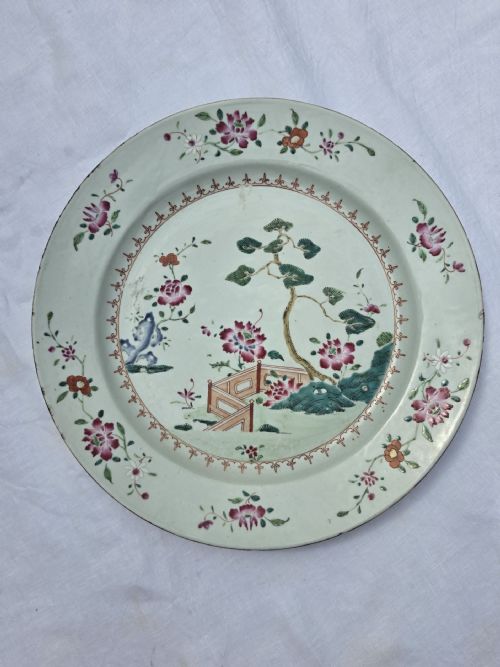
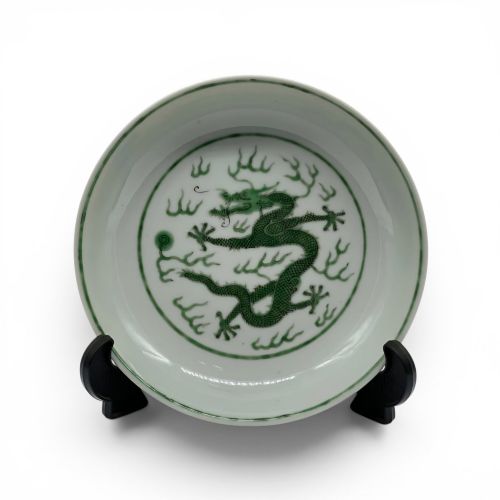
The most common variants on this page are Japanese cloisonne enamel chargers featuring detailed depictions of dragons, koi fish, phoenixes, and avian wildlife on copper or brass bases. Alongside metalwork, painted porcelain plates decorated in famille rose or Kutani palettes appear frequently from the same historic workshops.
How they were made
Cloisonne pieces take shape through the meticulous application of thin brass or copper wire soldered onto a metal body to form intricate cellular patterns. Artisans then fill these partitioned compartments with coloured enamel paste before firing the vessel at high temperatures and polishing the surface to a smooth finish.
Porcelain examples rely on refined clay bodies shaped into plates and chargers, then hand-painted using mineral pigments and gilding before undergoing high-heat kiln firing. Gilt, bronze, and copper frequently accent the edges and structural supports of both ceramic and metal vessels.
Several heavy metal chargers feature startled owls, leaping koi fish, and watchful dragons staring down the viewer from brass-wired worlds.
What varies in quality
Quality rests upon the precision of the wirework and the control of the enamel during firing in metal pieces, where tighter compartments and flawless colour transitions separate masterworks from standard production. Symmetry in the vessel shape and the complexity of the narrative motifs, such as multi-figure scenes or detailed animal anatomy, also determine the standing of an individual charger.
In ceramic items, the clarity of the hand-painted brushwork and the vibrancy of the glaze dictate overall excellence. Well-executed pieces display sharp delineation in polychrome pigments and careful integration of gilded accents without blurring or pooling.
Kinkozan·Meizan
The Asian Enamel Plate Glossary
- Cloisonne enamel
- A metalwork technique where thin wires are soldered to a copper or bronze base to create cells filled with vitreous paste. This method allows artisans to produce complex pictorial designs across large charger surfaces.
- Charger
- A large decorative plate traditionally used for display rather than serving food. These substantial vessels often measure over thirty centimetres across and showcase the finest work of the maker.
- Famille rose
- A Chinese ceramic palette introduced in the eighteenth century distinguished by opaque pink or rose enamel colours. This style permitted subtle tonal gradations in floral and figural compositions.
- Kutani
- A style of Japanese coloured porcelain originating from Ishikawa prefecture known for bold pictorial schemes. These dishes often incorporate rich iron-reds and gold highlights.
Asian Enamel Plate: Frequently Asked Questions
How were asian enamel plates displayed historically?
Historic interiors utilised these large chargers as focal points on sideboards, walls, or specialised display stands. Their substantial scale and vibrant imagery made them ideal centerpieces for formal rooms.
Today, modern collectors employ similar methods, mounting chargers on sturdy wall brackets or resting them securely on plate stands to showcase the detailed enamelwork.
What is the difference between cloisonne and porcelain plates?
Cloisonne plates feature metal bases decorated with wire cells filled with coloured glass paste, creating a tactile surface of metal and enamel. Porcelain plates rely on ceramic clay bodies painted with mineral glazes and fired in a kiln.
Both formats served decorative roles during the nineteenth century, but they require entirely different manufacturing skills from the craftsmen who produced them.
How do I identify a Meiji period piece?
Meiji period items often display intense technical refinement, featuring dense wirework in cloisonne or highly detailed multi-figure painted scenes. Production dates typically fall between the late nineteenth and early twentieth centuries.
Signatures or artist marks found on the base or reverse can sometimes point toward specific workshops active during this era of Japanese export art.
Can these antique plates be used for food?
These decorative chargers and display plates are intended purely for visual appreciation rather than daily dining. Historic enamels and older ceramic glazes can be sensitive to modern food acids and temperature shifts.
Displaying them on stands or mounting them securely protects the delicate surface artistry from accidental wear and damage.