


Asian Ceramic Incense Burner
These pieces are asian ceramic incense burner examples, prized for their sculpted forms and historic glazes that bring traditional ritual objects into domestic display.
Asian Ceramic Incense Burner
When you search for an asian ceramic incense burner, you encounter vessels designed for burning aromatic materials across multiple Asian traditions. The selection spans Japanese and Chinese production, ranging from utilitarian forms to decorative sculptural objects.
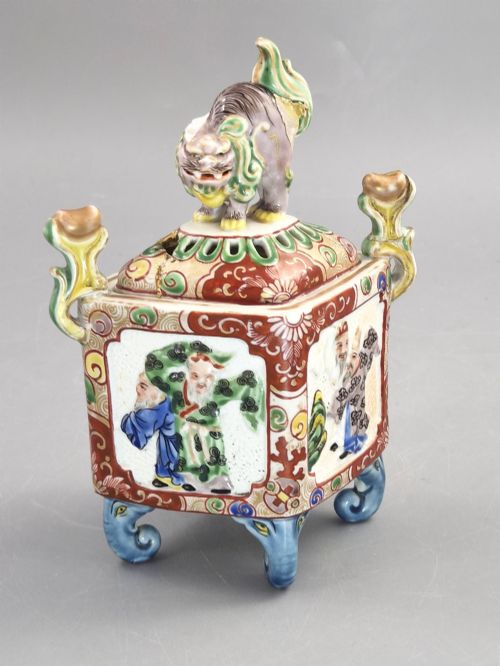
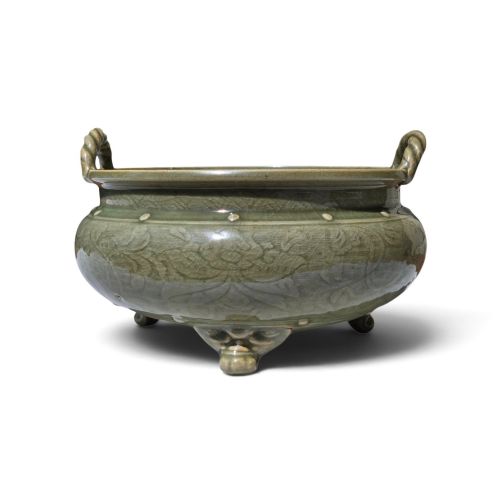
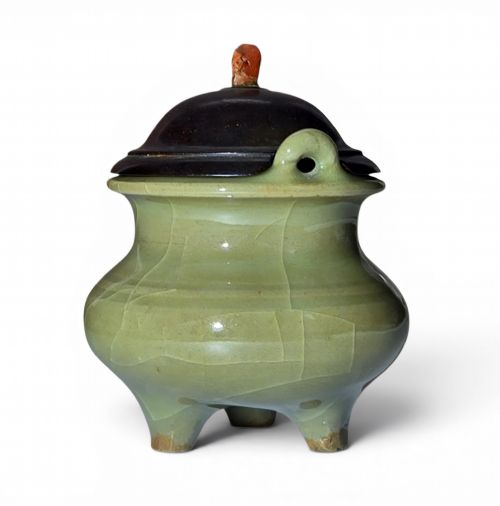
You are most likely to meet pieces from the Meiji and Qing periods on this page, representing centuries of ceramic craftsmanship. These works encompass porcelain, earthenware, and stoneware vessels created as censers, koros, and tripods.
The objects include figurative shapes, such as treasure ships and mythical beasts, alongside traditional tripod bowls. Each form reflects the specific ceramic traditions of its origin, whether in the kilns of Kutani, Satsuma, or the imperial furnaces.
How they were made
The creation of these vessels relies on porcelain, earthenware, and stoneware bodies shaped by hand or wheel, often finished with specialised glazes like celadon. Artisans applied enamel, gold leaf, and gilt to accentuate sculpted details.
Among the sculpted forms, an incense burner takes the whimsical shape of a traditional Japanese treasure ship.
What varies in quality
Quality rests in the precision of the modeling and the depth of the glaze, distinguishing standard production from exceptional examples. The crispness of sculpted elements, such as dragons and finials, marks the skill of the maker.
The sophistication of the palette and the preservation of gilding and enamel work influence the standing of a piece. Finer examples display harmonious proportions and controlled firing results across porcelain, earthenware, or stoneware.
Kotobuki-do·Kizan·Shizan
The Asian Ceramic Incense Burner Glossary
- Koro
- A traditional Japanese incense burner, often fitted with a lid and used in domestic or ceremonial settings.
- Celadon
- A type of transparent green glaze applied to stoneware, originating in China and prized for its jade-like appearance.
- Reticulated
- Describes ceramic work featuring an openwork or pierced pattern created during the shaping process.
- Satsuma
- A style of Japanese earthenware characterised by a pale, ivory-coloured crackle glaze decorated with enamel and gilt.
- Tripod
- A vessel supported by three feet, commonly seen on ancient and historical censer forms.
Asian Ceramic Incense Burner: Frequently Asked Questions
What is a koro?
A koro is a Japanese incense burner designed with a body and a fitted lid, traditionally used to burn aromatic woods or resins in domestic rooms or altars.
These vessels often stand on small feet and take various shapes, ranging from simple bowls to elaborate figurative forms.
How were incense burners used?
Incense burners served in both religious rituals and scholarly pursuits, purifying spaces and creating a contemplative atmosphere through fragrant smoke.
In daily life, they functioned as decorative objects of refinement within scholar's studios and reception rooms.
How do I care for a ceramic censer?
Care involves gentle dusting with a soft, dry cloth to protect delicate enamel, gilding, and porous earthenware surfaces from moisture.
Avoid using liquid cleaners or abrasive materials that could damage historical glazes and decorative details.
How are periods identified?
Periods are identified through stylistic markers, glaze characteristics, and regional manufacturing techniques recorded across Chinese dynasties and Japanese eras.
Signatures, potters' marks, and specific forms help narrow the historical context of each piece.