
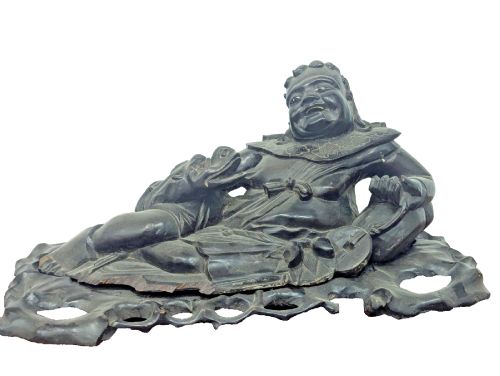
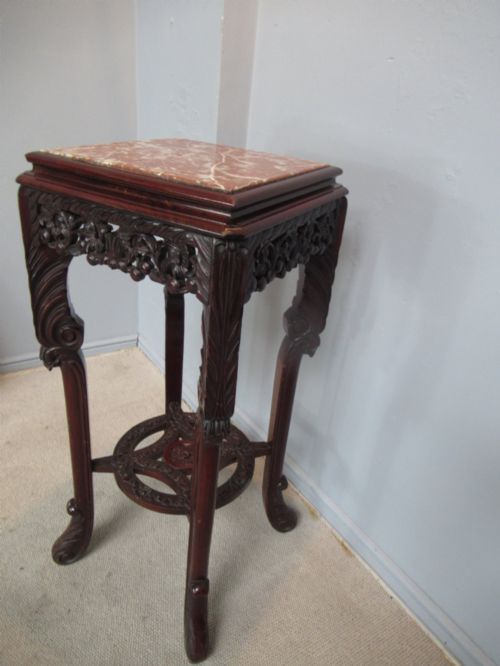
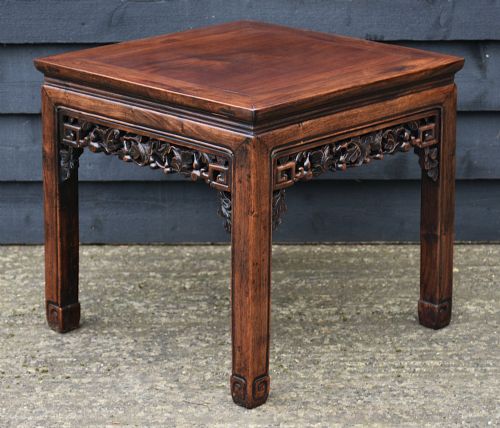
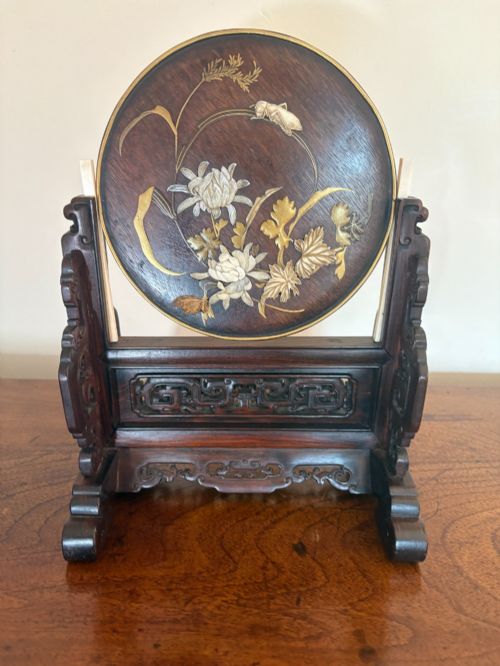
Asian Carved Wood Table
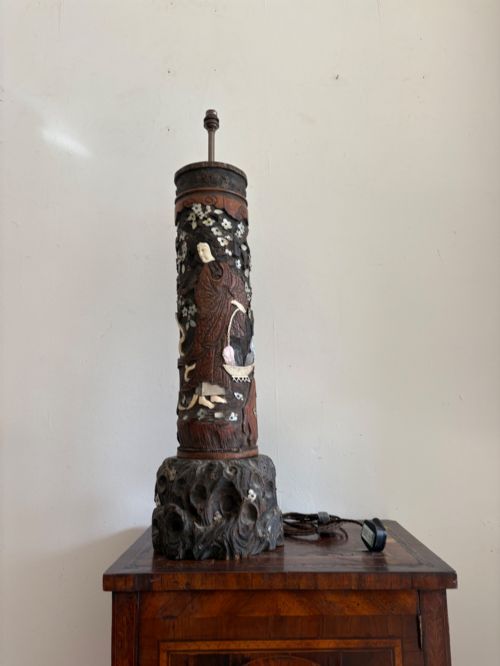
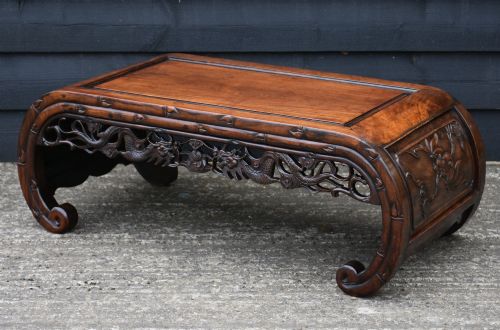
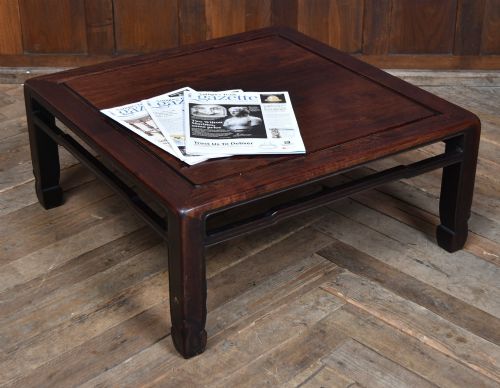
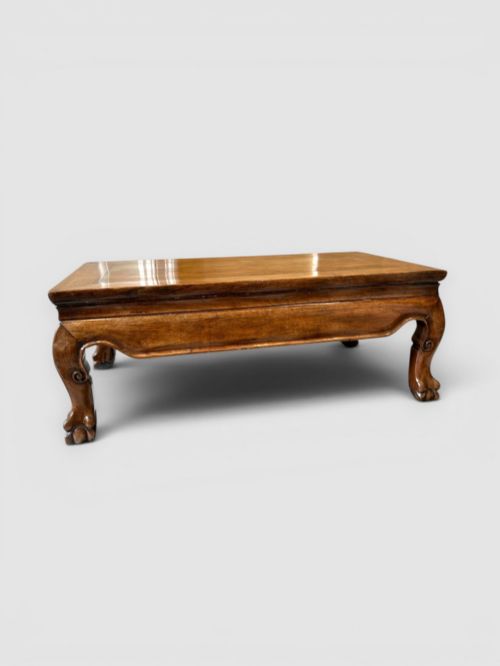
These pieces of asian carved wood table design range from nineteenth century low opium tables to marble top plant stands.
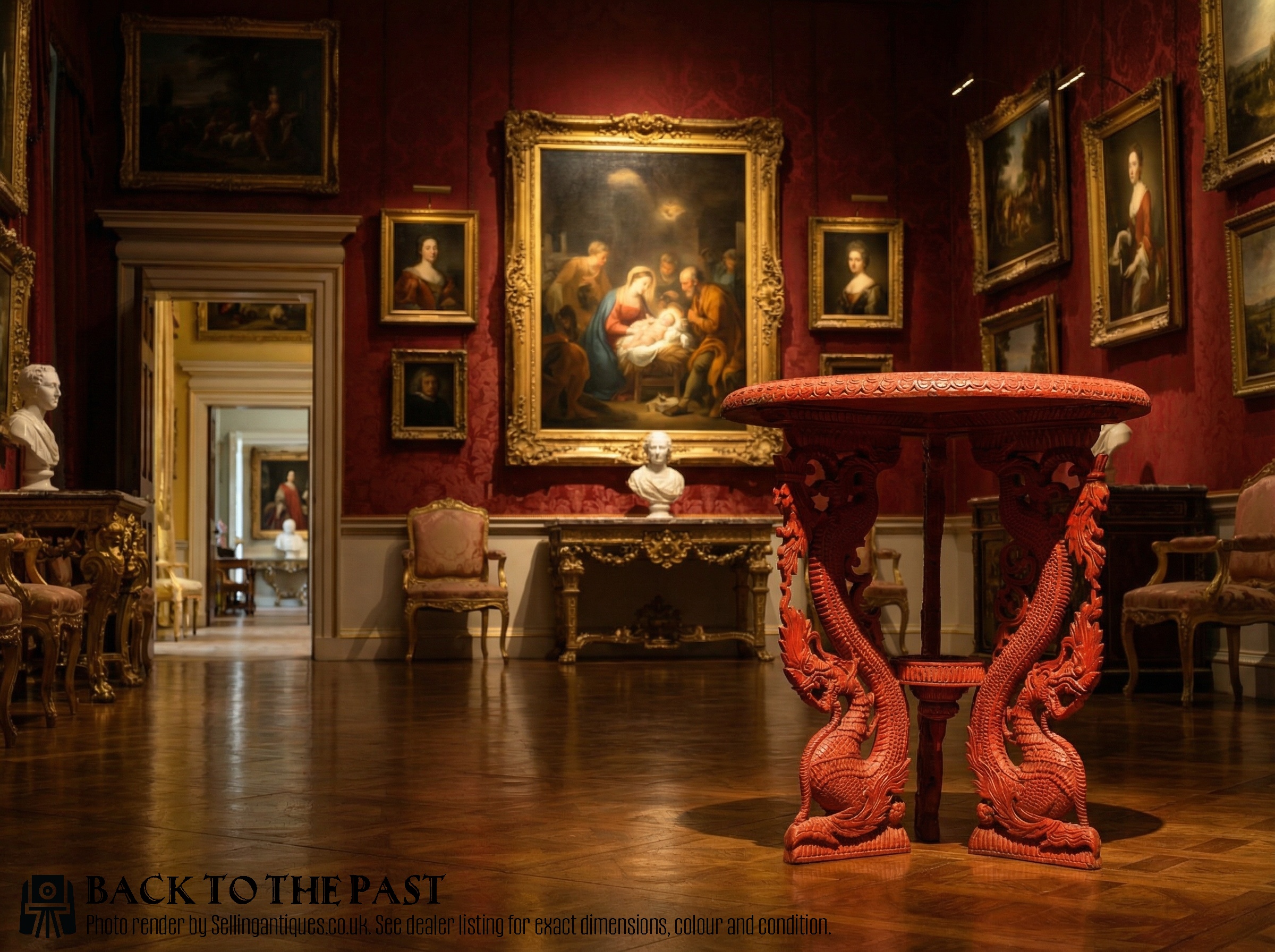
Asian Carved Wood Table
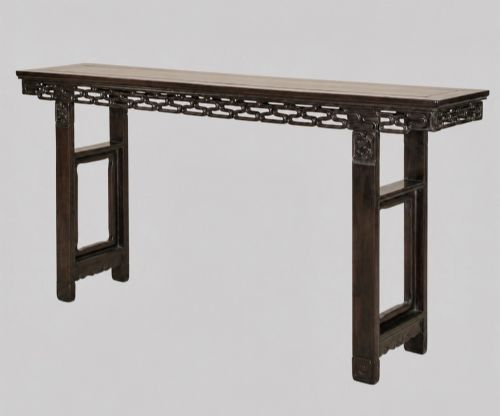
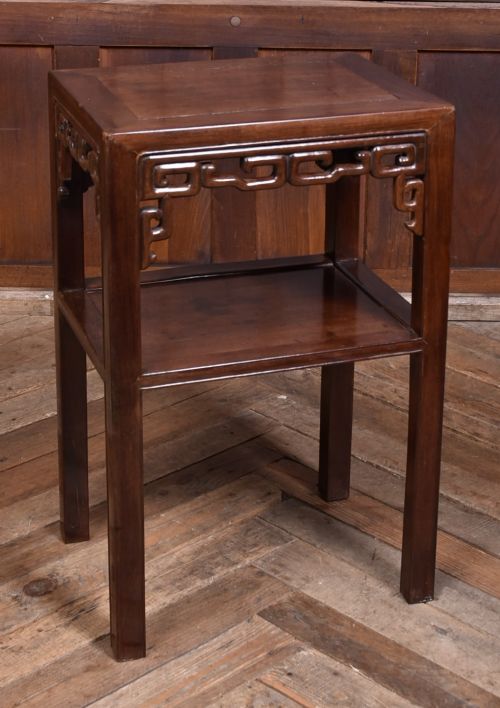
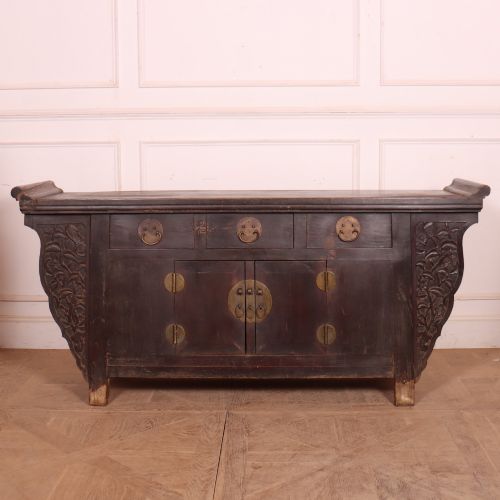
When you search for an asian carved wood table, you encounter diverse forms created across the nineteenth and twentieth centuries. The selection spans compact coffee tables, nest of tables, console tables, side tables, and low opium tables.
Most pieces stem from Chinese workshops, including Qing Dynasty and Chinese Export traditions, alongside Japanese Meiji period examples and Anglo-Indian designs. Forms vary from round occasional tables to rectangular altar tables and plant stands.
You frequently meet rosewood, elm, and general hardwood constructions, often incorporating marble inserts, glass tops, or brass details. These items functioned as display surfaces, writing desks, and low resting areas in traditional interiors.
How they were made
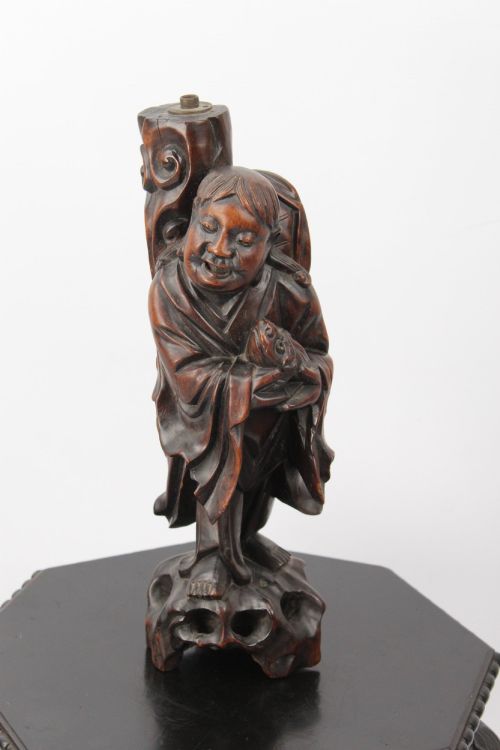
Maker workshops utilised dense hardwoods such as rosewood, padouk, and general elm, carving structural elements with deep relief motifs like dragons and floral patterns. Joinery relied on traditional framing techniques without modern metal fasteners.
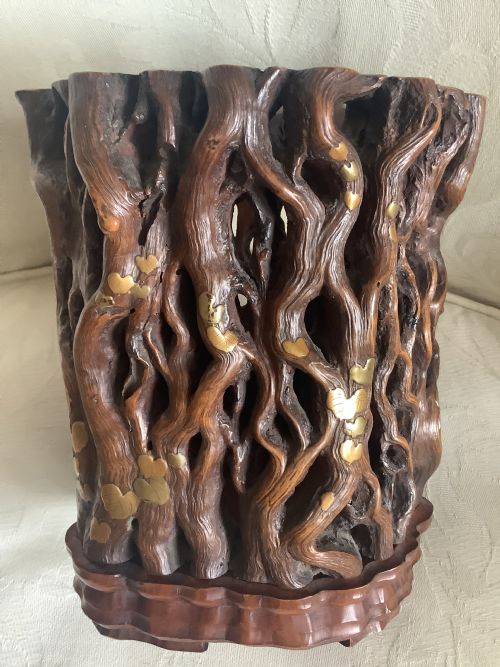
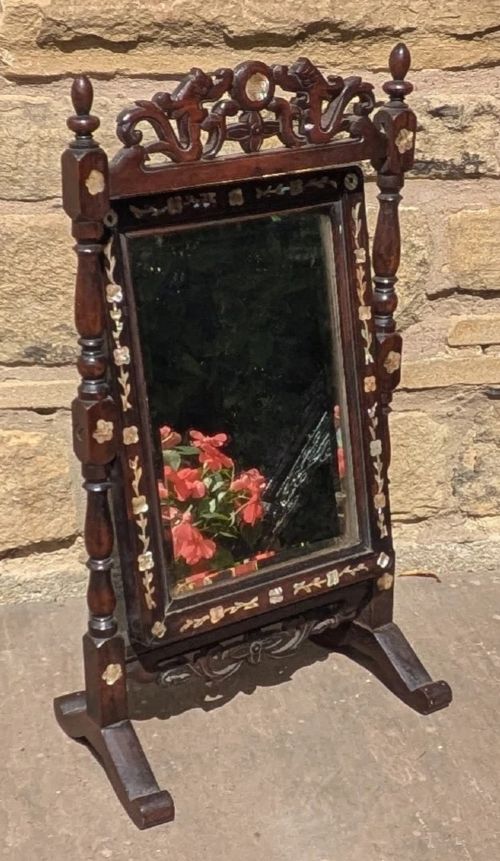
Many surfaces integrate inset marble panels, quartz, or mother of pearl inlay work, secured tightly into the wooden framework. Lacquer finishes and carved root wood formations also appear across stands and low tables.
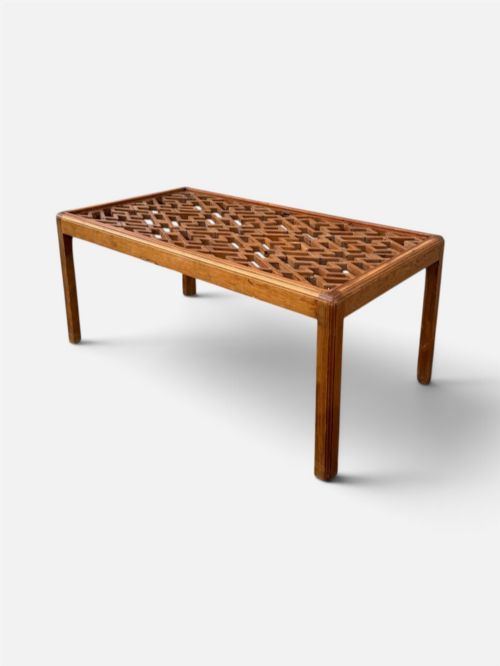
Makers combined structural framing with intricate fretwork panels, integrating glass tops in later twentieth-century interpretations while retaining antique carved components.
Listings feature items dated from eighteen eighty up to nineteen fifty, encompassing Victorian, Qing Dynasty, and Meiji period eras.
What varies in quality
The standard of carving dictates the visual strength of the piece, separating deep, crisp relief work from shallow, mechanical incisions. Wood selection plays an equally decisive role, with dense rosewood and padouk achieving superior weight and grain definition over softer timbers.
Integration of secondary materials marks another tier of excellence, seen in the precise fit of inset marble or quartz slabs and the tight alignment of mother of pearl inlay. Structural integrity in joints and overall stability distinguish master workshop output from simpler domestic items.
The Asian Carved Wood Table Glossary
- Opium table
- A low rectangular or square table used in traditional settings for resting utensils or relaxing. These items sit close to the floor and often feature carved aprons.
- Qing Dynasty
- The final imperial dynasty of China, spanning from sixteen forty-four to nineteen twelve. Pieces from this era often display formal carved dragon motifs and dense rosewood.
- Meiji Period
- A Japanese historical era lasting from eighteen sixty-eight to nineteen twelve. Craftsmanship from this time includes intricate hardwood stands and detailed screen work.
- Hongmu
- A category of dense, dark Chinese hardwood translated as red wood. It provides heavy structural stability for finely carved tables and stands.
- Padouk
- A durable tropical timber valued for its reddish hue and strength. It appears frequently in nineteenth-century coffee and side tables.
Asian Carved Wood Table: Frequently Asked Questions
What is an opium table used for?
These low surfaces served traditional domestic functions as resting places for small items or serving tea near the floor. Their compact height distinguishes them from standard dining furniture.
Today, they adapt well as low coffee tables in contemporary living spaces, offering strong textural contrast against modern seating.
How do I identify a marble top stand?
Marble top stands usually feature a circular or multi-lobed wooden frame inset with a polished marble or quartz disc. The stone sits flush within a channeled wooden rim.
These pieces were constructed to display vases, bronze vessels, or decorative plants in period interiors.
What is a nest of tables?
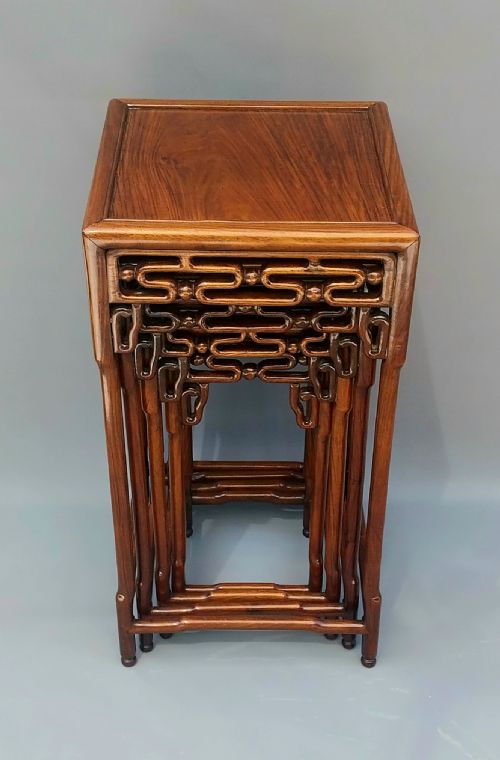
A nest of tables consists of a graded set of four matching small tables that slide neatly beneath one another. Each piece shares identical decorative carving and wood properties.
This format provides flexible surface space that stores compactly when floor area is limited.
How do I care for antique hardwood?
Maintain antique hardwood by keeping it away from direct heat sources and sudden humidity shifts. Regular dusting with a soft dry cloth preserves the polished timber finish.
Avoid commercial liquid polishes that can build up on intricate carved details and inlay work.