
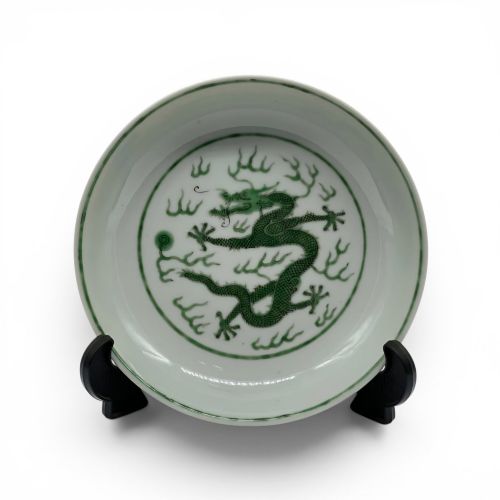


Asian Art Decorative Plate
These asian art decorative plate examples bring rich Far Eastern craftsmanship into your home, offering centuries of intricate metalwork and ceramic artistry.
Asian Art Decorative Plate
An asian art decorative plate encompasses substantial wall plates, chargers, plaques, and shallow bowls originating primarily from Japanese traditions. Buyers searching this phrase encounter large display pieces designed to command attention on a wall or sideboard.
The selections span from the mid-nineteenth century through the early twentieth century, capturing distinct eras such as the Edo and Meiji periods alongside the Taisho era. Qing Dynasty style porcelain also appears, offering varied aesthetic expressions from different Eastern workshops.
Forms range from deep porcelain dishes depicting mythical figures to massive enamel chargers featuring natural motifs like birds and leaping koi. Each object serves as a striking focal point rooted in historical decorative arts.
Materials and construction methods
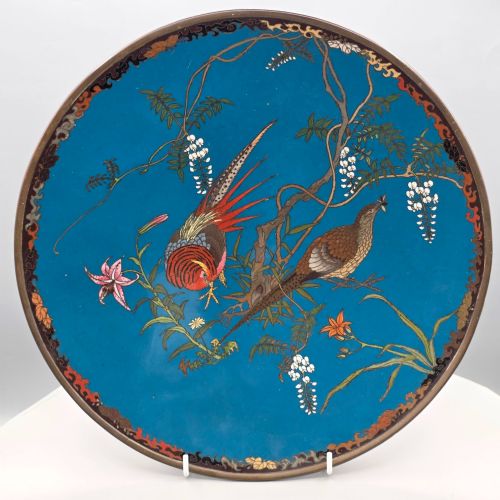
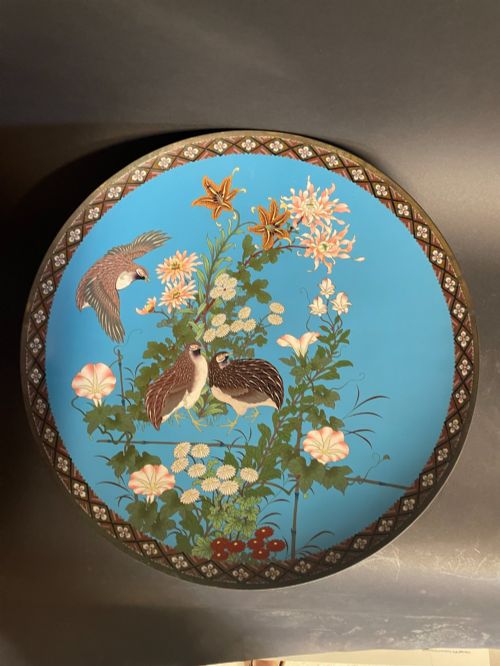
Enamel and porcelain dominate the material palette, often combined with a copper, brass, bronze, or iron foundation depending on the specific technique utilised. Cloisonné pieces rely on delicate metal wires soldered to a base to create cells filled with coloured vitreous enamel pastes before firing.
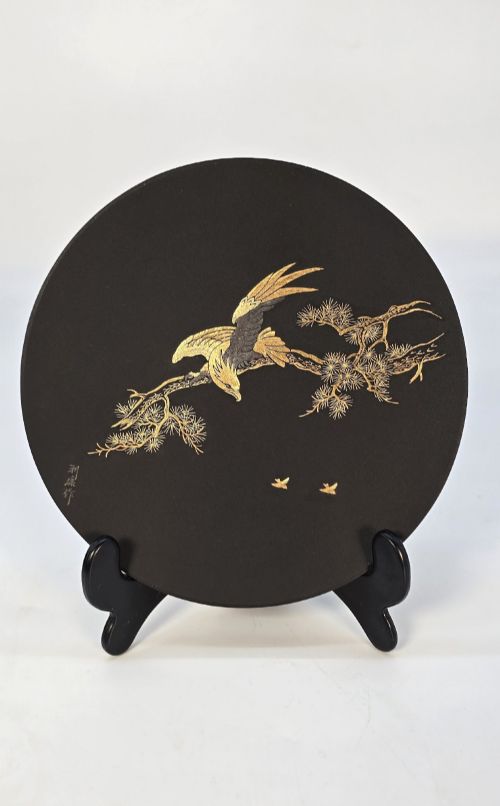
Porcelain items utilise traditional ceramic throwing and moulding methods, finished with detailed hand-painted glazes depicting auspicious symbols and deities. Metal plaques incorporate intricate gold and silver inlay work set into patinated iron surfaces.
Wooden elements and gilt accents occasionally supplement these primary materials, adding structural depth and contrasting surface textures to the completed decorative plates and chargers.
Periods represented on this page range from nineteenth century examples through to nineteen twenty.
Evaluating quality and execution
The refinement of the surface decoration and the precision of the underlying metal or ceramic form dictate the standing of each piece. Superior examples display exceptionally crisp cloisonné wirework or deeply detailed metal inlay without visible flaws in the enamel or glaze.
Scale and ambition separate standard decorative items from masterworks, with larger chargers and plaques requiring significantly greater technical skill to fire and finish successfully. The complexity of the iconography, such as multi-figure mythological scenes or complex natural studies, further elevates the work.
The Asian Art Decorative Plate Glossary
- Charger
- A large ornamental plate traditionally used for ceremonial display rather than dining. These substantial pieces provide a wide canvas for intricate enamel or painted decoration.
- Cloisonné
- A metalwork technique where fine wires form raised barriers on a base vessel to hold coloured enamel pastes. This method creates vibrant, patterned surfaces through successive firings.
- Imari
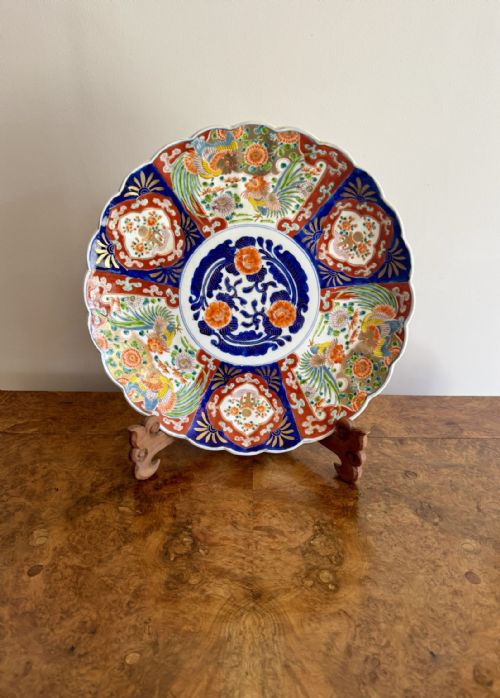
- A style of Japanese porcelain featuring distinctive underglaze blue and overglaze iron red, gold, and green details. The aesthetic gained widespread popularity across European and Asian export markets.
- Patinated
- A surface finish resulting from age, chemical treatment, or controlled oxidation applied to metals like iron or bronze. This process deepens the tone and protects the underlying material.
- Mon
- A Japanese mon represents a heraldic badge or crest used to identify individuals, families, or clans. These formal emblems frequently appear integrated into textile, metal, and ceramic designs.
Asian Art Decorative Plate: Frequently Asked Questions
How were decorative chargers displayed?
These large plates were traditionally shown on wooden stands or mounted securely on interior walls to showcase their detailed craftsmanship. They served as primary decorative statements within formal reception rooms.
Today, modern interiors utilise similar placement strategies, mounting them above furniture or displaying them on sturdy plate racks to highlight their colourful patterns and substantial scale.
What is the difference between Imari and cloisonné?
Imari describes porcelain pieces decorated with cobalt blue, iron red, and gilt pigments fired directly onto the ceramic body. The visual impact relies entirely on painted brushwork and glaze contrasts.
Cloisonné involves metal vessels embellished with wired enamel compartments. The design is built using physical metallic barriers filled with vitreous paste rather than flat pigments.
How do I care for antique enamel plates?
Enamel surfaces require gentle dusting with a soft, dry cloth to prevent accumulation without abrasive contact. Avoid harsh cleaning agents, moisture immersion, and direct sunlight to protect the fragile vitreous materials.
Display these pieces away from high-traffic zones where accidental impacts might damage the raised metal wires or chip the delicate enamel finish.
How do I identify a Meiji period piece?
Meiji period items, produced between eighteen sixty-eight and nineteen twelve, frequently exhibit extraordinary technical precision and naturalistic subject matter. Artisans during this era pushed metalwork and ceramic techniques to new heights.
Look for refined wirework, signed elements, and complex iconography depicting birds, flora, or mythological figures that reflect the opening of Japanese manufacturing to global markets.