

Asian Painting
An asian antique painting brings centuries of expressive detail, delicate brushwork and narrative depth into a room.
Asian Painting
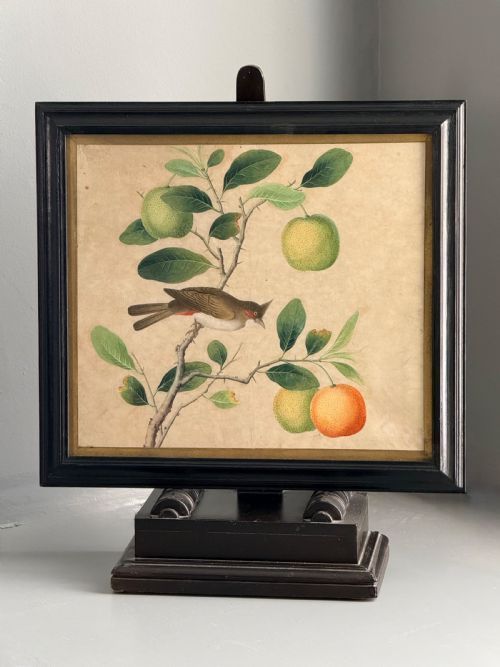
When searching for an asian antique painting, collectors encounter delicate works on silk, textile and pith paper depicting traditional scenes, warriors, deities and landscapes.
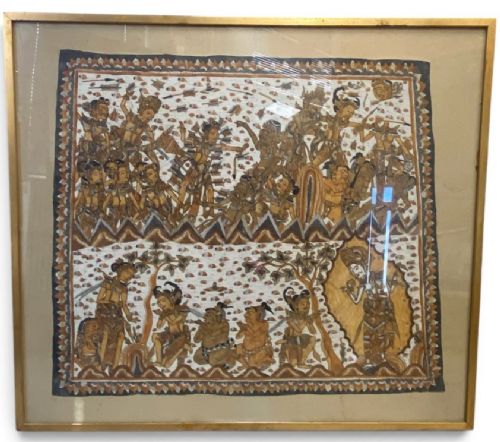
The selections span distinct cultural origins and eras, including Balinese Kamasan textile pieces, framed Chinese ancestral scrolls and signed silk watercolours.
These works reflect diverse historical traditions, capturing the rich artistic heritage of various Asian regions through enduring pigments and textile arts.
Materials and Techniques
Artisans applied gouache, watercolours and fine inks onto fragile surfaces such as woven silk, prepared textiles and pith paper.
Many works incorporate original framing or mounting techniques designed to preserve the delicate painted fibres against environmental wear.
Listings feature works spanning the nineteenth and twentieth centuries, utilising silk, textile and pith paper.
Assessing Quality and Execution
Quality rests in the precision of the brushwork, the stability of the pigment and the preservation of the underlying silk or paper surface.
Pieces featuring legible signatures, original mounts and well-maintained pictorial registers demonstrate superior craftsmanship and historical integrity.
Maruni Kobe·Shozan
The Asian Painting Glossary
- Kamasan
- A traditional style of painting originating from Bali, typically executed on textile and depicting classical narratives with multiple registers of figures.
- Pith paper
- A delicate organic medium prepared from the spongy pith of the Tetrapanax papyrifer plant, commonly used for watercolours and gouache.
- Ancestor scroll
- A vertical hanging scroll depicting familial or revered figures, traditionally created on silk or paper.
- Shan Shui
- A style of traditional Chinese painting that depicts scenery or natural landscapes using brush and ink.
Asian Painting: Frequently Asked Questions
How should I hang an antique painting?
Protect delicate painted silk and pith paper from direct sunlight by placing the artwork on interior walls away from windows.
Maintain stable room humidity to prevent the organic textiles and paper supports from warping or degrading over time.
What is a Kamasan painting?
Kamasan works originate from Bali and typically feature narratives drawn from Hindu epics displayed across structured horizontal registers.
These textile pieces utilise traditional mineral pigments to depict deities, demons and warriors in distinctive regional postures.
How do I identify silk paintings?
Examine the fabric grain closely under magnification to observe the fine woven threads functioning as the painting ground.
Silk artworks often display softer colour bleed where traditional water-based inks settle into the protein fibres.
Are ancestral scrolls common?
Ancestral scrolls were created to honour family lineages and typically feature formal portraits mounted on vertical hanging fabric.
These large framed pieces were displayed during ceremonial occasions and reflect detailed portraiture conventions.