
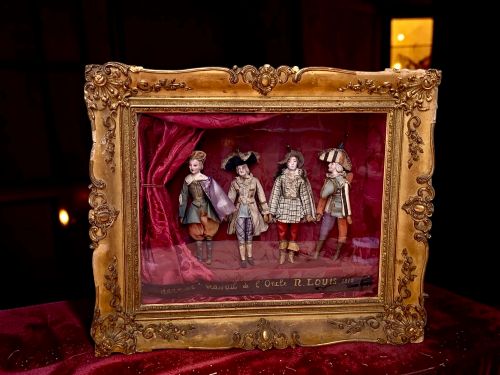
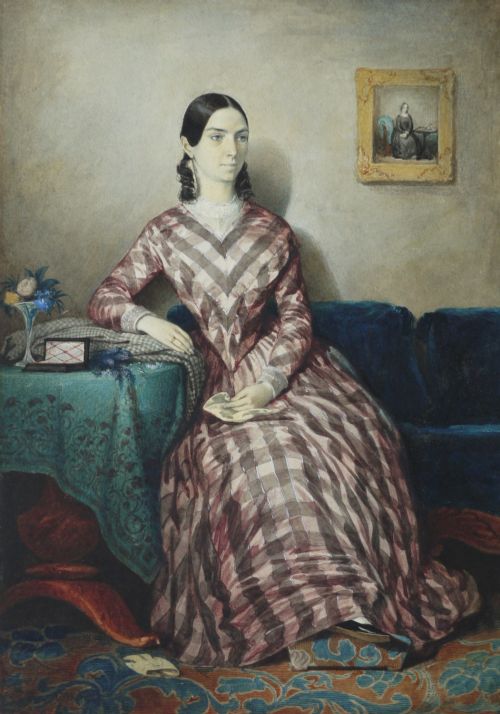
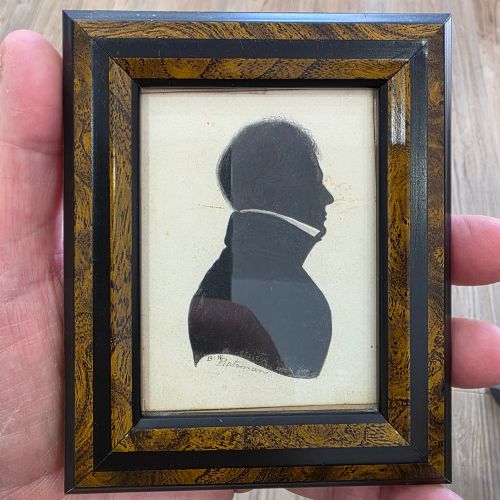
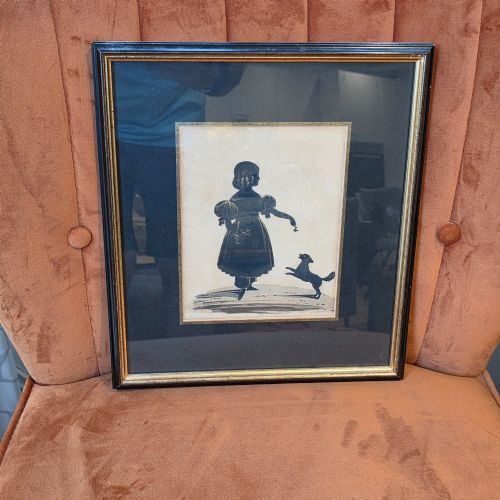


Framed Paper Miniature
A framed paper miniature offers an intimate glimpse into past lives through delicate silhouettes and watercolours.
Framed Paper Miniature
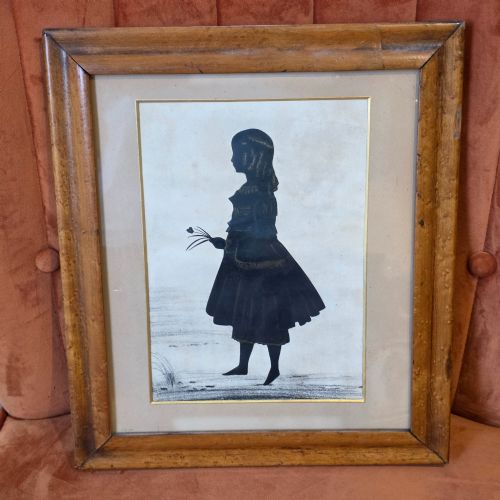
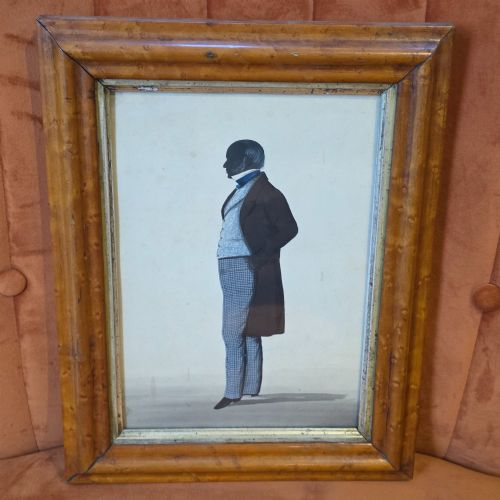
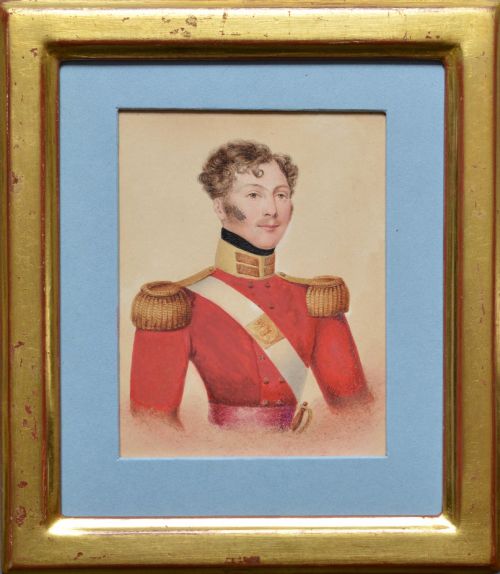
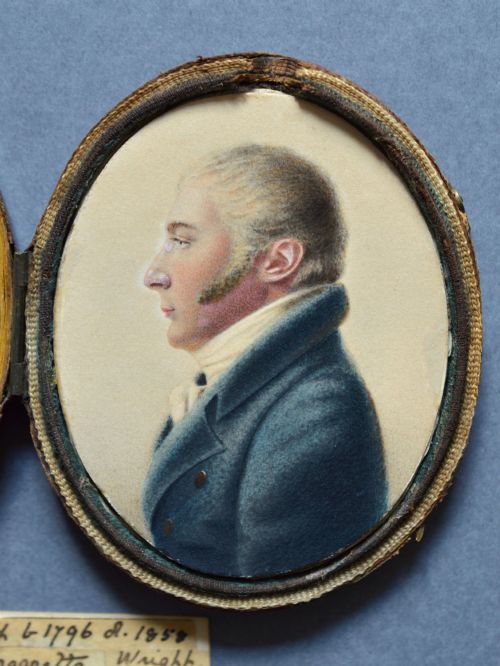
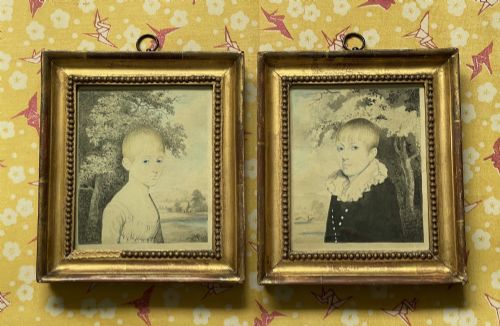
A framed paper miniature presents small-scale portraits, watercolours, and cut-paper silhouettes housed within protective surrounds. These works capture likenesses of individuals and scenes from the eighteenth and nineteenth centuries.
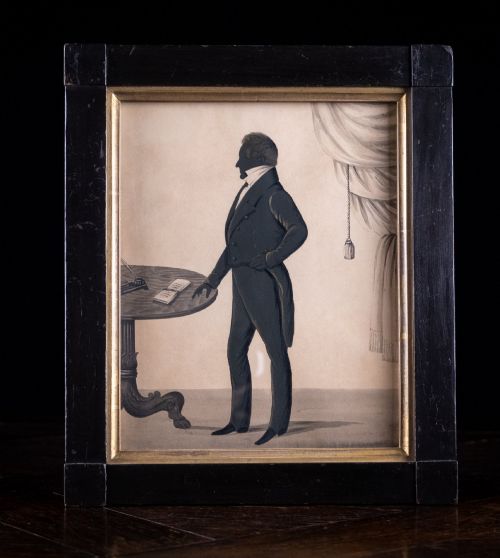
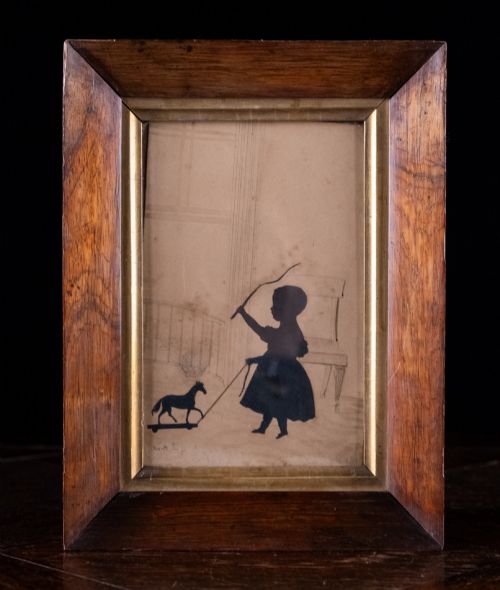
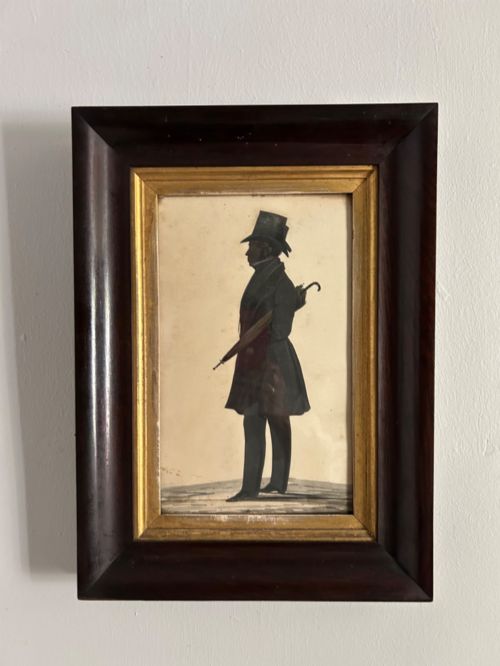
Silhouettes dominate the selection, often taking the form of cut-paper profiles heightened with watercolour, ink, or gold leaf. Portraits of gentlemen, ladies, and children appear frequently alongside devotional shadow boxes and landscape gouaches.
Pieces from the Regency and Victorian eras sit alongside Georgian and earlier French works. Buyers encounter both full-length figures and bust portraits created by named profile artists and anonymous makers alike.
How they were made
Artists worked primarily on paper supports, applying watercolour, gouache, ink, and pencil to delineate subjects. Many profiles involved hand-cutting black or white paper to form crisp silhouettes.
Makers integrated gold leaf and gilding to accent silhouettes and frame borders. Glazed wooden frames, including ebony, maple, and gilt wood, protected the fragile paper works from dust and handling.
Dogs and horses occasionally joined their human owners in the cutting chair for immortalisation.
What varies in quality
The precision of the hand-cutting and the fineness of the brushwork separate accomplished profiles from simpler items. Skilled artists captured telling details of costume and expression within a miniature scale.
Original framing contributes significantly to the integrity of a piece. Period surrounds that retain their original glass and backing materials preserve the historical context of the artwork.
William James Hubard·Augustin Edouart·Nathaniel Bermingham·John Smith of Edinburgh·Thomas Woolnoth
The Framed Paper Miniature Glossary
- Silhouette
- A profile portrait filled in with a solid colour, typically black, and often cut from paper or painted on card.
- Gouache
- An opaque watercolour paint that provides heavier coverage and brighter colour saturation than traditional watercolour.
- Shadow box
- A deep, glass-fronted frame designed to house three-dimensional objects or multi-layered paper constructions.
- Hollow-cut
- A silhouette technique where the profile is cut out from a sheet of paper, leaving the surrounding paper as the background.
Framed Paper Miniature: Frequently Asked Questions
How were framed paper miniatures displayed?
These small artworks hung in parlours and private chambers, often grouped together in arrangements on walls. Their intimate scale suited close viewing by family members and guests.
Owners also kept them on desks or stored them safely within protective cases when not hung in public rooms.
Are silhouettes and watercolours from the same period?
Both forms were produced concurrently throughout the Georgian, Regency, and Victorian eras. Artists frequently combined cut paper and watercolour within a single portrait.
While silhouettes emphasise profile outlines, watercolour miniatures capture flesh tones and clothing textures in full colour.
How do I care for a framed paper miniature?
Keep paper works away from direct sunlight to prevent the fading of watercolours, inks, and paper supports. Stable indoor humidity protects the delicate paper and wooden frames.
Avoid opening the sealed frames, as older glass and backing materials maintain the internal environment of the miniature.
How can I tell the date of a miniature?
Clothing styles, hairstyles, and headracks such as turban caps offer clear indicators of the period in which the sitter lived. Costume details often date a portrait to within a specific decade.
Frame construction and backing papers also provide clues to the age and origin of the piece.