

Gouache on Paper Artwork
These gouache on paper artwork pieces capture vivid detail and opaque pigment layers across centuries of global artistic tradition.
Gouache on Paper Artwork
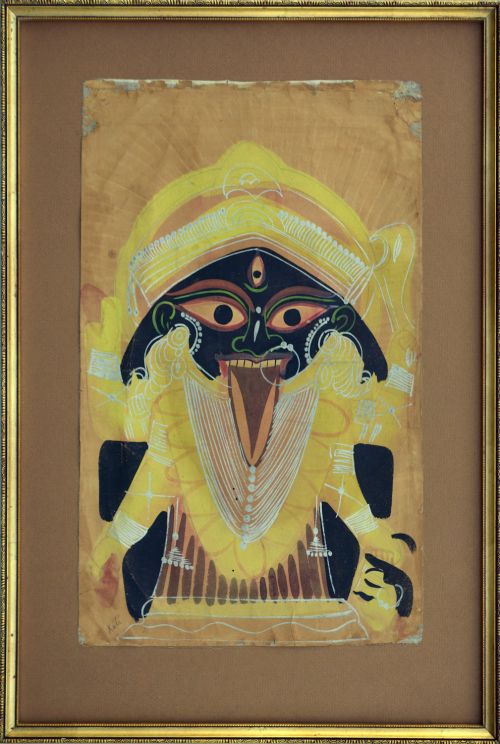
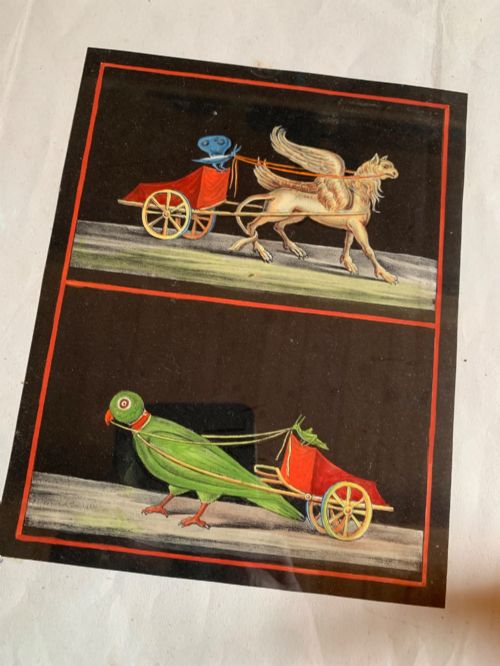
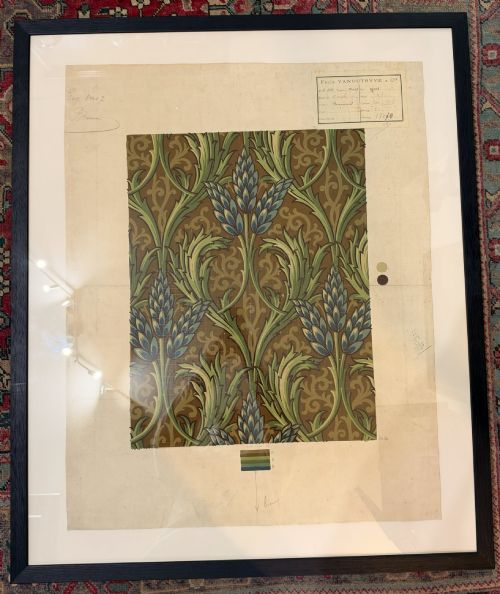
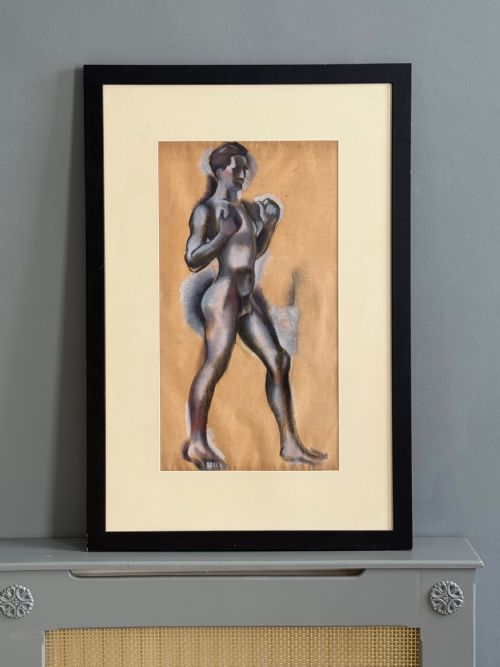
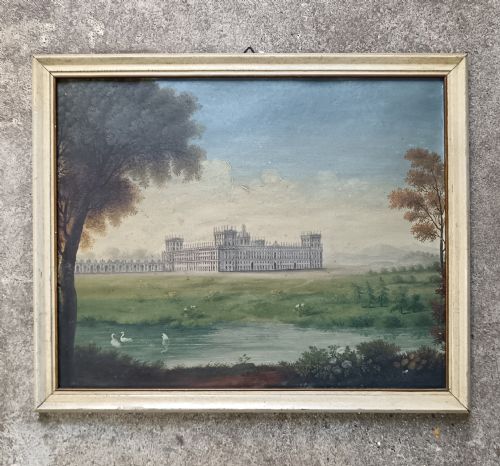
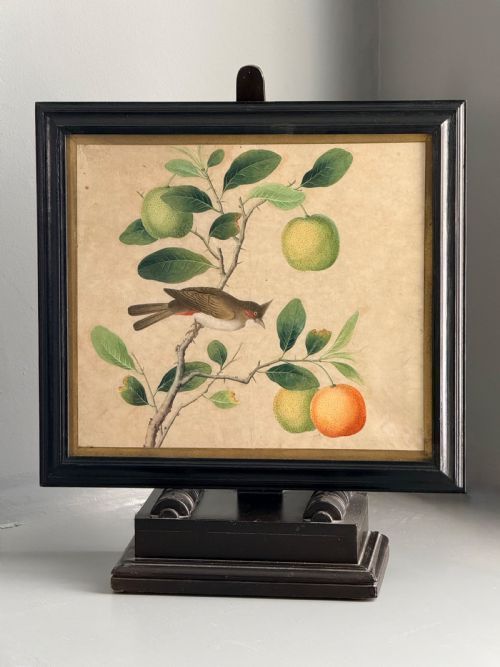
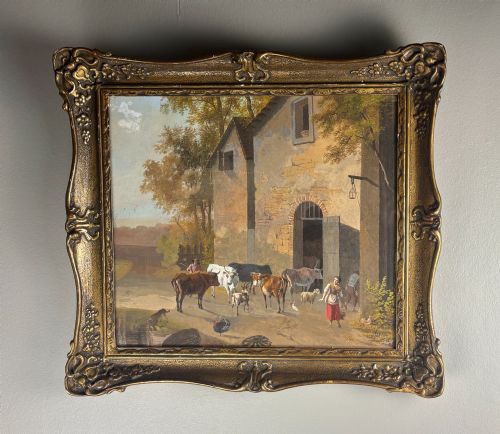
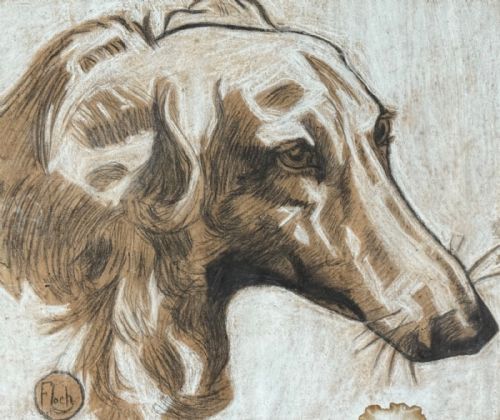
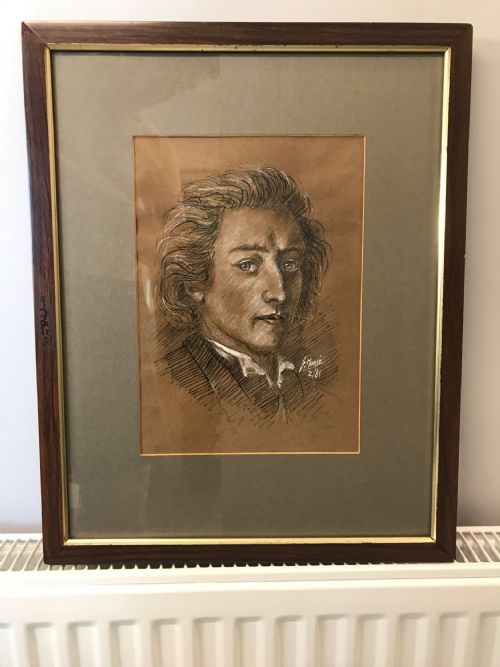
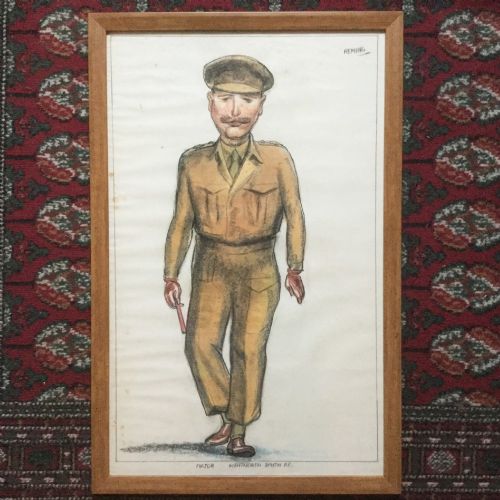
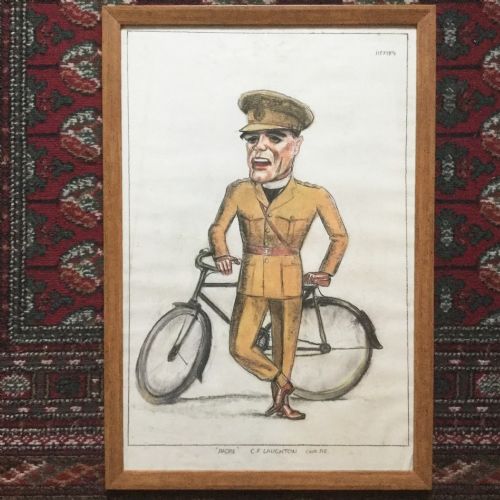
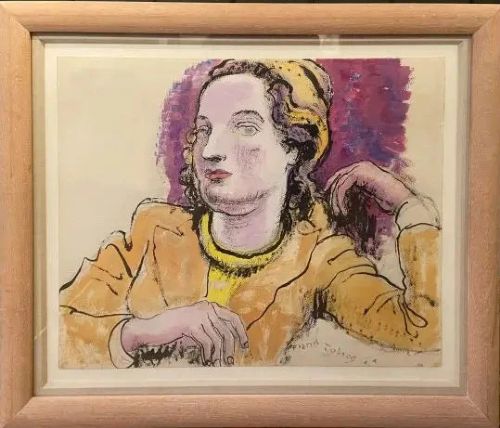
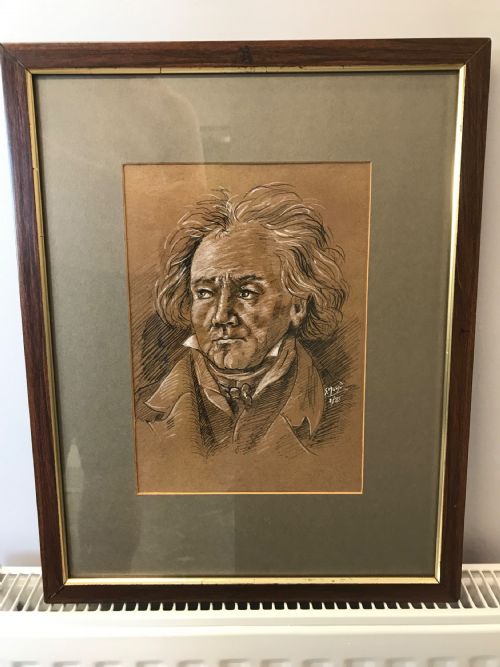
When searching for gouache on paper artwork, buyers encounter a diverse range of works spanning the nineteenth century through the mid-twentieth century. The selection encompasses botanical studies, portrait sketches, maritime scenes, and abstracted landscapes rendered with water-based opaque pigments.
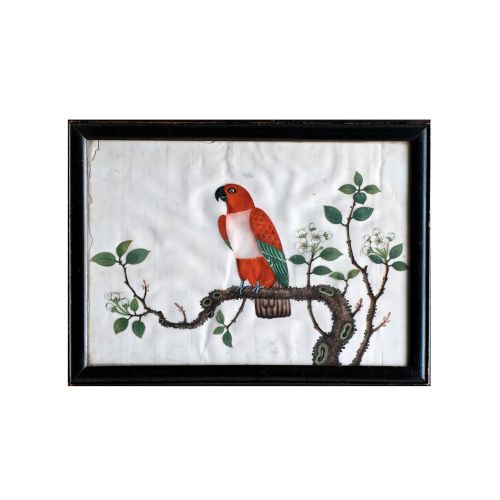
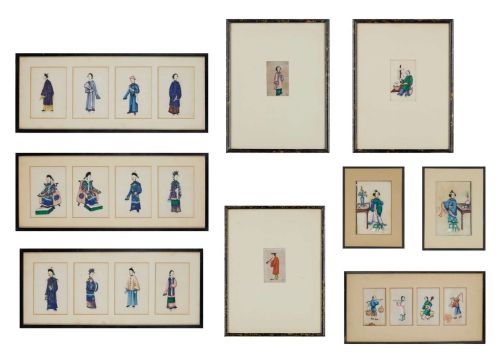
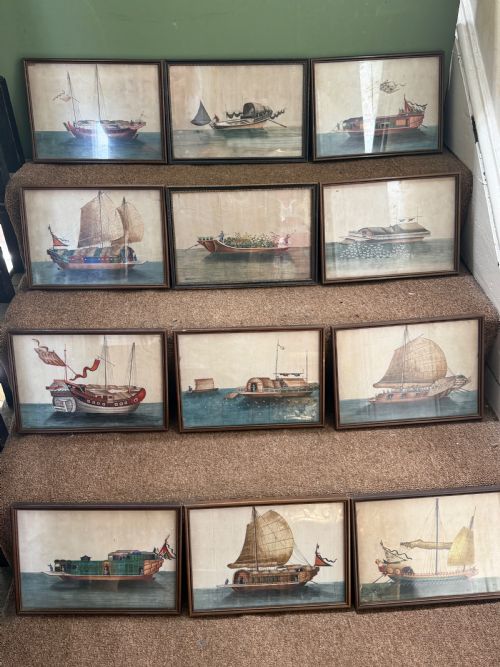
Chinese Export works executed on delicate pith paper form a distinct and frequently seen category within the available pieces. These traditional regional paintings sit alongside European academic portraits, Art Deco animal studies, and vibrant mid-century modern compositions.
The material format varies from single framed drawings to large decorative sets depicting ships, floral subjects, and theatrical figures. These works combine paper supports with media such as ink, pencil, pastel, and watercolour alongside gouache.
How they were made
Makers build these compositions using water-soluble opaque pigments applied to various paper supports, often incorporating pencil, pen and ink, or pastel to define underlying forms. Pith paper, derived from the pith of the Tetrapanax papyrifer plant, provides a fragile, velvety surface for many nineteenth-century Chinese export examples.
Framed works typically utilise wood surrounds and protective glass glazing to safeguard the delicate paint layers from atmospheric moisture and handling damage. Artists layer gouache to achieve both flat decorative areas of colour and finely detailed highlights that contrast with the visible texture of the paper.
Gouache on Paper Artwork Retail Price Guide 2026
Typical asking prices for gouache on paper artwork among the pieces listed under this phrase on Sellingantiques today, from the lower quarter to the upper quarter. They describe what is for sale here now, not the wider market.
The listings span multiple centuries, uniting European academic portraiture with nineteenth-century Chinese export pith paper paintings and mid-century abstracts.
What varies in quality
The distinction between standard works and finer examples lies in the confidence of the draughtsmanship and the vibrancy of the preserved pigment layers. Superior pieces demonstrate precise brushwork and stable adhesion of the paint to fragile supports like pith paper.
Compositional complexity and historical context also influence the standing of an individual work, particularly within specialised genres such as Chinese Export maritime sets or signed modernist pieces by known painters.
Frank Dobson·Frédéric Chopin·Ludwig van Beethoven·Johannes Brahms·Alice Anne Renshaw·Kershaw Schofield·Montagu Barstow·Dame Laura Knight·Reginald Mills
The Gouache on Paper Artwork Glossary
- Gouache
- An opaque water-based paint made from pigment mixed with a water-soluble binder and added white filler materials. It dries to a matte finish that conceals the paper surface beneath.
- Pith paper
- A delicate, spongy material cut from plant stems, frequently used for nineteenth-century Chinese export paintings. It absorbs water-based pigments to produce a luminous velvet-like effect.
- Academic realism
- A style of painting and drawing produced under the influence of European academies of art. It emphasises precise anatomical accuracy, traditional perspective, and careful observation.
- Chinese export
- Goods manufactured in China specifically for western markets from the eighteenth through the nineteenth centuries. These items often combined traditional local techniques with motifs requested by foreign buyers.
Gouache on Paper Artwork: Frequently Asked Questions
What is gouache paint?
Gouache is a water-based medium composed of ground pigments, water, and a binding agent such as gum arabic, rendered opaque by the addition of white filler. This opacity allows artists to paint light colours over dark backgrounds.
Unlike transparent watercolour, gouache dries to a flat, matte finish that reflects light evenly. This makes it particularly suitable for graphic illustrations, botanical studies, and detailed miniature paintings.
How should I display these works?
Paper and water-based pigments require careful placement away from direct sunlight to prevent fading and discolouration over time. Framing under protective glass with acid-free mounts ensures the delicate surface remains undisturbed by ambient moisture.
Maintaining stable indoor humidity levels in the room will help preserve both the paper support and the fragile paint layers. Avoid hanging these pieces in damp spaces such as kitchens or unheated hallways.
Are these works original?
The pieces listed are hand-painted works executed directly on paper by artists using traditional media such as gouache, ink, and watercolour. Each item represents a unique historical artwork rather than a modern reproduction or print.
Signatures, artist ciphers, and period framing details often provide additional context regarding the origin and date of creation. Examination of the pigment layer under magnification reveals the brushstrokes characteristic of manual application.