


Oriental Miniature Painting
These pieces of oriental miniature painting range from delicate paper gouache works to tiny Satsuma vases, offering intricate detail for collectors.
Oriental Miniature Painting
Oriental miniature painting encompasses delicate works on paper and silk alongside tiny decorated ceramics and glassware from various Asian traditions. Buyers seeking oriental miniature painting will encounter distinct regional schools including Mughal, Indian, and Qajar works alongside Japanese Meiji period items.
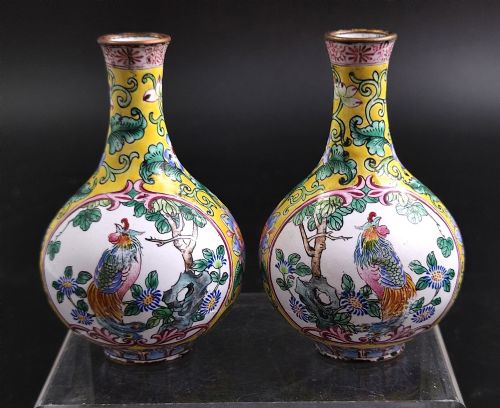
The format spans framed gouache paintings on paper, enameled glass and earthenware snuff bottles, and diminutive vases and trays. Nineteenth-century examples dominate the selection, showing precision across multiple decorative mediums.
Materials and execution
Makers utilised gouache and gold leaf on paper or silk for traditional Indian and Persian miniature paintings, achieving fine lines and rich pigments. Ceramics and porcelain vessels received detailed enamel decoration and gilding, particularly in Japanese Satsuma and Imari pieces.
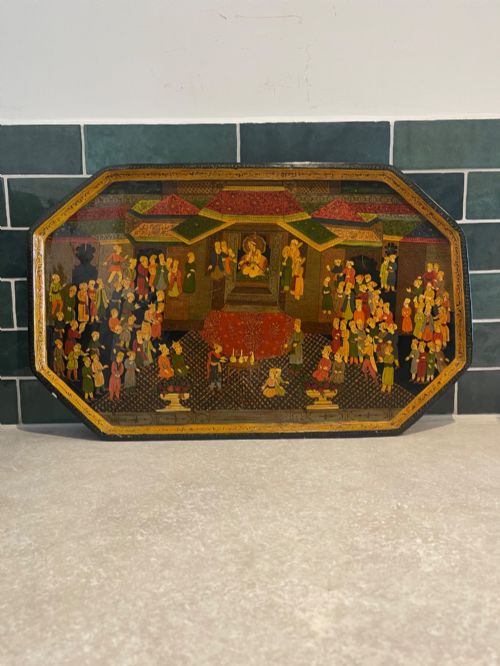
Papier-mache served as a base for painted trays, while glass and earthenware formed the bodies of small snuff bottles. Artisans applied precise brushwork to surfaces often measuring only a few inches across.
Materials range from earthenware and porcelain to enamel, gold leaf, wood, and paper.
Distinctions in quality
Quality rests upon the precision of the brushwork and the delicacy of the painted detail across the tiny surface. Signed pieces by known makers and workshops demonstrate superior control over complex figural scenes and gilding.
The clarity of expression in portraits and narrative scenes separates standard decorative items from superior examples. Preservation of original pigment and gold leaf without later overpainting dictates the standing of each piece.
Chosei·Shuzan·Choshuzan·Jissei·Yoshisada·Kotobuki-do
The Oriental Miniature Painting Glossary
- Gouache
- An opaque water-based pigment used extensively in Indian and Persian miniature paintings on paper. It provides flat, saturated areas of colour and fine detail.
- Satsuma ware
- Japanese pottery with a crackle-glaze earthenware body, typically decorated with polychrome enamels and gold leaf. These wares frequently appear in miniature vase forms.
- Imari
- A style of Japanese porcelain featuring underglaze blue and overglaze red, green, and gold. Items in this tradition range from small bowls to miniature vases.
Oriental Miniature Painting: Frequently Asked Questions
What periods do these miniatures come from?
The available pieces originate primarily from the nineteenth century, with dates spanning from roughly eighteen-thirty to nineteen-twenty. This period includes the Meiji era in Japan and various nineteenth-century dynasties across India, China, and Iran.
Collectors will find that nineteenth-century items represent the majority of surviving examples on the market. Earlier and later twentieth-century pieces appear occasionally, reflecting continuing traditions of small-scale painting and decoration.
How were miniature paintings and tiny vases displayed?
Miniature paintings on paper and silk were often bound within albums or kept as portable works of art rather than hung on walls. Tiny vases, incense burners, and snuff bottles were designed to be handled closely and appreciated for their intricate detail.
Displaying these objects requires careful placement away from direct sunlight to protect delicate pigments and gold leaf. Their small scale allows them to be grouped together in cabinets or on dedicated trays.
What subjects appear in Indian miniature paintings?
Indian miniature paintings frequently depict royal portraits of emperors, nawabs, and maharajahs alongside narrative scenes from court life and epic poetry. Figures are often shown in profile against detailed architectural or landscape backgrounds.
Other common motifs include mythical subjects, such as composite animals formed from multiple figures, and romantic encounters in gardens. These works demonstrate precise brushwork and vibrant natural pigments.